The Volvo immobilizer reset process is a common topic among Volvo owners who face a sudden no start problem. The car may refuse to start even when the key looks normal and works in other situations. This creates confusion because the issue does not come from the engine itself in many cases.
Modern vehicles from Volvo Cars use an immobilizer system as part of their anti theft protection. This system checks communication between the key fob, the engine control unit, and the central electronic module. When this communication fails, the system blocks engine startup. The car stays inactive even if the battery and mechanical parts are in good condition.
Most Volvo immobilizer issues come from simple electronic problems. A weak key fob battery can stop signal transmission. Low vehicle battery voltage can also interrupt system communication. In some cases, the key and vehicle lose synchronization after a voltage drop or software glitch.
Understanding Volvo immobilizer reset helps you avoid unnecessary repairs. Many drivers assume the system has a serious fault. In reality, most cases come from temporary signal errors. These errors can often be fixed with basic reset steps or key reinitialization.
This guide explains how the immobilizer system works and why it blocks the engine. It also shows step by step reset methods from basic solutions to advanced diagnostic procedures. You will learn how to fix the problem and how to reduce the chance of it happening again.
What Is the Volvo Immobilizer System
The immobilizer system in Volvo Cars is an electronic anti theft technology designed to prevent unauthorized engine start. It works by verifying that the correct key is present before allowing the engine to run. If the system does not detect a valid signal, it blocks ignition even if the physical key turns or the start button is pressed.
The system relies on communication between several electronic components. The key fob contains a transponder chip that sends a unique security code. The vehicle reads this code through antennas located inside the ignition or start system. The engine control unit, known as ECU, checks this code against stored data. If the code matches, the ECU allows fuel injection and ignition. If the code does not match, the system stops the engine from starting.
In many Volvo models, the immobilizer also connects with the central electronic module. This module manages vehicle security functions and ensures that all systems confirm the same authentication signal. When one part fails to communicate correctly, the entire start sequence can be blocked.
This design increases vehicle security but also creates sensitivity to electronic disruptions. A weak battery, a damaged key chip, or a communication error between modules can trigger an immobilizer lock. When this happens, the vehicle may appear fully functional but will not start.
Understanding this system is important before attempting any Volvo immobilizer reset. It helps you identify whether the issue comes from the key, the vehicle electronics, or a temporary synchronization failure. This knowledge also prevents unnecessary part replacement and reduces repair costs.
Common Causes of Volvo Immobilizer Activation Failure
A Volvo immobilizer reset is often needed because the system detects a communication problem inside the vehicle security network. These problems do not always come from a broken part. In many cases, small electrical or signal issues trigger the immobilizer and block engine start.
One of the most common causes is a weak key fob battery. When the battery voltage drops, the key cannot send a stable signal to the vehicle. The system then fails to verify the security code and blocks ignition.
Another frequent cause is a low car battery. Modern Volvo Cars depend heavily on stable voltage to maintain communication between electronic modules. When the voltage drops during start or after long parking, the immobilizer system may lose synchronization and activate protection mode.
Software glitches can also trigger immobilizer problems. These glitches may appear after a battery change, voltage drop, or incomplete system shutdown. In such cases, the ECU and key fob may stop communicating correctly.
Damage to the transponder chip inside the key is another possible reason. If the chip is physically damaged or deprogrammed, the vehicle cannot recognize the key. This immediately triggers an anti theft lock.
In some cases, wiring issues or ECU communication errors cause the problem. These are less common but more serious because they affect the core system that manages engine authorization.
Understanding these causes helps you choose the correct Volvo immobilizer reset method. It also reduces the risk of replacing parts that are still working properly.
Symptoms of Immobilizer Issues in Volvo Cars
When the immobilizer system in Volvo Cars activates unexpectedly, the vehicle usually shows clear warning signs. These symptoms help you identify the problem before attempting any Volvo immobilizer reset procedure.
The most common symptom is a no start condition. The engine may crank but it does not fully start, or it may not respond at all when you press the start button. This happens because the system blocks fuel or ignition signals when it cannot verify the key.
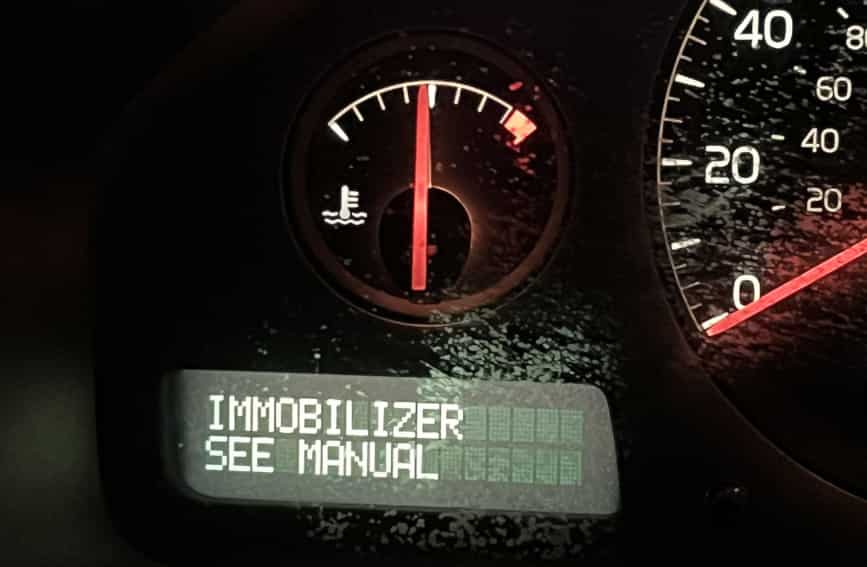
Another frequent sign is a message on the dashboard such as start prevented or immobilizer see manual. This message appears when the vehicle detects a failure in key authentication. The system then stops the ignition process to protect the vehicle.
Many drivers also notice a flashing immobilizer icon on the dashboard. This indicator shows that the security system is active and the key signal is not accepted. In some cases, the light stays on continuously, which indicates a stable communication failure.
Key recognition problems are also very common. The vehicle may not detect the key even when it is inside the cabin. You may need to press the key closer to the start button or try multiple times before the system responds.
Intermittent starting issues can also appear. The car may start normally at one time and fail the next time without warning. This usually indicates a weak signal or unstable voltage in the system.
These symptoms are important because they help you distinguish immobilizer issues from mechanical engine problems. Once you recognize them, you can move to the correct Volvo immobilizer reset method instead of guessing the cause.
Volvo Immobilizer Reset Methods Step by Step Guide
When the immobilizer system blocks engine start, a Volvo immobilizer reset can often restore normal operation. The correct method depends on the cause of the issue. Some fixes are simple and can be done by the vehicle owner, while others require diagnostic tools.
The first basic method is to check and reset the key fob. A weak key battery is a frequent cause of signal failure. Replacing the battery can immediately restore communication between the key and the vehicle. After replacing the battery, the driver should lock and unlock the car to refresh the signal.
The second basic method is a simple system reset through vehicle power cycling. The driver can lock the car, wait a few minutes, and then try starting again. This allows the system to refresh temporary errors in communication.
Another common method is a battery reset. The vehicle battery can be disconnected for a short period to reset electronic modules. After reconnecting the battery, the system may reinitialize and restore key recognition. This method works when the issue comes from voltage instability or software glitches.
In some cases, the key and vehicle lose synchronization. A re synchronization process may restore communication. This involves using the key close to the start system and repeating the start sequence to allow the vehicle to detect the correct signal.
If these basic steps do not work, the issue may require advanced diagnostic tools. At this stage, the Volvo immobilizer reset process involves ECU scanning and module communication checks. These procedures go beyond normal user actions and require professional equipment.
Advanced Reset Methods Workshop Level
When basic Volvo immobilizer reset methods do not solve the problem, the issue usually involves deeper electronic or module level faults. At this stage, the vehicle requires workshop diagnostics and professional tools to restore proper communication between security components.
One of the most important advanced methods is ECU reprogramming. The engine control unit stores security authorization data that must match the key fob and immobilizer system. When this data becomes corrupted due to voltage drop or software failure, technicians use diagnostic software to reflash or reinitialize the ECU. This process restores synchronization and allows the engine to start normally again.
Another critical procedure is immobilizer module reset using Volvo VIDA software. This system is the official diagnostic platform used for Volvo Cars. It allows technicians to read error codes, reset security parameters, and reprogram communication between the ECU, key system, and central electronic module. This method is often required when the vehicle completely fails to recognize the key.
Key coding and re pairing is also an essential workshop procedure. When a key loses its stored identity in the system, it must be reintroduced to the vehicle database. The technician connects diagnostic equipment and performs a secure pairing process so the immobilizer can verify the key again. Without this step, the vehicle will continue to block ignition.
In some cases, technicians also perform CEM module testing. The central electronic module manages communication between multiple systems in the vehicle. If it fails or becomes unstable, it can trigger immobilizer activation even when the key and ECU are working correctly. Testing and replacing this module requires advanced electrical diagnosis.
These advanced methods are necessary when the Volvo immobilizer reset cannot be achieved through basic steps. They ensure that all electronic components regain proper synchronization and restore full engine authorization.
When Volvo Immobilizer Reset Does Not Work
In some situations, a Volvo immobilizer reset does not solve the problem because the fault is not temporary. Instead, the issue comes from hardware failure or deep electronic damage inside the vehicle security system. At this point, normal reset or reprogramming methods may not restore engine start.
One major cause is ECU failure. The engine control unit may stop processing security signals correctly due to internal circuit damage or corrupted memory. When this happens, the vehicle cannot validate the key even after multiple reset attempts.
Another serious issue comes from the central electronic module failure. The CEM plays a key role in coordinating communication between the immobilizer, ECU, and key system. If it becomes faulty, the entire security network can break down and prevent the engine from starting.
A damaged transponder chip inside the key can also make reset attempts ineffective. If the chip loses its stored identity or suffers physical damage, the vehicle will permanently fail to recognize the key until it is replaced and reprogrammed.
Wiring and electrical connection problems are another factor. Broken wires, corrosion, or unstable connections can interrupt signal transmission between modules. In these cases, the immobilizer system may behave inconsistently and refuse to reset.
When these conditions occur, a simple Volvo immobilizer reset is not enough. The vehicle requires full diagnostic testing to identify the failed component. In many cases, part replacement becomes necessary to fully restore system functionality.
Volvo Immobilizer Reset Cost and Repair Options
When a Volvo immobilizer reset requires professional support, the total cost depends on the root cause and the repair method. Some issues are simple and inexpensive to fix, while others involve advanced diagnostics and module replacement.
For basic key related issues, the cost is usually low. Replacing a key fob battery is inexpensive and can often restore normal function immediately. If the key needs reprogramming, the cost increases because it requires diagnostic equipment and security access to the vehicle system.
If the problem is related to ECU or immobilizer module reprogramming, the price is higher. Technicians must use professional tools such as Volvo VIDA to perform secure system access and synchronization. This process takes more time and requires specialized knowledge, which increases labor cost.
In cases where the central electronic module or ECU is damaged, repair or replacement becomes significantly more expensive. These components are essential for vehicle operation, so replacement parts and coding procedures both contribute to the total cost.
Service location also affects pricing. A Volvo dealership usually charges more due to official tools and certified procedures. Independent workshops may offer lower prices, but the quality depends on their diagnostic capability and experience with Volvo electronic systems.
In some situations, multiple issues occur at the same time, such as weak battery voltage combined with key desynchronization. This increases diagnostic time and repair complexity, which raises the overall cost.
Understanding these repair options helps you decide whether a simple Volvo immobilizer reset is enough or whether professional intervention is required. It also helps you avoid unnecessary part replacement by identifying the real cause of the problem first.
How to Prevent Volvo Immobilizer Problems
Preventing immobilizer issues is often easier and cheaper than performing a Volvo immobilizer reset after the problem appears. Most failures come from simple electrical instability or weak signals, so regular maintenance can significantly reduce the risk.
One of the most important steps is maintaining the key fob battery. A weak battery can interrupt signal transmission between the key and the vehicle. Replacing the battery before it fully drains helps avoid sudden recognition failures.
Vehicle battery health also plays a key role. Modern Volvo Cars rely on stable voltage to keep all electronic modules synchronized. A weak or aging car battery can cause communication errors between the ECU, immobilizer system, and central electronic module. Regular battery checks help prevent these issues.
Software updates are another important factor. Volvo systems often receive updates that improve electronic stability and fix known bugs. Keeping the vehicle software up to date helps reduce the risk of immobilizer glitches.
It is also helpful to avoid repeated short trips with low battery recharge time. This can gradually reduce system voltage stability and increase the chance of immobilizer activation.
Finally, regular diagnostic checks at a service center can detect early signs of communication errors. This allows technicians to fix minor issues before they turn into full immobilizer lockouts.
Frequently Asked Questions
Can I perform a Volvo immobilizer reset by myself
Yes, basic reset steps such as key battery replacement or vehicle restart can be done by the owner. However, advanced resets require diagnostic tools.
Why does my Volvo say immobilizer active
This usually means the system cannot verify the key signal due to battery issues, synchronization failure, or electronic communication errors.
Does replacing the battery fix immobilizer problems
In many cases yes, especially when the issue comes from low voltage. However, it does not fix damaged keys or ECU faults.
How long does an immobilizer reset take
Simple resets can take a few minutes. Advanced diagnostics and reprogramming may take one to several hours depending on the issue.
Conclusion
The Volvo immobilizer reset process plays an important role when your vehicle suddenly refuses to start due to security system activation. In most cases, the problem does not come from mechanical failure but from communication errors between the key, the engine control unit, and the vehicle security modules. This is why understanding how the system works helps you respond correctly instead of guessing or replacing unnecessary parts.
Many immobilizer issues start from simple causes such as a weak key fob battery or low vehicle battery voltage. These situations can interrupt the signal between components and trigger the anti theft system. In these cases, basic reset steps are often enough to restore normal operation without complex repairs.
However, not all problems are simple. Some cases involve deeper electronic faults such as ECU malfunction, key desynchronization, or central module communication failure. These situations require professional diagnostic tools and proper reprogramming procedures. Knowing when to stop basic troubleshooting and seek expert help can save both time and cost.
By understanding symptoms, causes, and reset methods, you can handle immobilizer issues more effectively and reduce the risk of repeated failures. Proper maintenance of your key system and vehicle battery also helps prevent future problems and keeps the system stable over time.