Have you ever walked out to your Subaru in the morning only to find that it will not start, even though the battery was replaced just a few months ago? If so, you are not alone. Battery drain issues have become one of the most commonly reported concerns among Subaru owners, affecting a variety of models including the Outback, Forester, Crosstrek, Legacy, and Ascent.
A battery that repeatedly dies can be more than just an inconvenience. It can leave you stranded, disrupt your daily routine, and lead to unnecessary repair expenses. Many owners assume the battery itself is defective, only to discover that the real problem lies elsewhere within the vehicle’s electrical system. In some cases, hidden electrical components continue drawing power long after the engine has been turned off, gradually draining the battery overnight.
Understanding the root cause of Subaru battery drain issues is essential for preventing recurring failures and avoiding costly repairs. In this guide, we will explore the most common symptoms of battery drain, examine the underlying causes, identify the Subaru models most frequently affected, and provide practical solutions to help restore reliability to your vehicle. Whether your Subaru has recently experienced a dead battery or you want to prevent future problems, this article will help you diagnose and address the issue with confidence.
What Is Battery Drain in a Subaru?
Battery drain occurs when a vehicle’s battery loses charge faster than it can be replenished. While every modern vehicle consumes a small amount of electricity when parked, excessive power consumption can cause the battery to discharge prematurely. This condition is often referred to as parasitic battery drain.
In a Subaru, certain systems continue to draw power even after the engine is turned off. These systems may include the clock, security system, memory settings, and keyless entry functions. Under normal conditions, the amount of electricity consumed is minimal and should not significantly affect battery performance.
Problems arise when a component fails to enter sleep mode or continues operating when it should be inactive. In such cases, the battery may slowly lose its charge over several hours or days. As a result, owners may discover that the vehicle struggles to start after sitting unused overnight or over a weekend.
Understanding the difference between normal battery usage and abnormal battery drain is the first step toward identifying the source of the problem. In many cases, the issue is not the battery itself but an electrical component that is drawing excessive power behind the scenes.
Common Symptoms of Subaru Battery Drain Issues
One of the earliest signs of battery drain is difficulty starting the vehicle. Many Subaru owners report that their vehicle starts normally one day but fails to crank the next morning. This sudden loss of power is often the first indication that an underlying electrical issue exists.
Another common symptom is a battery that repeatedly dies despite being relatively new. Replacing the battery may temporarily solve the problem, but if the root cause remains unaddressed, the new battery will eventually suffer the same fate. This cycle can become frustrating and expensive for vehicle owners.
Drivers may also notice dim headlights, slow power windows, malfunctioning infotainment systems, or delayed responses from electronic accessories. These issues often indicate that the battery is unable to provide sufficient voltage to support the vehicle’s electrical demands.
Frequent jump starts are another warning sign. If a Subaru requires jump starting more than once within a short period, there is a strong possibility that excessive battery drain is occurring. Ignoring these symptoms can lead to complete battery failure and may even shorten the lifespan of other electrical components.
Recognizing these warning signs early can help owners address the problem before it develops into a more serious and costly repair.
What Causes Subaru Battery Drain Problems?
Several factors can contribute to battery drain in Subaru vehicles. One of the most common causes is parasitic electrical draw. This occurs when an electrical component continues consuming power after the vehicle has been turned off. Modules responsible for security functions, keyless entry systems, and vehicle communication can sometimes remain active longer than intended.
Another frequently discussed cause involves the Data Communication Module, often referred to as the DCM. This component is responsible for handling various connectivity features within the vehicle. In certain cases, the module may continue communicating even when the vehicle is parked, resulting in excessive battery discharge over time.
A failing alternator can also create symptoms that resemble battery drain. The alternator’s job is to recharge the battery while the engine is running. If it cannot generate sufficient power, the battery may never reach a full charge, causing repeated starting issues and reduced battery life.
Battery age is another important factor. As batteries get older, their ability to hold a charge decreases. Extreme temperatures can accelerate this deterioration, making older batteries more susceptible to drainage issues.
Aftermarket accessories such as dash cameras, GPS trackers, upgraded audio systems, and remote start devices may also contribute to excessive power consumption. If these accessories are improperly installed or continuously powered, they can slowly drain the battery even when the vehicle is parked.
Identifying the exact cause often requires a systematic diagnostic process, but understanding these common sources can significantly narrow down the possibilities and reduce repair time.
Subaru Models Most Commonly Associated with Battery Drain Complaints
While battery drain can occur in virtually any vehicle, certain Subaru models have generated a higher volume of owner complaints over the years. It is important to note that not every vehicle within these model lines will experience battery-related issues. However, understanding which models are more frequently discussed can help owners identify potential warning signs sooner.
Subaru Outback
The Subaru Outback is among the models most commonly associated with battery drain concerns. Owners have reported situations where the vehicle fails to start after sitting unused for a relatively short period. In many cases, the battery appears healthy, leading technicians to investigate potential parasitic draws from electrical modules and vehicle communication systems.
Many Outback owners describe recurring dead battery incidents even after replacing the battery multiple times. This pattern often suggests that the issue extends beyond normal battery wear and may involve the vehicle’s electrical architecture.
Subaru Forester
The Forester has also been the subject of numerous discussions regarding unexpected battery discharge. Drivers often report batteries losing charge faster than expected, especially when the vehicle is not driven regularly.
Symptoms commonly include slow engine cranking, intermittent electrical glitches, and complete battery failure after several days of inactivity. These issues can be particularly frustrating for owners who use their vehicles only occasionally.
Subaru Crosstrek
The Crosstrek has earned a reputation for reliability overall, but some owners have experienced battery drain issues similar to those reported in other Subaru models. Complaints often involve batteries that discharge overnight or within a few days of the vehicle being parked.
Many cases have been linked to electrical components remaining active after shutdown, causing a continuous drain on the battery. As with other models, proper diagnosis is essential before replacing parts unnecessarily.
Subaru Ascent
As Subaru’s larger family SUV, the Ascent contains numerous electronic systems and convenience features that increase overall electrical complexity. While these technologies improve comfort and functionality, they also create additional opportunities for electrical faults.
Some owners have reported recurring dead batteries, warning lights, and charging system concerns. Diagnosing these issues often requires professional testing to determine whether the battery, alternator, wiring, or electronic modules are responsible.
Subaru Legacy
The Legacy shares many electrical systems and components with other Subaru vehicles. As a result, some owners have encountered similar battery drain problems. Reports often involve vehicles that struggle to start after sitting idle for a short time despite having relatively new batteries.
Although not every Legacy owner experiences these issues, awareness of the symptoms can help drivers seek assistance before a complete battery failure occurs.
How to Diagnose a Subaru Battery Drain Problem
Diagnosing battery drain requires a methodical approach. Replacing the battery without identifying the underlying cause may only provide temporary relief. The goal is to determine whether the battery is failing, the charging system is malfunctioning, or an electrical component is consuming excessive power.
Check Battery Voltage
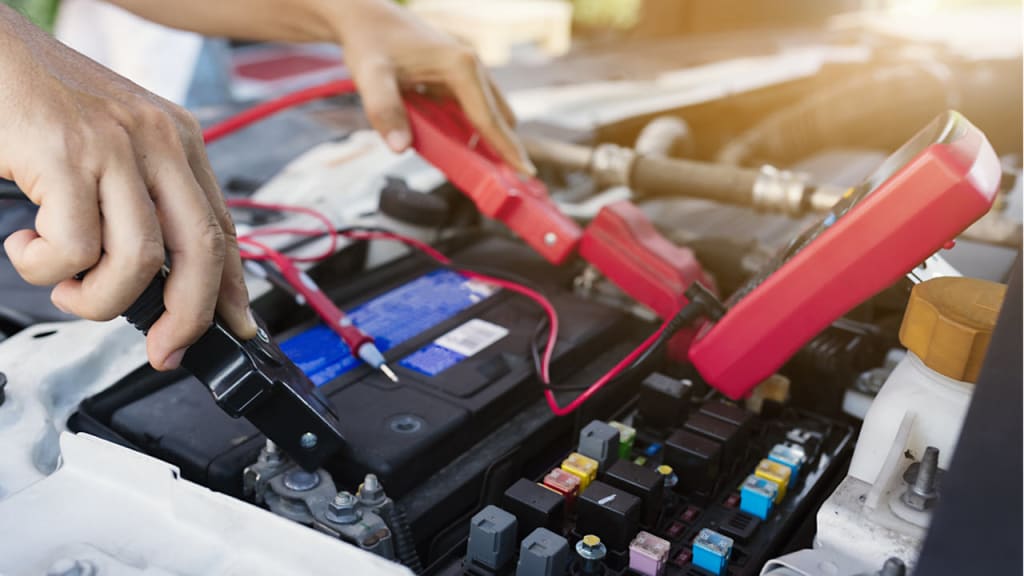
One of the simplest diagnostic steps involves measuring battery voltage with a digital multimeter. A fully charged automotive battery typically reads around 12.6 volts when the engine is off. Significantly lower readings may indicate that the battery is discharged or nearing the end of its service life.
Testing voltage after the vehicle has been parked overnight can provide valuable clues about whether excessive power loss is occurring.
Test the Charging System
The charging system should also be evaluated to ensure the alternator is functioning correctly. When the engine is running, battery voltage should generally rise to between 13.5 and 14.8 volts.
If voltage remains low while the engine is operating, the alternator may be unable to adequately recharge the battery. This condition can mimic battery drain symptoms and should be ruled out early in the diagnostic process.
Perform a Parasitic Draw Test
A parasitic draw test is one of the most effective ways to identify hidden battery drains. Technicians use specialized equipment to measure electrical current flowing from the battery when the vehicle is turned off.
If the measured draw exceeds manufacturer specifications, individual circuits can be isolated to determine which component is consuming excessive power. This process often reveals faulty modules, wiring problems, or accessories that remain active after shutdown.
Scan for Diagnostic Trouble Codes
Modern Subaru vehicles contain numerous electronic control modules that monitor system performance. Using an OBD-II scanner to retrieve diagnostic trouble codes can uncover hidden faults that may contribute to battery drain.
Even if no warning lights are illuminated, stored fault codes may provide important clues that help narrow the diagnostic search and reduce repair costs.
Solutions for Subaru Battery Drain Issues
Once the root cause has been identified, implementing the appropriate repair becomes much easier. The correct solution depends entirely on the source of the battery drain.
Replace a Faulty Battery
If testing confirms that the battery can no longer hold a charge, replacement may be necessary. Most automotive batteries have a limited lifespan, and performance gradually declines over time.
Installing a high-quality replacement battery that meets Subaru specifications can restore reliable starting performance and improve overall electrical stability.
Update Vehicle Software
Modern vehicles rely heavily on software to manage electronic systems. In some cases, manufacturers release software updates to address known issues involving electrical modules and battery management.
Ensuring that all applicable software updates have been installed may help reduce unnecessary power consumption and improve system efficiency.
Repair or Replace the Data Communication Module
If diagnostic testing identifies the Data Communication Module as the source of excessive battery drain, repair or replacement may be required. Addressing a malfunctioning module can significantly reduce parasitic power consumption and prevent recurring dead battery incidents.
Because this component interacts with multiple vehicle systems, repairs should generally be performed by qualified technicians familiar with Subaru electrical systems.
Repair Damaged Wiring
Electrical wiring problems can create unintended current paths that continuously drain battery power. Corroded connectors, damaged insulation, loose grounds, and moisture intrusion are all potential causes.
A thorough inspection of the vehicle’s wiring harness can reveal hidden defects that may otherwise go unnoticed during routine maintenance.
Remove or Reconfigure Aftermarket Accessories
Aftermarket electronics are frequently overlooked during battery drain investigations. Devices such as dash cameras, GPS trackers, audio amplifiers, and remote starters can draw significant power if improperly installed.
Disconnecting these accessories temporarily can help determine whether they contribute to the problem. In some cases, rewiring the accessory to a switched power source completely resolves the issue.
Preventing Future Battery Drain Problems
Although not every battery-related issue can be prevented, proactive maintenance can significantly reduce the risk of unexpected battery failures. Taking a few simple precautions can help Subaru owners extend battery life, improve vehicle reliability, and avoid costly repairs.
One of the most effective strategies is driving the vehicle regularly. Short trips may not provide enough time for the alternator to fully recharge the battery, especially when multiple electrical accessories are in use. Vehicles that sit unused for extended periods are generally more susceptible to battery discharge.
Routine battery inspections are equally important. Checking battery terminals for corrosion, ensuring connections are secure, and monitoring battery voltage can help identify potential issues before they become serious. A weak battery often exhibits warning signs long before complete failure occurs.
Owners should also pay close attention to aftermarket accessories. Devices that remain powered while the vehicle is parked can gradually drain the battery. If additional electronics are installed, ensuring they are wired correctly can prevent unnecessary power consumption.
For vehicles that are driven infrequently, using a battery maintainer or trickle charger can be an excellent investment. These devices help maintain proper battery charge levels without overcharging, making them particularly useful for seasonal vehicles or cars stored for long periods.
Regular inspection of the charging system is another key preventive measure. A failing alternator may not produce obvious symptoms until battery problems begin appearing. Periodic testing can help identify charging deficiencies before they lead to repeated battery failures.
Finally, staying current with manufacturer service bulletins and software updates can help address known electrical issues. As modern vehicles become increasingly dependent on electronic systems, software improvements can play a significant role in reducing unnecessary battery drain.
Frequently Asked Questions
Why does my Subaru battery keep dying?
A Subaru battery may repeatedly die due to parasitic electrical draw, a faulty Data Communication Module, charging system problems, aging batteries, damaged wiring, or improperly installed aftermarket accessories. Identifying the exact cause typically requires diagnostic testing.
Are Subaru battery drain problems common?
Battery drain complaints have been reported by owners of several Subaru models, particularly those equipped with advanced electronic and connectivity systems. While many vehicles operate without issue, battery drain remains a frequently discussed concern among some owners.
Which Subaru models are most commonly affected?
Battery-related complaints are often associated with the Subaru Outback, Forester, Crosstrek, Ascent, and Legacy. However, not every vehicle within these model lines experiences battery drain issues.
Can a software update fix battery drain?
In certain cases, yes. If excessive battery consumption is caused by a software-related issue within an electronic control module, a manufacturer-released software update may reduce power draw and improve battery performance.
How much does it cost to repair Subaru battery drain issues?
Repair costs vary depending on the underlying cause. A simple battery replacement may cost significantly less than diagnosing and repairing a faulty electrical module, wiring issue, or charging system component. Professional diagnosis is often the most cost-effective approach because it helps avoid replacing unnecessary parts.
Can I diagnose battery drain myself?
Basic checks such as measuring battery voltage and inspecting battery terminals can be performed at home. However, locating a parasitic draw often requires specialized equipment and technical expertise. For persistent battery drain issues, professional diagnosis is usually recommended.
Conclusion
Subaru battery drain issues can be frustrating, inconvenient, and expensive when left unresolved. A battery that repeatedly loses charge is often a symptom of a deeper electrical problem rather than the root cause itself. Whether the issue stems from a parasitic electrical draw, a malfunctioning Data Communication Module, a failing alternator, damaged wiring, or an aging battery, accurate diagnosis is essential for achieving a permanent solution.
Recognizing the warning signs early can save both time and money. Symptoms such as repeated dead batteries, difficulty starting the vehicle, dim electrical components, and frequent jump starts should never be ignored. Addressing these issues promptly can help prevent further damage to the vehicle’s electrical system and reduce the likelihood of being stranded unexpectedly.
The good news is that most Subaru battery drain problems can be successfully diagnosed and repaired once the source is identified. By performing regular maintenance, monitoring battery health, keeping software updated, and ensuring electrical accessories are properly installed, owners can greatly reduce the risk of future battery-related issues.
If your Subaru battery keeps dying despite recent replacements or repairs, a comprehensive electrical inspection is the best next step. Identifying the true source of the drain will help restore your vehicle’s reliability and provide long-term peace of mind.
I just bought my 2026 Subaru Uncharted, 2 MONTHS AGO. I am having battery draining issues. I have had to jump start my Subaru 6 times already. I am taking it back to the dealership tomorrow morning hopefully THEY can get this problem resolved.
I love Subaru models but this really **** me off.
PS… note of interest my wife and I also own a Hyundai Ionic 5, and we have had no issues whatsoever It’s a great car