A regular Honda HR V oil change keeps your engine running smoothly and helps prevent expensive repairs. Fresh engine oil reduces friction, removes heat, and protects important engine components from premature wear. It also keeps internal parts clean by carrying away dirt and small metal particles. As the oil ages, it loses these protective qualities. This can reduce engine performance and increase fuel consumption.
Many Honda HR V owners ask the same questions. What is the correct oil type? How much oil does the engine need? When should the oil be changed? How much does the service cost? Finding reliable answers can be difficult because recommendations often vary by model year and engine.
This guide brings everything together in one place. You will learn the recommended oil viscosity, oil capacity, oil change interval, and average service cost. You will also discover how the Honda Maintenance Minder works, when to replace the oil filter, and how to complete a Honda HR V oil change yourself.
Whether you own an older HR V or the latest model, proper maintenance protects your investment and extends engine life. Following the correct oil change schedule also improves fuel efficiency and helps your vehicle deliver consistent performance every day. By the end of this guide, you will know exactly how to keep your Honda HR V in excellent condition.
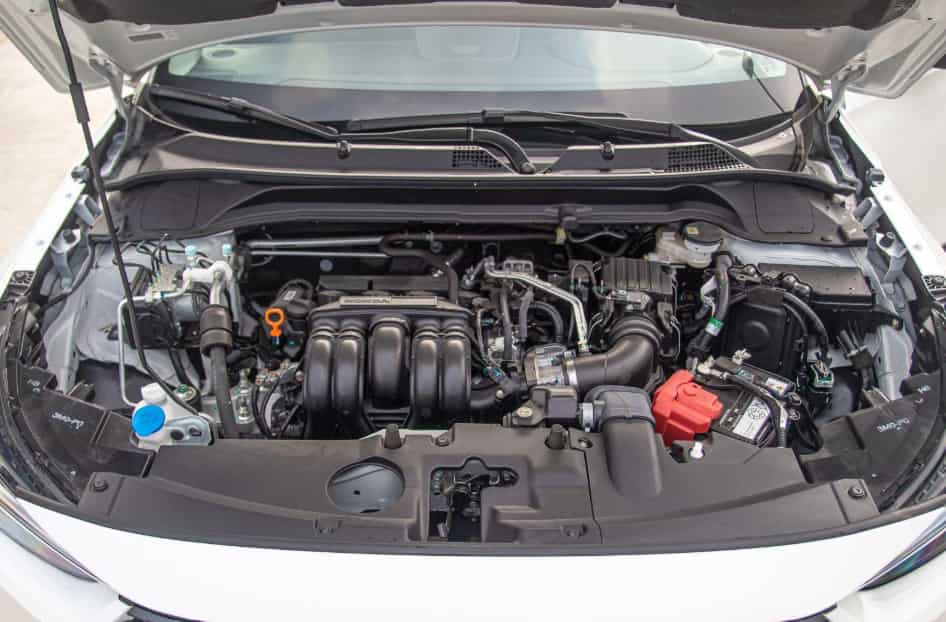
Honda HR V Oil Change Quick Reference
A Honda HR V oil change is one of the most important maintenance tasks for keeping your engine reliable and efficient. Fresh engine oil reduces friction, controls heat, and protects internal components from daily wear. It also helps remove dirt and deposits that can build up inside the engine over time. Ignoring routine oil changes may reduce fuel economy, increase engine noise, and shorten the life of critical parts.
Most Honda HR V models use SAE 0W20 full synthetic engine oil because it delivers excellent protection in both cold and hot temperatures. However, the correct oil capacity depends on the model year and engine. For this reason, you should always verify the specifications in your owner’s manual before adding new oil. Using the proper viscosity and filling the engine with the correct amount of oil helps maintain smooth performance and supports long term engine health.
Honda also recommends following the Maintenance Minder instead of changing the oil at a fixed mileage. This intelligent system monitors driving conditions and estimates the remaining oil life based on engine operation. When the oil life reaches 15 percent, you should begin planning your next service. If it reaches 0 percent, the oil should be replaced as soon as possible to help prevent unnecessary engine wear.
The table below summarizes the key information every Honda HR V owner should know before scheduling or performing an oil change.
| Specification | Recommendation |
|---|---|
| Recommended oil type | SAE 0W20 Full Synthetic |
| Oil filter | Replace with every oil change |
| Oil change interval | Follow the Honda Maintenance Minder or change at least once every 12 months |
| Oil capacity | Varies by model year and engine |
| Average service cost | About $50 to $150 depending on the service provider |
| DIY service time | Around 30 to 60 minutes |
The following sections explain the correct oil type, oil capacity, service interval, costs, and maintenance procedures in greater detail so you can keep your Honda HR V performing at its best.
What Oil Does a Honda HR V Take?
Choosing the correct engine oil is essential for maintaining the performance, efficiency, and durability of your Honda HR V. Engine oil lubricates moving parts, reduces friction, controls engine temperature, and helps prevent harmful deposits from forming inside the engine. Using the recommended oil also supports smoother operation and helps the engine perform as Honda intended.
Most Honda HR V models sold in the United States require SAE 0W20 engine oil. Honda recommends this viscosity because it flows quickly during cold starts while maintaining strong protection when the engine reaches normal operating temperature. This balance improves lubrication, reduces internal wear, and contributes to better fuel economy throughout the year.
Full synthetic oil is the preferred choice for modern Honda HR V models. It offers better resistance to heat, oxidation, and sludge formation than conventional oil. It also maintains stable performance over a wider temperature range, making it suitable for both daily commuting and long highway trips. Although Honda Genuine Motor Oil is designed specifically for Honda engines, you may also use another high quality engine oil that meets the required viscosity and current API service standards.
Some owners consider using a different oil viscosity, such as 5W20 or 5W30. However, this is generally not recommended unless the owner’s manual specifically approves it for your vehicle. A thicker oil may reduce fuel efficiency and affect engine lubrication during cold starts. Following the manufacturer’s recommendation remains the safest way to protect your engine and maintain consistent performance.
Oil specifications can also vary between model years and global markets. Older Honda HR V models, newer generations, and vehicles sold outside the United States may have different requirements. Before purchasing engine oil, confirm the recommended viscosity and specification in your owner’s manual or consult an authorized Honda dealer. Taking a few minutes to verify the correct oil can help prevent unnecessary engine wear and ensure your Honda HR V continues to operate smoothly for many years.
Honda HR V Oil Capacity by Model Year
Knowing the correct oil capacity is just as important as choosing the right engine oil. Adding too little oil may reduce lubrication and increase engine wear. On the other hand, overfilling the engine can create excessive pressure, cause oil foaming, and reduce overall performance. For the best results, always refill the engine with the amount specified for your Honda HR V model year and verify the final level with the dipstick.
Honda has updated the HR V several times since its introduction, and each generation uses a different engine. As a result, the required oil capacity may vary between model years. In addition, the refill amount changes slightly depending on whether you replace the oil filter during the service. Since replacing the filter is part of a standard oil change, the capacity listed with a new filter is the figure most owners should follow.
The table below provides a general reference for Honda HR V oil capacity. Always confirm the specification in your owner’s manual because engine configurations may differ by market.
| Model Year | Engine | Recommended Oil | Oil Capacity with Filter |
|---|---|---|---|
| 2016 to 2022 | 1.8L Inline Four | SAE 0W20 | Refer to owner’s manual |
| 2023 to 2026 | 2.0L Inline Four | SAE 0W20 | Approximately 4.4 US quarts (4.2 liters) |
When refilling the engine, avoid pouring in the full amount immediately. Instead, add most of the recommended capacity, start the engine for a few seconds, and then turn it off. Wait several minutes for the oil to settle before checking the dipstick. If the oil level is below the recommended mark, add a small amount and check again. This simple process helps prevent overfilling and ensures an accurate reading.
If you are unsure about your vehicle’s exact specifications, use the vehicle identification number, model year, or owner’s manual to verify the correct oil capacity before beginning the service. Taking a few extra minutes to confirm this information can help protect your engine and ensure every Honda HR V oil change is completed correctly.
How Often Should You Change the Oil in a Honda HR V?
There is no single mileage that applies to every Honda HR V oil change. Driving habits, road conditions, climate, and engine load all affect how quickly engine oil loses its protective properties. Instead of following a fixed schedule, Honda recommends using the Maintenance Minder. This intelligent system tracks engine operating conditions and estimates the remaining oil life based on actual driving patterns.
When the oil life reaches 15 percent, the Maintenance Minder reminds you to schedule service soon. At 5 percent, the reminder becomes more urgent because the engine oil is nearing the end of its useful life. If the display reaches 0 percent, you should change the oil as soon as possible. Driving far beyond this point can increase engine wear and reduce long term reliability.
Many Honda HR V owners notice that the oil life reaches the service reminder somewhere between 5,000 and 10,000 miles. However, this range is only a general estimate. Vehicles driven mainly on highways often go longer between oil changes than those used for short trips or heavy city traffic. Frequent cold starts, extended idling, dusty roads, and extreme temperatures can also shorten oil life.
Even if you drive very few miles each year, Honda still recommends changing the engine oil at least once every 12 months. Engine oil naturally ages over time as it absorbs moisture, fuel residue, and combustion byproducts. An annual oil change helps maintain proper lubrication and reduces the risk of sludge buildup inside the engine.
Checking the oil level regularly is another good habit. Inspect the dipstick about once a month and before long trips. If the oil level drops noticeably between services, inspect the engine for leaks or excessive oil consumption. Addressing these issues early can prevent more expensive repairs in the future.
Following the Maintenance Minder, using the correct oil, and replacing the oil filter during every service are simple steps that help your Honda HR V deliver reliable performance for many years. Routine maintenance costs far less than major engine repairs, making regular oil changes one of the best investments you can make for your vehicle.
Honda HR V Oil Change Cost
The cost of a Honda HR V oil change depends on several factors, including your location, the type of engine oil, and where you choose to have the service performed. Dealerships often charge more because they use genuine Honda parts and factory trained technicians. Independent repair shops usually offer lower prices while still providing professional service. If you prefer to perform the maintenance yourself, a DIY oil change is the most affordable option.
The table below shows the typical price range for a Honda HR V oil change in the United States. Actual costs may vary depending on local labor rates, taxes, and the products used during the service.
| Service Provider | Estimated Cost |
|---|---|
| Honda dealership | $80 to $150 |
| Independent repair shop | $60 to $120 |
| Quick service center | $50 to $110 |
| DIY oil change | $35 to $70 |
A standard oil change usually includes more than fresh engine oil. Most service providers also replace the oil filter, install a new drain plug washer, inspect fluid levels, check tire pressure, and reset the Honda Maintenance Minder. Some shops may also perform a quick visual inspection of the brakes, battery, belts, and hoses. These additional checks can help identify small issues before they become expensive repairs.
Many owners choose a dealership while the vehicle is still under warranty because it creates a complete maintenance record. Others prefer an independent repair shop to reduce service costs without sacrificing quality. If you have the necessary tools and experience, changing the oil at home can save money and allow you to inspect the vehicle yourself. Regardless of where the work is completed, always confirm that the correct oil viscosity and the proper oil filter are used.
Delaying an oil change to save money often leads to higher repair costs later. Old engine oil loses its ability to lubricate moving parts and control heat. As a result, the engine may experience increased friction, sludge buildup, and faster component wear. Regular oil changes remain one of the most cost effective ways to protect your Honda HR V and extend the life of its engine.
How to Change the Oil in a Honda HR V
Changing the engine oil yourself is a simple way to save money and keep your Honda HR V in excellent condition. Before you begin, prepare the correct SAE 0W20 engine oil, a new oil filter, a drain plug washer, a drain pan, a funnel, and the necessary hand tools. Always park the vehicle on a level surface and allow the engine to cool slightly before starting the service.
Begin by removing the oil filler cap, then place the drain pan beneath the oil pan. Carefully loosen the drain plug and allow the old oil to drain completely. Once the flow stops, install a new drain plug washer and tighten the drain plug securely. Next, remove the old oil filter and confirm that the old rubber gasket is not stuck to the engine. Lightly coat the gasket of the new filter with fresh engine oil before installing it by hand.
After replacing the filter, pour in most of the recommended oil capacity through the filler opening. Start the engine for about 30 seconds so the new oil can circulate throughout the engine. Turn the engine off and wait several minutes for the oil to settle. Check the oil level with the dipstick and add small amounts if necessary until the level reaches the recommended mark. Avoid overfilling because too much oil can reduce engine performance and increase internal pressure.
Finish the service by inspecting the drain plug and oil filter for leaks. If everything looks normal, reset the Honda Maintenance Minder so it can accurately monitor the next service interval. Finally, recycle the used engine oil at an approved collection center. Performing a Honda HR V oil change correctly helps protect the engine, improve reliability, and support long term performance.
Honda HR V Oil Filter Replacement
Replacing the oil filter is an essential part of every Honda HR V oil change. The filter removes dirt, metal particles, and other contaminants that build up as the engine operates. Installing fresh engine oil without replacing the old filter leaves trapped debris inside the lubrication system. As a result, the new oil can become contaminated much sooner.
Honda recommends replacing the oil filter during every scheduled oil change. This simple step helps maintain proper oil flow and improves filtration efficiency throughout the service interval. Although genuine Honda oil filters are designed specifically for Honda engines, many high quality aftermarket filters also provide excellent performance. When selecting a replacement filter, choose one that matches your Honda HR V model year, engine, and manufacturer’s specifications.
Before installing the new filter, inspect the mounting surface carefully. Make sure the rubber gasket from the old filter is completely removed. Leaving the old gasket in place can prevent a proper seal and cause an oil leak after the engine starts. Apply a thin layer of clean engine oil to the gasket of the new filter before installation. This helps create a secure seal and makes the filter easier to remove during the next service.
Thread the new filter onto the mounting base by hand until the gasket contacts the sealing surface. Then tighten it according to the manufacturer’s instructions. Avoid using excessive force because overtightening may damage the gasket or make future removal difficult.
After completing the installation, start the engine and inspect the filter area for leaks. If no oil is visible and the oil level remains correct, the replacement has been completed successfully. A properly installed oil filter helps keep the engine clean, supports stable oil pressure, and extends the service life of both the engine and the fresh engine oil.
How to Reset the Honda HR V Oil Life Indicator
After completing a Honda HR V oil change, you should reset the oil life indicator so the Maintenance Minder can begin tracking the next service interval. If you skip this step, the system may continue displaying an old reminder even though fresh engine oil has been installed. Resetting the indicator only takes a few minutes and does not require special tools.
The exact procedure depends on the model year and dashboard design. Many older Honda HR V models allow you to reset the oil life indicator by using the information button on the steering wheel or instrument panel. Scroll to the oil life display, press and hold the appropriate button, and confirm the reset when the message appears. Once the process is complete, the display should return to 100 percent oil life.
Newer Honda HR V models with a digital instrument cluster use a similar process through the vehicle settings menu. Navigate to the Maintenance section, select the oil life option, and confirm the reset. Follow the instructions displayed on the screen until the system records the completed service.
If the oil life indicator does not reset, repeat the procedure carefully and confirm that you selected the correct menu. Some models require the ignition to be in the proper position before the reset can begin. You should also verify that no additional maintenance items require confirmation.
Only reset the Maintenance Minder after replacing the engine oil and oil filter. Resetting the system without performing the service creates an inaccurate maintenance record and may cause you to miss the next scheduled oil change. Keeping the oil life indicator accurate helps protect your Honda HR V and ensures the engine receives timely maintenance throughout its service life.
Signs Your Honda HR V Needs an Oil Change
Recognizing the early signs of worn engine oil can help you avoid unnecessary engine damage and expensive repairs. Although the Honda Maintenance Minder provides a reliable service reminder, it is still important to monitor your vehicle between scheduled maintenance visits. Paying attention to changes in performance and engine condition allows you to address potential problems before they become more serious.
One of the most common signs is a low oil life percentage displayed on the dashboard. When the remaining oil life drops to 15 percent, you should begin planning your next service. If it reaches 5 percent or 0 percent, the oil should be replaced as soon as possible. Ignoring these reminders may increase engine wear over time.
Engine noise is another warning sign. Fresh engine oil creates a protective layer between moving components, helping them operate quietly and efficiently. As the oil breaks down, lubrication becomes less effective and the engine may produce ticking or knocking sounds, especially during cold starts.
You should also check the oil level and condition regularly. If the oil appears unusually low, smells burnt, or contains visible debris, inspect the engine for leaks or other mechanical issues. While dark oil is not always a problem, thick or contaminated oil may indicate that it has reached the end of its service life.
A burning oil smell, smoke from the engine compartment, or oil spots beneath the vehicle should never be ignored. These symptoms often indicate an oil leak that requires immediate attention. In addition, if the oil pressure warning light comes on while driving, stop the vehicle safely and switch off the engine as soon as possible. Unlike the Maintenance Minder, the oil pressure warning light may indicate a serious lubrication problem that can damage the engine within a short period.
Monitoring these warning signs and performing every Honda HR V oil change on time will help maintain engine performance, improve reliability, and reduce the risk of costly repairs.
Common Honda HR V Oil Change Mistakes
A Honda HR V oil change is a straightforward maintenance task, but small mistakes can lead to costly repairs or reduced engine performance. Whether you service the vehicle at home or visit a repair shop, understanding these common errors can help protect your engine and ensure the job is completed correctly.
One of the most common mistakes is using the wrong oil viscosity. Most Honda HR V models require SAE 0W20 engine oil. Using a thicker or thinner oil than recommended may reduce lubrication efficiency, affect fuel economy, and increase engine wear over time. Always verify the correct specification in your owner’s manual before purchasing engine oil.
Another frequent mistake is adding too much or too little oil. Low oil levels reduce lubrication and may cause internal components to wear more quickly. Overfilling the engine can create excessive pressure, increase oil foaming, and damage engine seals. After every oil change, check the dipstick and adjust the oil level if necessary.
Many vehicle owners also forget to replace the drain plug washer. Although this small part is inexpensive, it creates a proper seal between the drain plug and the oil pan. Reusing an old washer increases the risk of oil leaks after the service. Replacing the oil filter at every oil change is equally important because an old filter cannot remove contaminants as effectively as a new one.
Another problem occurs when the old filter gasket remains attached to the engine. Installing a new filter on top of the old gasket may cause an immediate oil leak once the engine starts. Before installing the new filter, inspect the mounting surface carefully and confirm that the old gasket has been removed completely.
Finally, never reset the Honda Maintenance Minder before completing the oil change. The system tracks engine oil life and helps you schedule future maintenance at the correct time. Resetting it too early creates inaccurate service records and may cause you to miss the next scheduled oil change.
Avoiding these simple mistakes will help your Honda HR V operate more efficiently, extend engine life, and reduce the likelihood of expensive repairs in the future.
Can You Drive a Honda HR V With 0 Percent Oil Life?
Seeing 0 percent oil life on your Honda HR V dashboard does not mean the engine has run out of oil. Instead, it means the Honda Maintenance Minder has calculated that the engine oil has reached the end of its recommended service life. While the vehicle may continue to operate, you should schedule an oil change as soon as possible to maintain proper engine protection.
The oil life indicator estimates how long the engine oil can continue to perform effectively based on driving conditions, engine temperature, trip length, and operating habits. As the percentage decreases, the oil gradually loses its ability to lubricate moving parts, control heat, and prevent harmful deposits. Delaying service for an extended period may increase engine wear and reduce long term reliability.
It is important to understand that the oil life indicator is different from the oil pressure warning light. A reading of 0 percent oil life is a maintenance reminder, while the oil pressure warning light may signal a serious lubrication problem. If the oil pressure warning light comes on while driving, stop the vehicle safely, switch off the engine, and investigate the cause before continuing your journey.
Even when the oil life reaches zero, you should still check the engine oil level with the dipstick. Low oil level and expired engine oil are two separate issues. If the oil level is below the recommended mark, add the correct engine oil before driving the vehicle to a repair facility if necessary.
Changing the engine oil promptly after the Maintenance Minder reaches 0 percent helps reduce unnecessary engine wear and keeps your Honda HR V performing as intended. Regular maintenance is always less expensive than repairing damage caused by neglected engine oil.
Conclusion
A regular Honda HR V oil change is one of the most effective ways to protect your engine and maintain reliable performance. Using the correct engine oil, following the recommended oil capacity, and replacing the oil filter during every service help reduce friction, improve fuel efficiency, and extend engine life. Although an oil change is a simple maintenance task, completing it correctly can prevent many common engine problems in the future.
Honda recommends using the Maintenance Minder to determine when service is due because it calculates oil life based on actual driving conditions instead of a fixed mileage. Even so, you should inspect the oil level regularly and replace the engine oil at least once every 12 months if the maintenance reminder does not appear. This simple habit helps keep the lubrication system clean and ensures the engine continues to operate efficiently.
Whether you choose a Honda dealership, an independent repair shop, or perform the service yourself, always use the oil viscosity specified for your model year. Taking a few extra minutes to verify the correct oil type and capacity can help prevent unnecessary repairs and preserve your vehicle’s long term value.
With the information in this guide, you now have a clear understanding of the correct oil type, oil capacity, service interval, replacement procedure, and maintenance costs for your Honda HR V. Following these recommendations will help your vehicle deliver dependable performance for many years while reducing the risk of costly engine damage.
If you own a Honda HR V, when was your last oil change? Share your model year and maintenance experience in the comments below. Your experience may help other owners keep their vehicles in excellent condition.