KSP wheel spacers are worth considering for drivers who want a wider wheel stance, additional tire clearance, or a more aggressive vehicle appearance without replacing their existing wheels. However, their overall value depends on material quality, vehicle compatibility, proper installation, and long-term reliability. Choosing the wrong spacer size or installing it incorrectly can create wheel vibration, mounting problems, and additional stress on suspension components.
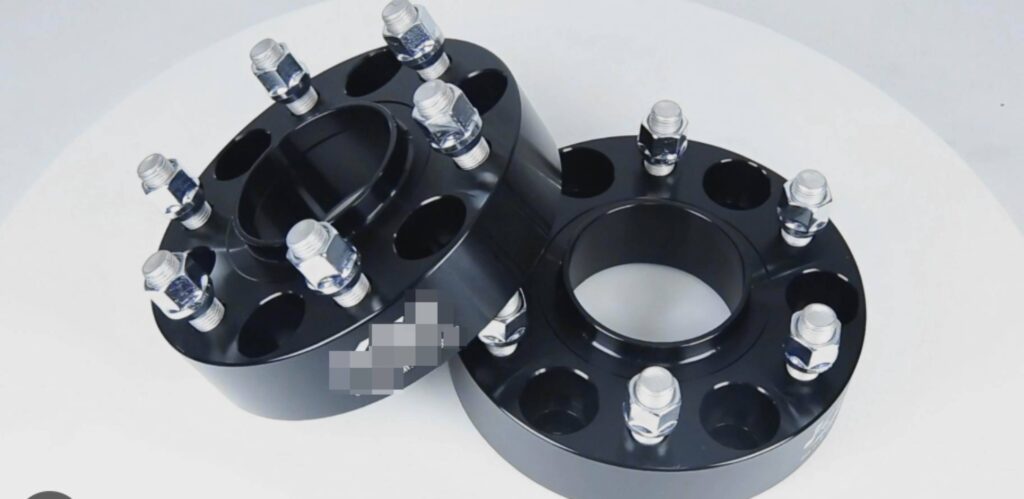
KSP Performance offers aftermarket wheel spacers designed for various trucks, SUVs, and passenger vehicles. Depending on the model, these spacers feature aluminum construction, hub-centric configurations, and bolt-on mounting systems that reposition the wheels farther from the vehicle’s hubs. Their primary purpose is to change wheel positioning, although the effects on handling, clearance, and component loads vary by vehicle setup.
This KSP wheel spacers review examines construction quality, advantages and disadvantages, daily driving safety, vehicle compatibility, installation requirements, and pricing. It also compares KSP with Bora and Rough Country wheel spacers to help buyers evaluate alternatives. By examining these factors, drivers can determine whether KSP wheel spacers meet their fitment requirements, driving conditions, and budget.
Are KSP Wheel Spacers Good Quality?
KSP wheel spacers offer several construction features associated with quality aftermarket wheel spacers, including aluminum alloy construction, precision machining, and hub-centric designs on compatible models. Their quality depends on three main factors: material strength, dimensional accuracy, and mounting hardware reliability. These factors determine how securely the spacers fit between the vehicle’s wheel hubs and wheels under normal driving conditions.
Aluminum construction is one of the primary features of KSP wheel spacers. KSP markets aluminum alloy spacers for various vehicle applications, with material specifications varying by product. Aluminum provides a combination of relatively low weight and corrosion resistance, making it suitable for automotive wheel spacer applications when the alloy and component design meet the required loads. However, an advertised aluminum grade alone does not establish a spacer’s fatigue resistance or long-term durability. Those characteristics also depend on machining quality, fastener strength, and operating conditions.
Hub-centric fitment is another important quality consideration. KSP offers hub-centric wheel spacer configurations designed to match specific vehicle hub dimensions. A properly matched center bore helps position the spacer concentrically on the hub, while correctly installed mounting hardware provides the clamping force needed to secure the assembly. Incorrect center-bore dimensions, uneven mounting surfaces, or incompatible wheel designs can contribute to installation problems and vibration. Buyers should verify both the vehicle-side and wheel-side dimensions rather than assuming that matching bolt patterns guarantee compatibility.
Durability also depends on surface protection and hardware condition. Anodized aluminum surfaces help resist corrosion, while properly specified studs and lug nuts maintain the mechanical connection between the wheel and hub. Road salt, moisture, repeated wheel removal, and improper tightening can affect these components over time. KSP wheel spacers should therefore be evaluated by their exact product specifications, fitment requirements, and available long-term performance evidence rather than appearance alone.
What Are the Pros and Cons of KSP Wheel Spacers?
KSP wheel spacers provide three main potential advantages: increased wheel clearance in specific configurations, a wider vehicle stance, and an alternative to purchasing different-offset wheels. Their principal disadvantages involve compatibility requirements, installation complexity, and changes to wheel geometry. Whether these trade-offs are acceptable depends on the vehicle, spacer thickness, and intended driving conditions.
What Are the Advantages of KSP Wheel Spacers?
The primary advantage of KSP wheel spacers is their ability to move the wheels outward without replacing the existing rims. A 1.5-inch spacer, for example, moves the wheel mounting position outward by approximately 38.1 mm. This changes the effective wheel offset and creates a wider stance, which some drivers prefer for appearance or specific wheel and tire configurations.
KSP wheel spacers can also increase clearance between the inner wheel or tire and certain suspension components. This is useful when a wheel or tire combination sits too close to an upper control arm or another component on the inboard side. However, moving the wheel outward reduces outer fender clearance and may introduce tire rubbing during steering or suspension compression. Spacer thickness must therefore be selected using actual vehicle measurements.
Another advantage is the availability of vehicle-specific spacer configurations. Matching the correct bolt pattern, center bore, and thread specifications allows buyers to retain compatible factory or aftermarket wheels while adjusting their position. This approach can cost less than replacing an entire wheel set, although the total value depends on the spacer kit price and installation requirements.
What Are the Disadvantages of KSP Wheel Spacers?
The main disadvantage of KSP wheel spacers is that incorrect fitment or installation introduces additional mechanical risks. Bolt-on spacers create an additional mounting interface between the wheel and vehicle hub. Both interfaces require appropriate hardware, clean mating surfaces, and correct tightening procedures. Improper installation can result in vibration, fastener loosening, or wheel attachment failure.
Wheel spacers also change the wheel’s position relative to the suspension and steering components. Moving the tire contact patch outward can alter scrub radius and increase leverage on wheel bearings compared with the original wheel position. The actual effect depends on spacer thickness, wheel offset, suspension geometry, vehicle weight, and driving conditions. These changes should not be interpreted as proof that every spacer installation causes premature bearing failure.
Compatibility limitations are another concern. Factory wheel studs may protrude beyond the spacer mounting surface, and some wheels lack the necessary recesses to accommodate them. A spacer can also match the vehicle’s bolt pattern while having an incompatible center bore or unsuitable lug nuts. These problems require correction before installation, not additional tightening to force the components together.
| Advantages | Disadvantages |
|---|---|
| Moves wheels outward without replacing rims | Changes wheel offset and suspension loading |
| Can improve inner tire or suspension clearance | May reduce fender clearance |
| Creates a wider wheel stance | Requires precise vehicle and wheel compatibility |
| Offers different vehicle-specific configurations | Adds another mounting interface |
| May cost less than purchasing new wheels | Requires correct installation and periodic inspection |
Overall, KSP wheel spacers offer practical wheel-positioning benefits, but their advantages depend on selecting a compatible model and installing it correctly. Buyers should prioritize verified dimensions, hardware specifications, and vehicle requirements over cosmetic appearance or price alone.
Are KSP Wheel Spacers Safe for Daily Driving?
KSP wheel spacers can be suitable for daily driving when the specific spacer model is compatible with the vehicle, correctly installed, and regularly inspected. Their safety depends on four primary factors: hub fitment, mounting hardware, installation torque, and changes to wheel geometry. A properly installed wheel spacer maintains a secure mechanical connection between the wheel and hub, but incorrect installation can create serious wheel attachment risks.
KSP offers bolt-on wheel spacer configurations that attach to the vehicle’s existing wheel studs and provide separate studs for mounting the wheel. This design introduces two fastening interfaces instead of the single interface found on a vehicle without spacers. Both connections must meet the applicable torque, thread engagement, and seating requirements. The presence of an additional interface does not automatically make the assembly unsafe, but it increases the importance of correct installation and inspection.
Wheel vibration is one of the most recognizable symptoms of improper spacer fitment. Vibration can occur when the spacer does not sit flush against the hub, the center bore is incompatible, or corrosion and debris prevent even contact between mounting surfaces. For example, a spacer with an incorrectly sized center bore may not center as intended on the vehicle hub. This can contribute to wheel runout or vibration, particularly at highway speeds. However, vibration can also originate from tire imbalance, bent wheels, or other suspension problems, so the spacer should not be assumed to be the cause without inspection.
KSP wheel spacers can also change the loads acting on wheel bearings by moving the wheels outward. Increasing the distance between the tire contact patch and the original hub position changes the leverage applied to the bearing assembly. For example, installing a 1.5-inch spacer moves the wheel outward by 38.1 mm, producing a similar wheel-position change to reducing wheel offset by 38.1 mm. The resulting bearing loads depend on the vehicle’s suspension geometry, tire dimensions, vehicle weight, and driving conditions. This does not establish a specific reduction in bearing lifespan, but it is a mechanical consideration when selecting spacer thickness.
Wheel studs and lug nuts represent another critical safety factor. Insufficient thread engagement, incompatible lug nut seats, and incorrect tightening torque can compromise wheel retention. On some bolt-on spacer installations, the original wheel studs extend beyond the spacer’s outer mounting surface. These protruding studs must fit within suitable wheel recesses or be addressed using a manufacturer-approved solution. The wheel must sit completely flush against the spacer without interference.
Proper installation requires clean mounting surfaces, compatible fasteners, and a calibrated torque wrench. The manufacturer’s instructions and vehicle-specific requirements should determine the tightening procedure rather than a universal torque value. Wheel fasteners should be inspected and rechecked according to the applicable installation instructions, particularly after initial use.
Overall, KSP wheel spacers should not be considered universally safe or unsafe based on brand name alone. Their suitability for daily driving depends on verified fitment, correct mounting procedures, appropriate spacer thickness, and the condition of the vehicle’s wheel and suspension components. Drivers who cannot confirm these requirements should seek a qualified automotive technician before installing wheel spacers.
What Vehicles Are Compatible With KSP Wheel Spacers?
KSP wheel spacers are available for various trucks, SUVs, Jeeps, and passenger vehicles, but compatibility depends on the specific vehicle and spacer configuration. The five essential fitment requirements are bolt pattern, center bore diameter, wheel stud thread specifications, spacer thickness, and wheel mounting surface design. Matching the vehicle’s make and model alone does not guarantee proper installation.
KSP offers wheel spacer products for applications involving vehicles such as the Toyota Tacoma, Ford F-150, Jeep Wrangler, and Chevrolet Silverado. However, fitment varies by model year, trim level, drivetrain, and wheel configuration. For example, a wheel spacer designed for one Toyota Tacoma generation may not fit another generation because the bolt pattern or hub dimensions differ. Buyers must confirm the exact product specifications against their vehicle rather than relying on a general compatibility listing.
Bolt pattern and center bore dimensions are the first measurements to verify. The bolt pattern describes the number of mounting holes and the diameter of the circle passing through their centers. A 6×139.7 mm bolt pattern, for example, identifies six mounting holes arranged on a 139.7 mm bolt circle. The center bore determines how the spacer fits around the vehicle’s hub. A hub-centric spacer must match the relevant hub dimensions and provide a compatible mounting surface for the wheel. Even when the bolt pattern matches, an incorrect center bore can prevent proper installation or compromise wheel centering.
Spacer thickness determines how far the wheel moves outward from its original mounting position. Common aftermarket spacer thicknesses include 1 inch (25.4 mm), 1.5 inches (38.1 mm), and 2 inches (50.8 mm), although availability must be confirmed for the selected KSP product. Thicker spacers produce a more noticeable stance change but also increase the likelihood of outer fender interference and changes to steering geometry.
Wheel spacer thickness directly changes effective wheel offset. For example, installing a 25 mm spacer on a wheel with a +35 mm offset produces an effective offset of approximately +10 mm. This moves the wheel outward by 25 mm without changing the wheel itself. A 38.1 mm spacer on the same wheel would produce an effective offset of approximately -3.1 mm. These calculations describe wheel positioning, not confirmation that the resulting setup will clear the vehicle’s fenders or suspension.
| Spacer Thickness | Outward Wheel Movement | Effective Offset From +35 mm |
|---|---|---|
| 1 inch (25.4 mm) | 25.4 mm | +9.6 mm |
| 1.5 inches (38.1 mm) | 38.1 mm | -3.1 mm |
| 2 inches (50.8 mm) | 50.8 mm | -15.8 mm |
Before purchasing KSP wheel spacers, drivers should also check the factory wheel studs, lug nut seating surfaces, brake component clearance, and available space inside the wheel. The wheel must sit flush against the spacer without interference from protruding studs or incompatible hardware. Correct fitment requires checking these dimensions together rather than selecting a spacer based only on the desired appearance.
How Do KSP Wheel Spacers Perform in Real-World Driving?
KSP wheel spacers change real-world driving characteristics primarily by increasing track width and altering wheel position relative to the suspension and steering system. Their effects depend on spacer thickness, tire dimensions, wheel offset, vehicle geometry, and driving conditions. Although a wider stance changes the vehicle’s appearance and mechanical geometry, it does not automatically produce better handling, traction, or stability.
During everyday driving, wheel spacers move the tire contact patches farther outward. Installing 1.5-inch spacers on both sides of an axle, for example, increases the track width by approximately 3 inches (76.2 mm), assuming the wheel and tire configuration remains unchanged. A wider track can influence lateral load transfer during cornering, but the resulting handling characteristics also depend on suspension design, tire grip, center of gravity, and vehicle weight distribution. Track width alone is not sufficient to predict a measurable improvement in cornering performance.
Steering behavior can change because moving the wheels outward alters the relationship between the tire contact patch and steering axis. This affects scrub radius, which influences steering feedback and the forces transmitted through the steering system. On some vehicles, a larger scrub radius can increase steering effort, road feedback, or sensitivity to uneven pavement. The magnitude of these effects varies by suspension geometry and cannot be determined from spacer thickness alone.
KSP wheel spacers can also serve a practical purpose in off-road wheel and tire setups. Moving the wheels outward may increase clearance between the inner tire sidewall and components such as upper control arms or suspension links. This becomes relevant when installing wider tires or wheels with an offset that positions them closer to the suspension. However, additional inner clearance comes at the expense of outer clearance, which can increase the risk of tire contact with fenders or bodywork during suspension compression.
Off-road suitability depends on the spacer’s specifications, mounting hardware, and compatibility with the vehicle’s operating conditions. Rough terrain exposes wheel assemblies to repeated impacts, vibration, and changing loads. These conditions make correct fastener installation and routine inspection especially important. Drivers should verify that the selected KSP spacer is appropriate for their intended application rather than assuming that all aluminum wheel spacers are designed for demanding off-road use.
Long-term driving performance also depends on maintenance. Mounting surfaces must remain properly seated, fasteners must retain the required clamping force, and the wheel assembly should be inspected when vibration, unusual noise, or steering changes occur. Any new vibration following spacer installation warrants inspection before continued driving.
Overall, KSP wheel spacers provide a direct method of adjusting wheel position for appearance and clearance requirements. Their real-world performance is best evaluated through correct fitment, predictable steering behavior, secure mounting, and compatibility with the vehicle’s intended use. Claims about improved handling or off-road performance require vehicle-specific testing rather than relying solely on the wider stance created by the spacers.
How Much Do KSP Wheel Spacers Cost?
KSP wheel spacer prices vary according to spacer thickness, vehicle compatibility, construction specifications, and the number of spacers included in the package. Pricing also depends on the retailer, available promotions, and whether the kit includes mounting hardware. Buyers should compare complete kits with equivalent specifications rather than judging value solely by the advertised purchase price.
Spacer thickness is one factor influencing cost. A 1-inch spacer and a 2-inch spacer require different amounts of material and may have different mounting requirements. However, thicker spacers are not necessarily more expensive in every product listing. Bolt patterns, hub-centric configurations, manufacturing specifications, and hardware packages also influence retail pricing.
The total cost of installing KSP wheel spacers includes more than the spacers themselves. Depending on the vehicle and product configuration, additional expenses may include professional installation, replacement hardware, or wheel fitment adjustments. For example, a spacer kit that requires different lug nuts or additional clearance checks may have a higher overall installation cost than its listed price suggests.
When comparing KSP with alternatives such as Bora and Rough Country, buyers should evaluate four purchasing factors: verified material specifications, vehicle-specific fitment, included hardware, and warranty terms. A lower-priced spacer is not necessarily a better value if it lacks the correct dimensions or requires additional components.
Current KSP wheel spacer prices should be checked through the manufacturer’s product listings or authorized retailers because pricing varies by application and seller. Without a verified current listing for a specific kit, assigning a universal price range would not provide an accurate buying comparison.
Are KSP Wheel Spacers Worth the Money?
KSP wheel spacers are worth considering for drivers who need a specific wheel-position adjustment and can verify that the selected spacer meets their vehicle’s fitment and installation requirements. Their primary value comes from moving existing wheels outward without purchasing an entirely new wheel set. However, the purchase decision should account for construction quality, mounting compatibility, safety requirements, and the intended driving application.
For drivers seeking a wider stance, KSP wheel spacers provide a straightforward mechanical solution. A 1.5-inch spacer moves each wheel outward by approximately 38.1 mm, changing the vehicle’s appearance and effective wheel offset. This approach allows owners to retain their existing wheels while achieving a different position within the wheel arches. The benefit is most relevant when the resulting wheel placement remains compatible with the vehicle’s steering, suspension, and body clearance.
KSP wheel spacers may also be a practical option for drivers addressing specific inner wheel or tire clearance problems. For example, moving a tire outward can increase the distance between its inner sidewall and an upper control arm. However, the spacer must provide enough additional clearance without creating interference at the outer fender or during suspension movement. Wheel spacers should not be treated as a universal solution for oversized tires or incompatible wheel configurations.
KSP wheel spacers are less suitable for vehicles with unresolved fitment issues or owners who cannot meet the installation requirements. Incorrect center-bore dimensions, insufficient wheel stud clearance, incompatible lug nuts, and improper torque can compromise the wheel mounting assembly. Drivers who cannot verify these specifications should resolve the compatibility issues before purchasing or installing spacers.
Buyers should also consider the mechanical effects of moving the wheels outward. Changes in effective offset can alter steering geometry and wheel bearing loading, particularly when thicker spacers are installed. Drivers who prioritize retaining factory wheel geometry or avoiding additional mounting interfaces may prefer properly specified wheels with a suitable offset, subject to the same clearance and load considerations.
The overall verdict is that KSP wheel spacers are a reasonable option to evaluate for compatible vehicles, but their value cannot be established by brand reputation or advertised features alone. A sound purchase decision requires verified product specifications, correct vehicle fitment, appropriate mounting hardware, and consideration of the driving conditions. Independent durability testing and comparable product-specific evidence would be needed to establish whether KSP offers better long-term value than competing brands.
How Do You Install KSP Wheel Spacers Correctly?
Installing KSP wheel spacers correctly requires verifying vehicle compatibility, preparing the mounting surfaces, securing the spacers with the specified hardware, and checking the completed wheel assembly. The installation procedure varies by spacer design and vehicle application. Bolt-on wheel spacers require particular attention because they introduce a separate connection between the original wheel hub and the wheel.
Before installation, confirm that the spacer’s bolt pattern, center bore, thread specifications, and thickness match the vehicle and wheel. Inspect the spacer for damaged threads, irregular mounting surfaces, or defective hardware. The wheel must also provide sufficient clearance for any original studs extending beyond the spacer’s outer surface. A matching bolt pattern alone does not establish complete compatibility.
Clean, flat mounting surfaces are essential for maintaining proper wheel attachment. Dirt, rust buildup, and debris between the spacer and hub can prevent full contact and affect the distribution of clamping force. The spacer should seat flush against the hub without rocking or interference. Mounting surfaces and fasteners must be prepared according to the manufacturer’s instructions, including any restrictions on lubricants or anti-seize compounds.
For bolt-on KSP wheel spacers, the spacer is secured to the original hub using the appropriate supplied or specified hardware. The wheel is then mounted to the spacer’s studs. Both connections require the correct fastener type, seating geometry, thread engagement, and tightening procedure. A calibrated torque wrench should be used to apply the torque specified for the exact spacer and vehicle configuration. Universal torque values should not replace the applicable manufacturer instructions.
After installation, verify that the wheel sits completely flush against the spacer and rotates without interference. Check clearance around brake components, suspension parts, and bodywork throughout the relevant steering and suspension movement. The fasteners should be rechecked at the intervals specified by the spacer manufacturer. Any unusual vibration, clicking, or change in steering behavior requires inspection before further driving.
Professional installation is advisable when the vehicle has unusual wheel hardware, uncertain fitment, or insufficient stud clearance. Correct installation is necessary for safe operation, but it does not compensate for an incompatible spacer design or unsuitable wheel configuration.
Read more: Quality Lubrication Oil Change and Auto Center Reviews
How Do KSP Wheel Spacers Compare With Other Brands?
KSP wheel spacers should be compared with Bora and Rough Country using equivalent product specifications rather than brand names alone. The most relevant comparison criteria are material construction, hub-centric fitment, available thicknesses, mounting hardware, vehicle compatibility, pricing, and warranty coverage. These factors determine whether a particular spacer kit meets the vehicle’s requirements and provides acceptable value.
KSP vs. Bora Wheel Spacers: What Are the Differences?
The main purchasing distinction between KSP and Bora wheel spacers is the need to compare KSP’s vehicle-specific catalog options with Bora’s available fitment configurations and ordering specifications. Both brands serve buyers seeking aftermarket wheel-position adjustments, but their exact product dimensions, hardware packages, and available configurations must be checked individually.
Bora wheel spacers are associated with vehicle-specific and custom-fitment applications. This makes them relevant to buyers who need particular bolt patterns, center bores, or thicknesses. KSP offers aftermarket spacer configurations for multiple vehicle applications, making product availability and compatibility important starting points for comparison.
Construction quality should be assessed through documented material grades, machining tolerances, hardware specifications, and manufacturer guidance. A hub-centric design is valuable only when its dimensions correctly match the intended hub and wheel assembly. Neither a custom-fitment offering nor an advertised aluminum alloy grade independently proves superior durability.
Buyers should compare the complete delivered price, included hardware, manufacturing information, warranty terms, and installation requirements for equivalent kits. Without independent testing of comparable KSP and Bora models, neither brand can be declared categorically stronger or safer.
KSP vs. Rough Country Wheel Spacers: What Are the Differences?
KSP and Rough Country wheel spacers are competing aftermarket options for changing wheel position, particularly in truck and SUV applications. Their suitability depends on the exact vehicle fitment, spacer dimensions, mounting hardware, and intended use rather than a general assumption that one brand performs better.
Rough Country offers automotive aftermarket products associated with truck, Jeep, and off-road modifications. Its wheel spacer offerings are relevant to drivers modifying wheel stance or clearance on supported vehicles. KSP also provides spacer configurations for various truck and SUV applications. Buyers should verify current product availability because supported bolt patterns, hub dimensions, and spacer thicknesses differ across listings.
The two brands should be compared using equivalent spacer thicknesses and mounting designs. For example, a hub-centric 1.5-inch spacer should not be evaluated as mechanically equivalent to a lug-centric spacer of a different thickness simply because both products fit the same vehicle’s bolt pattern. Center-bore compatibility, stud specifications, wheel seating, and installation instructions remain essential comparison points.
Warranty coverage, retailer support, included hardware, and total purchase cost can also influence the decision. However, verified product specifications and independent durability evidence are necessary before assigning either brand an advantage in strength, reliability, or long-term safety.
| Comparison Factor | KSP | Bora | Rough Country |
|---|---|---|---|
| Product category | Aftermarket wheel spacers | Aftermarket wheel spacers | Aftermarket wheel spacers |
| Fitment approach | Vehicle-specific configurations | Vehicle-specific and custom-fitment options | Vehicle-specific configurations |
| Hub-centric options | Available on selected products | Depends on configuration | Depends on product |
| Thickness | Varies by product | Varies by configuration | Varies by product |
| Mounting hardware | Verify selected kit | Verify selected kit | Verify selected kit |
| Current pricing | Check exact listing | Check exact listing | Check exact listing |
| Long-term durability | Requires comparable test evidence | Requires comparable test evidence | Requires comparable test evidence |
Overall, KSP, Bora, and Rough Country should be evaluated against the same vehicle and wheel specifications. The best choice is the spacer kit that provides verified compatibility, suitable hardware, clear installation instructions, and acceptable total cost. Brand positioning alone does not establish a measurable advantage in safety or performance.
What Are the Alternatives to Using KSP Wheel Spacers?
The three main alternatives to KSP wheel spacers are aftermarket wheels with different offsets, wheels with vehicle-specific fitment, and suspension or clearance modifications. Each option changes wheel positioning or addresses clearance problems differently. The best alternative depends on whether the driver wants a wider stance, additional tire clearance, or a wheel setup that maintains the vehicle’s original mounting configuration.
Aftermarket wheels with a lower offset provide the most direct alternative to wheel spacers. Reducing positive wheel offset moves the wheel outward without adding another mounting interface between the wheel and hub. For example, replacing a +35 mm offset wheel with a +10 mm offset wheel moves the wheel outward by 25 mm, assuming the wheel width remains unchanged. This produces the same nominal outward positioning change as installing a 25 mm spacer on the original wheel. However, the new wheels must still meet the vehicle’s load rating, bolt pattern, center bore, brake clearance, and lug nut requirements.
Vehicle-specific aftermarket wheels offer another solution for drivers seeking a different stance or tire fitment. Wheels designed with appropriate width, offset, and mounting specifications can provide the desired positioning without separate spacers. This approach is useful when replacing worn wheels or upgrading to a different wheel and tire combination. However, purchasing a complete wheel set generally requires a greater initial investment than purchasing spacers, and incorrect wheel specifications can introduce the same clearance and geometry problems.
Suspension and clearance modifications provide a third alternative when the primary concern is tire interference rather than wheel appearance. Depending on the vehicle, appropriate suspension components or manufacturer-approved clearance adjustments may help accommodate a specific tire setup. These modifications require careful evaluation because suspension changes do not automatically resolve wheel offset problems and may affect alignment, steering geometry, or component loads.
Overall, KSP wheel spacers remain a practical option when drivers want to retain compatible existing wheels while adjusting their outward position. Aftermarket wheels are worth considering when a permanent wheel configuration change is preferred, while suspension modifications are more relevant to specific clearance requirements. The final choice should prioritize verified fitment, mechanical compatibility, installation safety, and total cost.