Imagine starting your Subaru on a normal morning commute only to find that the touchscreen has frozen, the radio keeps rebooting, or the backup camera suddenly stops working. While these issues may seem like minor inconveniences at first, they can quickly become frustrating and, in some cases, raise important safety concerns.
In recent years, Subaru has faced multiple infotainment and radio-related issues affecting several popular vehicle models. Complaints from owners have included unresponsive touchscreens, system crashes, audio failures, Bluetooth connectivity problems, and malfunctioning backup camera displays. As vehicles become increasingly dependent on integrated multimedia systems, these defects can impact much more than entertainment features.
To address these concerns, Subaru has issued a number of recalls, software updates, and service campaigns targeting affected radio and STARLINK infotainment systems. However, many owners remain unaware that their vehicle may qualify for a free repair or software update.
This guide provides a complete overview of the Subaru Radio Recall, including the models affected, the most commonly reported symptoms, the reasons behind the recalls, and the steps owners can take to determine whether their vehicle is eligible for repairs. If you own a Subaru Outback, Forester, Crosstrek, Legacy, Impreza, WRX, or Ascent, understanding these recalls could save you time, money, and unnecessary frustration.
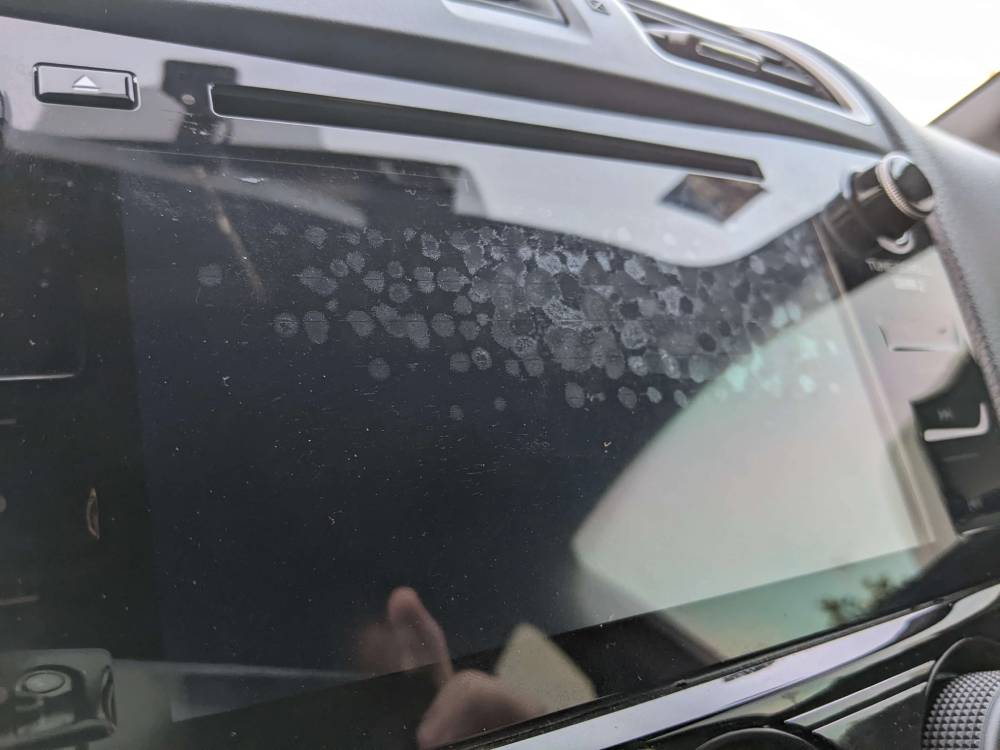
What Is the Subaru Radio Recall?
The Subaru Radio Recall refers to a series of recalls, service campaigns, and software updates issued by Subaru to address problems affecting radio and infotainment systems in certain vehicles. Modern Subaru infotainment systems do much more than play music. They are responsible for managing navigation, smartphone connectivity, voice commands, vehicle settings, and backup camera displays.
As reports from vehicle owners increased, Subaru began investigating issues involving touchscreen malfunctions, software instability, and communication errors within the STARLINK multimedia platform. In some cases, these defects could interfere with safety-related functions, particularly when backup camera images failed to display properly.
It is important to understand that not every infotainment issue results in an official recall. Some problems are addressed through Technical Service Bulletins, commonly known as TSBs, while others may be covered under warranty extensions. However, when a defect poses a potential safety risk or affects a large number of vehicles, Subaru may issue a formal recall requiring dealerships to perform repairs at no cost to the owner.
The growing complexity of modern vehicle electronics means that software-related problems can have a significant impact on the driving experience. This is why Subaru has continued to release updates and corrective measures to improve system reliability and customer satisfaction.
Common Radio Problems Reported by Subaru Owners
Thousands of Subaru owners have reported infotainment system issues across multiple model years. While the exact symptoms vary depending on the vehicle and software version, several recurring problems appear consistently in customer complaints.
One of the most frequently reported issues is touchscreen freezing. Drivers often describe situations where the screen becomes completely unresponsive, making it impossible to access navigation, audio controls, climate settings, or connected smartphone applications. In some cases, the system may respond several seconds after a command is entered, creating a frustrating user experience.
Another common complaint involves continuous rebooting. The infotainment system may restart unexpectedly while driving, causing temporary loss of audio, navigation guidance, and Bluetooth connectivity. Repeated reboot cycles can make the system unreliable and difficult to use on a daily basis.
Audio failures have also been widely reported. Some owners experience complete loss of sound from the speakers, while others encounter intermittent audio interruptions during phone calls, music streaming, or radio playback.
Backup camera problems have generated particular concern because of their potential safety implications. Drivers have reported black screens, delayed camera activation, distorted images, and camera displays that fail to appear when the vehicle is placed in reverse.
Battery drain issues have also been linked to certain infotainment system defects. In these situations, electronic components may remain active after the vehicle is turned off, leading to unexpected battery discharge and starting difficulties.
These recurring complaints played a significant role in prompting investigations and corrective actions from Subaru.
Complete List of Subaru Models Affected by Radio Recalls
Several Subaru vehicles have been associated with radio and infotainment system recalls, service campaigns, or software updates over the years. The scope of each campaign varies depending on model year, multimedia system configuration, and the specific issue involved.
Subaru Outback
The Subaru Outback is among the models most frequently associated with infotainment-related complaints. Owners have reported touchscreen freezing, system reboots, Bluetooth connection failures, and backup camera display issues. Various software updates have been released to improve system stability and functionality.
Subaru Legacy
Many Subaru Legacy vehicles equipped with STARLINK multimedia systems have experienced similar problems. Common complaints include slow system performance, unresponsive controls, and unexpected software crashes. Dealers have often addressed these issues through system reprogramming and software updates.
Subaru Forester
The Subaru Forester has also been included in certain infotainment-related service campaigns. Drivers have reported touchscreen lag, connectivity problems with Apple CarPlay and Android Auto, and occasional display failures. Software revisions have been implemented to address these concerns.
Subaru Crosstrek
Owners of the Subaru Crosstrek have reported infotainment system glitches ranging from random restarts to audio interruptions and touchscreen responsiveness issues. Depending on the model year, some vehicles have received updated software designed to improve overall performance.
Subaru Impreza
Several Impreza owners have experienced recurring radio malfunctions, including loss of audio, frozen displays, and system instability. Subaru has issued corrective updates aimed at reducing these failures and enhancing user experience.
Subaru WRX
The performance-oriented WRX has not been immune to infotainment concerns. Reports have included software bugs, Bluetooth pairing difficulties, and occasional touchscreen freezes. Dealers have addressed many of these issues through software updates and diagnostic inspections.
Subaru Ascent
The Subaru Ascent has generated a significant number of complaints related to large touchscreen systems. Some owners reported system crashes, delayed responses, and backup camera irregularities. Because of the vehicle’s family-oriented design and reliance on safety technology, these issues attracted considerable attention and prompted corrective actions.
Why Did Subaru Issue These Radio Recalls?
Understanding the reasons behind Subaru radio recalls helps owners recognize why these issues are taken seriously by both manufacturers and regulators. While many drivers initially view infotainment problems as minor annoyances, certain defects can affect critical vehicle functions and create safety concerns.
One of the most common causes involves software defects within the STARLINK multimedia system. Modern infotainment platforms operate using complex software that controls numerous vehicle features simultaneously. Programming errors, memory management problems, and compatibility conflicts can lead to system freezes, delayed responses, unexpected restarts, and complete software crashes.
Hardware failures have also contributed to certain recall campaigns. In some cases, the head unit itself may contain defective internal components that deteriorate over time. These failures can result in display malfunctions, audio loss, connectivity issues, or complete system shutdowns. When hardware defects affect a significant number of vehicles, manufacturers often determine that replacement is the most effective solution.
Communication errors between vehicle modules represent another potential source of problems. Modern vehicles rely on constant data exchange between electronic systems. If communication pathways become disrupted, the infotainment system may fail to receive or process critical information correctly, leading to operational instability.
Backup camera functionality has been a particularly important factor in several investigations. Federal safety regulations require vehicles equipped with backup cameras to display a clear image when reversing. If software or hardware failures prevent the camera from functioning properly, manufacturers may be required to initiate corrective actions to maintain compliance with safety standards.
For many owners, the biggest challenge is recognizing that a malfunctioning infotainment system may qualify for a free repair. Some drivers spend hundreds of dollars troubleshooting issues that are ultimately covered by recall programs or service campaigns.
How to Check If Your Subaru Is Included in a Recall
If you own a Subaru and are experiencing radio or infotainment problems, the first step is determining whether your vehicle is included in an active recall or service campaign. Fortunately, the process is relatively simple and can be completed in just a few minutes.
Begin by locating your Vehicle Identification Number, commonly referred to as the VIN. This seventeen character number can typically be found on the driver’s side dashboard near the windshield, inside the driver’s door frame, or on your vehicle registration documents.
Once you have your VIN, visit Subaru’s official recall lookup tool or the vehicle safety recall database maintained by transportation authorities in your country. Enter the VIN exactly as it appears on your vehicle documentation.
After submitting the VIN, the system will display any open recalls, safety campaigns, or service actions associated with your vehicle. If your Subaru is affected, you will usually find information about the nature of the defect, the corrective action available, and instructions for scheduling repairs.
Even if you have not received a recall notification letter, it is still worth performing a VIN search. Vehicle ownership records may not always be current, especially for second-hand vehicles. Many owners discover open recalls years after purchasing their vehicle.
If an active recall is listed, contact an authorized Subaru dealership to arrange an appointment. Dealership personnel can verify eligibility, explain the repair process, and answer any questions regarding parts availability or estimated service time.
Checking your VIN regularly is one of the easiest ways to stay informed about vehicle safety updates and ensure that your Subaru continues operating as intended.
What Happens During a Subaru Radio Recall Repair?
Many vehicle owners hesitate to schedule recall appointments because they are unsure what to expect. Fortunately, most Subaru radio recall repairs are straightforward and are performed by trained dealership technicians at no cost to eligible owners.
In many cases, the repair process begins with a diagnostic inspection. Technicians connect specialized equipment to the vehicle and evaluate the current software version, system performance, and any stored fault codes. This helps determine whether a software update alone will resolve the problem.
For software-related recalls, technicians typically install updated programming developed by Subaru engineers. These updates are designed to improve system stability, eliminate known bugs, enhance compatibility with mobile devices, and correct issues affecting touchscreen performance or backup camera operation.
When hardware defects are involved, the dealership may replace the infotainment head unit or other affected components. Replacement parts are supplied according to Subaru’s recall procedures and are installed using manufacturer-approved guidelines.
After repairs are completed, technicians conduct a series of tests to verify proper operation. They may check touchscreen responsiveness, Bluetooth connectivity, navigation functions, audio performance, smartphone integration, and backup camera display quality. The goal is to ensure that the system performs reliably under normal operating conditions.
Repair times vary depending on the complexity of the recall and parts availability. Software updates may take less than an hour, while hardware replacements can require additional time. Most dealerships will provide an estimated completion time when the appointment is scheduled.
For owners experiencing persistent infotainment issues, completing recall repairs can significantly improve daily usability and restore confidence in the vehicle’s electronic systems.
Frequently Asked Questions About Subaru Radio Recalls
Is the Subaru Radio Recall Free?
Yes. If your vehicle is covered by an official recall, Subaru will perform the required repair or software update at no cost to the owner. Recall-related repairs are separate from standard warranty coverage and generally remain available regardless of vehicle age or mileage.
Can I Continue Driving My Subaru Before the Repair?
In most cases, you can continue driving the vehicle. However, if the infotainment issue affects safety-related functions such as the backup camera display, scheduling a repair as soon as possible is strongly recommended. Safety features play an important role in reducing the risk of accidents and should not be ignored.
Will a Software Update Fix Every Radio Problem?
Not always. Some infotainment issues are caused by software defects and can be resolved through reprogramming. Others may involve hardware failures that require component replacement. A dealership inspection is often necessary to determine the exact cause.
Does a Recall Expire?
Official safety recalls typically do not expire. Even if a recall was announced years ago, eligible vehicles can usually still receive the corrective repair. This is one reason why checking your VIN periodically is important, especially if you purchased the vehicle used.
Can a Second Owner Receive Recall Repairs?
Yes. Recall eligibility is generally linked to the vehicle rather than the owner. Whether you purchased your Subaru new or used, you may still qualify for free recall repairs if an open recall exists.
What Should I Do If My Vehicle Is Experiencing Problems but No Recall Appears?
If your VIN search does not reveal an active recall, contact an authorized Subaru dealership. Some issues may be covered by technical service bulletins, warranty extensions, or customer satisfaction programs rather than formal recalls.
Which Subaru Models Have Been Most Commonly Associated With Radio Issues?
Reports have frequently involved the Subaru Outback, Legacy, Forester, Crosstrek, Impreza, WRX, and Ascent. However, affected model years and system configurations vary, making VIN verification essential.
How Long Does a Recall Repair Usually Take?
Simple software updates can often be completed within an hour. More extensive repairs involving hardware replacement may require additional time depending on parts availability and dealership workload.
Conclusion
The Subaru Radio Recall has affected a variety of popular Subaru models, highlighting the growing importance of reliable infotainment technology in modern vehicles. What was once a simple radio system has evolved into a central control hub responsible for navigation, smartphone integration, communication functions, and safety-related features such as backup cameras.
Owners have reported a wide range of problems, including touchscreen freezing, repeated system reboots, audio failures, connectivity issues, and camera display malfunctions. In response, Subaru has introduced recalls, software updates, and service campaigns aimed at improving system performance and addressing potential safety concerns.
If you own a Subaru Outback, Forester, Crosstrek, Legacy, Impreza, WRX, or Ascent, taking a few minutes to verify your vehicle’s recall status can be extremely valuable. A simple VIN check may reveal repair options that could save you significant time, expense, and frustration.
Staying informed about recalls is one of the easiest ways to protect your investment and ensure your vehicle continues operating safely and reliably. Whether your Subaru is experiencing obvious infotainment problems or appears to be functioning normally, regular recall checks remain an important part of responsible vehicle ownership.
Before your next drive, consider checking your VIN and confirming that your Subaru is up to date with all applicable recall repairs. A few minutes today could prevent much larger problems in the future.