Subaru has built a strong reputation for producing reliable vehicles with excellent all wheel drive performance, impressive safety ratings, and engines capable of lasting hundreds of thousands of miles. However, one issue has consistently raised concerns among owners and potential buyers alike: Subaru head gasket problems.
For many years, certain Subaru models equipped with the EJ25 engine became known for experiencing premature head gasket failures. What often starts as a minor coolant leak can quickly escalate into engine overheating, poor performance, and repair bills that can reach several thousand dollars. Unfortunately, many drivers do not recognize the warning signs until significant engine damage has already occurred.
If you own a Subaru, are considering purchasing a used model, or simply want to better understand this commonly discussed issue, knowing the causes and symptoms of head gasket failure is essential. Early detection can often mean the difference between a manageable repair and a complete engine rebuild.
In this comprehensive guide, we will examine the most common causes of Subaru head gasket problems, the warning signs every owner should watch for, the models most frequently affected, and the most effective repair and prevention strategies. By the end, you will have the knowledge needed to protect your vehicle and avoid costly surprises.
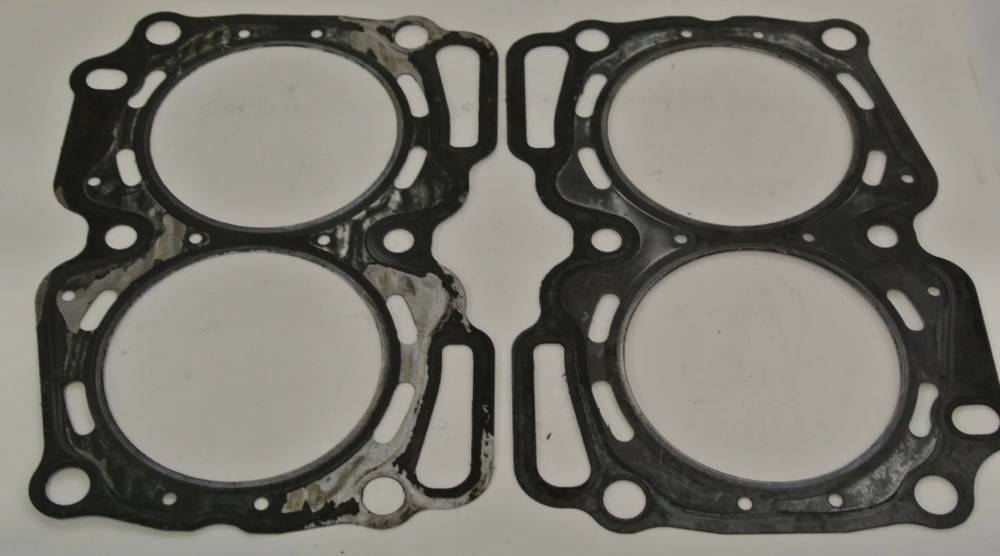
What Is a Head Gasket and Why Is It Important?
Before understanding Subaru head gasket problems, it is important to know what a head gasket does and why its failure can cause serious engine damage.
A head gasket is a critical sealing component located between the engine block and the cylinder head. Its primary function is to create a secure seal that keeps engine oil, coolant, and combustion gases separated while maintaining proper compression within the cylinders.
Although relatively inexpensive as a standalone part, the head gasket plays one of the most important roles in engine operation. When it begins to fail, a chain reaction of mechanical issues can quickly develop.
The Role of a Head Gasket
The head gasket serves several essential functions:
- Maintains combustion pressure inside the cylinders.
- Prevents coolant from entering the combustion chamber.
- Prevents engine oil and coolant from mixing.
- Helps regulate engine temperature by maintaining proper coolant flow.
- Ensures optimal engine efficiency and performance.
Without a properly functioning head gasket, the engine cannot maintain the conditions necessary for reliable operation.
What Happens When a Head Gasket Fails?
A damaged head gasket can create internal or external leaks. Depending on the severity of the failure, symptoms may appear gradually or develop suddenly.
Common consequences include:
- Engine overheating
- Coolant leaks
- Oil contamination
- Loss of compression
- Poor fuel economy
- Engine misfires
- Permanent engine damage
In severe cases, a blown head gasket can result in warped cylinder heads or complete engine failure, leading to repair costs that far exceed the price of replacing the gasket itself.
Why Are Subaru Head Gasket Problems So Common?
Among automotive enthusiasts, Subaru head gasket problems have become one of the most discussed reliability concerns. While not every Subaru is affected, certain generations and engine designs have experienced higher failure rates than many competing vehicles.
The EJ25 Engine Design
The issue is most commonly associated with Subaru’s naturally aspirated EJ25 engine, which was used in many Outback, Forester, Legacy, and Impreza models from the late 1990s through the late 2000s.
Several factors contributed to the problem:
- Composite gasket materials used in earlier engine designs
- Unique boxer engine architecture
- Repeated thermal expansion and contraction
- Long-term exposure to coolant and engine heat
The horizontally opposed boxer engine layout provides excellent balance and a lower center of gravity, but it also creates different stress patterns compared to traditional inline or V-shaped engines.
External Coolant Leaks
Unlike many head gasket failures that begin internally, older Subaru engines often develop external coolant leaks first.
Drivers may notice:
- Coolant residue around the cylinder heads
- A sweet coolant smell after driving
- Small coolant puddles beneath the vehicle
- Gradual coolant loss without obvious overheating
Because these leaks often start slowly, many owners overlook them until the problem worsens.
Heat Cycling and Engine Stress
Every engine expands when hot and contracts when cool. Over thousands of heating and cooling cycles, the head gasket material experiences significant stress.
Factors that accelerate wear include:
- High mileage
- Poor cooling system maintenance
- Frequent stop-and-go driving
- Overheating events
- Aging gasket materials
As the gasket weakens, its ability to maintain a proper seal decreases, eventually leading to coolant leaks, compression loss, or internal contamination.
One important fact often overlooked is that many Subaru engines continue to provide excellent reliability after receiving a properly executed head gasket replacement using upgraded multi-layer steel gaskets.
Common Symptoms of Subaru Head Gasket Problems
Recognizing the warning signs early can save Subaru owners thousands of dollars in repair costs. Many symptoms start subtly and become progressively worse over time.
Engine Overheating
Overheating is one of the most common indicators of head gasket failure.
Warning signs include:
- Temperature gauge rising above normal
- Frequent overheating during highway driving
- Coolant reservoir overflowing
- Cooling fans running constantly
Ignoring overheating can quickly damage other engine components and dramatically increase repair expenses.
White Smoke from the Exhaust
When coolant leaks into the combustion chamber, it burns along with fuel and air.
This often produces:
- Thick white exhaust smoke
- Sweet-smelling exhaust fumes
- Excessive vapor during engine operation
While condensation can create light vapor on cold mornings, persistent white smoke should never be ignored.
Unexplained Coolant Loss
Many owners first discover Subaru head gasket problems because they repeatedly need to add coolant.
Possible warning signs include:
- Low coolant levels
- Frequent coolant top-offs
- No visible external leak
- Overheating despite a full cooling system
This symptom often indicates an internal leak that is difficult to detect without proper testing.
Oil and Coolant Mixing
A failing head gasket may allow coolant and oil to mix.
Signs include:
- Milky residue under the oil cap
- Discolored engine oil
- Contaminated coolant reservoir
- Reduced lubrication performance
When this occurs, immediate diagnosis is essential because contaminated oil can severely damage engine bearings and internal components.
Bubbles in the Radiator
Combustion gases entering the cooling system can create excessive pressure.
Symptoms may include:
- Continuous bubbles in the radiator
- Overflowing coolant reservoir
- Increased cooling system pressure
- Intermittent overheating
Mechanics often use combustion gas testing to confirm this type of failure.
Rough Engine Performance
As compression leaks develop, engine performance often suffers.
Drivers may notice:
- Rough idle
- Engine misfires
- Reduced acceleration
- Lower fuel efficiency
- Check Engine Light activation
These symptoms frequently become more severe as the gasket deterioration progresses.
Subaru Models Most Commonly Associated with Head Gasket Problems
Although Subaru head gasket problems have received widespread attention over the years, not every Subaru model is equally affected. The issue is primarily linked to older vehicles equipped with naturally aspirated EJ25 engines produced between the late 1990s and early 2010s.
Understanding which models are most susceptible can help both current owners and used car buyers make informed decisions.
Subaru Outback
The Subaru Outback is perhaps the model most frequently associated with head gasket failures.
Commonly affected years include:
- 2000 to 2009 models
- Vehicles equipped with the 2.5L EJ25 engine
- Higher mileage examples exceeding 100,000 miles
Owners often report external coolant leaks as the first noticeable symptom. When detected early, repairs are usually less expensive than waiting for complete gasket failure.
Subaru Forester
The Forester’s popularity as a practical family SUV has made it one of the most discussed Subaru models regarding head gasket concerns.
Models most commonly affected include:
- 1999 to 2010 Forester
- Naturally aspirated 2.5L engines
- High-mileage vehicles with limited cooling system maintenance
Fortunately, many Foresters continue to perform reliably for years after receiving upgraded gasket replacements.
Subaru Legacy
The Legacy shares many mechanical components with the Outback, including the EJ25 engine used in numerous model years.
Potential warning signs include:
- Coolant seepage around cylinder heads
- Occasional overheating
- Unexplained coolant loss
Buyers considering a used Legacy should carefully review maintenance records and confirm whether head gasket service has already been performed.
Subaru Impreza
Certain Impreza models equipped with naturally aspirated EJ25 engines have also experienced head gasket issues.
However, failure rates vary depending on:
- Engine generation
- Maintenance history
- Driving conditions
- Cooling system condition
Turbocharged Subaru models often experience different reliability concerns and should be evaluated separately.
Models and Years Most Frequently Discussed
| Subaru Model | Commonly Affected Years | Engine |
|---|---|---|
| Outback | 2000–2009 | EJ25 |
| Forester | 1999–2010 | EJ25 |
| Legacy | 2000–2009 | EJ25 |
| Impreza | Selected Years | EJ25 |
It is important to remember that not every vehicle within these ranges will develop head gasket failure. Proper maintenance plays a significant role in long-term reliability.
How Mechanics Diagnose Subaru Head Gasket Failure
Because several symptoms of head gasket failure can resemble other engine problems, professional diagnosis is essential before beginning repairs.
Experienced technicians typically use multiple tests to confirm the condition of the gasket.
Cooling System Pressure Test
A pressure test evaluates the integrity of the cooling system.
This test can reveal:
- External coolant leaks
- Weak cooling system components
- Slow pressure loss
In many Subaru cases, external seepage around the cylinder heads becomes visible during testing.
Combustion Gas Test
One of the most reliable diagnostic methods is a combustion gas test.
This procedure checks for:
- Exhaust gases inside the cooling system
- Internal gasket leaks
- Combustion chamber sealing problems
A positive result strongly suggests head gasket failure.
Compression Test
Compression testing measures the pressure generated inside each cylinder.
Abnormal readings may indicate:
- Head gasket leaks
- Valve problems
- Piston ring wear
Technicians compare readings across all cylinders to identify inconsistencies.
Leak Down Test
A leak down test is often considered the most precise diagnostic tool.
During the procedure, compressed air is introduced into each cylinder while technicians monitor pressure loss.
This test can pinpoint:
- Exact leak locations
- Cylinder sealing efficiency
- Severity of engine damage
The combination of these diagnostic methods provides a highly accurate assessment of engine condition before major repairs begin.
Subaru Head Gasket Repair Options
Once head gasket failure has been confirmed, owners must decide how to proceed. Repair costs can be significant, but addressing the issue promptly often prevents far more expensive engine damage.
Head Gasket Replacement
The most effective long-term solution is complete head gasket replacement.
The process typically includes:
- Removing the engine or cylinder heads
- Inspecting mating surfaces
- Machining warped cylinder heads if necessary
- Installing new gaskets
- Reassembling the engine
Because of the labor involved, head gasket replacement is one of the more expensive engine repairs.
Upgraded Multi Layer Steel Gaskets
Modern repair procedures frequently utilize upgraded Multi Layer Steel (MLS) gaskets.
Advantages include:
- Greater durability
- Improved heat resistance
- Better sealing performance
- Longer service life
Many experts consider MLS gaskets a permanent solution when installed correctly.
Additional Components Commonly Replaced
Since much of the engine is already disassembled, many repair shops recommend replacing other wear items at the same time.
Common examples include:
- Timing belt
- Water pump
- Thermostat
- Camshaft seals
- Crankshaft seals
- Idler pulleys
- Tensioners
Although this increases the initial repair bill, it can significantly reduce future labor costs and improve long-term reliability.
Temporary Repair Products
Some owners consider head gasket sealants as a low-cost alternative.
While these products may temporarily reduce symptoms, they rarely provide a permanent fix.
Potential drawbacks include:
- Limited effectiveness
- Cooling system contamination
- Temporary results
- Increased risk of future engine damage
For most Subaru owners, professional gasket replacement remains the safest and most reliable solution.
How Much Does Subaru Head Gasket Repair Cost?
One of the biggest concerns for Subaru owners is the cost of repairing a failed head gasket. Unfortunately, because the repair requires extensive labor, it is rarely inexpensive.
The total cost can vary depending on the vehicle model, engine condition, location, and whether additional components need replacement during the repair process.
Typical Head Gasket Replacement Costs
For most Subaru models, owners can expect the following general price ranges:
| Repair Type | Estimated Cost |
|---|---|
| Basic Head Gasket Replacement | $1,500 to $2,500 |
| Complete Head Gasket Service Package | $2,500 to $4,000+ |
| Engine Replacement | $4,000 to $8,000+ |
Vehicles requiring cylinder head resurfacing, cooling system repairs, or timing component replacement may fall toward the higher end of these estimates.
Factors That Affect Repair Costs
Several variables influence the final repair bill:
Vehicle Model and Engine Type
Different Subaru models require varying levels of labor. Certain engines are easier to access, while others require significantly more disassembly.
Labor Rates
Repair costs can differ substantially between regions and service providers. Dealerships typically charge higher labor rates than independent Subaru specialists.
Additional Repairs
During inspection, technicians may discover related issues such as:
- Water pump failure
- Damaged radiator components
- Timing belt wear
- Warped cylinder heads
- Coolant contamination
Addressing these issues during the repair process often prevents future breakdowns.
Is the Repair Worth It?
For many owners, the answer is yes.
A well-maintained Subaru with a professionally repaired head gasket can continue operating reliably for many years. In many cases, repairing the vehicle is significantly more cost-effective than purchasing another car.
Owners should compare:
- Current vehicle value
- Overall vehicle condition
- Remaining lifespan
- Expected repair expenses
A trusted mechanic can help determine whether repair or replacement makes more financial sense.
Can Subaru Head Gasket Problems Be Prevented?
While no mechanical component lasts forever, proper maintenance can significantly reduce the likelihood of premature head gasket failure.
Many Subaru owners successfully reach 200,000 miles or more without experiencing major engine issues by following preventive maintenance practices.
Maintain the Cooling System
The cooling system plays a crucial role in head gasket longevity.
Important maintenance tasks include:
- Using manufacturer-recommended coolant
- Performing coolant flushes at recommended intervals
- Replacing worn hoses
- Monitoring coolant levels regularly
A healthy cooling system reduces thermal stress on engine components.
Monitor Engine Temperature
One overheating event can dramatically shorten head gasket life.
Drivers should never ignore:
- Rising temperature readings
- Warning lights
- Steam from the engine bay
- Unusual coolant odors
Immediate attention can prevent minor problems from becoming major repairs.
Repair Small Leaks Early
Minor coolant leaks often appear long before complete head gasket failure occurs.
Early repairs can help:
- Prevent overheating
- Reduce gasket stress
- Extend engine life
- Avoid expensive repairs
Routine inspections are often the easiest way to identify problems before they escalate.
Follow Recommended Maintenance Schedules
Regular maintenance remains one of the most effective ways to protect any engine.
This includes:
- Oil changes
- Cooling system inspections
- Timing belt service
- Thermostat replacement when needed
Consistent maintenance is often the difference between a reliable high-mileage Subaru and a costly repair project.
Are Subaru Head Gasket Problems Still an Issue Today?
One of the most common questions among prospective buyers is whether modern Subaru vehicles still suffer from the same head gasket issues that affected older models.
The short answer is: not to the same extent.
Improvements in Newer Subaru Engines
Over time, Subaru made significant engineering improvements to address historical reliability concerns.
These improvements include:
- Enhanced gasket materials
- Improved cooling system design
- Updated engine architecture
- Better manufacturing processes
Many newer Subaru vehicles utilize the FB-series engine family, which has demonstrated lower rates of head gasket failure compared to earlier EJ25 engines.
Modern Subaru Reliability
While no vehicle is completely immune to mechanical problems, modern Subaru models generally offer strong reliability when properly maintained.
Current owners are far less likely to experience the widespread head gasket failures that gave earlier Subaru models their reputation.
That said, regular maintenance remains essential for long-term engine health.
What Used Subaru Buyers Should Know
If you are considering purchasing an older Subaru, do not automatically dismiss a vehicle because of its reputation.
Instead, verify:
- Maintenance records
- Cooling system condition
- Previous head gasket repairs
- Professional inspection results
A Subaru that has already received upgraded head gaskets may actually represent a safer purchase than one that has never undergone the repair.
Conclusion
Subaru head gasket problems have become one of the most widely discussed reliability concerns in the automotive world. While the issue primarily affected older EJ25-powered models, its impact on Subaru’s reputation continues to influence buying decisions today.
Fortunately, understanding the causes, symptoms, and solutions can help owners avoid expensive surprises. Warning signs such as coolant loss, engine overheating, white exhaust smoke, and rough engine performance should never be ignored. Early diagnosis often prevents severe engine damage and significantly reduces repair costs.
For owners facing a head gasket failure, professional replacement using upgraded Multi Layer Steel gaskets remains the most reliable long-term solution. Although the repair can be costly, it often restores the vehicle’s dependability for many years.
The good news is that modern Subaru engines have benefited from substantial engineering improvements, making widespread head gasket failures far less common than they once were. Whether you currently own a Subaru or are shopping for a used one, proper maintenance and informed decision-making remain the keys to long-term reliability.
By recognizing Subaru head gasket problems early and addressing them promptly, you can protect your investment, extend engine life, and continue enjoying the performance and practicality that Subaru vehicles are known for.