Finding the Ford Ranger oil filter location is the first step toward performing a safe and efficient oil change. While many owners expect the oil filter to sit in the same position across every Ranger, its exact location varies depending on the engine configuration rather than the model year alone. Diesel and gasoline engines use different layouts, and newer generations often package engine components more tightly to improve performance and emissions. As a result, locating the oil filter without understanding your engine type can lead to unnecessary disassembly or confusion.
In most Ford Ranger models, the oil filter is mounted on the lower side of the engine block or attached to an oil filter housing that is accessible from underneath the vehicle. Some engines provide relatively open access after removing the front splash shield, while others require working through tighter spaces around the suspension or crossmember. Identifying the correct filter before beginning maintenance helps prevent accidental removal of nearby components such as the fuel filter or transmission filter.
This guide explains the oil filter location for every major Ford Ranger engine, including both gasoline and diesel variants. It also covers the safest way to access the filter, the tools commonly required for removal, the replacement process, and the most common mistakes to avoid. By the end of this guide, you will be able to locate the correct oil filter confidently and complete routine maintenance with greater accuracy.
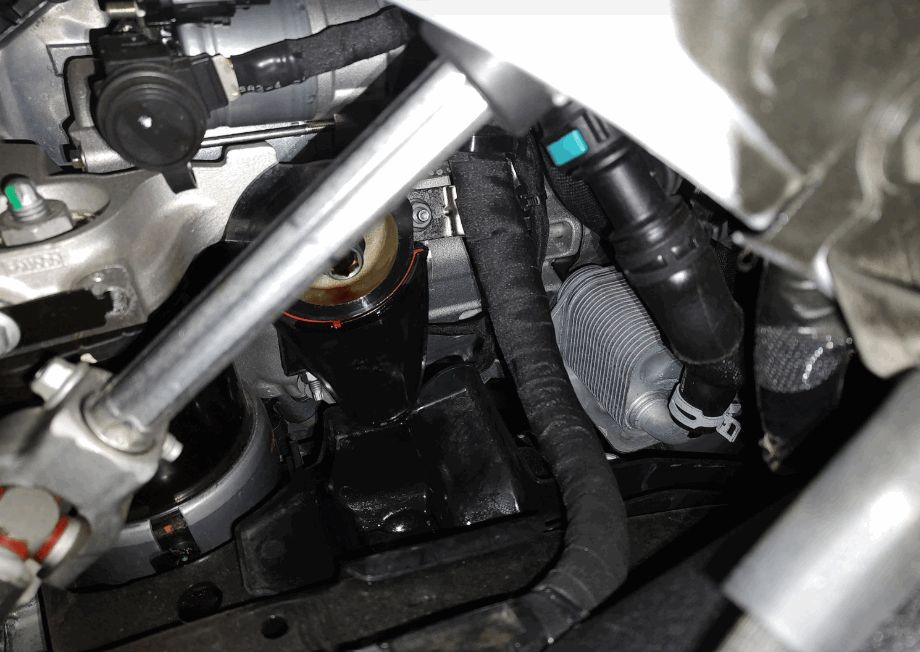
Where Is the Oil Filter Located on a Ford Ranger?
The Ford Ranger oil filter sits near the lower part of the engine in most models. However, the exact position depends on the engine type. Ford uses different layouts for diesel and gasoline engines, so the oil filter location changes across the Ranger lineup. Checking the engine specification before starting maintenance helps you find the correct filter faster.
Most diesel Ford Ranger engines place the oil filter near the engine block and oil pan area. Owners can usually reach it from underneath the truck. The 2.0L Single Turbo and 2.0L Bi-Turbo diesel engines use a lower-mounted oil filter near the front section of the engine. The 2.2L and 3.2L Duratorq diesel engines follow a similar design, but nearby suspension parts can limit access.
Gasoline engines use a different arrangement. The 2.3L EcoBoost and 2.5L Duratec engines place the oil filter closer to the side of the engine block. You may need to remove the lower splash shield before you can reach the filter. This protective panel covers the underside of the engine and prevents dirt, water, and road debris from entering the engine bay.
The easiest way to identify the oil filter is to look underneath the vehicle. The filter appears as a round metal canister or a filter housing attached directly to the engine. It usually sits close to the oil drain plug, but it has a different shape from the fuel filter and transmission components. Cleaning the area around the filter before removal keeps dirt away from the engine oil system and makes the replacement process safer.
Which Ford Ranger Engines Have Different Oil Filter Locations?
The Ford Ranger oil filter location changes across engine types because each engine uses a different oil system design. Ford Ranger owners need to identify their engine before searching for the filter because the same vehicle model can have multiple engine configurations. The filter location, access method, and surrounding components can differ between diesel and gasoline versions.
The 2.0L Single Turbo Diesel engine places the oil filter on the lower front area of the engine block. Owners usually access this filter from underneath the vehicle. The filter sits near the oil pan and remains visible after removing the lower protection cover. This layout allows regular oil changes without removing major engine components.
The 2.0L Bi-Turbo Diesel engine uses a similar lower engine placement. However, the twin turbo system and additional engine components create a tighter working area. Technicians often need more clearance when removing the old filter. Checking the filter housing position before starting prevents unnecessary removal of nearby parts.
The 2.2L and 3.2L Duratorq Diesel engines place the oil filter near the bottom section of the engine compartment. These engines use a traditional spin-on filter design. The filter sits close to the oil drain plug, which allows owners to replace both parts during the same oil service.
The 2.3L EcoBoost gasoline engine uses a different arrangement from diesel models. Ford positions the oil filter on the side area of the engine block. Access usually requires reaching through the lower engine area after removing the splash shield. The 3.0L EcoBoost V6 follows a more modern engine layout with an oil filter housing system that differs from older Ranger engines.
Understanding the engine type makes the Ford Ranger oil filter location easier to identify. The filter always connects directly to the engine lubrication system, but its position changes because Ford designs each engine around different performance, cooling, and packaging requirements.
How Can You Access the Ford Ranger Oil Filter Safely?
To access the Ford Ranger oil filter safely, you need to prepare the vehicle, create enough working space, and protect the engine components during removal. Most Ford Ranger oil filters sit underneath the engine, so you usually need access from below the truck. A stable working position helps prevent injuries and reduces the risk of damaging nearby parts.
Start by parking the vehicle on a flat surface and allowing the engine to cool before opening the oil system. Hot engine oil can cause serious burns during removal. Use a suitable jack and jack stands if you need extra clearance under the vehicle. Never rely only on a hydraulic jack because it can move unexpectedly during maintenance.
Many Ford Ranger models use an underbody splash shield that covers the lower engine area. This panel protects the engine from water, mud, and road debris. Remove the necessary fasteners from the shield to expose the oil filter and oil drain plug. Keep the screws and clips organized because missing fasteners can leave the protection panel loose after installation.
Before removing the filter, clean the area around it with a suitable cloth. Dirt around the filter mount can enter the engine lubrication system when you remove the old filter. Place an oil drain pan below the filter because some oil will spill during removal. Using an oil filter wrench can make removal easier, especially when the previous filter was installed too tightly.
A safe access process protects both the vehicle and the person performing the oil change. Taking a few minutes to prepare the work area prevents common problems such as oil spills, damaged filter housings, and incorrect installation.
How Do You Replace the Ford Ranger Oil Filter?
To replace the Ford Ranger oil filter, you need to remove the old filter, install a new filter correctly, and check the engine for leaks after completing the oil change. The replacement process looks simple, but correct installation protects the engine lubrication system and prevents oil pressure problems.
Start by warming the engine for a few minutes before draining the oil. Warm oil flows faster and removes more contaminants from the engine. After turning off the engine, place an oil drain pan under the drain plug and remove the plug carefully. Allow the old engine oil to drain completely before removing the oil filter.
Remove the old oil filter by turning it counterclockwise. Some filters loosen by hand, while others require an oil filter wrench. Keep the drain pan underneath because the filter contains used oil. After removing the filter, inspect the rubber gasket and make sure it came off with the old filter. A remaining gasket can create a double seal and cause an oil leak.
Prepare the new Ford Ranger oil filter by applying a thin layer of fresh engine oil to the rubber gasket. This helps the gasket seal correctly and makes future removal easier. Install the new filter by hand until the gasket contacts the mounting surface. Then tighten the filter according to the manufacturer’s recommendation. Avoid using excessive force because overtightening can damage the gasket or filter housing.
After installing the new filter, reinstall the drain plug and refill the engine with the correct oil type and quantity. Start the engine and let it run for a short time. Check the filter area and drain plug for leaks. A final inspection confirms that the new oil filter works correctly and that the engine has proper oil circulation.
Which Oil Filter Is Recommended for Each Ford Ranger Engine?
The recommended Ford Ranger oil filter depends on the engine type, production year, and manufacturer specification. Each engine requires a filter that matches its oil flow rate, pressure requirements, and mounting design. Using the correct filter helps maintain clean engine oil and supports proper lubrication throughout the engine system.
Ford Ranger diesel engines often use spin-on oil filters because these filters provide simple replacement and reliable filtration. The 2.0L Single Turbo, 2.0L Bi-Turbo, 2.2L Duratorq, and 3.2L Duratorq engines use filters designed for high-temperature operation and long service intervals. Owners should check the vehicle identification number or engine code before purchasing a replacement filter because different production years can use different specifications.
Gasoline engines such as the 2.3L EcoBoost and newer 3.0L EcoBoost V6 use oil filters designed for their specific lubrication systems. These engines require filters that can handle modern turbocharged engine conditions, including higher oil pressure and increased operating temperatures. A filter that fits physically may still have different internal specifications, so compatibility matters more than appearance.
OEM filters, such as Motorcraft oil filters, provide a direct match for Ford Ranger engines because Ford designs them according to factory requirements. Aftermarket filters can also work well when they meet the correct specifications for filtration efficiency, bypass valve operation, and sealing design. Choosing a trusted filter brand reduces the risk of poor filtration, oil leaks, or incorrect engine protection.
The best oil filter choice combines correct engine compatibility, quality materials, and proper installation. Checking the owner’s manual, engine code, or official service information provides the most accurate filter specification for each Ford Ranger model.
What Mistakes Should You Avoid During an Oil Filter Replacement?
Avoiding common oil filter mistakes helps protect the Ford Ranger engine and prevents oil leaks after maintenance. Many oil filter problems do not come from the filter itself. They happen because of incorrect installation, poor preparation, or using the wrong replacement part. Following the correct replacement process keeps the engine lubrication system working properly.
One common mistake involves installing a new filter without removing the old rubber gasket. The previous gasket can stick to the engine mounting surface after filter removal. If you install another filter on top of the old gasket, the double seal can prevent proper contact and create an oil leak. Always check the mounting surface before installing the new filter.
Another frequent mistake involves overtightening the oil filter. Many owners believe a tighter filter creates a better seal, but excessive force can damage the rubber gasket or the filter housing. A properly installed filter only needs firm hand tightening according to the manufacturer’s instructions. Using too much force can make future removal more difficult during the next oil change.
Using the wrong oil filter also creates problems. Different Ford Ranger engines require different filter specifications because each engine has unique oil pressure and flow requirements. A filter that fits the mounting thread may still have incorrect filtration performance or bypass valve settings. Always confirm compatibility before installation.
Skipping the final inspection creates another avoidable risk. After replacing the filter and refilling engine oil, start the engine and check the filter area for leaks. A short inspection can identify installation problems before they cause oil loss or engine damage. Careful preparation, correct installation, and proper inspection help ensure a successful Ford Ranger oil filter replacement.
Frequently Asked Questions About Ford Ranger Oil Filter Location
Can I reach the Ford Ranger oil filter from above?
Most Ford Ranger oil filters are easier to access from underneath the vehicle. The exact access point depends on the engine design. Some gasoline engines provide better access from the upper engine area, but most diesel models require access from below. Checking the engine layout before starting the oil change saves time and prevents unnecessary removal of components.
Does the Ford Ranger splash shield need to be removed?
Many Ford Ranger models require partial removal of the splash shield to reach the oil filter. The shield protects the engine area from road debris, water, and dirt, but it can block direct access to the filter. Removing only the necessary fasteners keeps the maintenance process efficient and allows easier reinstallation after completing the oil change.
Should I replace the oil filter every time I change the engine oil?
Yes, replacing the oil filter during every engine oil change is the recommended practice for most Ford Ranger models. Fresh engine oil cannot perform effectively if the old filter contains trapped contaminants. A new filter removes particles from the oil system and helps maintain clean oil circulation throughout the engine.
Why is my new Ford Ranger oil filter leaking?
A new oil filter can leak because of several installation problems. The most common causes include a damaged gasket, a double gasket from the old filter, incorrect tightening, or a dirty mounting surface. Inspecting the filter seal and cleaning the mounting area before installation prevents most oil leaks.
How tight should the Ford Ranger oil filter be?
The Ford Ranger oil filter should be tight enough to create a secure seal without excessive force. Most filters require hand tightening after the gasket touches the mounting surface. Over tightening can damage the gasket and make future removal difficult, while under tightening can allow oil leakage during engine operation.
How long does it take to replace a Ford Ranger oil filter?
A typical Ford Ranger oil filter replacement takes around 30 to 60 minutes for someone with basic maintenance experience. The time depends on the engine type, vehicle access, and whether the splash shield requires removal. Preparing the correct tools before starting makes the process faster and reduces mistakes.
Conclusion
Finding the Ford Ranger oil filter location becomes easier when you identify the correct engine type first. Ford uses different engine designs across Ranger generations, so the filter position can change between diesel and gasoline models. Understanding the engine layout helps you locate the filter faster and avoid removing unnecessary components during maintenance.
A successful Ford Ranger oil filter replacement requires more than finding the filter location. You also need the correct replacement filter, proper installation technique, and a final leak inspection. Choosing a compatible oil filter supports clean oil circulation, protects engine components, and helps maintain long term engine performance.
Regular oil and filter changes remain one of the most important maintenance tasks for a Ford Ranger. Owners who understand the location of the oil filter, access requirements, and replacement process can complete routine servicing with greater confidence. For the best results, always follow the engine specific maintenance information and use parts that match the vehicle specification.