When choosing a modern Honda vehicle, many buyers expect the same legendary durability that made Honda engines famous around the world. However, the introduction of smaller turbocharged engines has created a common question among drivers: Is the Honda 1.5 Turbo Reliable enough for long term ownership?
The Honda 1.5 Turbo engine has become a popular choice in models such as the Honda Civic, Honda CR V, and Honda Accord because it offers strong fuel efficiency, impressive low end torque, and better performance compared with many naturally aspirated engines. However, some potential buyers remain concerned about turbocharger durability, maintenance costs, engine lifespan, and reported issues from earlier versions.
For drivers looking for a dependable daily vehicle, these concerns are understandable. A reliable engine is not only about horsepower or fuel economy. It is about confidence during years of ownership, predictable maintenance expenses, and the ability to reach high mileage without major problems.
In this complete reliability review, we will examine the Honda 1.5 Turbo engine from a long term ownership perspective. We will explore its design, common problems, maintenance requirements, expected lifespan, and whether this turbocharged Honda engine deserves your trust.
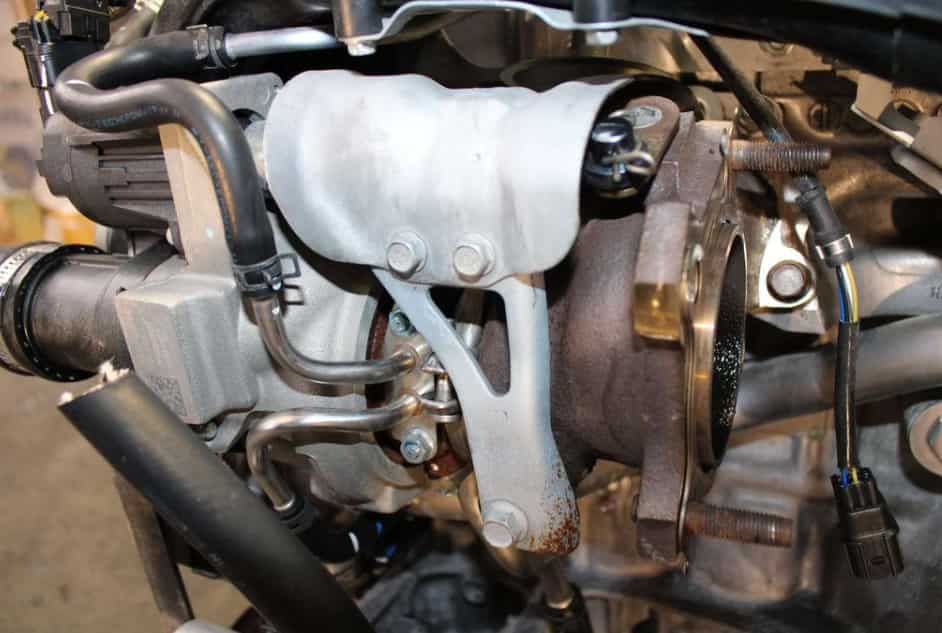
Understanding the Honda 1.5 Turbo Engine and Why Honda Developed It
The Honda 1.5 Turbo engine represents Honda’s transition toward smaller, more efficient turbocharged powertrains while maintaining the brand’s reputation for durability and engineering quality. Known within Honda’s engine family as part of the L15 series, this turbocharged four cylinder engine was developed to provide a better balance between performance, fuel economy, and emissions efficiency.
Unlike traditional naturally aspirated engines that rely mainly on engine displacement to produce power, the Honda 1.5 Turbo uses forced induction technology to deliver stronger torque from a smaller engine size. The turbocharger pushes more air into the combustion chamber, allowing the engine to generate responsive acceleration while maintaining competitive fuel efficiency.
Honda introduced this engine as part of its Earth Dreams Technology strategy, which focused on improving efficiency without sacrificing everyday drivability. The combination of direct injection, DOHC design, and turbocharging allows the engine to deliver smooth power delivery across different driving conditions.
The Honda 1.5 Turbo engine has been widely used in popular models including the Honda Civic, Honda CR V, and Honda Accord. Each model uses the engine slightly differently depending on vehicle size, weight, and intended purpose. For example, the Civic benefits from the engine’s lightweight performance characteristics, while the CR V requires the engine to handle additional weight and family oriented driving demands.
Although turbocharged engines are more complex than naturally aspirated engines, Honda designed the 1.5 Turbo with long term ownership in mind. Understanding its engineering approach is important when evaluating whether the Honda 1.5 Turbo Reliable reputation matches real world experience.
Is Honda 1.5 Turbo Reliable for Long Term Ownership?
The question “Is Honda 1.5 Turbo Reliable?” is common among car buyers. Many drivers trust Honda because of its history with durable naturally aspirated engines. They want to know if the newer turbocharged engine can deliver the same level of dependability.
The Honda 1.5 Turbo engine has shown strong reliability in many real world situations. Proper maintenance plays a major role in its long term performance. Regular oil changes, scheduled servicing, and responsible driving habits can help this engine reach high mileage.
One of the main advantages of the Honda 1.5 Turbo is its efficient design. Honda developed this engine to provide strong performance from a smaller displacement. It delivers good torque at low engine speeds. This makes models like the Honda Civic and Honda CR V feel responsive in daily driving.
However, turbocharged engines require more attention than traditional naturally aspirated engines. The turbocharger works under high pressure and high temperatures. Owners need to follow the recommended maintenance schedule to protect engine health and performance.
Mileage alone does not determine reliability. A well maintained Honda 1.5 Turbo with over 100,000 miles can perform better than a poorly maintained engine with fewer miles. Maintenance history, driving conditions, and ownership habits have a greater impact on engine lifespan.
Overall, the Honda 1.5 Turbo Reliable reputation is supported by many years of ownership experience. It may have more complex components than older Honda engines, but it provides a strong balance of fuel efficiency, performance, and long term durability.
Common Honda 1.5 Turbo Problems and Reliability Concerns
Although the Honda 1.5 Turbo has a strong reputation, some owners have reported concerns during long term use. Understanding these potential issues helps buyers make better decisions and maintain their vehicles properly.
One of the most discussed topics is the Honda 1.5 Turbo oil dilution issue. This problem appeared mainly in some early models, especially in colder climates. Oil dilution happens when unburned fuel mixes with engine oil. Over time, this can reduce oil quality and affect engine protection. Honda introduced software updates and improved solutions for affected vehicles.
Another concern involves carbon buildup. The Honda 1.5 Turbo uses direct injection technology, which improves fuel efficiency and performance. However, direct injection engines can develop carbon deposits on intake valves over time. Regular maintenance and proper driving habits can help reduce this risk.
Turbocharger wear is another area that owners should monitor. The turbo system works under high pressure and temperature conditions. Symptoms such as unusual noises, reduced power, or excessive smoke may indicate a potential turbo-related problem. Regular oil changes are essential because clean oil helps protect turbo components.
Some reliability concerns come from poor maintenance rather than engine design. Using incorrect oil, delaying service intervals, or ignoring warning signs can shorten engine life.
Overall, the Honda 1.5 Turbo problems reported by owners do not mean the engine is unreliable. Most issues can be prevented with proper care. Understanding the engine’s needs is the key to achieving better performance and longer lifespan.
Honda 1.5 Turbo Maintenance Requirements for Maximum Engine Lifespan
Proper maintenance plays the most important role in maximizing Honda 1.5 Turbo engine lifespan. A well maintained turbo engine can deliver reliable performance for many years. Neglecting regular service can increase wear and lead to expensive repairs.
Engine oil is the most important maintenance factor for the Honda 1.5 Turbo. The turbocharger depends on clean and high quality oil to operate smoothly. Owners should follow Honda’s recommended oil change schedule and use the correct oil specification for their vehicle.
Air filters and spark plugs also affect engine performance. A clean air filter helps the engine receive proper airflow. Fresh spark plugs support efficient combustion and smoother operation. These simple maintenance steps can improve fuel economy and reduce unnecessary stress on engine components.
The cooling system also requires attention. Turbocharged engines produce more heat than many naturally aspirated engines. Regular coolant checks help prevent overheating and protect important engine parts.
Driving habits can also influence Honda 1.5 Turbo reliability. Drivers should avoid heavy acceleration when the engine is still cold. Allowing the engine to warm up helps protect internal components. After extended high speed driving, giving the turbo system time to cool can support better long term durability.
Compared with many high performance turbo engines, the Honda 1.5 Turbo remains affordable to maintain. It requires more care than a simple naturally aspirated engine, but proper maintenance can greatly extend its lifespan. For owners who follow the service schedule, this engine offers a strong balance between efficiency and reliability.
Honda 1.5 Turbo vs Honda 2.0 Naturally Aspirated Engine Reliability
When comparing Honda engines, many buyers wonder whether the Honda 1.5 Turbo or the Honda 2.0 naturally aspirated engine offers better reliability. Both engines have strong reputations, but they follow different engineering approaches.
The Honda 1.5 Turbo focuses on efficiency and performance. It uses turbocharging to produce more torque from a smaller engine size. This helps vehicles feel more responsive during acceleration. It also improves fuel economy, making it attractive for daily drivers who want lower running costs.
The Honda 2.0 naturally aspirated engine takes a simpler approach. It does not use a turbocharger, which means it has fewer complex components. This design can make maintenance easier and reduce potential repair costs over very long ownership periods. Many Honda fans prefer this engine because of its simple and proven structure.
However, simplicity does not automatically mean the Honda 2.0 is always the better choice. The Honda 1.5 Turbo provides advantages in areas such as fuel efficiency and low speed torque. It delivers a more energetic driving experience while still maintaining good reliability.
The best choice depends on the owner’s priorities. Drivers who want maximum simplicity may prefer the Honda 2.0 naturally aspirated engine. Those who want better fuel economy and stronger performance may find the Honda 1.5 Turbo more suitable.
Both engines can provide excellent durability when owners follow proper maintenance. The Honda 1.5 Turbo Reliable reputation shows that modern turbo technology can achieve long term dependability when combined with responsible ownership.
Honda 1.5 Turbo Reliability in Civic, CR-V, and Accord
The Honda 1.5 Turbo engine appears in several popular Honda models. Each vehicle uses this engine differently based on size, weight, and driving purpose. These differences can affect the ownership experience and long term reliability.
The Honda Civic 1.5 Turbo is one of the most popular applications of this engine. Its lightweight design allows the engine to work efficiently without excessive stress. Many Civic owners choose the turbo model because it offers strong acceleration, excellent fuel economy, and reliable daily performance. With proper maintenance, the Civic 1.5 Turbo can serve as a dependable commuter vehicle for many years.
The Honda CR-V 1.5 Turbo places different demands on the engine. As a larger SUV, the CR-V carries more weight and often handles family transportation needs. The engine provides enough torque for everyday driving, highway trips, and moderate loads. Regular maintenance becomes even more important because SUVs usually experience higher operating demands.
The Honda Accord 1.5 Turbo focuses on comfort and long distance driving. The engine delivers smooth power while maintaining good efficiency. Many owners appreciate its balance between performance and practicality.
Across all three models, Honda 1.5 Turbo reliability depends on maintenance history and driving habits. The same engine can provide different results depending on how owners care for their vehicles. A properly maintained Civic, CR-V, or Accord with the Honda 1.5 Turbo can offer years of dependable service.
Choosing the right model depends on personal needs. The Civic suits efficiency focused drivers, the CR-V works well for families, and the Accord fits those who want comfort with strong fuel economy.
How Many Miles Can a Honda 1.5 Turbo Engine Last?
One of the biggest questions among potential buyers is how long the Honda 1.5 Turbo engine can last. Engine lifespan depends on many factors, including maintenance quality, driving habits, and operating conditions. Mileage alone does not tell the complete story.
A properly maintained Honda 1.5 Turbo can reach high mileage with consistent care. Many owners expect this engine to perform reliably beyond 100,000 miles. With regular maintenance and responsible driving, reaching 150,000 miles or even 200,000 miles is possible.
The most important factor behind long engine life is maintenance history. Regular oil changes protect the turbocharger and internal engine components. Following Honda’s service recommendations also helps prevent small problems from becoming major repairs.
Driving style also affects engine durability. Frequent aggressive acceleration, poor warm up habits, and extended neglect can increase engine stress. On the other hand, smooth driving and proper servicing help reduce unnecessary wear.
Environmental conditions can also influence lifespan. Vehicles that operate in extreme temperatures or heavy traffic may require more frequent attention. Owners should adjust maintenance habits based on their driving environment.
The Honda 1.5 Turbo Reliable reputation comes from its ability to combine modern technology with practical durability. While it may require more care than a simple naturally aspirated engine, it can still provide many years of dependable performance.
For buyers considering a used Honda with this engine, service records are often more important than mileage numbers. A well maintained high mileage Honda 1.5 Turbo can be a better choice than a low mileage vehicle with poor maintenance history.
Should You Buy a Honda With a 1.5 Turbo Engine?
After reviewing its design, reliability, common concerns, and maintenance requirements, the Honda 1.5 Turbo remains a strong option for many drivers. It offers a good balance between performance, fuel efficiency, and everyday practicality.
The Honda 1.5 Turbo is a suitable choice for drivers who want better fuel economy without sacrificing driving enjoyment. The engine provides strong low speed torque, which makes city driving easier and highway acceleration more confident. Models like the Honda Civic, Honda CR-V, and Honda Accord benefit from this balance.
However, buyers should understand that turbocharged engines require proper care. The Honda 1.5 Turbo has more advanced components than traditional naturally aspirated engines. Owners need to follow maintenance schedules and use quality fluids to protect long term performance.
Drivers who prefer the simplest possible engine design may still choose a Honda with a naturally aspirated engine. These engines have fewer complex systems and may offer lower maintenance requirements. However, they usually provide less torque and lower efficiency compared with the turbocharged option.
For most modern drivers, the Honda 1.5 Turbo delivers a convincing combination of reliability and performance. It is not a perfect engine, but its known issues are manageable with proper ownership habits.
If you are considering buying a Honda equipped with this engine, focus on maintenance records, previous ownership, and overall vehicle condition. A well cared for Honda 1.5 Turbo can provide reliable service for many years and thousands of miles.
Conclusion
So, is the Honda 1.5 Turbo Reliable? The answer is yes, especially when owners follow proper maintenance practices and understand the needs of a modern turbocharged engine. This engine may have more advanced technology than older Honda naturally aspirated engines, but it still delivers the durability and efficiency that many drivers expect from Honda.
The Honda 1.5 Turbo offers several advantages, including strong fuel economy, responsive performance, and practical long term ownership potential. While some owners have raised concerns about issues such as oil dilution, carbon buildup, and turbocharger maintenance, these concerns do not define the overall reliability of the engine.
Regular servicing, quality engine oil, and responsible driving habits play the biggest role in achieving a long engine lifespan. A well maintained Honda 1.5 Turbo can continue performing reliably for many years and reach high mileage with proper care.
For buyers considering a Honda Civic, Honda CR-V, or Honda Accord with this engine, the most important factor is not only the engine type but also the vehicle’s maintenance history and previous ownership.
The Honda 1.5 Turbo represents a modern approach to efficiency and performance. With the right care, it can be a reliable choice for drivers who want a practical, fuel efficient, and enjoyable vehicle.
Have you owned a Honda 1.5 Turbo? Share your experience and let other drivers know how this engine performs in real world conditions.