A knocking noise when turning your Honda CR-V can be frustrating and concerning. Many drivers notice this sound when they park, make a sharp turn, or drive over rough surfaces. The noise may seem minor at first, but it can point to a problem with important vehicle components.
Your Honda CR-V relies on several systems to provide smooth and controlled steering. The suspension system, steering system, and drivetrain work together every time you change direction. Parts such as the CV axle, ball joints, control arm bushings, tie rod ends, and strut mounts handle constant movement and pressure. Over time, these components can wear out and create unusual sounds.
A knocking sound does not always mean a major failure. However, ignoring the problem can increase repair costs and affect your driving experience. A damaged suspension or steering component may also reduce vehicle stability and handling.
Many CR-V owners struggle to find the exact cause because different problems can create similar noises. A clicking sound may come from the CV joint, while a clunking noise may relate to suspension wear.
This guide explains why your Honda CR-V makes a knocking noise when turning. You will learn about common causes, symptoms, inspection methods, repair options, and expected costs. With the right information, you can identify the problem earlier and make better repair decisions.
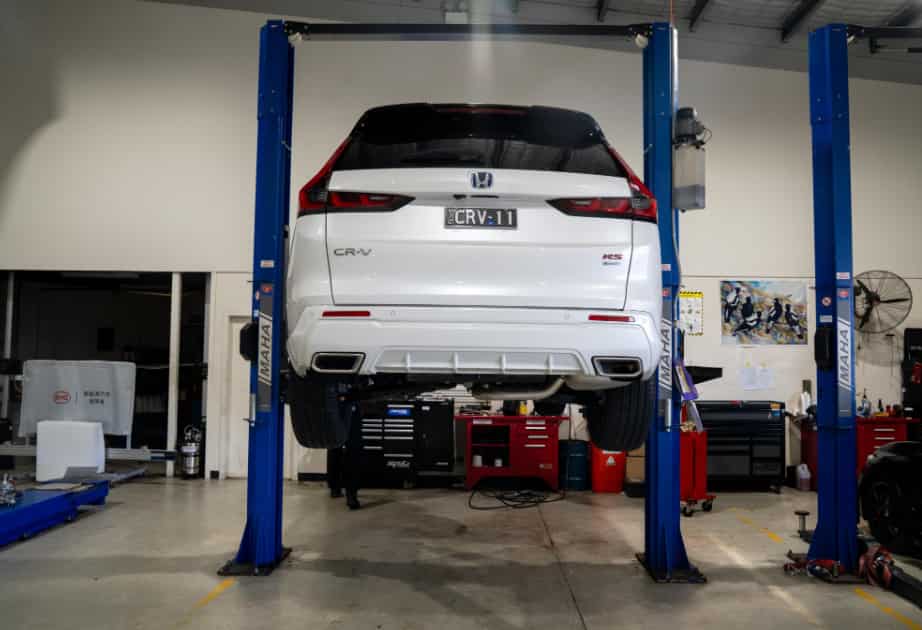
What Does a Knocking Noise When Turning Mean on a Honda CR-V?
A knocking noise when turning your Honda CR-V means that one or more moving components may not work properly. The sound usually comes from the front area of the vehicle because the steering and suspension systems handle most of the movement during cornering.
Different noises can indicate different problems. A knocking or clunking sound often points to loose or worn suspension parts. A clicking sound may suggest a problem with the CV axle or CV joint. A popping noise can come from components that struggle to move smoothly during steering.
Turning puts extra pressure on many parts of your Honda CR-V. The wheels change direction, the suspension absorbs movement, and the drivetrain adjusts to the new angle. Parts such as ball joints, control arm bushings, tie rod ends, and strut mounts must work together to maintain stability.
Many drivers notice the noise in specific situations. The sound may appear when making slow turns, parking, entering a driveway, or driving on uneven roads. These conditions create more movement in the front suspension and make worn components easier to hear.
A knocking noise does not always identify one specific failure. Several issues can create similar symptoms. For this reason, drivers should pay attention to when the noise happens, where it comes from, and whether other symptoms appear.
Understanding the type of noise and the driving conditions can help narrow down the possible causes. This first step makes diagnosis easier and helps prevent unnecessary repairs.
Common Causes of Honda CR-V Knocking Noise When Turning
A Honda CR-V knocking noise when turning can come from several areas of the vehicle. The most common sources include the suspension system, steering system, and drivetrain components. Each part plays an important role in keeping the vehicle stable, comfortable, and safe during cornering.
One common cause is a worn CV axle or CV joint. The CV axle transfers engine power to the wheels while allowing them to move during steering. When the CV joint wears out, it often creates a clicking or knocking sound during sharp turns. Many drivers notice the noise when they turn at low speeds or make a full steering lock. A damaged CV axle boot can also allow grease to escape and speed up component wear.
Another possible cause involves worn ball joints. Ball joints connect the steering knuckle to the suspension system and allow the wheels to move smoothly. When a ball joint develops excessive movement, it can create a clunking sound during turns. Drivers may also notice loose steering, uneven tire wear, or reduced handling control.
Control arm bushings can also create knocking sounds when they become damaged. These rubber components absorb vibration and help maintain proper suspension movement. Over time, heat, road conditions, and repeated impacts can cause the bushings to crack or lose flexibility. A worn control arm bushing may produce a knocking noise when the vehicle changes direction or travels over uneven surfaces.
A failing tie rod end can affect both steering performance and vehicle stability. The tie rod connects the steering rack to the wheel assembly and helps control wheel movement. When the connection becomes loose, drivers may hear a knocking sound while turning the steering wheel. Some vehicles may also experience steering play or alignment problems.
Strut mount problems represent another possible source of front end noise. The strut mount allows the suspension to rotate as the driver turns the steering wheel. When the mount or bearing wears out, it can create popping or knocking sounds near the top of the suspension area.
Loose suspension hardware can also cause unexpected noises. Bolts, stabilizer links, and other mounting points can become loose due to age, vibration, or previous repairs. Even a small amount of movement between components can create noticeable sounds during turning.
The drivetrain and suspension systems work closely together, so a problem in one area can affect other components. For this reason, drivers should not replace parts based only on the sound. A proper inspection can identify the exact cause and prevent unnecessary repair costs.
Symptoms That Help Identify the Source of the Noise
Identifying the exact cause of a Honda CR-V knocking noise when turning requires more than listening to the sound. The driving situation, noise location, and additional symptoms can provide important clues. Different components create different warning signs.
A clicking noise during sharp turns often points to a CV joint or CV axle problem. Drivers usually notice this sound when making a tight turn at low speed, such as entering a parking space. The noise may become louder as the steering angle increases.
A clunking sound during slow turns may indicate worn suspension or steering components. Problems with ball joints, control arm bushings, or tie rod ends can create movement between parts. This movement produces a noticeable knocking sound when the vehicle changes direction.
A front suspension noise that appears when turning over bumps may suggest worn suspension components. Strut mounts, stabilizer links, and bushings often create sounds when they cannot control suspension movement properly.
Some drivers also experience steering vibration or a loose steering feeling. These symptoms may relate to worn tie rods, wheel bearings, or alignment problems. A vehicle with excessive steering movement may feel less stable, especially at higher speeds.
The location of the noise also helps with diagnosis. A sound from the front left side may indicate a problem with components near that wheel. A noise from the steering column area may suggest an issue with the steering system.
Paying attention to when and where the noise happens can save time during inspection. These details help mechanics identify the damaged component faster and recommend the correct repair.
How to Diagnose a Honda CR-V Knocking Noise When Turning
Finding the source of a Honda CR-V knocking noise when turning requires a careful inspection process. Several components can create similar sounds, so drivers should check the conditions that trigger the noise before replacing any parts.
The first step involves identifying when the sound appears. Pay attention to whether the noise happens during left turns, right turns, or both directions. Notice if the sound occurs at low speeds, during acceleration, while braking, or when driving over bumps. These details can help separate drivetrain problems from suspension issues.
The next step involves locating the source of the noise. Try to determine whether the sound comes from the front left wheel, front right wheel, steering area, or underneath the vehicle. A noise from one side may point to a specific damaged component near that wheel.
A visual inspection can reveal some common problems. Check the CV axle boots for cracks or grease leaks. Inspect the suspension area for damaged bushings, loose connections, or signs of excessive movement. Look for uneven tire wear because alignment problems or worn steering components can create additional symptoms.
Drivers can also perform a simple steering check while the vehicle remains parked. Turn the steering wheel slowly and listen for unusual sounds. However, this method cannot replace a professional inspection because many worn parts only show problems under driving conditions.
A mechanic can perform a more detailed suspension and steering inspection. They may check ball joint movement, tie rod condition, wheel bearing play, and suspension alignment. These tests help identify the exact component that causes the knocking noise.
Proper diagnosis prevents unnecessary repairs. Replacing the wrong part can waste money and leave the original problem unresolved. A complete inspection helps Honda CR-V owners choose the right repair solution and maintain safe driving performance.
Is It Safe to Drive a Honda CR-V With a Knocking Noise When Turning?
Driving a Honda CR-V with a knocking noise when turning may not always create an immediate danger. However, ignoring the sound can increase the risk of larger mechanical problems. The level of danger depends on the damaged component and the severity of the wear.
Some noises come from minor issues, such as aging suspension bushings or loose hardware. These problems may affect comfort but usually do not create an immediate safety concern. Even so, drivers should inspect the vehicle because small issues can become more expensive over time.
Other causes require faster attention. A damaged ball joint, worn tie rod end, or serious steering problem can affect vehicle control. These components help maintain proper wheel movement and steering response. If they fail, the Honda CR-V may become harder to control, especially during emergency maneuvers.
A damaged CV axle can also create problems if the condition becomes severe. Early symptoms may include clicking or knocking sounds during turns. Advanced damage may affect power delivery and create additional drivetrain issues.
Drivers should pay attention to warning signs that indicate a more serious problem. These signs include loose steering, strong vibration, uneven tire wear, or a sudden increase in noise. When these symptoms appear, professional inspection becomes more important.
A knocking noise does not always mean a major repair. However, early diagnosis can prevent further damage and protect your driving safety. If your Honda CR-V continues to make unusual sounds while turning, schedule an inspection before the problem becomes more serious.
Honda CR-V Knocking Noise Repair Costs and Replacement Options
The cost to fix a Honda CR-V knocking noise when turning depends on the damaged component, labor rates, and the vehicle’s model year. Some repairs require simple part replacements, while others may involve multiple suspension or steering components.
A CV axle replacement usually costs between $300 and $800. The final price depends on whether you choose an original equipment manufacturer part or an aftermarket option. A worn CV axle often creates clicking or knocking sounds during sharp turns, so early replacement can prevent further drivetrain problems.
Ball joint replacement commonly costs around $250 to $700. The price varies because some Honda CR-V models allow easier access to the ball joint, while others require replacement of the complete control arm assembly. Since ball joints affect steering stability, mechanics often recommend replacing damaged parts as soon as possible.
Control arm replacement can cost between $500 and $1,000. The control arm connects important suspension components and helps maintain proper wheel movement. A damaged control arm bushing may create knocking sounds and affect vehicle handling.
Tie rod end replacement usually costs between $200 and $600. This repair involves steering components that directly influence wheel direction. Worn tie rod ends can create steering play, alignment issues, and unusual noises during turns.
Strut mount replacement may cost between $300 and $900. The repair price depends on the vehicle generation and whether other suspension components need attention at the same time.
Several factors influence the total repair cost. The Honda CR-V generation, local labor rates, replacement part quality, and the number of damaged components all affect the final bill. Some owners choose aftermarket parts to reduce expenses, while others prefer OEM parts for better compatibility and long-term reliability.
In some cases, replacing one worn component solves the problem. However, older CR-V models with higher mileage may have several aging suspension parts. A professional inspection can help determine whether a single repair or a more complete suspension service provides better long-term value.
Fixing a knocking noise early can reduce future expenses and improve driving confidence. Understanding the possible repair costs helps Honda CR-V owners prepare before visiting a repair shop.
Honda CR-V Models More Likely to Develop Steering and Suspension Noise
The Honda CR-V has built a strong reputation for reliability, but every vehicle develops wear over time. Suspension and steering noises usually appear because components experience repeated movement, road impacts, and environmental stress. The vehicle’s mileage, maintenance history, and driving conditions often influence when these problems appear.
Older Honda CR-V generations may experience more frequent knocking noises because their suspension components have spent more time under load. Models from the 2007 to 2011 generation can develop wear in areas such as control arm bushings, ball joints, and other front suspension parts. Regular inspection becomes important as these vehicles reach higher mileage.
The 2012 to 2016 Honda CR-V generation may also develop steering and suspension noises as components age. Drivers may notice sounds during parking, slow turns, or uneven road conditions. Worn bushings, stabilizer links, and steering components can contribute to these symptoms.
The 2017 to 2022 Honda CR-V models use newer suspension designs, but they can still experience noise issues. Driving habits, road quality, and maintenance schedules play a major role in component lifespan. A vehicle that frequently travels on rough roads may develop suspension wear earlier.
The latest Honda CR-V models can also produce unusual sounds if components experience damage or improper maintenance. Even newer vehicles require regular inspections to maintain smooth steering performance.
Mileage alone does not determine when a knocking noise will appear. A well-maintained high-mileage CR-V may perform better than a lower-mileage vehicle that experiences harsh driving conditions. Factors such as potholes, heavy loads, aggressive driving, and missed maintenance can accelerate wear.
Understanding your Honda CR-V generation can help you identify common problem areas. However, the exact cause of a knocking noise depends on the condition of individual components. A proper inspection remains the best way to find the source and choose the correct repair.
How to Prevent Future Honda CR-V Suspension and Steering Problems
Preventing a Honda CR-V knocking noise when turning starts with regular maintenance and early inspections. Suspension and steering components experience constant stress during daily driving. Proper care can extend their lifespan and reduce the chance of unexpected repairs.
Regular inspections help identify worn parts before they create larger problems. Ask a mechanic to check components such as ball joints, control arm bushings, tie rod ends, CV axles, and strut mounts during routine maintenance. Early detection can prevent minor wear from developing into expensive repairs.
Maintaining correct tire pressure also protects the suspension system. Incorrect tire pressure can increase stress on suspension components and create uneven tire wear. Properly inflated tires improve handling, comfort, and overall vehicle stability.
Drivers should also avoid harsh impacts whenever possible. Potholes, rough roads, and aggressive driving can damage suspension parts over time. Slowing down on uneven surfaces helps reduce unnecessary stress on the steering and suspension systems.
Following the recommended maintenance schedule from Honda can improve long-term reliability. Regular wheel alignment checks can also prevent uneven tire wear and reduce additional strain on steering components.
Replacing worn parts at the right time is another important step. Some owners delay repairs because the vehicle still feels drivable. However, damaged suspension or steering components can affect safety and lead to more costly problems later.
A well-maintained Honda CR-V can provide many years of dependable service. Simple maintenance habits and timely inspections help keep the vehicle quiet, comfortable, and safe during every turn.
Frequently Asked Questions About Honda CR-V Knocking Noise When Turning
Why is my Honda CR-V making a knocking noise when turning?
A Honda CR-V can make a knocking noise when turning because of worn suspension components, steering parts, or drivetrain issues. Common causes include damaged CV axles, worn ball joints, control arm bushings, tie rod ends, and strut mounts. The exact cause depends on when the noise appears and where it comes from.
Why does my Honda CR-V click when turning left or right?
A clicking sound during left or right turns often points to a worn CV joint or CV axle. The noise usually becomes more noticeable during sharp turns or when the steering wheel reaches a greater angle. A damaged CV axle boot can also speed up wear by allowing grease to escape.
Can I continue driving my Honda CR-V with a knocking sound?
You may continue driving for a short time if the noise comes from a minor issue. However, you should not ignore the problem. A damaged steering or suspension component can affect handling and safety. A professional inspection can help identify whether the vehicle needs immediate repair.
How much does it cost to fix a Honda CR-V knocking noise when turning?
Repair costs depend on the damaged component and labor rates. Common repairs can range from a few hundred dollars for smaller components to over one thousand dollars for larger suspension repairs. A proper diagnosis helps prevent unnecessary part replacements.
How can I find the source of the knocking noise?
Start by identifying when the noise happens. Check whether it appears during left turns, right turns, slow driving, or when passing over bumps. These details can help a mechanic locate the damaged component faster.
Conclusion
A Honda CR-V knocking noise when turning can come from several different sources, including suspension wear, steering problems, and drivetrain damage. Components such as CV axles, ball joints, control arm bushings, and tie rod ends all play important roles in smooth and safe vehicle operation.
The most important step is early diagnosis. A strange noise does not always mean a major repair, but ignoring it can allow a small issue to become a more expensive problem. Paying attention to symptoms, driving conditions, and noise patterns can help identify the possible cause.
Regular maintenance also plays an important role in preventing steering and suspension problems. Routine inspections, proper tire care, and timely replacement of worn components can help maintain your Honda CR-V’s reliability.
If your Honda CR-V makes a knocking noise when turning, do not wait until the problem affects driving performance. A professional inspection can provide the right solution and help protect your vehicle’s safety, comfort, and long-term value.