Owning a MINI Cooper is about much more than driving a stylish, fun-to-drive vehicle. It is also about understanding the maintenance practices that keep your car performing at its best for years to come. Among all routine services, an oil change is one of the simplest yet most critical procedures for protecting your engine and maintaining the distinctive driving experience MINI owners love.
Despite its importance, many owners remain uncertain about how often they should change the oil in their MINI Cooper, what type of oil the vehicle requires, or whether a do-it-yourself approach is a practical option. Ignoring these questions or delaying an oil change can result in decreased fuel efficiency, reduced engine performance, excessive wear on internal components, and, in severe cases, expensive engine repairs that could have been avoided with proper maintenance.
Whether you have recently purchased your first MINI Cooper or have been driving one for years, understanding the basics of oil changes can help you save money and extend the life of your vehicle. This comprehensive guide covers everything you need to know, including recommended oil change intervals, warning signs that your MINI needs fresh oil, how much an oil change typically costs, and step-by-step instructions for owners interested in performing the service themselves.
By staying proactive with your MINI Cooper’s maintenance schedule, you can ensure that your vehicle continues to deliver the responsive handling, efficiency, and reliability that make it such a rewarding car to own. Consider this guide your go-to resource for making informed decisions about one of the most important aspects of MINI Cooper ownership.
Why Regular Oil Changes Matter for Your MINI Cooper
Engine oil plays a vital role in keeping your MINI Cooper running smoothly and efficiently. As your engine operates, hundreds of metal components move at high speeds and generate significant heat. Clean engine oil lubricates these parts, reducing friction and preventing premature wear.
Beyond lubrication, motor oil also helps regulate engine temperature by carrying heat away from critical components. It captures dirt, sludge, and microscopic debris that accumulate over time, preventing contaminants from circulating throughout the engine. Without regular oil changes, these impurities can build up and compromise the engine’s performance.
MINI Cooper models are known for their responsive handling and spirited driving characteristics. Many versions feature turbocharged engines that operate under higher temperatures and pressures than naturally aspirated engines. This makes timely oil changes even more important. Fresh, high quality oil ensures optimal protection under demanding driving conditions.
Neglecting oil changes may not cause immediate problems, but the long term consequences can be costly. Reduced fuel efficiency, increased engine wear, overheating, and expensive repairs are all potential outcomes of poor maintenance habits. By treating oil changes as a priority rather than an inconvenience, MINI owners can help preserve the reliability and performance of their vehicles for years to come.
How Often Should You Change Oil in a MINI Cooper?
One of the most common questions MINI owners ask is how frequently they should schedule an oil change. While recommendations can vary depending on the model year and driving conditions, most MINI Cooper vehicles benefit from an oil change approximately every 7,500 to 10,000 miles or at least once every twelve months.
However, the ideal interval depends on how and where you drive. Frequent stop and go traffic, short trips where the engine does not fully warm up, extreme temperatures, and aggressive driving habits can accelerate oil degradation. In these situations, changing the oil more frequently may provide better protection for the engine.
Many modern MINI Cooper models are equipped with maintenance monitoring systems that estimate service intervals based on driving patterns. Although these systems are helpful, they should not replace common sense and regular inspections. Owners who routinely check their oil levels and pay attention to changes in engine performance are often better prepared to identify maintenance needs before they become serious issues.
Consulting your owner’s manual remains the most reliable way to determine the correct oil change interval for your specific MINI Cooper model. Following the manufacturer’s recommendations can help maintain warranty compliance while ensuring that your engine receives the care it requires.
Signs Your MINI Cooper Needs an Oil Change
Your MINI Cooper often provides warning signs when it is time for fresh engine oil. Recognizing these indicators early can prevent minor maintenance needs from escalating into major mechanical problems.
One of the most obvious signs is the appearance of an oil service reminder or warning light on the dashboard. Although this notification should never be ignored, it is equally important to remain attentive to other symptoms that may develop between scheduled services.
Unusual engine noise is another common indicator. As oil loses its effectiveness, it becomes less capable of lubricating moving components. This can result in increased friction and noticeable ticking or knocking sounds from the engine bay.
Drivers may also observe a decline in overall performance. Sluggish acceleration, rough idling, and reduced fuel economy can all point to deteriorating oil quality. In some cases, a burning oil smell may become apparent, suggesting that oil is leaking onto hot engine surfaces or has broken down significantly.
Checking the condition of the oil itself can provide valuable insight. Fresh oil typically appears amber and translucent, whereas old oil often becomes dark and thick due to accumulated contaminants. If the oil looks excessively dirty or the level is unusually low, scheduling an oil change promptly is advisable.
Ignoring these warning signs can lead to unnecessary stress and avoidable repair expenses. Addressing maintenance concerns early allows MINI owners to enjoy greater peace of mind and helps ensure that their vehicles continue operating at peak performance.
Choosing the Right Oil for Your MINI Cooper
Selecting the correct engine oil is one of the most important decisions MINI Cooper owners can make when maintaining their vehicles. Using the proper oil not only supports optimal engine performance but also helps extend the life of critical engine components.
Most modern MINI Cooper models are designed to work with fully synthetic motor oil. Synthetic oil offers superior resistance to heat, oxidation, and breakdown compared to conventional oil. It maintains its protective properties over longer periods and performs exceptionally well under demanding driving conditions, making it an excellent choice for turbocharged MINI engines.
Oil viscosity is another factor that should never be overlooked. Depending on the model year and engine configuration, MINI may recommend viscosity grades such as 0W-20, 0W-30, or 5W-30. These ratings indicate how the oil flows in both cold and hot temperatures. Using an oil with the wrong viscosity can affect lubrication efficiency and potentially impact fuel economy and engine durability.
Owners should always refer to the vehicle’s owner’s manual or consult a qualified technician to verify the manufacturer’s specifications. While it may be tempting to choose a less expensive alternative, using oil that fails to meet MINI’s standards can compromise engine protection and lead to unnecessary wear over time.
Investing in high quality engine oil may seem like a small detail, but it contributes significantly to preserving the performance characteristics that define the MINI driving experience. Choosing the right oil today can help prevent expensive mechanical issues in the future.
MINI Cooper Oil Change Cost
Understanding the potential cost of an oil change allows MINI owners to budget effectively and make informed maintenance decisions. The total expense can vary depending on where the service is performed, the type of oil used, and the specific MINI Cooper model being serviced.
Having the oil changed at an authorized MINI dealership often provides peace of mind because factory trained technicians are familiar with the vehicle’s requirements. Dealership services may include additional inspections and the use of manufacturer approved parts and fluids. However, these benefits often come at a higher price point.
Independent repair shops frequently offer more affordable alternatives. Many reputable facilities employ experienced technicians who are fully capable of servicing MINI vehicles. Choosing a trusted local shop can help reduce maintenance costs while still ensuring quality workmanship.
For owners who enjoy working on their vehicles, performing an oil change at home may represent the most economical option. The primary expenses typically involve purchasing synthetic oil, a replacement oil filter, and a few basic tools if they are not already available. Although this approach can save money, it requires confidence, proper equipment, and a commitment to following safe procedures.
Price should never be the sole factor when deciding where to service your MINI Cooper. Quality parts, attention to detail, and adherence to manufacturer recommendations all contribute to the long term health of the engine. A well executed oil change can provide substantial value regardless of who performs the work.
How to Perform a DIY MINI Cooper Oil Change
Many MINI Cooper owners appreciate the satisfaction and cost savings associated with performing routine maintenance themselves. If you possess basic mechanical knowledge and the appropriate tools, changing your MINI’s oil can be a manageable and rewarding task.
Before beginning, gather all necessary supplies. These generally include the recommended synthetic engine oil, a new oil filter, a drain pan, protective gloves, a funnel, a socket set, and an oil filter wrench. Having everything prepared in advance helps streamline the process and minimizes interruptions.
Start by allowing the engine to warm up for a few minutes. Warm oil flows more easily, making it simpler to drain completely. Once the engine has cooled enough to handle safely, park the vehicle on a level surface and secure it properly if lifting equipment is required.
Position the drain pan beneath the oil drain plug and carefully remove the plug to allow the used oil to drain. After the oil has emptied completely, reinstall the drain plug according to the recommended specifications. Next, remove the old oil filter and replace it with a new one, ensuring that the sealing surface is clean and properly seated.
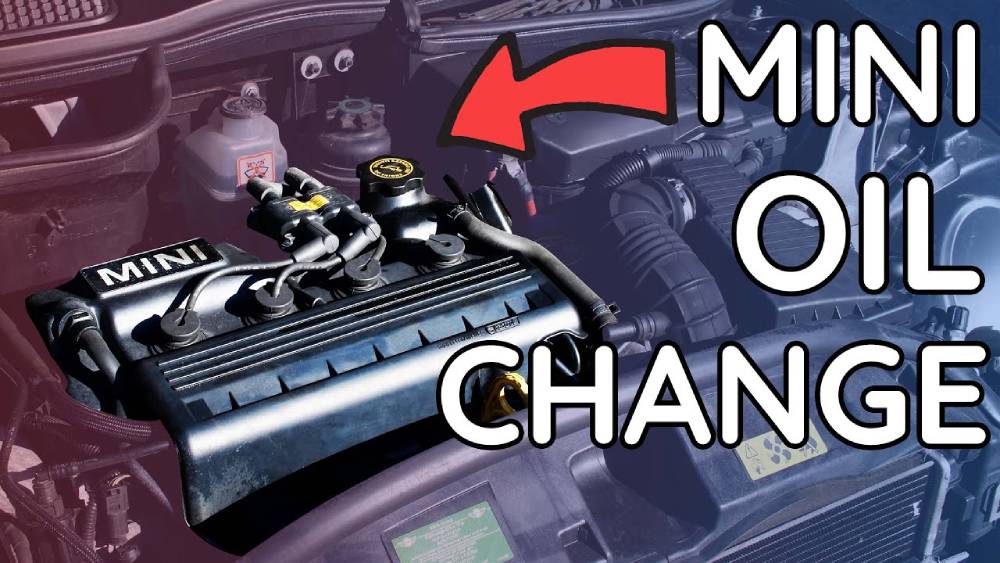
Using a funnel, add the correct amount of fresh engine oil through the oil filler opening. After replacing the oil cap, start the engine and allow it to run briefly. This enables the new oil to circulate throughout the system. Inspect the area around the drain plug and oil filter for signs of leakage.
Finally, turn off the engine and verify the oil level according to the procedure outlined in your owner’s manual. Dispose of the used oil and filter responsibly by taking them to an approved recycling facility or automotive service center.
Performing your own oil changes can foster a deeper understanding of your MINI Cooper’s maintenance needs. However, if you ever feel uncertain about any step in the process, seeking professional assistance remains the safest course of action.
How to Reset the MINI Cooper Oil Service Light
After completing an oil change, many MINI Cooper owners notice that the service reminder remains illuminated on the dashboard. Resetting the oil service light is an important final step because it allows the vehicle’s maintenance system to accurately track the interval until the next scheduled service.
The reset procedure can vary depending on the model year and trim level of your MINI Cooper. In many cases, the process begins by turning the ignition on without starting the engine. Once the vehicle’s information display becomes active, locate and hold the button used to access the service menu. After several seconds, the available maintenance items should appear on the screen.
Navigate through the menu until you find the oil service option. Select the appropriate item and continue holding the button until the reset prompt is displayed. Confirm the reset and wait for the system to indicate that the process has been completed successfully.
It is important to ensure that the oil change has actually been performed before resetting the reminder. Clearing the notification without completing the service can create confusion regarding future maintenance schedules and may increase the risk of missed oil changes.
If the reset procedure does not work or if warning messages continue to appear, consulting the owner’s manual or seeking assistance from a qualified technician is recommended. Properly resetting the service indicator ensures that your MINI Cooper’s maintenance records remain accurate and organized.
Common Oil Change Mistakes MINI Owners Should Avoid
Even a straightforward maintenance task such as an oil change can lead to problems if certain precautions are ignored. Understanding common mistakes can help MINI Cooper owners avoid unnecessary expenses and protect their engines from preventable damage.
One of the most frequent errors involves using the wrong type of oil. Selecting an oil that does not meet the manufacturer’s specifications may reduce lubrication effectiveness and compromise engine performance. Always verify the correct oil grade and specifications before adding new oil to the engine.
Another common mistake is overfilling the engine. While maintaining an adequate oil level is essential, adding too much oil can create excessive pressure within the system and potentially damage seals or other components. Checking the oil level carefully after refilling can help prevent this issue.
Some owners replace the engine oil but neglect to install a new oil filter. Since the filter is responsible for trapping contaminants, failing to replace it can limit the effectiveness of the fresh oil. Changing both components simultaneously is considered best practice.
Ignoring signs of leaks after completing an oil change can also create long term complications. A quick inspection around the drain plug and oil filter housing can reveal issues that require immediate attention. Detecting leaks early often prevents more serious problems later.
Finally, extending oil change intervals far beyond recommended limits remains one of the most damaging habits. Although modern synthetic oils offer improved durability, postponing routine maintenance indefinitely increases the likelihood of sludge buildup and accelerated engine wear.
Avoiding these mistakes can save MINI owners considerable time, money, and frustration while promoting reliable engine operation throughout the vehicle’s lifespan.
Additional Maintenance Tips for MINI Cooper Owners
Routine oil changes represent only one aspect of responsible vehicle ownership. Incorporating additional maintenance practices into your schedule can further enhance the reliability and longevity of your MINI Cooper.
Checking the engine oil level regularly is a simple yet valuable habit. Even between scheduled services, monitoring oil consumption can help identify unusual changes that may indicate leaks or other developing concerns. Addressing these issues promptly often reduces repair costs.
Keeping detailed service records is another effective strategy. Documentation of maintenance activities provides a clear history of the vehicle’s care and may increase resale value by demonstrating consistent upkeep. It also helps owners stay organized and avoid overlooking important service milestones.
Tire maintenance deserves equal attention. Regularly inspecting tire pressure and tread depth contributes to improved safety, better fuel efficiency, and more predictable handling characteristics. Since MINI vehicles are designed to deliver an engaging driving experience, properly maintained tires play a crucial role in preserving that performance.
Brake inspections should also be included in your maintenance routine. Unusual noises, vibrations, or changes in stopping performance should never be ignored. Identifying brake wear early supports both safety and cost effective repairs.
Finally, remain attentive to any warning lights or changes in the way your MINI Cooper operates. Strange sounds, unfamiliar odors, or unexpected shifts in performance often serve as early indicators of maintenance needs. Responding proactively can prevent minor concerns from developing into significant mechanical problems.
By combining regular oil changes with a comprehensive approach to preventive maintenance, MINI Cooper owners can continue enjoying the distinctive character and driving enjoyment that have made these vehicles so popular around the world.
Frequently Asked Questions
How much does a MINI Cooper oil change cost?
The total cost depends on factors such as location, labor rates, and whether the service is completed at a dealership, independent repair facility, or at home. Using premium synthetic oil and high quality filters may increase the initial expense but can provide valuable engine protection.
Can I change the oil in my MINI Cooper myself?
Yes. Owners with basic mechanical skills and appropriate tools can often perform this maintenance task successfully. Following the correct procedures and observing safety precautions are essential for achieving reliable results.
What type of oil does a MINI Cooper require?
The recommended oil varies according to the vehicle’s model year and engine type. Consulting the owner’s manual is the best way to determine the exact specifications required for your MINI Cooper.
How long does an oil change take?
Professional oil change services are typically completed within thirty to sixty minutes. Owners performing the task themselves may require additional time, particularly if they are unfamiliar with the process.
What happens if I delay an oil change?
Postponing an oil change can lead to reduced lubrication efficiency, increased engine wear, sludge accumulation, and potentially expensive repairs. Adhering to recommended service intervals is one of the simplest ways to maintain engine health.
Conclusion
Performing regular oil changes is one of the most effective steps MINI Cooper owners can take to protect their investment. Clean, properly specified engine oil supports efficient operation, minimizes internal wear, and contributes to the responsive performance that drivers have come to expect from the MINI brand.
Whether you prefer the convenience of professional service or the satisfaction of completing maintenance tasks yourself, understanding the fundamentals of a MINI Cooper oil change empowers you to make informed decisions about your vehicle’s care. Paying attention to service intervals, selecting the correct oil, and addressing potential issues early can significantly reduce the likelihood of costly repairs.
Owning a MINI Cooper is meant to be an enjoyable experience. By prioritizing routine maintenance and adopting proactive habits, you can help ensure that your vehicle remains dependable, efficient, and enjoyable to drive for many miles ahead. A small investment of time and attention today can provide lasting benefits throughout your ownership journey.