If you have ever admired the iconic design of a MINI Cooper, chances are you have also wondered what lies beneath its compact hood. One of the most frequently asked questions among car enthusiasts and potential buyers is: Who makes Mini Cooper engines? While many people assume that MINI develops its own powertrains, the reality is much more interesting.
Over the decades, MINI has gone through several ownership changes, and each era introduced different engine manufacturers and technologies. From the original British-built engines that powered the classic Mini to the modern BMW-engineered units found in today’s models, the story behind MINI Cooper engines reflects a fascinating evolution in automotive engineering.
Understanding who manufactures MINI Cooper engines is more than a matter of curiosity. It can help you evaluate reliability, estimate maintenance costs, and make informed decisions when shopping for a new or used MINI. Some generations have earned praise for their performance and efficiency, while others are known for specific mechanical concerns that buyers should be aware of.
In this complete guide, we will explore the history of MINI Cooper engine manufacturers, explain BMW’s role in modern MINI development, discuss where these engines are built, and examine which MINI engines have proven to be the most reliable over time.
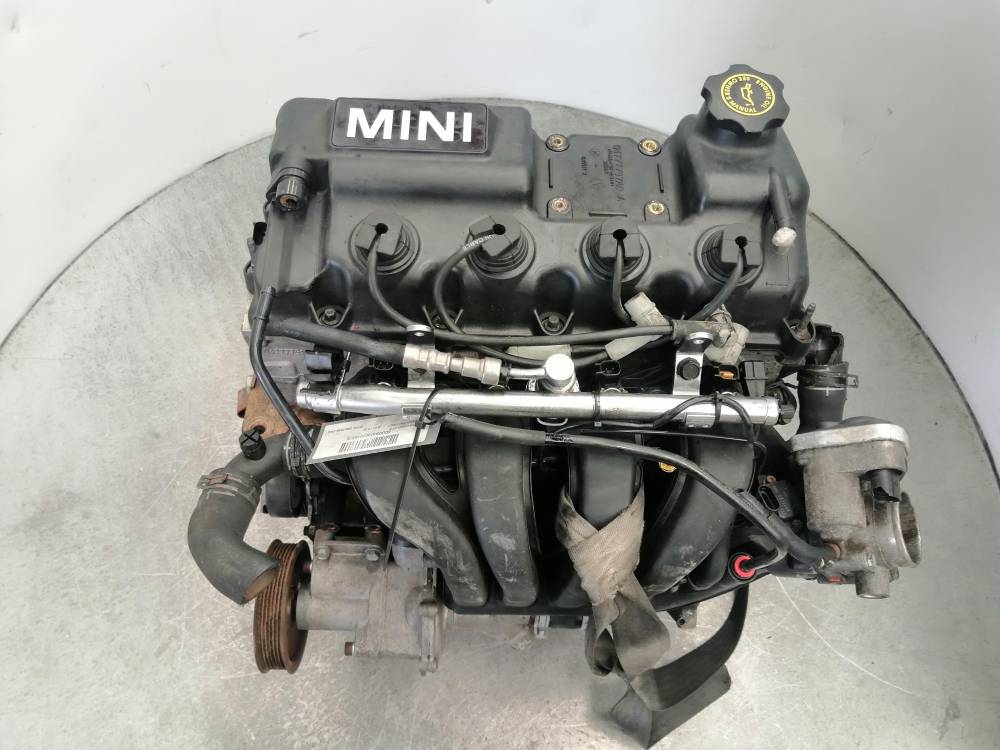
The Short Answer: Who Makes Mini Cooper Engines?
The simple answer is that BMW Group manufactures and develops the engines used in most modern MINI Cooper models. Since acquiring the MINI brand in 1994, BMW has played a major role in transforming MINI from a nostalgic British icon into a premium compact car with advanced engineering and improved performance.
However, the complete story is more complex than a straightforward BMW connection. The company behind MINI Cooper engines has changed several times throughout the brand’s history. Earlier generations relied on powerplants developed by British manufacturers, while some modern models were the result of collaborations between BMW and other automotive groups. As a result, the engine found in a MINI Cooper depends largely on its model year and generation.
Owners and prospective buyers often ask this question because engine origin can influence expectations regarding reliability, maintenance costs, fuel efficiency, and driving dynamics. Understanding which manufacturer was responsible for a particular MINI engine can provide valuable insights into potential strengths and weaknesses. Whether you are researching a used MINI Cooper or simply curious about the brand’s engineering heritage, knowing who made the engine is an important part of understanding the vehicle itself.
A Brief History of Mini Cooper Engine Manufacturers
The history of MINI Cooper engines reflects the brand’s remarkable journey through multiple ownership transitions and technological advancements. Each period introduced different engineering philosophies that shaped the character of MINI vehicles.
The original Mini, introduced in 1959 by the British Motor Corporation, featured the legendary A Series engine. This compact yet efficient powerplant became one of the most recognizable engines in British automotive history. It powered millions of vehicles over several decades and contributed significantly to the Mini’s reputation as an agile and practical small car.
When BMW revived the MINI brand in the early 2000s, the first generation of modern MINI Coopers utilized Tritec engines. These engines were developed through a partnership between BMW and Chrysler. Although they delivered respectable performance and straightforward mechanical design, they lacked the refinement and efficiency associated with later BMW influenced units.
The second generation marked another important transition. BMW collaborated with PSA Peugeot Citroën to develop the Prince engine family, which offered improved fuel economy and stronger performance characteristics. Despite these advantages, certain versions became known for issues involving timing chains and increased maintenance requirements.
Beginning with the third generation, BMW assumed full responsibility for engine development. Modern MINI Cooper models now use BMW’s modular TwinPower Turbo engines, including the B38 three cylinder and B48 four cylinder powerplants. These engines represent a significant improvement in terms of efficiency, reliability, and overall driving experience.
Are Mini Cooper Engines Made by BMW?
One of the biggest misconceptions surrounding MINI is the belief that every MINI Cooper has always used a BMW engine. In reality, the answer depends on the specific model year being discussed.
BMW officially acquired the MINI brand in 1994 and launched the first modern MINI Cooper in 2001. Although BMW oversaw the development of these vehicles, not every engine was designed exclusively by BMW. Early modern MINIs used Tritec engines created through a joint venture with Chrysler. Later, BMW partnered with PSA Peugeot Citroën to produce the Prince engine family found in many second generation models.
Today, however, the situation is much clearer. Most current MINI Cooper vehicles are powered by engines designed and engineered entirely by BMW Group. These engines share architectural similarities with those used in various BMW models, benefiting from the company’s expertise in performance engineering and advanced technology.
For consumers, this relationship offers both advantages and considerations. BMW engineering contributes to the engaging driving dynamics and refined performance that MINI owners appreciate. At the same time, maintenance and repair costs may be higher than those associated with mainstream compact vehicles. Understanding the distinction between BMW ownership, BMW engineering, and BMW manufacturing allows buyers to develop realistic expectations about what owning a MINI Cooper truly involves.
Where Are Mini Cooper Engines Manufactured?
Many people assume that all MINI Cooper engines are built in the United Kingdom because of the brand’s British heritage. While MINI continues to celebrate its roots, the manufacturing process behind its engines is far more international.
Modern MINI Cooper engines are primarily produced within BMW Group’s global manufacturing network. Depending on the specific engine type and vehicle model, production may take place in Germany, Austria, or other BMW facilities that support global demand. BMW’s modular engine strategy allows the company to maintain consistent engineering standards across multiple production locations while ensuring high levels of quality control.
The MINI vehicles themselves are assembled at several manufacturing sites around the world. The historic Oxford Plant in England remains one of the most important production facilities for the brand. However, engine production and final vehicle assembly do not always occur in the same country. Components are often transported between facilities before the completed vehicle reaches dealerships.
For buyers, the exact location where an engine is manufactured is generally less important than the engineering standards behind it. BMW applies rigorous testing procedures throughout the production process to ensure reliability, performance, and efficiency across its engine lineup.
Are Mini Cooper Engines Reliable?
Reliability is one of the most important factors for anyone considering the purchase of a MINI Cooper. The answer, however, depends heavily on the generation and engine family involved.
Early modern MINI models equipped with Tritec engines earned a reputation for relatively straightforward mechanical design. Although they were not considered exceptional in terms of fuel efficiency or refinement, many owners appreciated their durability when properly maintained.
Second generation MINI Coopers equipped with Prince engines present a more mixed picture. These engines delivered stronger performance and improved efficiency but also became associated with several common issues, including timing chain failures, excessive oil consumption, and carbon buildup. Buyers interested in these model years should carefully review maintenance records and ensure that recommended repairs have already been addressed.
The outlook improves significantly with newer MINI models introduced from 2014 onward. BMW’s B Series engines, including the B38 and B48 powerplants, have generally received positive feedback from owners and automotive experts. These engines offer a balanced combination of performance, fuel economy, and improved long term reliability.
As with any premium vehicle, consistent maintenance remains essential. Following factory service intervals, using high quality fluids, and addressing minor concerns promptly can significantly extend engine life and reduce the likelihood of expensive repairs.
Common Mini Cooper Engine Problems to Watch For
Although MINI Cooper engines have evolved considerably over the years, certain issues have appeared more frequently in specific generations. Understanding these potential concerns can help owners identify problems early and make more informed purchasing decisions.
Timing chain problems have been among the most widely discussed issues affecting some second generation MINI models. Drivers may notice unusual rattling noises during startup or while the engine is idling. Ignoring these warning signs can lead to severe engine damage and costly repairs.
Carbon buildup is another concern, particularly in engines that use direct fuel injection technology. Over time, carbon deposits can accumulate on intake valves, potentially affecting performance, fuel economy, and throttle response. Periodic cleaning procedures may be recommended to maintain optimal engine operation.
Oil leaks can also occur as MINI vehicles accumulate higher mileage. Valve cover gaskets and oil filter housing seals are among the components that may require attention as the vehicle ages. Regular inspections can help identify leaks before they develop into more serious mechanical problems.
Cooling system components deserve careful monitoring as well. Water pumps, thermostats, and related parts can wear over time, increasing the risk of overheating if left unaddressed. Preventive maintenance and prompt repairs play a crucial role in preserving engine health.
Despite these concerns, it is important to recognize that not every MINI Cooper will experience these issues. A well maintained vehicle with a documented service history often provides a far more satisfying ownership experience than one that has been neglected. Researching the specific model year and engine type remains one of the best ways to minimize risk and maximize long term enjoyment.
Should You Buy a MINI Cooper?
Deciding whether to buy a MINI Cooper ultimately depends on your priorities as a driver. MINI models have built a loyal following thanks to their distinctive styling, engaging handling characteristics, and premium feel that sets them apart from many other compact cars on the market.
For drivers seeking a fun and dynamic driving experience, a MINI Cooper can be an excellent choice. The brand has consistently focused on delivering responsive steering, agile cornering, and a personality that makes everyday commuting more enjoyable. Modern BMW engineered engines have further enhanced the ownership experience by offering improved efficiency and stronger reliability compared with some earlier generations.
However, prospective buyers should also approach MINI ownership with realistic expectations. Maintenance costs can be higher than those associated with mainstream economy vehicles. Replacement parts may carry premium pricing, and specialized knowledge may sometimes be required for certain repairs. These factors do not necessarily make a MINI a poor investment, but they do emphasize the importance of budgeting appropriately for long term ownership.
If you are considering purchasing a used MINI Cooper, prioritize models with complete maintenance records and evidence of routine servicing. Many automotive experts recommend focusing on vehicles produced from 2014 onward, as these models benefit from BMW’s newer engine designs and generally stronger reliability ratings. Conducting a thorough pre purchase inspection can also help identify potential concerns before they become expensive problems.
For buyers who appreciate distinctive design, spirited performance, and a blend of British character with German engineering, a MINI Cooper can provide a rewarding ownership experience.
Frequently Asked Questions
Does BMW make MINI Cooper engines?
Yes. Most modern MINI Cooper models are powered by engines designed and engineered by BMW Group. Since BMW acquired the MINI brand, its influence on engine development has steadily increased, particularly in vehicles introduced from 2014 onward.
What engines did older MINI Coopers use?
Earlier MINI Cooper generations used different engine families depending on the production period. First generation modern MINIs commonly featured Tritec engines developed through a partnership between BMW and Chrysler. Many second generation models used Prince engines created through collaboration between BMW and PSA Peugeot Citroën.
Which MINI Cooper engines are considered the most reliable?
The BMW B38 three cylinder and B48 four cylinder engines found in many MINI models produced from 2014 onward are generally regarded as the most dependable. They offer a strong balance of efficiency, performance, and improved durability when maintained according to manufacturer recommendations.
Are MINI Cooper engines expensive to repair?
Repair costs for MINI Cooper engines tend to be higher than those for many non luxury compact vehicles. The extent of those costs depends on the model year, engine type, maintenance history, and the complexity of the repair required. Preventive maintenance remains one of the most effective ways to reduce unexpected expenses.
Is a MINI Cooper basically a BMW?
MINI is owned by BMW Group and shares certain engineering principles and technologies with BMW vehicles. Nevertheless, MINI maintains its own identity through unique styling, compact dimensions, and a driving experience designed to emphasize agility and character.
Conclusion
The answer to the question “Who makes Mini Cooper engines?” depends largely on the specific era of MINI production. From the original British built A Series engines to the Tritec and Prince powerplants developed through strategic partnerships, the brand has experienced a fascinating evolution over the decades. Today, most MINI Cooper models benefit from BMW engineered engines that reflect the company’s commitment to innovation, efficiency, and driving enjoyment.
Understanding the origins of a MINI Cooper engine provides valuable insight for both enthusiasts and prospective buyers. Engine history can reveal important information about reliability, maintenance requirements, performance characteristics, and potential ownership costs. While some older generations are associated with well documented mechanical concerns, newer BMW based powertrains have significantly strengthened MINI’s reputation for dependability.
Ultimately, a MINI Cooper offers far more than distinctive styling and iconic British heritage. It represents the successful combination of personality and engineering expertise. By researching the specific model year and engine family before making a purchase, buyers can choose a MINI that aligns with their expectations and enjoy a driving experience unlike almost any other compact car on the road.
Whether you are considering your first MINI Cooper or simply expanding your automotive knowledge, understanding who makes MINI Cooper engines is an important step toward appreciating the remarkable story behind this beloved brand.