Few vehicles have built a reputation for reliability quite like the Toyota Camry. For decades, the Camry has been one of the best-selling sedans in the world, earning praise for its durability, low maintenance costs, fuel efficiency, and impressive longevity. Many owners report driving their Camrys well beyond 200,000 miles, while some have even surpassed the 300,000-mile mark with proper care.
However, not every Toyota Camry model year offers the same level of reliability. While certain years have become known for exceptional dependability and minimal repair costs, others have experienced issues ranging from excessive oil consumption to transmission concerns and costly recalls. For used car buyers, choosing the right model year can mean the difference between years of trouble-free ownership and unexpected repair expenses.
This comprehensive guide examines Toyota Camry reliability by year, highlighting the strongest and weakest model years across multiple generations. We will explore common problems, maintenance costs, ownership experiences, and the best options for different budgets. Whether you are searching for a dependable daily commuter, a long-lasting family sedan, or a smart used-car investment, understanding how reliability varies by model year can help you make a more informed purchasing decision.
Let’s take a closer look at which Toyota Camry years stand out as the most reliable and which ones are best approached with caution.
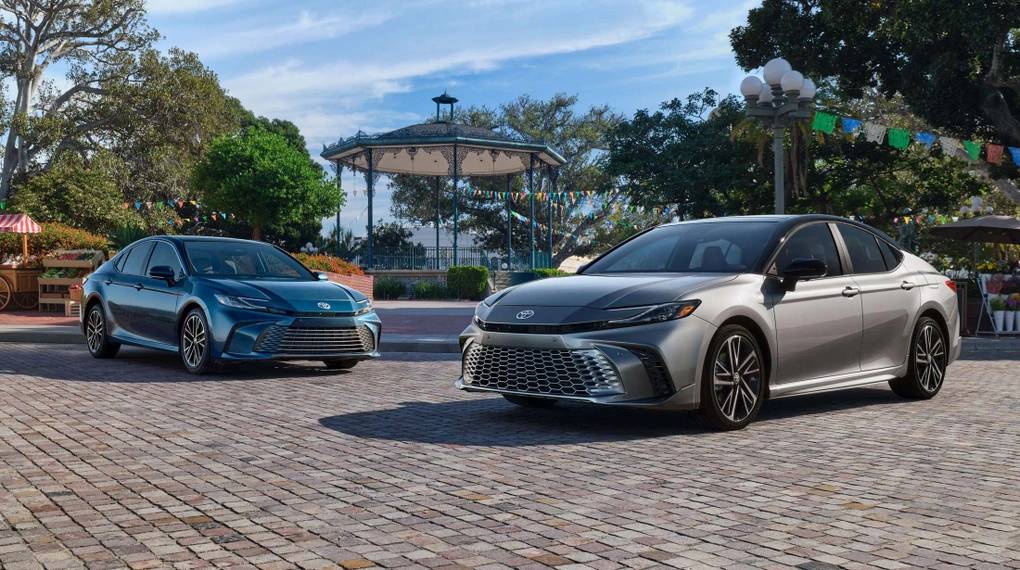
How Reliable Is the Toyota Camry Overall?
The Toyota Camry has consistently ranked among the most reliable midsize sedans on the market. Its reputation is built on decades of proven performance, simple yet durable engineering, and lower-than-average ownership costs. While many vehicles experience significant depreciation and rising maintenance expenses as they age, the Camry often remains dependable long after reaching high mileage.
One of the key reasons for the Camry’s strong reliability record is Toyota’s conservative engineering philosophy. Rather than introducing unproven technology too quickly, Toyota typically refines existing systems over multiple years. This approach reduces the likelihood of major mechanical failures and helps maintain long-term durability.
Most Toyota Camry models can easily reach 200,000 miles with routine maintenance. Owners who follow recommended service schedules often report achieving 250,000 to 300,000 miles without major engine or transmission repairs. This exceptional lifespan contributes to the vehicle’s strong resale value and popularity in the used car market.
Independent organizations such as Consumer Reports, J.D. Power, and the National Highway Traffic Safety Administration have consistently rated the Camry highly for dependability. While no vehicle is completely immune to problems, the Camry remains one of the safest choices for buyers seeking long-term reliability and affordable ownership.
Toyota Camry Reliability by Generation
Fourth Generation (1997–2001)
The fourth-generation Toyota Camry is often regarded as one of the most durable vehicles Toyota has ever produced. Built during an era when simplicity and mechanical reliability were prioritized over advanced technology, these models continue to earn praise from long-term owners.
The engines offered during this generation, particularly the 2.2-liter four-cylinder, are known for their ability to withstand high mileage with minimal issues. Routine maintenance such as oil changes, timing belt replacements, and cooling system service is usually enough to keep these vehicles running smoothly for many years.
One of the biggest advantages of the 1997 to 2001 Camry is its relatively low maintenance cost. Replacement parts remain widely available and affordable, making repairs less expensive than many modern vehicles. Owners also appreciate the straightforward design, which allows mechanics to diagnose and repair issues more easily.
As these vehicles age, common concerns include suspension wear, aging rubber components, minor oil leaks, and electrical issues related to aging wiring. However, these problems are generally expected for vehicles that are more than two decades old.
Overall, the fourth-generation Camry remains an excellent choice for budget-conscious buyers looking for a reliable used vehicle with a proven track record.
Fifth Generation (2002–2006)
The fifth-generation Camry introduced a more refined driving experience while maintaining Toyota’s strong reliability standards. Larger dimensions, improved comfort, and enhanced safety features helped make this generation one of the most popular in the model’s history.
The 2.4-liter four-cylinder engine and the optional V6 engine both developed reputations for longevity when properly maintained. Many examples from this generation continue to operate reliably with well over 200,000 miles on the odometer.
Owners often praise these models for their comfortable ride quality, smooth power delivery, and relatively low ownership costs. Fuel economy remains competitive even by modern standards, making these vehicles attractive options in the used car market.
Despite its strong reliability record, the fifth generation is not entirely free from issues. Some owners have reported dashboard cracking, worn engine mounts, and occasional steering-related concerns. Fortunately, most of these problems are manageable and typically less expensive to repair than major powertrain failures.
For buyers seeking an affordable used Camry that balances comfort, reliability, and value, the 2002 to 2006 generation remains one of the strongest choices available.
Sixth Generation (2007–2011)
The sixth-generation Toyota Camry arrived with a modernized design, improved interior space, and updated powertrain options. It quickly became one of the best-selling family sedans in North America. However, this generation presents a more mixed reliability picture compared to its predecessors.
The primary concern affecting some 2007 through 2009 four-cylinder models was excessive oil consumption. Many owners reported that their engines consumed oil at a higher-than-normal rate, requiring frequent top-offs between oil changes. In severe cases, neglecting this issue could lead to accelerated engine wear and costly repairs. Toyota eventually acknowledged the problem and introduced warranty extensions for certain affected vehicles.
Aside from the oil consumption issue, some owners experienced water pump failures, occasional transmission concerns, and premature wear of specific engine components. Fortunately, many of these problems became less common in later model years as Toyota implemented updates and refinements.
The 2010 and 2011 Camry models are generally considered the most reliable vehicles within this generation. By this point, many of the earlier issues had been addressed, resulting in improved owner satisfaction and fewer reported complaints.
For buyers considering a sixth-generation Camry, vehicle maintenance history is particularly important. A well-maintained example can still provide years of dependable service, while neglected vehicles may require significant repairs.
Seventh Generation (2012–2017)
The seventh-generation Camry marked a major step forward in overall reliability and owner satisfaction. Toyota focused on improving build quality, fuel efficiency, ride comfort, and safety features while addressing many of the concerns that affected earlier models.
The standard four-cylinder engine proved to be highly durable, while the available V6 continued Toyota’s tradition of long-lasting performance. Many owners report trouble-free operation well beyond 200,000 miles with only routine maintenance.
This generation also benefits from lower complaint volumes compared to the previous generation. Although no vehicle is perfect, reported issues were generally less severe and less frequent. Some owners noted occasional torque converter shudder in automatic transmission models, while others experienced minor infotainment system glitches. These issues rarely resulted in major repair costs.
The 2015 through 2017 models are often viewed as the standout years of this generation. Toyota introduced a significant refresh in 2015 that improved interior quality, ride refinement, and overall driving dynamics. The 2017 Camry, in particular, is frequently recognized as one of the most reliable Camry models ever produced.
For used car buyers seeking a balance between affordability, modern features, and proven reliability, the seventh-generation Camry represents one of the smartest purchases available.
Eighth Generation (2018–Present)
The eighth-generation Camry introduced a completely redesigned platform built on Toyota’s TNGA architecture. This redesign transformed the Camry from a traditional family sedan into a more engaging and technologically advanced vehicle while maintaining its reputation for reliability.
The new platform improved structural rigidity, handling characteristics, fuel efficiency, and safety performance. Toyota also upgraded the powertrain lineup, introducing more efficient engines and advanced driver-assistance technologies as standard equipment on many trims.
Early production models experienced some transmission calibration complaints, with owners reporting hesitation or unusual shifting behavior under certain driving conditions. In most cases, software updates resolved these concerns without requiring major mechanical repairs.
Since 2020, reliability ratings have remained consistently strong. Owners frequently praise the vehicle’s smooth operation, excellent fuel economy, comfortable interior, and low maintenance requirements. Hybrid variants have also demonstrated impressive long-term dependability, making them attractive options for drivers seeking maximum efficiency.
While modern technology inevitably introduces additional complexity, the eighth-generation Camry continues to rank among the most reliable midsize sedans available today. For buyers seeking a newer vehicle with advanced safety features and a proven track record, these models remain excellent long-term investments.
Most Reliable Toyota Camry Years
While the Toyota Camry has maintained a strong reputation throughout its history, certain model years have consistently stood out for exceptional reliability, low ownership costs, and long-term durability. These vehicles combine proven engineering, minimal reported problems, and high owner satisfaction.
10. 2005 Toyota Camry
The 2005 Camry remains one of the best choices for buyers seeking affordability and reliability. By this point, Toyota had refined the fifth-generation platform, resulting in fewer mechanical issues and strong overall dependability.
Owners frequently report driving well beyond 200,000 miles with only routine maintenance. The four-cylinder engine offers excellent fuel economy while keeping repair costs relatively low. Parts remain widely available, making ownership affordable even today.
For buyers on a tight budget, the 2005 Camry continues to provide excellent value and dependable transportation.
9. 2001 Toyota Camry
The final year of the fourth generation is widely praised for its legendary durability. Its simple design, proven powertrain, and minimal electronic complexity make it one of the most dependable Camrys ever built.
Many examples have surpassed 300,000 miles with proper maintenance. Common repairs are generally inexpensive, and the vehicle’s straightforward engineering allows mechanics to diagnose problems quickly.
Although age-related wear should be expected, the 2001 Camry remains a favorite among owners seeking maximum longevity.
8. 2010 Toyota Camry
The 2010 model benefited from improvements made after earlier sixth-generation concerns. Toyota addressed many of the issues that affected the 2007 through 2009 models, leading to improved reliability ratings and owner satisfaction.
The four-cylinder and V6 engines both deliver strong performance and durability when properly maintained. Owners typically experience lower repair frequencies compared to earlier sixth-generation vehicles.
For shoppers considering a used Camry from this era, the 2010 model represents one of the safest choices.
7. 2014 Toyota Camry
The 2014 Camry combines modern safety features, strong fuel economy, and proven mechanical reliability. It is often regarded as one of the best values in the used midsize sedan market.
Owners praise its comfortable ride quality, low maintenance requirements, and dependable drivetrain. Major mechanical failures are relatively uncommon, and routine servicing costs remain reasonable.
Its combination of affordability and reliability makes it a popular recommendation among automotive experts.
6. 2020 Toyota Camry
The 2020 Camry demonstrates how successfully Toyota refined the eighth-generation platform. Early transmission calibration concerns from the initial redesign had largely been resolved, resulting in a more polished ownership experience.
This model offers advanced safety technology, excellent fuel efficiency, and strong reliability ratings. Both gasoline and hybrid variants have earned positive reviews from owners and industry analysts alike.
For buyers seeking a newer vehicle with modern features and long-term dependability, the 2020 Camry is an excellent option.
Toyota Camry Years to Avoid
Although no Toyota Camry year should automatically be considered a bad vehicle, certain model years have generated significantly more complaints than others. Buyers should approach these models carefully and perform thorough inspections before making a purchase.
2007 Toyota Camry
The 2007 model introduced the sixth generation but also brought some of the most commonly reported reliability concerns in Camry history.
The most notable issue involved excessive oil consumption in certain four-cylinder engines. Some owners found themselves adding oil frequently between scheduled oil changes. Ignoring this problem could eventually result in engine damage and expensive repairs.
Potential buyers should carefully review maintenance records and inspect engine condition before purchasing a 2007 Camry.
2008 Toyota Camry
The 2008 Camry continued to experience many of the same concerns reported in the previous model year. Oil consumption complaints remained one of the most common owner frustrations.
In addition to engine-related concerns, some owners reported water pump failures and minor transmission issues. While many vehicles from this year continue to operate reliably, proper maintenance history is especially important when evaluating a potential purchase.
2009 Four Cylinder Models
Although Toyota continued making improvements, some four-cylinder 2009 Camrys still experienced oil consumption concerns similar to earlier models.
Not every vehicle was affected, but buyers should verify service records and look for evidence of proper maintenance. Vehicles that received necessary repairs and consistent care can still provide dependable service.
The V6 versions from this model year generally experienced fewer complaints and are often considered more desirable.
Early 2018 Models
The completely redesigned 2018 Camry introduced many positive changes but also experienced a few early production challenges.
Some owners reported transmission hesitation, rough shifting behavior, and software-related concerns. Most of these issues were resolved through updates and technical service bulletins, but buyers should confirm that all recommended updates have been completed.
Later eighth-generation models typically offer a more refined ownership experience.
Common Toyota Camry Problems by Year
Even the most reliable vehicles experience occasional issues, and the Toyota Camry is no exception. Understanding the most common problems associated with different model years can help owners identify potential concerns early and make smarter purchasing decisions.
Engine Problems
Engine-related issues are relatively uncommon across the Camry lineup, but a few model years deserve special attention.
The most widely known concern involves excessive oil consumption in certain 2007 through 2009 four-cylinder models. Affected vehicles may burn oil between service intervals, requiring frequent monitoring and refilling. If left unchecked, low oil levels can increase engine wear and potentially lead to major mechanical failures.
Water pump failures have also been reported in some sixth-generation models. Symptoms typically include coolant leaks, engine overheating, or unusual noises from the engine compartment. Fortunately, water pump replacement is generally straightforward and less expensive than major engine repairs.
Aside from these issues, most Camry engines have earned a reputation for exceptional durability when maintained according to Toyota’s recommended service schedule.
Transmission Problems
Toyota transmissions are generally reliable, but certain model years have experienced isolated concerns.
Some seventh-generation vehicles developed torque converter shudder, which can feel like vibration or hesitation during acceleration. While this issue can be frustrating, many affected vehicles were repaired through software updates or transmission service procedures.
Early eighth-generation models occasionally received complaints about shift quality and transmission hesitation. In most cases, these concerns were linked to software calibration rather than mechanical failure. Updated programming significantly improved performance and driver satisfaction.
Routine transmission fluid inspections and timely maintenance can help maximize transmission lifespan and reduce the likelihood of costly repairs.
Electrical and Technology Issues
As the Camry evolved and incorporated more advanced technology, electrical issues became slightly more common.
Older models may experience power window failures, aging wiring concerns, faulty sensors, or dashboard illumination problems. These issues are typically related to vehicle age rather than manufacturing defects.
Newer generations occasionally encounter infotainment glitches, touchscreen responsiveness issues, Bluetooth connectivity concerns, or software bugs. Fortunately, many of these problems can be corrected through updates or component replacement.
Compared to many competitors, Toyota’s electronic systems remain relatively dependable and rarely result in significant ownership costs.
Suspension and Steering Wear
High-mileage Camrys may eventually require suspension and steering repairs due to normal wear and tear.
Common maintenance items include shock absorbers, struts, control arm bushings, sway bar links, and steering components. Drivers may notice symptoms such as uneven tire wear, reduced ride comfort, or increased road noise.
These repairs are generally expected as vehicles age and are not considered major reliability concerns. In fact, many Camrys reach exceptionally high mileage before requiring substantial suspension work.
Toyota Camry Maintenance Costs by Model Year
One of the biggest reasons for the Camry’s popularity is its affordable maintenance and repair costs. Compared with many midsize sedans, the Camry typically requires less frequent repairs and lower overall ownership expenses.
Fourth Generation (1997–2001)
These models are inexpensive to maintain due to their simple mechanical design. Replacement parts are affordable, and most repairs can be completed without specialized equipment.
Owners should budget for age-related maintenance, including suspension components, cooling system repairs, and gasket replacements.
Fifth Generation (2002–2006)
Maintenance costs remain relatively low, making these models attractive choices for budget-conscious buyers.
Routine expenses typically include oil changes, brake service, tires, and occasional suspension repairs. Major powertrain failures are relatively rare when vehicles are properly maintained.
Sixth Generation (2007–2011)
Maintenance costs can vary significantly depending on the vehicle’s history.
Models affected by oil consumption issues may require additional monitoring and repairs. Buyers should verify that any known engine concerns have been properly addressed before purchase.
Later years within this generation generally have lower ownership costs than earlier models.
Seventh Generation (2012–2017)
This generation is often considered one of the most cost-effective Camrys to own.
Repair frequency is low, parts availability is excellent, and routine maintenance remains affordable. Many owners report years of trouble-free operation with only standard service requirements.
Eighth Generation (2018–Present)
Newer Camrys benefit from improved engineering and strong reliability ratings, though maintenance costs may be slightly higher due to advanced technology and electronic systems.
Hybrid models may incur additional battery-related expenses over very long ownership periods, but overall ownership costs remain competitive within the midsize sedan segment.
Best Toyota Camry to Buy Based on Budget
Choosing the right Camry often depends on your available budget, desired features, and long-term ownership goals.
Best Camrys Under $8,000
For buyers seeking maximum value, the 2001, 2005, and 2006 Camry models offer outstanding reliability at affordable prices.
These vehicles may lack modern technology, but they compensate with proven durability and lower repair costs. A well-maintained example can still provide years of dependable service.
Best Camrys Between $8,000 and $15,000
The 2012, 2014, and 2015 Camry models represent an excellent balance between affordability and modern convenience.
Buyers gain access to improved safety features, better fuel economy, enhanced comfort, and stronger overall reliability compared to many older competitors.
Best Camrys Between $15,000 and $25,000
The 2017, 2018, and 2020 Camry models offer some of the best value in today’s used car market.
These vehicles provide advanced safety technology, refined driving dynamics, excellent fuel economy, and strong reliability records. The 2017 model is particularly attractive due to its reputation as one of the most dependable Camrys ever produced.
Best Camrys Above $25,000
Buyers with larger budgets should consider 2022 and newer models.
These vehicles include the latest safety systems, improved infotainment technology, enhanced fuel efficiency, and outstanding reliability ratings. They also benefit from lower mileage and remaining factory warranty coverage in many cases.
Conclusion
The Toyota Camry has earned its reputation as one of the most reliable vehicles ever produced, but as this guide demonstrates, reliability can vary significantly from one model year to another. While nearly every generation offers dependable transportation, certain years stand out for their exceptional durability, lower maintenance costs, and long-term owner satisfaction.
For buyers searching for the most reliable Toyota Camry years, models such as the 2017, 2015, 2020, and 2014 consistently rank among the strongest choices. These vehicles combine proven engineering, strong reliability records, modern safety features, and reasonable ownership expenses. On the other hand, shoppers should exercise additional caution when considering certain 2007 through 2009 four-cylinder models due to their history of oil consumption issues.
It is important to remember that a vehicle’s maintenance history often matters just as much as the model year itself. A well-maintained Camry with complete service records can outperform a newer vehicle that has been neglected. Before purchasing any used Camry, buyers should review maintenance documentation, inspect the vehicle thoroughly, and obtain a professional pre-purchase inspection whenever possible.
Whether you are looking for an affordable commuter car, a dependable family sedan, or a long-term investment, understanding Toyota Camry reliability by year can help you make a smarter decision and enjoy years of worry-free ownership. With the right model and proper maintenance, a Toyota Camry can remain a trusted companion for hundreds of thousands of miles.
Across many manufactures of newer hybrid models there seems to be a possibility of complete loss of power that can happen at any time with any mileage. One example is the Hyundai Palisade and KIA hybrids. Their ICCU modules can malfunction causes total loss of power. Although Toyota does not incorporate an ICCU architecture, it appears they have experienced similar problems. Imagine being on an Interstate where you and everyone else is doing 75mph. All of a sudden, your vehicle loses power and abruptly slows causing chain reaction collusions. You could easily be talking mortality rates in lieu of mobility rates. Could it be, that even those considered as dependable and safe vehicles end up being death traps because of rushed or not diligently engineered hybrid systems by the manufactures. The word needs to get out so catastrophic events are not a possibility. The manufactures need to rethink their design analytics. If they don’t, it could have a devastating effect on their “bottom lines.”