Have you ever found the perfect Toyota model online, only to discover that your local dealership does not have the exact color, trim level, or features you want? If so, you may have wondered whether it is possible to order a Toyota directly from the factory and have it built to your specifications.
Many car buyers assume that ordering a vehicle from the factory is a straightforward process. While some automakers offer custom factory builds, Toyota operates differently in many markets, particularly in the United States. Instead of traditional factory orders, Toyota primarily relies on an allocation system that distributes vehicles to dealerships based on demand and production planning. This often leaves buyers confused about what options are actually available when searching for their ideal vehicle.
Whether you are shopping for a Toyota Camry, RAV4, Tacoma, Highlander, or Prius, understanding how Toyota’s ordering process works can save you time, money, and frustration. It can also help you avoid common issues such as long waiting periods, dealer markups, and settling for a vehicle that does not meet your expectations.
In this complete guide, you will learn how Toyota’s ordering system works, whether factory orders are possible, what customization options are available, how long the process typically takes, and the best strategies for getting the exact Toyota you want.
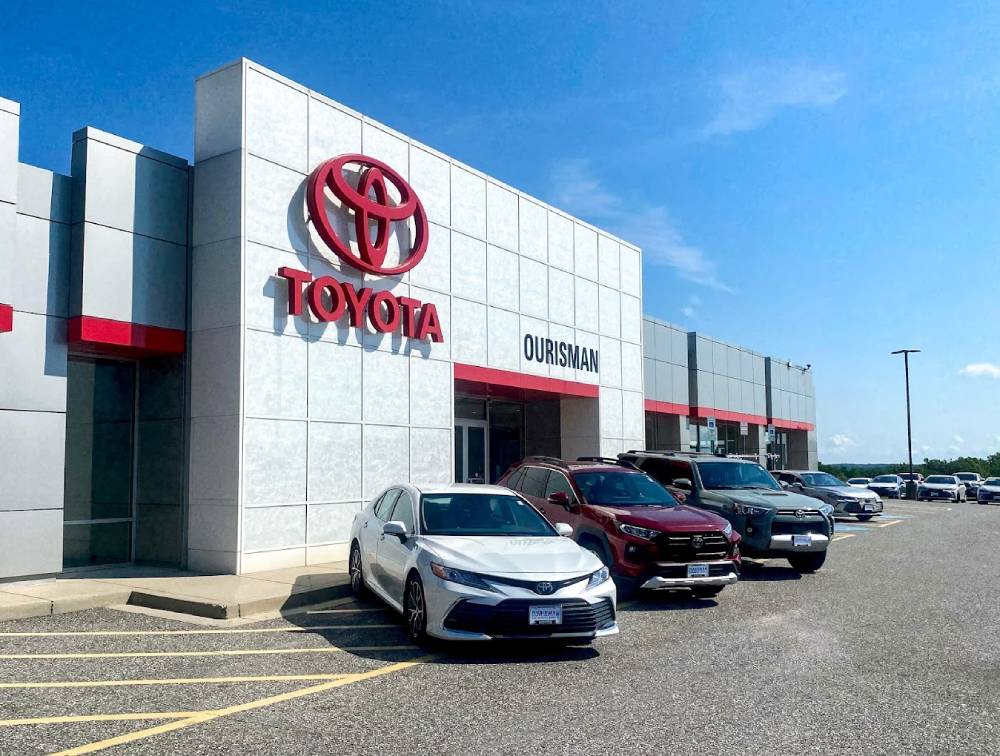
Can You Order a Toyota From The Factory?
The short answer is: not in the traditional sense, at least for most buyers in the United States. Unlike some automakers that allow customers to place a direct factory order and choose every detail of their vehicle, Toyota generally operates through a vehicle allocation system. This means dealerships receive vehicles based on Toyota’s production plans, regional demand, and inventory needs rather than building a car specifically for each customer order.
That does not mean buyers are completely out of options. If a dealership does not currently have the exact Toyota you want, the dealer can often search incoming inventory, locate a matching vehicle from another dealership, or submit a request for a future allocation that closely matches your preferred specifications. While this process may feel similar to a factory order, it is technically different because the vehicle is usually selected from planned production rather than built from scratch for a specific customer.
Toyota’s approach helps streamline manufacturing and reduce delivery times across its global network. However, it can sometimes make it more difficult for buyers who are looking for highly specific combinations of colors, trims, or optional equipment. Understanding this distinction is important because it sets realistic expectations and helps buyers navigate the purchasing process more effectively.
For most shoppers, the best strategy is to work closely with a knowledgeable Toyota dealership and remain somewhat flexible regarding colors, accessories, or package options. Doing so can significantly improve the chances of finding the right vehicle without facing lengthy delays.
Understanding Toyota’s Vehicle Allocation System
Toyota’s allocation system is the foundation of how vehicles are distributed to dealerships throughout the country. Instead of waiting for individual customer orders before beginning production, Toyota analyzes market demand, sales trends, regional preferences, and dealership performance to determine which vehicles should be produced and where they should be shipped.
When a dealership receives its allocation schedule, it gains visibility into vehicles that are either already in production or scheduled for production in upcoming manufacturing cycles. Dealers can then match these vehicles to customer requests whenever possible. If a buyer is searching for a specific configuration, the dealership may reserve an incoming vehicle before it arrives on the lot.
This system provides several benefits for Toyota. Manufacturing efficiency improves because the company can build large volumes of popular configurations rather than creating unique vehicles for every customer order. Production costs remain lower, and delivery timelines are often shorter than traditional factory-order systems.
From a buyer’s perspective, however, the allocation system presents both advantages and challenges. On the positive side, customers may receive their vehicles faster because many units are already planned or in production. On the downside, customization options are more limited, and some rare combinations of colors, trims, or packages may never appear in the allocation pipeline.
As supply chain conditions continue to improve, Toyota’s allocation system remains one of the primary reasons the company can maintain strong inventory levels while serving millions of customers worldwide.
Can a Dealer Request a Specific Toyota for You?
Although Toyota does not typically offer direct factory ordering for most customers, dealerships can often help buyers secure a vehicle that closely matches their desired configuration. This process is commonly referred to as a special request, and it plays an important role in helping customers obtain vehicles that are not currently available in local inventory.
When a buyer provides details such as model, trim level, exterior color, interior color, drivetrain, and preferred packages, the dealership can search upcoming allocations and incoming inventory for a match. In some cases, dealers may also coordinate with other Toyota dealerships to locate a vehicle that meets the customer’s requirements.
Popular requests often involve features such as premium technology packages, upgraded wheels, advanced safety equipment, hybrid powertrains, or specific exterior colors. Buyers looking for high-demand models such as the Toyota RAV4 Hybrid, Toyota Tacoma, or Toyota Prius may find this process especially useful because these vehicles can sell quickly after arriving at dealerships.
However, it is important to understand that special requests do not guarantee production of a unique vehicle. The dealership is essentially attempting to secure a vehicle from Toyota’s existing production schedule. If the requested configuration is uncommon or production capacity is limited, buyers may need to wait longer or consider alternative specifications.
Maintaining flexibility can dramatically improve success rates. Buyers who are willing to consider multiple color choices or package combinations often receive their vehicles much sooner than those seeking a highly specific configuration.
Which Toyota Models Are Most Commonly Requested?
Certain Toyota models generate significantly more special requests than others due to their popularity, fuel efficiency, advanced technology, or limited availability. Understanding which models are frequently requested can help buyers anticipate potential wait times and inventory challenges.
The Toyota RAV4 consistently ranks among the most sought-after vehicles in Toyota’s lineup. Buyers often request hybrid variants, higher trim levels, and specific color combinations. Because of strong consumer demand, some configurations can be difficult to find immediately, especially during peak buying seasons.
The Toyota Camry remains a favorite among sedan shoppers who value reliability, comfort, and fuel economy. Requests commonly focus on sport-oriented trims, premium interior packages, and hybrid powertrains. While availability is generally better than some SUVs, certain trims may still require additional waiting time.
The Toyota Tacoma continues to attract truck buyers looking for off-road capability and long-term durability. Models equipped with premium off-road packages, upgraded suspension systems, and advanced technology features are often in high demand and may require reservation through incoming allocations.
The Toyota Highlander appeals to families seeking a spacious and dependable SUV. Hybrid versions and upper-level trims frequently experience strong demand because buyers prioritize fuel savings and enhanced comfort features.
The Toyota Prius remains popular among consumers focused on fuel efficiency and environmentally conscious driving. Demand for hybrid and plug-in hybrid variants can exceed available inventory in some regions, leading to longer wait periods.
Because these models are among Toyota’s best-selling vehicles, buyers should contact dealerships early and monitor incoming inventory closely to improve their chances of securing the desired configuration.
Can You Customize a Toyota Factory Order?
One of the biggest questions buyers have is whether they can fully customize a Toyota when requesting a vehicle. The answer depends on what level of customization you are expecting.
Toyota does allow buyers to select from available trim levels, color options, drivetrain configurations, and factory-installed packages that are already part of the company’s production planning. Depending on the model, customers may choose between different wheel designs, technology packages, interior materials, and convenience features.
For example, a buyer shopping for a Toyota RAV4 may be able to select a specific trim level, preferred exterior color, all-wheel drive configuration, and a technology package that includes advanced driver assistance features. However, the range of choices is usually limited to combinations that Toyota has already approved for production.
Dealership-installed accessories provide additional opportunities for personalization. Popular upgrades include all-weather floor mats, roof racks, running boards, cargo organizers, bed liners, towing equipment, and appearance packages. These accessories can help buyers create a vehicle that better fits their lifestyle without requiring a fully custom factory build.
Compared with traditional factory-order programs offered by some manufacturers, Toyota’s customization process is more structured and less flexible. Buyers cannot typically create unique combinations outside Toyota’s established production configurations. Nevertheless, most customers can still obtain a vehicle that closely matches their preferences through careful planning and communication with their dealership.
How Long Does It Take to Get a Toyota Ordered Through a Dealer?
Delivery timelines vary widely depending on the vehicle model, market conditions, production schedules, and the specific configuration requested by the customer. Because Toyota primarily operates through its allocation system, there is no universal timeline that applies to every order.
For common models with strong inventory availability, buyers may find a matching vehicle within days or weeks. Dealerships often have access to incoming allocations that have not yet arrived on the lot, allowing customers to reserve a vehicle before it becomes available to the general public.
More popular models, particularly hybrids and specialty trims, can involve longer waiting periods. Vehicles such as the RAV4 Hybrid, Prius, Tacoma TRD Pro, or other high-demand configurations may require several months of waiting depending on production capacity and regional demand.
Several factors influence delivery timelines. Supply chain disruptions, transportation delays, seasonal demand spikes, and limited production capacity can all affect how quickly a vehicle reaches the dealership. Geographic location also plays a role, as some regions receive larger allocations than others.
Buyers should maintain regular communication with their dealership throughout the process. Once a vehicle is assigned to a customer, dealerships can often provide updates regarding production status, shipping progress, and estimated arrival dates. In many cases, obtaining a vehicle faster comes down to flexibility. Customers willing to accept multiple color options or trim levels often receive their vehicles sooner than those searching for a very specific configuration.
Costs Associated With Ordering a Toyota
One of the most important considerations when requesting a Toyota through a dealership is understanding the total cost involved. Many buyers assume that securing a vehicle through a special request automatically results in higher pricing, but that is not always the case.
The starting point for most purchases is the Manufacturer’s Suggested Retail Price (MSRP). This is the price recommended by Toyota before taxes, registration fees, and dealership charges are added. Depending on market conditions, some dealerships may sell vehicles at or near MSRP, while others may charge additional premiums for highly desirable models.
Dealer fees are another factor that buyers should consider. Documentation fees, registration costs, title fees, and local taxes can add a significant amount to the final purchase price. While some of these charges are required, others may vary between dealerships.
Additional accessories can also increase costs. Buyers who choose dealer-installed options such as roof racks, towing equipment, upgraded wheels, cargo organizers, or protective packages should expect these additions to be reflected in the final purchase agreement. Although these upgrades can improve functionality and appearance, they should be reviewed carefully to ensure they fit within the buyer’s budget.
Another potential expense involves dealer markups. During periods of high demand and limited inventory, some dealerships may charge prices above MSRP for popular vehicles. This practice became especially common for hybrid models and high-demand trucks during recent supply shortages. Buyers can often avoid excessive markups by comparing offers from multiple dealerships and remaining flexible about vehicle specifications.
Understanding all associated costs before placing a request helps buyers make informed decisions and prevents unexpected surprises during the purchasing process.
Factory Order vs Buying From Dealer Inventory
When deciding how to purchase a Toyota, buyers often face a choice between requesting a specific vehicle through a dealership or selecting a vehicle that is already available in inventory. Each option offers distinct advantages depending on the buyer’s priorities.
Choosing a vehicle from dealer inventory provides immediate availability. Buyers can inspect the vehicle in person, complete the transaction quickly, and take delivery without waiting for future production or shipment schedules. This option is ideal for customers who need transportation right away or want to avoid uncertainty regarding delivery timelines.
Requesting a specific vehicle through the allocation process offers a greater chance of obtaining preferred colors, trim levels, and equipment packages. Although buyers may need to wait longer, they often end up with a vehicle that more closely matches their expectations.
Inventory purchases can sometimes provide stronger negotiating opportunities, especially when dealerships are looking to reduce existing stock. On the other hand, highly desirable inventory units may sell quickly and leave buyers with limited choices.
The best option ultimately depends on individual priorities. Buyers who value convenience and speed may prefer selecting from available inventory. Those who are willing to wait in exchange for a better match to their desired specifications may benefit from submitting a special request through a dealership.
Understanding the trade-offs between these two approaches can help consumers choose the purchasing strategy that best aligns with their needs, budget, and timeline.
Pros and Cons of Ordering a Toyota
Requesting a Toyota through a dealership allocation process offers several benefits that can make the extra effort worthwhile. One of the biggest advantages is the ability to obtain a vehicle that closely matches personal preferences. Buyers often gain access to desired trim levels, colors, technology packages, and other features that may not be available in current dealership inventory.
Another advantage is the possibility of receiving a newer production vehicle. Since many requested units are sourced from upcoming allocations, buyers may benefit from the latest manufacturing updates, software improvements, or feature enhancements introduced during the production cycle.
The process can also reduce the need to compromise. Instead of settling for a vehicle with unwanted options or missing features, customers have a better chance of finding a configuration that meets their expectations.
However, there are disadvantages to consider. Waiting periods remain the most common concern. Depending on demand and production schedules, buyers may need to wait weeks or even months before receiving their vehicle.
Allocation uncertainty can also create frustration. Because Toyota does not typically build vehicles specifically for individual customers, there is no guarantee that every requested configuration will become available quickly. In some cases, buyers may need to adjust their preferences to secure a vehicle sooner.
Pricing can be another challenge. Market demand, dealer markups, and changing incentives may affect the final purchase cost during the waiting period. Buyers should discuss pricing policies with dealerships before committing to a request.
Despite these drawbacks, many Toyota customers find that the benefits of obtaining the right vehicle outweigh the inconvenience of waiting, especially when purchasing a vehicle they plan to keep for many years.
Tips for Getting the Exact Toyota You Want
Finding the perfect Toyota can sometimes feel challenging, especially when inventory levels fluctuate and popular models sell quickly. Fortunately, there are several strategies buyers can use to improve their chances of securing the exact vehicle they want without unnecessary delays.
One of the most effective approaches is contacting multiple Toyota dealerships. Each dealership receives different vehicle allocations, and a configuration that is unavailable at one location may already be scheduled to arrive at another. Expanding your search beyond your immediate area can significantly increase your options.
Flexibility can also make a major difference. Buyers who are willing to consider alternative colors, interior materials, or package combinations often receive vehicles much faster than those seeking a highly specific configuration. Even small adjustments to preferences can open up additional inventory opportunities.
Another valuable strategy is asking dealerships about incoming allocations rather than focusing only on vehicles currently in stock. Many dealers can reserve vehicles that are still in production or in transit, allowing customers to secure popular models before they arrive on the lot.
For high-demand vehicles such as the Toyota RAV4 Hybrid, Tacoma, Prius, or certain limited-production trims, placing a reservation as early as possible can improve your position in line. Early action is especially important during periods of strong market demand.
Buyers should also monitor inventory across different regions. Some areas receive larger allocations of specific models due to local demand patterns. A short drive or transportation arrangement may provide access to a vehicle that would otherwise require a lengthy wait.
Combining these strategies can greatly improve the chances of obtaining the exact Toyota configuration that fits your needs and budget.
Frequently Asked Questions
Can I order a Toyota directly from Toyota?
In most markets, including the United States, customers cannot typically place a direct factory order with Toyota. Instead, purchases are handled through authorized Toyota dealerships that work within Toyota’s allocation system.
Does Toyota offer custom factory builds?
Toyota offers limited customization through available trims, colors, packages, and accessories. However, buyers generally cannot create completely unique factory-built configurations outside Toyota’s approved production options.
How long does a Toyota special request take?
The timeline depends on the model, trim level, demand, and production availability. Some buyers may receive a vehicle within a few weeks, while others may wait several months for a highly sought-after configuration.
Can I track my Toyota request?
Many dealerships provide updates throughout the process. Once a vehicle has been assigned or enters the shipping phase, customers can often receive status updates and estimated delivery information from their dealer.
Is ordering a Toyota worth it?
For buyers who want specific features, colors, or trim levels, requesting a vehicle through a dealership can be worthwhile. Although it may involve a longer wait, it often results in greater satisfaction compared to purchasing a vehicle that does not fully meet expectations.
Conclusion
So, can you order a Toyota from the factory? The answer is not exactly. Unlike some manufacturers that build vehicles directly to customer specifications, Toyota primarily relies on an allocation system that distributes vehicles to dealerships based on market demand and production planning. While this means most buyers cannot place a traditional factory order, dealerships can often help locate or reserve a vehicle that closely matches the desired configuration.
Understanding how Toyota’s allocation process works is essential for setting realistic expectations. Buyers who know the difference between a factory order and a dealer request are better prepared to navigate inventory challenges, delivery timelines, and customization limitations.
The key to success is flexibility and proactive communication. Working with multiple dealerships, monitoring incoming allocations, and remaining open to similar configurations can dramatically improve your chances of securing the right vehicle. These strategies are particularly valuable when shopping for popular models such as the RAV4, Tacoma, Highlander, Camry, or Prius.
Ultimately, ordering a Toyota through a dealership can be an excellent option for buyers who are willing to invest a little extra time to get the features they truly want. By understanding the process and planning ahead, you can make a more informed purchasing decision and drive away in a Toyota that meets your expectations for years to come.
Thank you. this clears up somethings for me. I have been so frustrated with dealers and their insistence of accessories that they say are port installed but do not seem like they are. Like floor mats at 500, roof rack, etc. They say they can’t sell them without these accessories. Each dealer has different port accessories.
I just want a 2026 RAV 4. Seems like Toyota does not really want to sell cars.