Powerful V8 engines have long been the heart of many Chevrolet, GMC, and Cadillac vehicles, delivering the performance and towing capability drivers expect. However, increasing fuel prices and stricter emissions regulations have challenged automakers to improve efficiency without sacrificing power. To meet these demands, General Motors developed GM Cylinder Deactivation, a technology designed to reduce fuel consumption by allowing the engine to operate with fewer cylinders when full power is unnecessary.
If you’ve noticed your GM truck or SUV switching from V8 mode to V4 mode, or you’ve heard terms like Active Fuel Management (AFM) and Dynamic Fuel Management (DFM), you’re not alone. Many vehicle owners are curious about how this system works, whether it truly saves fuel, and why it has become associated with issues such as lifter failure and increased maintenance costs.
In this complete guide, you’ll learn everything you need to know about GM Cylinder Deactivation, including how the technology functions, the differences between AFM and DFM, the benefits it offers, the most common problems reported by owners, and whether disabling the system is a worthwhile option. Whether you’re considering buying a GM vehicle or already own one, this guide will help you make informed decisions about performance, reliability, and long-term maintenance.
What Is GM Cylinder Deactivation?
GM Cylinder Deactivation is an advanced engine technology developed by General Motors to improve fuel efficiency without compromising the power of larger gasoline engines. The system temporarily shuts down a portion of the engine’s cylinders during light driving conditions, allowing the engine to consume less fuel while maintaining smooth operation. When additional power is needed, such as during acceleration, towing, or climbing steep grades, all cylinders are reactivated almost instantly.
The primary goal of cylinder deactivation is to reduce fuel consumption and lower exhaust emissions. Larger V8 engines are capable of producing impressive horsepower and torque, but they rarely need to use their full output during everyday driving. Whether cruising on the highway or driving through light traffic, the engine often operates well below its maximum capacity. GM designed this technology to take advantage of those low load situations by reducing the number of active cylinders.
General Motors first introduced this technology under the name Active Fuel Management (AFM) in the mid 2000s. AFM typically deactivates four cylinders in compatible V8 engines, allowing the engine to operate as a four cylinder engine whenever possible. As engine technology continued to evolve, GM introduced Dynamic Fuel Management (DFM), a more sophisticated system capable of deactivating different combinations of cylinders depending on driving conditions. Unlike AFM, which switches between fixed V8 and V4 modes, DFM continuously adjusts the number of active cylinders to maximize efficiency while maintaining seamless performance.
Today, GM Cylinder Deactivation is found in many Chevrolet, GMC, and Cadillac models equipped with V8 engines. It has become one of General Motors’ key technologies for meeting modern fuel economy standards while preserving the performance characteristics that truck and SUV owners expect.
How Does GM Cylinder Deactivation Work?
Although the technology behind GM Cylinder Deactivation is highly sophisticated, its operating principle is relatively easy to understand. The system constantly monitors driving conditions and determines whether the engine requires full power. If the vehicle is cruising at a steady speed or operating under a light load, the engine control module temporarily deactivates selected cylinders to reduce fuel consumption.
The process begins with the engine control module collecting information from multiple sensors throughout the vehicle. These sensors monitor throttle position, engine speed, vehicle speed, transmission load, oil pressure, and driver input. Based on this data, the computer decides whether cylinder deactivation can occur without affecting drivability.
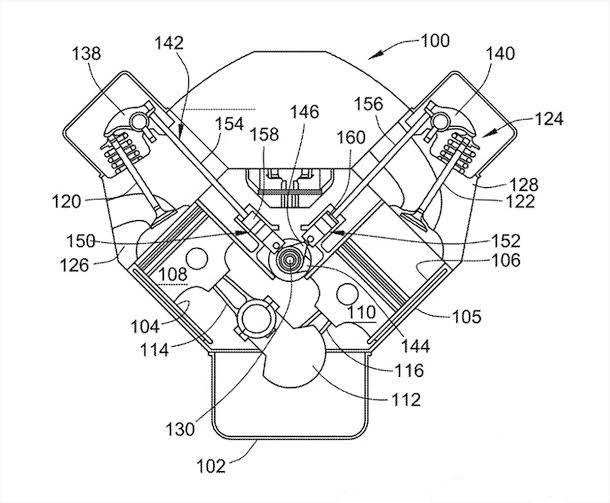
Once the proper conditions are met, the system uses electronically controlled oil pressure to deactivate specialized hydraulic lifters. These lifters prevent the intake and exhaust valves on selected cylinders from opening. At the same time, fuel injection and spark delivery to those cylinders are suspended. Since no air enters the combustion chamber and no fuel is injected, the deactivated cylinders stop producing power while acting like sealed air springs that help minimize vibration.
In an Active Fuel Management equipped V8 engine, four cylinders are typically deactivated, allowing the engine to operate in V4 mode. Dynamic Fuel Management takes this concept much further by activating only the exact number of cylinders needed at any given moment. This continuous adjustment allows the engine to balance fuel efficiency, performance, and refinement more effectively than earlier systems.
As soon as the driver presses the accelerator or the vehicle encounters a heavier load, oil pressure is restored to the hydraulic lifters. The valves begin operating normally again, fuel injection resumes, and all cylinders return to full operation within milliseconds. Most drivers never notice the transition because it happens so quickly and smoothly.
Active Fuel Management (AFM) vs Dynamic Fuel Management (DFM)
While both Active Fuel Management and Dynamic Fuel Management are forms of GM Cylinder Deactivation, they operate differently and represent two generations of the same fuel saving technology.
Active Fuel Management was introduced as GM’s first cylinder deactivation system. It follows a relatively simple strategy by switching between two operating modes. Under light engine loads, the engine disables four cylinders and runs as a four cylinder engine. When more power is required, it immediately returns to full eight cylinder operation. This design successfully improves fuel economy but limits flexibility because the engine can only operate in one of two configurations.
Dynamic Fuel Management was developed as the next evolution of the technology. Instead of switching between only V8 and V4 operation, DFM can activate or deactivate different combinations of cylinders hundreds of times per second. This allows the engine to use exactly the amount of power needed for current driving conditions, reducing unnecessary fuel consumption while delivering smoother performance.
Compared with AFM, Dynamic Fuel Management generally offers improved fuel efficiency, less noticeable transitions between operating modes, and better overall driving refinement. It also distributes cylinder activity more evenly across the engine, helping reduce stress on individual components during normal operation.
Although DFM represents a significant technological improvement, both systems rely on specialized hydraulic lifters and complex oil pressure control mechanisms. As a result, proper maintenance remains essential for long term reliability. Regular oil changes using the manufacturer recommended oil viscosity, maintaining correct oil levels, and addressing unusual engine noises promptly can help reduce the risk of mechanical issues regardless of which system your vehicle uses.
Benefits of GM Cylinder Deactivation
GM Cylinder Deactivation was developed to address one of the biggest challenges facing modern V8 engines, delivering strong performance while reducing fuel consumption. By allowing the engine to operate with fewer active cylinders during light driving conditions, the system helps drivers enjoy the benefits of a large displacement engine without paying the full fuel penalty during everyday use.
One of the most significant advantages is improved fuel economy. When cruising on highways or maintaining a constant speed, the engine does not require maximum power. In these situations, the system temporarily deactivates selected cylinders, reducing the amount of fuel injected into the engine. Depending on the vehicle, engine, and driving habits, drivers may notice measurable improvements in fuel efficiency, particularly during long highway trips where the engine spends more time under light load.
Lower fuel consumption also contributes to reduced carbon dioxide emissions. As governments around the world continue to introduce stricter environmental regulations, technologies such as cylinder deactivation help manufacturers meet emissions standards while continuing to offer larger V8 engines. For environmentally conscious drivers, this means enjoying traditional V8 performance with a smaller environmental footprint than older engine designs.
Another benefit is extended driving range. Since the engine consumes less fuel during steady cruising, vehicles equipped with AFM or DFM can travel farther on a single tank of gasoline. This is especially valuable for owners who frequently drive long distances, tow light loads across highways, or use their trucks for commuting.
Despite operating on fewer cylinders during certain conditions, the transition between different operating modes is designed to be nearly seamless. Modern GM vehicles use sophisticated engine management software, active engine mounts, and advanced exhaust tuning to minimize vibration and maintain a comfortable driving experience. Most drivers are unaware that the engine has switched from full cylinder operation unless they monitor the vehicle’s information display.
Perhaps the greatest advantage of GM Cylinder Deactivation is that it works automatically. Drivers do not need to activate a special driving mode or adjust their driving style. The engine control module continuously analyzes vehicle speed, throttle input, engine load, and other operating conditions before deciding when to activate or deactivate cylinders. The process occurs in milliseconds, allowing the engine to deliver full power whenever it is needed without requiring any input from the driver.
Although the technology offers meaningful fuel savings, its real world effectiveness depends on driving conditions. Drivers who spend most of their time on highways generally benefit more than those who drive exclusively in stop and go city traffic, where frequent acceleration limits the amount of time the engine can operate with fewer active cylinders.
Common GM Cylinder Deactivation Problems
While GM Cylinder Deactivation provides clear efficiency benefits, it has also become one of the most discussed engine technologies among GM owners because of several well documented reliability concerns. Most reported issues are associated with the mechanical components that enable cylinder deactivation rather than the software controlling the system itself.
The most widely known problem is hydraulic lifter failure. Both Active Fuel Management and Dynamic Fuel Management rely on specialized lifters that collapse and reactivate as oil pressure changes. Over time, these lifters can wear prematurely or fail to return to their normal operating position. When this occurs, the affected cylinder may misfire, produce unusual valve train noise, or lose compression. In severe cases, the engine may require extensive repairs involving both the lifters and camshaft.
Camshaft damage is another concern closely related to lifter failure. A collapsed lifter may no longer follow the camshaft lobe correctly, causing excessive wear on the camshaft surface. Once significant damage occurs, replacing the lifter alone is often insufficient because the worn camshaft can quickly damage the new component. Repair costs increase substantially when both parts require replacement.
Many owners also report a persistent ticking or clicking sound coming from the top of the engine. Although some engine noise is considered normal, loud or continuous ticking may indicate problems with the valve train, oil pressure, or AFM lifters. Ignoring these sounds can allow minor issues to develop into major engine failures.
Excessive oil consumption has also been reported in certain GM engines equipped with early Active Fuel Management systems. Some engines may consume oil at a higher rate than expected due to piston ring characteristics, crankcase pressure changes, or prolonged cylinder deactivation. If oil levels drop too low, engine lubrication may become insufficient, increasing the likelihood of internal component wear.
Drivers experiencing cylinder deactivation related issues may also notice rough idling, hesitation during acceleration, reduced engine performance, or an illuminated Check Engine Light. Diagnostic trouble codes associated with misfires or valve train problems should never be ignored because continued operation may lead to more expensive repairs.
It is important to note that not every GM vehicle equipped with AFM or DFM will experience these problems. Many owners accumulate well over 150,000 miles without major engine issues by following recommended maintenance schedules, using the correct engine oil, and addressing unusual symptoms as soon as they appear.
Which GM Vehicles Have Cylinder Deactivation?
GM Cylinder Deactivation has been installed in a wide range of General Motors vehicles over the past two decades. The technology is primarily found in V8 powered trucks, sport utility vehicles, and performance cars, although availability depends on the specific engine and model year rather than the vehicle name alone.
Chevrolet has adopted cylinder deactivation across several of its most popular models. The Chevrolet Silverado has been one of the most recognizable applications, with many 5.3 liter and 6.2 liter V8 engines equipped with either Active Fuel Management or Dynamic Fuel Management. The Chevrolet Tahoe and Suburban also use the technology to improve highway fuel economy while maintaining their strong towing capabilities. Performance oriented models such as the Chevrolet Camaro SS have incorporated cylinder deactivation to balance performance with modern efficiency standards.
GMC vehicles share many of the same powertrains as their Chevrolet counterparts. Models including the GMC Sierra and GMC Yukon commonly feature AFM or DFM depending on the engine and production year. These systems help large pickup trucks and full size sport utility vehicles achieve better fuel economy during highway driving without sacrificing their hauling and towing performance.
Cadillac has also implemented cylinder deactivation in luxury SUVs such as the Cadillac Escalade. Since these vehicles often use large displacement V8 engines, cylinder deactivation helps improve efficiency while preserving the smooth and powerful driving characteristics expected from a premium luxury vehicle.
It is important to understand that not every engine option includes cylinder deactivation. Certain diesel engines, turbocharged four cylinder engines, and some naturally aspirated V6 engines use different fuel saving technologies instead. Even within the same model lineup, two vehicles from different model years may use different engine management systems.
Before purchasing a used GM vehicle, owners should verify the engine code, production year, and factory specifications to determine whether the vehicle is equipped with Active Fuel Management or Dynamic Fuel Management. Understanding which system is installed can help buyers make informed decisions regarding maintenance requirements, long term reliability, and potential repair costs.
Is GM Cylinder Deactivation Reliable?
The reliability of GM Cylinder Deactivation has been a topic of debate since Active Fuel Management was first introduced. Some owners have driven their vehicles for hundreds of thousands of miles without experiencing major engine problems, while others have encountered expensive repairs related to lifter failure or excessive oil consumption. The reality lies somewhere between these two extremes and depends on several important factors, including engine design, maintenance history, and driving habits.
Early versions of Active Fuel Management, particularly those found in certain 5.3 liter V8 engines produced during the late 2000s and early 2010s, developed a reputation for valve train issues. The most common concern involved hydraulic lifters that failed to reactivate properly, sometimes leading to damaged camshafts and costly engine repairs. Some engines from this period also experienced higher than expected oil consumption, which could accelerate wear if oil levels were not checked regularly.
General Motors has continued refining the technology over the years. Dynamic Fuel Management, introduced on newer V8 engines, uses a more sophisticated control strategy that continuously determines the ideal number of active cylinders instead of switching only between V8 and V4 operation. Although DFM still relies on specialized valve train components, improvements in hardware and engine calibration have helped enhance overall drivability and efficiency.
Routine maintenance plays a critical role in long term reliability. Using the correct oil viscosity, replacing engine oil and filters at the recommended intervals, and maintaining proper oil levels all contribute to the health of the hydraulic lifters that make cylinder deactivation possible. Delaying oil changes or operating the engine with insufficient lubrication can increase wear on critical components.
Driving style can also influence longevity. Vehicles that spend most of their time on highways often experience smoother cylinder deactivation cycles than those driven exclusively in heavy stop and go traffic. Frequent cold starts, short trips, and neglected maintenance may place additional stress on the engine over time.
Overall, GM Cylinder Deactivation should not be viewed as an inherently unreliable technology. Instead, it is a complex system that requires proper maintenance and prompt attention to unusual symptoms. Buyers considering a used GM truck or SUV should review the vehicle’s maintenance records, confirm regular oil service, and listen carefully for abnormal engine noises during a pre purchase inspection.
Can You Disable GM Cylinder Deactivation?
Many GM owners eventually ask whether it is possible to disable cylinder deactivation, especially after reading reports of lifter failures or noticing the engine frequently switching between operating modes. The answer is yes, but the decision should be made carefully because each method comes with its own advantages, disadvantages, and potential legal considerations.
One of the simplest approaches is installing an electronic disabler. These plug in devices connect to the vehicle’s diagnostic port and instruct the engine control system to keep all cylinders active during normal driving. The installation process is quick, does not require permanent modifications, and can usually be reversed by removing the device. However, this method does not eliminate the mechanical components responsible for cylinder deactivation. The specialized lifters and related hardware remain inside the engine even though the feature is no longer actively used.
Another option involves ECU tuning. Professional tuning software can recalibrate the engine control module to prevent cylinder deactivation while also adjusting throttle response, transmission behavior, and other engine parameters. Although tuning may improve drivability for some owners, it can also affect emissions compliance and may void portions of the manufacturer’s warranty.
The most comprehensive solution is an AFM or DFM delete conversion. This process replaces the specialized hydraulic lifters, camshaft, and other internal components with conventional parts that no longer support cylinder deactivation. Because it requires partial engine disassembly, the conversion is significantly more expensive than using an electronic disabler or software tune. Many owners choose this option only when rebuilding an engine after lifter or camshaft failure.
Before disabling GM Cylinder Deactivation, owners should also consider local emissions regulations. In some regions, modifying emissions related systems may not be legal for vehicles driven on public roads. Removing or altering factory engine controls could also affect inspection requirements or warranty coverage.
For owners whose vehicles are operating normally, disabling the system is not always necessary. Many engines provide years of reliable service when maintained correctly. However, for vehicles undergoing major engine repairs or performance upgrades, discussing available options with an experienced GM technician can help determine the most appropriate solution.
Maintenance Tips to Prevent AFM and DFM Problems
Although no maintenance routine can completely eliminate the possibility of mechanical failure, following good service practices can significantly reduce the risk of problems associated with GM Cylinder Deactivation. Preventive maintenance is almost always less expensive than repairing a damaged valve train or replacing a worn camshaft.
Always use the engine oil grade recommended by General Motors. Hydraulic lifters depend on proper oil pressure and lubrication to operate correctly. Using the wrong viscosity or low quality oil can reduce lubrication performance and increase component wear.
Change the engine oil and filter according to the manufacturer’s recommended service intervals. Drivers who frequently tow, operate in dusty environments, or make repeated short trips may benefit from more frequent oil changes than the standard maintenance schedule.
Check engine oil levels regularly rather than relying solely on scheduled service visits. Even engines that operate normally can consume small amounts of oil over time. Maintaining the correct oil level helps ensure stable oil pressure throughout the valve train.
Pay close attention to unusual engine noises. Persistent ticking, knocking, or misfires should never be ignored because early diagnosis often prevents more extensive damage. Addressing minor valve train issues promptly may save thousands of dollars in future repair costs.
Respond immediately to an illuminated Check Engine Light. Modern diagnostic systems can identify misfires, valve train irregularities, and oil pressure related faults before they develop into catastrophic failures. A professional inspection using an advanced scan tool can identify the root cause quickly.
Follow all manufacturer recommended maintenance schedules, including spark plug replacement, air filter service, and cooling system inspections. While these items are not directly related to cylinder deactivation, they contribute to overall engine health and reliable long term performance.
Owners purchasing a used GM vehicle equipped with AFM or DFM should request maintenance records whenever possible. A well documented service history provides valuable insight into how the vehicle has been maintained and may reduce the likelihood of unexpected repairs after purchase.
Frequently Asked Questions
Does GM Cylinder Deactivation damage the engine?
The technology itself is not designed to damage the engine. However, failures involving hydraulic lifters or related valve train components have occurred in some engines. Proper maintenance and timely repairs help reduce these risks.
What is the difference between AFM and DFM?
Active Fuel Management switches between full cylinder operation and four cylinder mode, while Dynamic Fuel Management continuously adjusts the number of active cylinders based on engine load and driving conditions. DFM offers greater flexibility and smoother operation.
Can I permanently disable GM Cylinder Deactivation?
Yes. Permanent solutions typically involve replacing the specialized AFM or DFM hardware during an engine rebuild. Less invasive options include electronic disablers and ECU tuning, although these methods do not remove the internal components.
Does every GM V8 use cylinder deactivation?
No. Availability depends on the engine family, model year, and vehicle configuration. Some V8 engines use AFM, others use DFM, and certain engines do not include cylinder deactivation at all.
Is it safe to buy a used GM truck with AFM or DFM?
Yes, provided the vehicle has been properly maintained. Reviewing service records, checking for engine noise, scanning for diagnostic codes, and having the vehicle inspected by a qualified mechanic are all recommended before making a purchase.
Conclusion
GM Cylinder Deactivation represents General Motors’ effort to combine the performance of a traditional V8 engine with the fuel efficiency demanded by modern drivers. Through technologies such as Active Fuel Management and Dynamic Fuel Management, compatible engines can reduce fuel consumption during light driving conditions while instantly restoring full power whenever additional performance is required.
Like many advanced automotive technologies, cylinder deactivation offers both advantages and potential drawbacks. Improved fuel economy, lower emissions, and extended driving range make it an attractive feature for many truck and SUV owners. At the same time, certain engines have experienced lifter failures, camshaft wear, and oil consumption issues that highlight the importance of regular maintenance and early diagnosis.
For current owners, staying on top of oil changes, monitoring engine performance, and addressing unusual symptoms promptly can significantly improve long term reliability. For prospective buyers, understanding whether a specific vehicle uses AFM or DFM and reviewing its maintenance history are essential steps before making a purchase.
By understanding how GM Cylinder Deactivation works and recognizing both its strengths and limitations, drivers can make informed decisions about maintenance, repairs, and future vehicle purchases while getting the best possible performance and efficiency from their GM engine.