Your Jeep’s cooling system plays a vital role in protecting the engine from extreme temperatures, corrosion, and premature wear. However, one of the most common maintenance mistakes Jeep owners make is using the wrong coolant. Although many coolants may look similar, they are formulated with different chemical technologies, and choosing the incorrect type can lead to overheating, clogged cooling passages, damaged water pumps, and costly engine repairs.
The correct Jeep coolant type depends on several factors, including your vehicle’s model, engine, and model year. Older Jeep models often require Hybrid Organic Acid Technology (HOAT) coolant, while many newer vehicles are designed to use Organic Acid Technology (OAT) coolant. These formulas are not always interchangeable, and relying solely on coolant color can easily result in the wrong choice.
Whether you own a Jeep Wrangler, Grand Cherokee, Cherokee, Compass, Gladiator, Renegade, or another Jeep model, understanding which coolant your vehicle requires is essential for maintaining reliable performance and extending the lifespan of the cooling system.
In this complete guide, you’ll learn everything you need to know about Jeep coolant type by model and year. We’ll explain the differences between HOAT and OAT coolant, identify the correct coolant for each Jeep model, discuss coolant colors and service intervals, provide coolant capacity charts, and answer the most frequently asked questions. By the end of this guide, you’ll have the confidence to choose the right coolant and keep your Jeep running at its best in every season.
Why Choosing the Correct Jeep Coolant Matters
Choosing the correct coolant for your Jeep is not simply a matter of selecting a liquid that prevents the engine from freezing. The cooling system operates under extreme heat and pressure, and the coolant must protect several sensitive components at the same time. Using the wrong formula can reduce that protection and create serious mechanical problems over time.
The most important function of coolant is temperature control. During operation, the engine produces intense heat that must be transferred away from critical components. The coolant absorbs this heat and carries it to the radiator, where it is released into the surrounding air. If the coolant cannot circulate properly or does not match the cooling system requirements, the engine may overheat, especially during towing, off-road driving, heavy traffic, or hot weather.
The correct Jeep coolant type also protects metal surfaces from corrosion. Modern Jeep engines and cooling systems often contain aluminum components, which can be damaged by incompatible chemicals. A suitable coolant creates a protective layer inside the radiator, engine passages, thermostat housing, and heater core. Without this protection, corrosion can slowly weaken components and contaminate the cooling system.
Coolant also helps lubricate the water pump. The water pump must move coolant continuously through the engine, and its seals depend on proper lubrication. An incorrect or degraded coolant may accelerate seal wear, eventually causing leaks or water pump failure.
Another important benefit is protection against freezing and boiling. A properly mixed coolant solution lowers the freezing point and raises the boiling point of the liquid. This allows your Jeep to operate safely in both cold winters and hot summers.
Ignoring the correct coolant specification can result in clogged passages, damaged gaskets, reduced heater performance, radiator failure, and expensive engine repairs. For these reasons, checking the correct Jeep coolant type before topping off or replacing the fluid is one of the most important steps in routine maintenance.
Understanding Jeep Coolant Types
Jeep vehicles have used several coolant technologies over the years. The correct formula depends on the model, engine, production year, and factory specification. Although many drivers identify coolant by color, color alone is not a reliable guide. Different manufacturers may use similar colors for chemically different products.
IAT Coolant
Inorganic Acid Technology, commonly known as IAT, is one of the oldest coolant formulas. It was widely used in older vehicles and is often associated with traditional green antifreeze. IAT coolant contains inorganic corrosion inhibitors that provide fast protection for metal surfaces.
The main disadvantage of IAT coolant is its relatively short service life. It usually requires replacement more frequently than modern formulas. It is generally not recommended for newer Jeep models unless the owner’s manual specifically calls for it.
HOAT Coolant
Hybrid Organic Acid Technology, or HOAT, combines organic acids with selected inorganic corrosion inhibitors. This formula offers strong protection for aluminum, iron, and other metals commonly found in automotive cooling systems.
Many Jeep vehicles produced during the 2000s and early 2010s were factory filled with HOAT coolant. Mopar HOAT coolant was commonly identified by a purple or orange appearance, although the exact shade may vary.
HOAT coolant offers a longer service life than traditional IAT coolant and provides effective protection for water pumps, radiators, heater cores, and engine passages. However, it should not be mixed with incompatible OAT coolant unless the manufacturer confirms compatibility.
OAT Coolant
Organic Acid Technology, known as OAT, uses organic corrosion inhibitors that provide long-lasting protection. Jeep began using OAT coolant in many newer models, particularly vehicles produced from around the 2013 model year onward.
OAT coolant generally has a longer replacement interval than HOAT coolant. It is designed to protect modern aluminum engines and cooling systems for extended periods. Mopar OAT coolant is often purple, but aftermarket OAT products may appear orange, pink, red, or another color.
Because HOAT and OAT use different chemical packages, mixing them can reduce corrosion protection and shorten coolant life. In some cases, incompatible mixtures may form deposits or create a thick substance that restricts coolant flow.
P-OAT Coolant
Phosphate Organic Acid Technology, or P-OAT, is a newer coolant formulation used in some modern vehicles. It combines organic acids with phosphate-based corrosion inhibitors. This chemistry is designed to provide fast protection for aluminum while maintaining a long service interval.
Not every Jeep model uses P-OAT coolant, so owners should not assume that a newer coolant formula is automatically suitable. The safest approach is to check the owner’s manual, coolant reservoir label, or official Mopar specification before adding coolant.
Understanding these coolant technologies is essential because choosing the correct Jeep coolant type requires more than matching the color. The chemical specification and vehicle compatibility are far more important.
HOAT vs OAT Coolant for Jeep
HOAT and OAT are the two coolant technologies most commonly discussed by Jeep owners. Although both formulas protect the engine from heat, freezing, and corrosion, they use different additive systems and are intended for different generations of Jeep vehicles.
HOAT Coolant Characteristics
HOAT coolant combines organic corrosion inhibitors with inorganic additives such as silicates. These additives provide rapid protection for metal surfaces, especially aluminum components. HOAT coolant was widely used in many Jeep vehicles before the transition to OAT technology.
A typical HOAT coolant service interval is shorter than that of OAT coolant. Depending on the vehicle and manufacturer specification, replacement may be required after approximately five years or 100,000 miles. Actual intervals can vary, so the owner’s manual should always be treated as the primary reference.
HOAT coolant is commonly associated with older Jeep Wrangler, Grand Cherokee, Liberty, Commander, Compass, and Patriot models. However, the exact transition year may vary by engine and production date.
OAT Coolant Characteristics
OAT coolant relies primarily on organic acids to protect the cooling system from corrosion. It is designed for longer service life and is widely used in newer Jeep vehicles.
Many OAT formulas are rated for up to ten years or 150,000 miles under normal operating conditions. Severe driving, contamination, leaks, or repeated topping off with water may reduce this interval.
OAT coolant is commonly found in newer Jeep Wrangler, Grand Cherokee, Cherokee, Compass, Renegade, Gladiator, and Wagoneer models. It is usually recommended for vehicles built after Jeep began transitioning away from HOAT coolant.
Key Differences Between HOAT and OAT
The main difference is the corrosion inhibitor package. HOAT includes a combination of organic and inorganic additives, while OAT depends mainly on organic acid technology.
HOAT usually provides faster initial protection, while OAT is designed for longer service life. Both can protect aluminum components effectively when used in the correct system.
Another difference is compatibility. HOAT and OAT coolants should not be mixed unless the product manufacturer clearly states that the formulas are compatible with the required Jeep specification.
What Happens If HOAT and OAT Are Mixed?
Mixing incompatible coolant types can weaken corrosion protection and reduce the lifespan of the fluid. In some cases, the mixture may become cloudy, thick, or contaminated. Deposits can restrict flow through the radiator, heater core, and small engine passages.
A restricted cooling system may cause unstable engine temperature, poor cabin heating, water pump strain, and overheating. If a small amount of the wrong coolant has been added, the safest solution is usually to inspect the system and perform a complete coolant flush if recommended by a qualified technician.
Which One Does Your Jeep Need?
The correct answer depends on the model year, engine, and factory specification. Many older Jeep models use HOAT coolant, while many models from around 2013 onward use OAT coolant. However, this should not be treated as a universal rule.
Always verify the coolant requirement using the owner’s manual, service information, coolant reservoir label, or official Mopar specification. Do not rely only on the coolant color because colors are not standardized across brands.
Selecting the correct Jeep coolant type protects the engine, maintains proper coolant circulation, and helps prevent expensive damage caused by incompatible chemical formulas.
Jeep Coolant Type by Model and Year
Selecting the correct Jeep coolant type requires more than knowing the vehicle’s model. Jeep has updated coolant specifications over the years as engine technology evolved. The same model may use different coolant formulations depending on its production year or engine option. The following guide provides a general reference for the most popular Jeep models. Always confirm the recommended specification in your owner’s manual or with your local Jeep dealership before adding or replacing coolant.
Jeep Wrangler Coolant Type
The Jeep Wrangler has been one of the brand’s most iconic models, and its coolant requirements have changed over several generations.
Jeep Wrangler TJ (1997–2006)
Most Wrangler TJ models use HOAT coolant that meets the Mopar MS-9769 specification. The cooling system is designed for Hybrid Organic Acid Technology coolant, which provides excellent protection for cast iron engine blocks and aluminum components.
Typical service interval is approximately five years or 100,000 miles, although severe driving conditions may require earlier replacement.
Jeep Wrangler JK (2007–2012)
Early JK models equipped with the 3.8L V6 engine also use HOAT coolant. Maintaining the proper coolant chemistry is essential for preventing corrosion and ensuring reliable water pump performance.
Jeep Wrangler JK (2013–2018)
With the introduction of the 3.6L Pentastar engine, Jeep transitioned many Wrangler models to OAT coolant. Vehicles built during this period generally require Mopar 10-Year/150,000-Mile OAT Antifreeze/Coolant.
Owners should verify the build date because some early production vehicles may differ.
Jeep Wrangler JL (2018–Present)
The JL generation uses OAT coolant across most engine options, including the 2.0L Turbo, 3.6L Pentastar, and EcoDiesel engines. Using the recommended OAT coolant helps maximize corrosion protection and supports the extended service interval.
Jeep Wrangler 4xe
The plug-in hybrid Wrangler 4xe also requires OAT coolant. Because the cooling system supports both the gasoline engine and hybrid components, following the factory coolant specification is especially important.
Jeep Grand Cherokee Coolant Type
The Grand Cherokee has undergone several redesigns, each introducing new engine technologies and coolant requirements.
Grand Cherokee WJ (1999–2004)
Most WJ models require HOAT coolant, which protects the engine, radiator, heater core, and cooling passages against corrosion and mineral deposits.
Grand Cherokee WK (2005–2010)
The WK generation continued using HOAT coolant for most gasoline engines. Owners should avoid mixing aftermarket coolants that do not meet the required specification.
Grand Cherokee WK2 (2011–2013)
Early WK2 models generally continue using HOAT coolant, although the transition period means owners should verify the coolant specification before performing maintenance.
Grand Cherokee WK2 (2014–2021)
Most later WK2 models require OAT coolant. The longer service life reduces maintenance frequency while providing improved protection for modern aluminum engines.
Grand Cherokee WL (2022–Present)
The newest Grand Cherokee models use OAT coolant designed for the latest generation of Jeep powertrains, including hybrid and plug-in hybrid variants.
Jeep Cherokee Coolant Type
The Jeep Cherokee also transitioned from HOAT to OAT coolant depending on production year.
Cherokee XJ
Older Cherokee XJ models generally use traditional coolant formulations appropriate for their production period. Owners should consult the factory service manual when restoring or maintaining these classic vehicles.
Cherokee KL (2014–2023)
Most Cherokee KL models equipped with the 2.4L Tigershark or 3.2L Pentastar engine require OAT coolant. This formulation provides extended corrosion protection and supports longer maintenance intervals.
Checking coolant level regularly is especially important for vehicles used in mountainous terrain, hot climates, or towing applications.
Jeep Coolant Color Guide
Many drivers assume they can identify the correct coolant simply by looking at its color. Unfortunately, this is one of the most common misconceptions in automotive maintenance. Coolant color is not standardized across manufacturers, meaning two products with the same color may contain completely different chemical formulations.
For many years, Jeep vehicles using HOAT coolant were commonly filled with a purple-colored antifreeze. Later, many models switched to OAT coolant, which may also appear purple depending on the manufacturer. Some aftermarket OAT products are orange, pink, or even red, despite using similar chemical technology.
Traditional IAT coolant is often green, but modern green coolants may use different additive packages than older formulations. Likewise, orange coolant is not automatically OAT, and purple coolant is not always HOAT.
Instead of relying on color, always verify the coolant specification listed in your owner’s manual or printed on the coolant reservoir. The product label should clearly state whether it meets the required Mopar specification.
If the coolant in the reservoir appears brown, cloudy, milky, or contains visible debris, the cooling system may be contaminated. Rust-colored coolant often indicates internal corrosion, while oily residue could suggest a leaking head gasket or another serious engine issue. These conditions should be inspected immediately to prevent further damage.
When checking coolant condition, look for a clean, consistent color with no floating particles or sludge. Healthy coolant should remain transparent enough to indicate that the corrosion inhibitors are still functioning properly.
Jeep Coolant Capacity Chart
Coolant capacity varies depending on the Jeep model, engine size, and cooling system design. Adding too little coolant can lead to overheating, while overfilling the reservoir may cause pressure issues as the coolant expands during normal operation.
The following chart provides approximate cooling system capacities for several popular Jeep models.
| Jeep Model | Engine | Approximate Capacity | Recommended Coolant |
|---|---|---|---|
| Wrangler JK | 3.8L V6 | 13.4 quarts (12.7 L) | HOAT |
| Wrangler JK | 3.6L Pentastar | 14.0 quarts (13.2 L) | OAT |
| Wrangler JL | 3.6L Pentastar | 14.0 quarts (13.2 L) | OAT |
| Wrangler JL | 2.0L Turbo | 14.5 quarts (13.7 L) | OAT |
| Grand Cherokee WK2 | 3.6L Pentastar | 14.0 quarts (13.2 L) | OAT |
| Grand Cherokee WK2 | 5.7L HEMI | Approximately 16.5 quarts (15.6 L) | OAT |
| Cherokee KL | 2.4L Tigershark | Approximately 9.5 quarts (9.0 L) | OAT |
| Gladiator JT | 3.6L Pentastar | Approximately 14.0 quarts (13.2 L) | OAT |
| Compass | 2.4L | Approximately 9.5 quarts (9.0 L) | OAT |
| Renegade | 2.4L | Approximately 9.0 quarts (8.5 L) | OAT |
These capacities are approximate and may vary slightly depending on trim level, transmission configuration, auxiliary cooling equipment, and engine option. After performing a complete coolant flush, always refill the system according to the manufacturer’s procedure and bleed any trapped air from the cooling system. Air pockets can reduce coolant circulation and cause overheating even when the reservoir appears full.
Maintaining the correct coolant level and using the proper Jeep coolant type are equally important. Even the best coolant cannot protect the engine if the system is underfilled or contaminated.
Can You Mix Jeep Coolants?
One of the most frequently asked questions among Jeep owners is whether different coolant types can be mixed. While it may seem harmless to top off the cooling system with any available antifreeze, doing so can reduce the effectiveness of the coolant and, in some cases, lead to expensive repairs.
The short answer is no. You should never mix different coolant technologies unless the product manufacturer specifically states that they are compatible with your vehicle. Jeep cooling systems are engineered to work with a particular coolant chemistry, and mixing incompatible formulas can weaken corrosion protection, shorten coolant life, and negatively affect cooling system performance.
For example, many older Jeep models were factory-filled with Hybrid Organic Acid Technology (HOAT) coolant, while most newer models require Organic Acid Technology (OAT) coolant. Although these coolants may appear similar in color, their chemical additives are different. Mixing them can create deposits that restrict coolant flow through the radiator, heater core, and engine passages.
In an emergency situation, adding a small amount of distilled water is generally safer than adding an unknown coolant. Distilled water can temporarily restore the coolant level until the correct coolant becomes available. However, driving with excessive water in the system for an extended period reduces freeze protection, corrosion resistance, and boiling protection.
If incompatible coolant has already been added, the best solution is to perform a complete cooling system flush. Draining the contaminated coolant, flushing the system thoroughly, and refilling it with the correct Jeep coolant type restores the proper chemical balance and helps prevent long-term damage.
Some universal coolants claim compatibility with all makes and models. While these products may meet certain industry standards, Jeep owners should verify that the coolant explicitly meets the required Mopar specification before using it. Choosing the correct specification is always more important than relying on marketing claims.
How to Check and Replace Jeep Coolant
Regular coolant inspections are one of the simplest ways to prevent overheating and extend the life of your Jeep’s engine. Fortunately, checking the coolant level only takes a few minutes and requires no specialized tools.
Before opening the hood, make sure the engine has cooled completely. Never remove the radiator cap or coolant reservoir cap while the engine is hot because the cooling system is pressurized, and hot coolant can cause severe burns.
Locate the coolant reservoir, which is typically a translucent plastic tank marked with “MIN” and “MAX” level indicators. The coolant should be between these marks when the engine is cold. If the level is below the minimum mark, inspect the system for leaks before adding more coolant.
Next, examine the coolant itself. Healthy coolant should appear clean and free of debris. If the fluid looks rusty, cloudy, oily, or contains floating particles, the cooling system should be inspected by a qualified technician. These signs may indicate corrosion, contamination, or internal engine problems.
When adding coolant, always use the recommended Jeep coolant type for your specific model and year. If concentrated coolant is used, mix it with distilled water according to the manufacturer’s recommended ratio, typically 50 percent coolant and 50 percent distilled water. Premixed coolant can be poured directly into the reservoir.
Replacing the coolant requires a more comprehensive procedure. Begin by allowing the engine to cool completely. Place a drain pan beneath the radiator and open the drain valve or remove the lower radiator hose to drain the old coolant. Dispose of used coolant responsibly because it is toxic to both humans and animals.
If the existing coolant is contaminated or the coolant type will be changed according to factory recommendations, flush the entire cooling system using distilled water or an approved cooling system flush solution. Continue flushing until the draining liquid appears clean.
Close the drain valve, refill the cooling system with the correct coolant mixture, and follow the manufacturer’s bleeding procedure to remove trapped air. Air pockets can prevent proper coolant circulation and cause localized overheating.
After refilling, start the engine and allow it to reach normal operating temperature while monitoring the coolant level. As trapped air escapes, additional coolant may need to be added. Finally, inspect the system carefully for leaks around hoses, clamps, the radiator, thermostat housing, and water pump.
Performing these maintenance steps at the recommended service interval helps maintain proper engine temperature, improves cooling system reliability, and reduces the risk of costly repairs.
Common Jeep Cooling System Problems
Even when the correct Jeep coolant type is used, cooling system components naturally wear over time. Identifying problems early can prevent minor issues from developing into major engine failures.
Coolant Leaks
Coolant leaks are among the most common problems affecting Jeep vehicles. Leaks may occur at radiator hoses, hose clamps, the radiator, thermostat housing, water pump, heater core, or coolant reservoir. Drivers often notice puddles of brightly colored fluid beneath the vehicle or a gradual drop in coolant level.
Small leaks may initially seem insignificant, but they can eventually lead to overheating if ignored. Any unexplained coolant loss should be investigated as soon as possible.
Water Pump Failure
The water pump circulates coolant throughout the engine and radiator. Over time, the pump bearings and seals can wear out, causing coolant leakage or reduced coolant circulation.
Common symptoms include coolant dripping from the front of the engine, a whining or grinding noise, overheating, or steam from the engine compartment. Replacing a failing water pump before complete failure helps prevent severe engine damage.
Thermostat Failure
The thermostat regulates coolant flow according to engine temperature. If it becomes stuck in the closed position, coolant cannot circulate properly, causing rapid overheating. If it remains open, the engine may take much longer to reach normal operating temperature, reducing fuel efficiency and heater performance.
Replacing a faulty thermostat is generally inexpensive compared to repairing damage caused by prolonged overheating.
Radiator Problems
Over time, radiators can become clogged with rust, mineral deposits, or debris. External damage from rocks or corrosion may also create leaks.
A partially blocked radiator reduces cooling efficiency, especially during hot weather or while towing. Regular coolant replacement helps minimize internal corrosion and extends radiator life.
Heater Core Issues
The heater core uses hot coolant to provide cabin heat. A clogged or leaking heater core may produce weak heating performance, fogged windows, or a sweet coolant odor inside the vehicle.
Ignoring heater core problems can eventually result in coolant loss and reduced engine cooling performance.
Air Pockets in the Cooling System
Air trapped inside the cooling system can interfere with coolant circulation and create localized hot spots within the engine. Symptoms include fluctuating temperature gauge readings, inconsistent cabin heat, and occasional overheating.
Properly bleeding the cooling system after replacing coolant is essential to eliminate trapped air and restore normal operation.
Engine Overheating
Overheating is usually the final symptom rather than the root cause of a cooling system problem. Low coolant level, incorrect coolant type, clogged radiators, failing water pumps, damaged thermostats, cooling fan failures, or internal engine issues can all contribute to excessive engine temperature.
If your Jeep begins to overheat, stop driving as soon as it is safe to do so. Continuing to operate an overheated engine can result in warped cylinder heads, blown head gaskets, cracked engine blocks, and repair costs that may reach thousands of dollars.
Routine inspections, timely coolant replacement, and using the correct Jeep coolant type remain the most effective ways to keep the cooling system operating efficiently and avoid unexpected breakdowns.
Best Replacement Coolants for Jeep
Choosing a high-quality replacement coolant is just as important as selecting the correct coolant technology. While Mopar coolant is the factory-recommended option for most Jeep vehicles, several aftermarket products also meet Jeep specifications and provide reliable performance. Before purchasing any coolant, always verify that it meets the specification required for your specific model and year.
Mopar 10-Year/150,000-Mile OAT Antifreeze/Coolant
Mopar OAT Antifreeze/Coolant is the official factory coolant for many modern Jeep vehicles. It is specifically formulated to protect aluminum engines, radiators, heater cores, and water pumps while providing excellent corrosion resistance over an extended service interval.
Pros
- Factory-recommended by Jeep
- Excellent compatibility with modern Jeep cooling systems
- Long service life of up to 10 years or 150,000 miles under normal conditions
- Outstanding protection against corrosion, freezing, and overheating
Cons
- Usually more expensive than aftermarket alternatives
- Availability may be limited in some regions
Best For
Wrangler JL, Gladiator, Grand Cherokee WL, Cherokee KL, Compass, Renegade, Wagoneer, and other newer Jeep models requiring OAT coolant.
Mopar HOAT Antifreeze/Coolant
Older Jeep vehicles designed for HOAT coolant should continue using the factory-recommended Mopar HOAT formula whenever possible. It delivers reliable corrosion protection and maintains compatibility with older cooling system materials.
Pros
- Meets original Jeep specifications
- Excellent protection for older cooling systems
- Proven long-term reliability
Cons
- Designed only for vehicles requiring HOAT coolant
- Increasingly difficult to find in some markets
Best For
Older Wrangler JK models, Grand Cherokee WK, Liberty, Commander, Patriot, Compass, and other Jeep models originally filled with HOAT coolant.
Zerex G-05
Zerex G-05 is one of the most respected aftermarket HOAT coolants available today. It meets several manufacturer specifications and is commonly recommended for vehicles originally equipped with HOAT coolant.
Pros
- High-quality corrosion protection
- Excellent compatibility with many HOAT cooling systems
- Widely available
- Competitive pricing
Cons
- Not suitable for Jeep models requiring OAT coolant
- Owners should always confirm specification compatibility before use
Best For
Jeep vehicles originally designed for HOAT coolant.
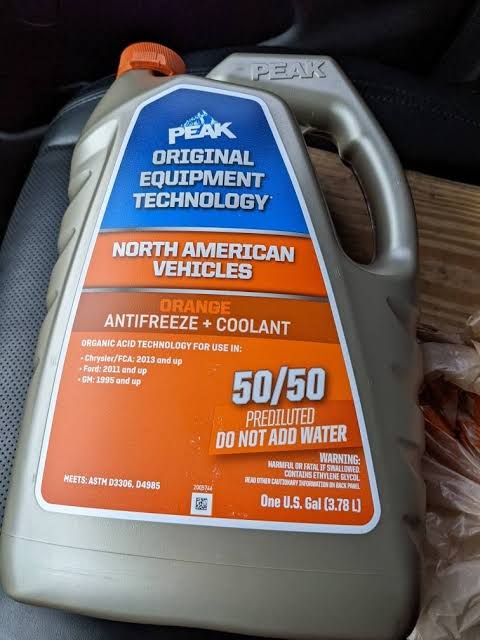
PEAK OET OAT Antifreeze/Coolant
PEAK offers an Original Equipment Technology (OET) OAT coolant formulated for many Chrysler, Dodge, Jeep, and Ram vehicles. It is designed to match factory coolant chemistry and provide long-lasting protection.
Pros
- Extended service interval
- Good compatibility with modern Jeep engines
- Readily available through automotive retailers
- Strong corrosion resistance
Cons
- Product selection varies by region
- Buyers should confirm the exact application before purchase
Best For
Most Jeep models requiring OAT coolant.
Prestone MAX Antifreeze/Coolant
Prestone MAX is marketed as a universal coolant compatible with many modern cooling systems. While it may be suitable for certain Jeep vehicles, owners should carefully verify that it meets the appropriate Jeep specification before use.
Pros
- Easy to find in most automotive stores
- Affordable pricing
- Long service life
Cons
- Universal compatibility claims should always be verified
- Factory Mopar coolant remains the safest choice when available
Best For
Drivers who confirm compatibility with their Jeep’s required coolant specification.
Which Coolant Should You Choose?
If your Jeep is still covered by a factory warranty, using genuine Mopar coolant is generally the safest decision. For older vehicles that are no longer under warranty, premium aftermarket products that clearly meet the required Mopar specification can provide comparable performance.
Never choose coolant based solely on brand reputation or color. Always match the coolant chemistry and specification recommended for your exact Jeep model, engine, and production year.
Frequently Asked Questions
What coolant does Jeep use?
Jeep vehicles use different coolant types depending on the model year and engine. Older models commonly require Hybrid Organic Acid Technology (HOAT) coolant, while most newer vehicles use Organic Acid Technology (OAT) coolant. Always consult your owner’s manual to confirm the correct specification.
Can I use universal coolant in my Jeep?
Some universal coolants claim compatibility with Jeep vehicles, but compatibility should never be assumed. The product must specifically meet the Mopar coolant specification required for your model. Using an incompatible coolant may reduce corrosion protection and shorten cooling system life.
What color coolant does Jeep use?
Jeep coolant may be purple, orange, pink, or another color depending on the coolant chemistry and manufacturer. Color alone should never be used to identify the correct coolant because manufacturers do not follow a universal color standard.
How often should Jeep coolant be replaced?
Replacement intervals vary depending on the coolant type and vehicle model. Many HOAT coolants require replacement approximately every five years or 100,000 miles, while many OAT coolants can last up to ten years or 150,000 miles under normal operating conditions. Always follow the maintenance schedule provided by Jeep.
Can low coolant damage my engine?
Yes. Low coolant levels reduce the cooling system’s ability to control engine temperature. Continued driving with insufficient coolant can lead to overheating, warped cylinder heads, blown head gaskets, cracked engine blocks, and expensive repairs.
Is distilled water required when mixing coolant?
Yes. Distilled water is strongly recommended because it contains virtually no minerals that could cause scale buildup inside the radiator or engine. Tap water may contain minerals that reduce cooling system efficiency over time.
Can I switch from HOAT to OAT coolant?
Switching coolant types should only be done if Jeep specifically approves the change and the cooling system has been completely flushed. Mixing different coolant chemistries without proper preparation can reduce corrosion protection and damage cooling system components.
What should I do if I accidentally mixed two coolant types?
If only a very small amount was added during an emergency, the vehicle should be inspected as soon as possible. In most situations, performing a complete cooling system flush and refilling with the correct Jeep coolant type is the safest solution.
How do I know if my coolant needs replacing?
Signs that coolant should be replaced include discoloration, rust particles, cloudy appearance, sludge, frequent overheating, reduced heater performance, or reaching the manufacturer’s recommended service interval.
Can using the wrong coolant void my warranty?
In some situations, using fluids that do not meet the manufacturer’s specifications may affect warranty coverage if the incorrect coolant contributes to component failure. Always use a coolant that meets Jeep’s recommended specification.
Conclusion
Selecting the correct Jeep coolant type is one of the simplest yet most important maintenance decisions you can make. Although coolant may appear to be just another automotive fluid, it plays a critical role in regulating engine temperature, preventing corrosion, lubricating the water pump, and protecting the entire cooling system from freezing and overheating.
As Jeep has evolved its engine technology over the years, coolant specifications have also changed. Older models commonly require HOAT coolant, while many modern Jeep vehicles are designed for OAT coolant with significantly longer service intervals. Because coolant color is not standardized across manufacturers, it should never be used as the primary method for selecting a replacement product. Instead, always verify the required specification using your owner’s manual, the coolant reservoir label, or official Mopar documentation.
Routine inspections are equally important. Checking coolant level, monitoring its condition, replacing it at the recommended interval, and addressing leaks promptly can significantly reduce the risk of overheating and expensive engine damage. Even a small coolant leak or the use of an incompatible coolant can eventually lead to major repairs if left unresolved.
Whether you drive a Jeep Wrangler, Grand Cherokee, Cherokee, Compass, Gladiator, Renegade, Liberty, Patriot, Commander, or Wagoneer, using the correct Jeep coolant type ensures reliable performance in every season and helps maximize the lifespan of your engine and cooling system.
By following the recommendations in this guide, you can confidently choose the proper coolant, avoid common maintenance mistakes, and keep your Jeep operating safely for many years to come.