There are few things more frustrating than turning on your Jeep’s air conditioning during a scorching summer day only to feel hot air blowing through the vents. Whether you’re commuting to work, heading off-road, or planning a long road trip, a malfunctioning AC system can quickly turn a comfortable drive into an unpleasant experience. If you’ve found yourself asking, “Why is my Jeep AC blowing hot air?”, you’re certainly not alone. This is one of the most common HVAC issues reported by Jeep owners, affecting popular models such as the Wrangler, Grand Cherokee, Cherokee, Compass, Gladiator, and Renegade.
The good news is that hot air from your Jeep’s AC doesn’t always mean an expensive repair. In many cases, the problem can be traced to something relatively simple, such as low refrigerant, a clogged cabin air filter, or a blown fuse. However, more serious issues like a failing AC compressor, refrigerant leak, or faulty blend door actuator may require professional diagnosis and repair.
In this comprehensive guide, you’ll learn the most common reasons why a Jeep AC is blowing hot air, how the air conditioning system works, and the warning signs to watch for before the problem becomes more costly. We’ll also walk you through simple troubleshooting steps, practical DIY fixes you can safely perform at home, estimated repair costs, and situations where it’s best to seek help from a qualified mechanic. By the end of this article, you’ll have a clear understanding of what’s causing your Jeep’s AC to lose its cooling performance and the most effective ways to restore cold air to your cabin.
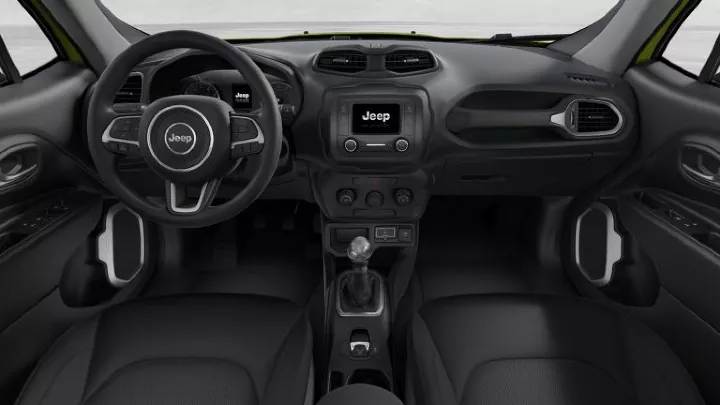
How Does a Jeep Air Conditioning System Work?
Before diagnosing why your Jeep AC is blowing hot air, it helps to understand how the air conditioning system creates cold air. Although the system contains several components, they all work together in a continuous cycle to remove heat and moisture from the cabin.
The process begins with the AC compressor. Driven by the engine or an electric motor, the compressor pressurizes the refrigerant and sends it toward the condenser. As the hot, high pressure refrigerant passes through the condenser, outside air removes heat from it. The refrigerant then travels through an expansion valve or orifice tube, where its pressure and temperature drop rapidly.
Next, the cold refrigerant enters the evaporator inside the dashboard. The blower motor pushes cabin air across the evaporator, allowing the refrigerant to absorb heat from the air. The cooled air then flows through the vents and into the cabin. At the same time, moisture condenses on the evaporator, which helps reduce humidity and makes the cabin feel more comfortable.
The blend door actuator also plays an important role. It controls how much air passes through the heater core and how much passes through the evaporator. If the actuator becomes stuck or fails, warm air may mix with cooled air, even when the temperature setting is at its lowest level.
Other components, including pressure sensors, cooling fans, relays, fuses, and the HVAC control module, help regulate the entire process. A failure in just one of these parts can interrupt the cooling cycle and cause the Jeep air conditioner to blow warm or hot air.
Understanding this basic process makes troubleshooting easier. If airflow is weak, the issue may involve the cabin filter or blower motor. If airflow is strong but warm, the problem may involve refrigerant pressure, the compressor, condenser, or blend door system.
1. Low Refrigerant Level
Low refrigerant is one of the most common reasons a Jeep AC blows hot air. Refrigerant is the chemical that circulates through the air conditioning system and transfers heat from inside the cabin to the outside air. When the refrigerant level drops, the system cannot absorb enough heat, so the air coming from the vents becomes warmer.
In many cases, the AC does not suddenly stop cooling. Instead, the temperature gradually increases over several days or weeks. You may notice that the system feels cool in the morning but struggles during the hottest part of the day. The air may also become colder while driving at higher speeds and warmer when the Jeep is idling.
Another common symptom is frequent compressor cycling. The compressor may switch on and off repeatedly because the pressure sensor detects that the refrigerant level is too low. In some vehicles, the system may prevent the compressor from engaging at all to protect it from damage.
It is important to understand that refrigerant is not normally consumed like fuel or engine oil. A properly sealed AC system should maintain its refrigerant level for years. If the level is low, there is usually a leak somewhere in the system, even if the leak is very small.
A basic pressure gauge may suggest that the refrigerant is low, but pressure readings alone do not always provide a complete diagnosis. Ambient temperature, engine speed, airflow, and system condition can all affect the reading. Adding refrigerant without identifying the cause may temporarily restore cold air, but the problem will return if the leak remains.
Some recharge products also contain sealants. These products can create additional problems by contaminating professional recovery equipment or restricting small passages inside the AC system. For a reliable repair, the system should be inspected, leak tested, repaired, evacuated, and filled with the correct type and amount of refrigerant specified for the vehicle.
The refrigerant type can vary depending on the Jeep model and year. Always check the label under the hood or consult the owner’s manual before performing any service. Using the wrong refrigerant or adding too much can reduce cooling performance and damage expensive components.
If your Jeep AC is blowing hot air because of low refrigerant, the real solution is to locate and repair the leak rather than repeatedly topping off the system.
2. Refrigerant Leak
A refrigerant leak is often the underlying reason a Jeep AC system loses cooling performance. The leak may develop in a hose, seal, connection, condenser, evaporator, compressor, or service port. Because refrigerant can escape as a gas, small leaks are often difficult to see without specialized equipment.
One possible sign is an oily residue around AC fittings or hoses. Refrigerant oil circulates through the system with the refrigerant, so when a leak develops, a small amount of oil may escape with it. Dirt and dust can collect on this oily area, creating a dark or greasy patch near the damaged component.
The condenser is particularly vulnerable because it is mounted near the front of the vehicle. Stones, insects, road salt, mud, and other debris can damage its thin aluminum tubes and fins. Jeep owners who frequently drive on gravel roads or off road trails may face a higher risk of condenser damage.
Leaks can also develop around O rings and seals as they age. Heat, vibration, and pressure changes can cause rubber seals to harden, shrink, or crack. A loose service port valve may also allow refrigerant to escape slowly over time.
An evaporator leak can be more difficult and expensive to repair. Since the evaporator is located deep inside the dashboard, accessing it may require significant interior disassembly. Possible clues include a chemical odor from the vents, repeated refrigerant loss, or leak detection dye appearing near the evaporator drain tube.
Professional technicians commonly use several methods to locate leaks. An electronic detector can identify refrigerant gas escaping from the system. Ultraviolet dye can reveal the leak under a special light. A nitrogen pressure test may also be used when the system is empty.
It is not advisable to recharge a leaking system repeatedly. Besides wasting money, releasing refrigerant into the atmosphere can violate environmental regulations. Running the AC with insufficient refrigerant can also reduce lubrication inside the compressor and lead to premature compressor failure.
The correct repair depends on the leak location. A damaged O ring may be inexpensive to replace, while a leaking condenser, evaporator, or compressor may require a much larger repair. Once the faulty component is replaced, the system should be vacuum tested to remove moisture and confirm that it can hold pressure before the correct refrigerant charge is added.
3. Bad AC Compressor
The AC compressor is often described as the heart of the air conditioning system. It circulates refrigerant and creates the pressure difference needed for the system to remove heat from the cabin. When the compressor fails, your Jeep AC may blow hot air even if the blower fan and dashboard controls appear to work normally.
One common failure involves the compressor clutch. On systems that use a clutch driven compressor, the clutch should engage when the AC is turned on. You may hear a click and see the center section of the compressor pulley begin to rotate. If the clutch does not engage, the cause could be a faulty clutch coil, blown fuse, bad relay, low refrigerant pressure, damaged wiring, or a failed pressure sensor.
A compressor can also engage but fail internally. Worn pistons, valves, bearings, or seals may prevent it from generating enough pressure. In this situation, the system may produce slightly cool air but fail to reach a comfortable temperature. Cooling may worsen at idle or during extremely hot weather.
Unusual noises are another warning sign. Grinding, rattling, squealing, or knocking sounds from the compressor area may indicate internal wear, a failing bearing, or clutch damage. These noises should not be ignored because a damaged compressor can seize and place additional stress on the belt system.
A failed compressor may also contaminate the AC system with metal particles. If internal parts break apart, debris can travel through the refrigerant lines and collect in the condenser, expansion valve, and other components. Replacing only the compressor without cleaning or replacing contaminated parts may cause the new compressor to fail quickly.
Proper diagnosis is essential because a compressor that does not operate is not always defective. The vehicle’s computer may disable it when refrigerant pressure is too low or too high. Electrical faults, sensor problems, or cooling fan failures can create similar symptoms.
A technician can test the compressor by measuring high side and low side pressures, checking power and ground circuits, inspecting clutch operation, and verifying refrigerant charge. If the compressor has failed internally, replacement is usually required.
Compressor replacement is one of the more expensive AC repairs because it often involves additional parts and labor. The receiver drier or accumulator may need replacement, and the system must be flushed, evacuated, and recharged. Addressing unusual noises or poor cooling early can sometimes prevent a complete failure and reduce the total repair cost.
4. Faulty Condenser
The AC condenser is responsible for releasing heat absorbed from inside your Jeep’s cabin. Located at the front of the vehicle, just behind the grille and in front of the radiator, the condenser relies on a constant flow of air to cool the refrigerant before it continues through the air conditioning system. If the condenser cannot efficiently dissipate heat, the refrigerant remains too warm, and the AC will begin blowing hot or lukewarm air.
One of the most common causes of condenser problems is physical damage. Since the condenser is exposed to the front of the vehicle, it is vulnerable to rocks, road debris, insects, mud, and even minor collisions. Bent cooling fins reduce airflow, while punctured tubes can cause refrigerant leaks that eventually lead to complete cooling failure.
Another issue is restricted airflow. Dirt, leaves, plastic bags, or excessive bug buildup can block the condenser surface, preventing heat from escaping. Jeep owners who frequently drive off road often accumulate mud and debris that significantly reduce condenser efficiency.
A failing condenser usually produces symptoms that become more noticeable during hot weather. The air conditioner may perform adequately on cooler mornings but struggle to keep the cabin comfortable during the afternoon. You may also notice that the AC cools better while driving at highway speeds because increased airflow partially compensates for the blocked condenser.
Inspecting the condenser is relatively simple. Look through the front grille for damaged fins, dirt accumulation, or signs of oil residue, which may indicate a refrigerant leak. Light debris can often be removed using compressed air or a gentle stream of water. However, avoid using high pressure washers, as they can easily bend the delicate aluminum fins.
If the condenser has developed a leak or sustained significant damage, replacement is typically the only effective solution. Continuing to operate the AC with a damaged condenser can place additional stress on the compressor and reduce the lifespan of other air conditioning components.
5. Broken Blend Door Actuator
A faulty blend door actuator is one of the most overlooked reasons why a Jeep AC blows hot air. Unlike refrigerant or compressor issues, this problem does not reduce the cooling ability of the air conditioning system itself. Instead, it prevents the HVAC system from directing cold air into the cabin.
Inside your dashboard are several blend doors that regulate airflow and temperature. Small electric motors called blend door actuators move these doors according to the temperature selected on the climate control panel. When everything functions correctly, the actuator positions the blend door so that air passes through the evaporator for maximum cooling.
Over time, the actuator’s internal plastic gears can wear out or break. Electrical motors may also fail, preventing the door from moving. As a result, the blend door may become stuck in the heating position or somewhere between hot and cold. This causes warm air to mix with the cooled air before it reaches the vents.
One of the most recognizable symptoms is a repetitive clicking or knocking sound from behind the dashboard immediately after starting the vehicle or adjusting the temperature controls. This noise often indicates stripped gears inside the actuator attempting to reposition the blend door.
Drivers may also notice inconsistent temperatures between the driver and passenger sides, especially in Jeeps equipped with dual zone climate control. One side may blow cold air while the other remains warm, making the issue appear more confusing than a simple refrigerant problem.
Diagnosing a faulty blend door actuator may require removing dashboard panels to observe actuator movement or using a professional scan tool capable of communicating with the HVAC control module. Some Jeep models also allow actuator recalibration after replacing the defective unit.
Fortunately, replacing a blend door actuator is usually less expensive than replacing an AC compressor. However, labor costs vary significantly depending on the actuator’s location. Some models provide easy access beneath the dashboard, while others require extensive disassembly.
6. Electrical Problems
Modern Jeep air conditioning systems rely on numerous electrical components to operate correctly. Even if every mechanical part is in perfect condition, a single electrical fault can prevent the AC from producing cold air. Because electrical problems often occur without obvious warning signs, they can be among the most challenging issues to diagnose.
The simplest possibility is a blown fuse. Every AC system includes multiple fuses that protect circuits controlling the compressor, blower motor, cooling fans, and HVAC control module. A blown fuse immediately interrupts power to the affected component. Fortunately, checking the fuse box is quick and inexpensive, making it one of the first steps in any AC diagnosis.
A faulty relay can produce similar symptoms. The compressor clutch relay acts like an electrically controlled switch, supplying power to the compressor when cooling is requested. If the relay fails, the compressor may never engage, even though the rest of the climate control system appears to function normally.
Damaged wiring is another potential cause. Heat, vibration, corrosion, rodents, or previous repair work can damage wiring harnesses or electrical connectors. Loose or corroded terminals increase electrical resistance and may cause intermittent AC operation that becomes difficult to reproduce during inspection.
Modern Jeep vehicles also rely on numerous sensors that monitor refrigerant pressure, cabin temperature, outside temperature, and engine operating conditions. If one of these sensors sends incorrect information to the vehicle’s computer, the HVAC system may intentionally disable compressor operation to protect itself, even though the compressor itself is not defective.
The HVAC control module can also develop software or communication issues. In some cases, updating the vehicle’s software or recalibrating the climate control system resolves unexpected AC behavior without replacing any mechanical components.
Diagnosing electrical problems typically requires more than a visual inspection. Technicians use digital multimeters, wiring diagrams, scan tools, and manufacturer specific diagnostic procedures to verify voltage, continuity, sensor signals, and communication between control modules. Replacing components without proper testing often leads to unnecessary expenses while leaving the original problem unresolved.
7. Cooling Fan Failure
The engine cooling fan plays a critical role in your Jeep’s air conditioning performance. While many drivers associate the fan only with preventing engine overheating, it also helps cool the AC condenser. Without sufficient airflow across the condenser, refrigerant cannot release heat effectively, causing the air conditioner to blow warm air, especially when the vehicle is stationary.
A common symptom of a failing cooling fan is an AC system that works well while driving but blows hot air when idling at traffic lights or sitting in heavy traffic. At highway speeds, natural airflow through the grille helps cool the condenser, temporarily masking the problem. Once the vehicle stops moving, airflow drops significantly, and cooling performance quickly deteriorates.
Cooling fan problems can result from several different causes. The electric fan motor may wear out after years of operation, preventing the blades from spinning. A faulty fan relay, blown fuse, damaged wiring harness, or defective temperature sensor can also prevent the fan from operating. In some cases, the fan may turn on intermittently or run at only one speed, reducing its effectiveness during extremely hot weather.
Another possibility is physical damage to the fan blades. Cracked or broken blades reduce airflow and create excessive vibration. Dirt, leaves, and debris trapped around the fan assembly can also restrict movement and reduce cooling efficiency.
You can perform a simple visual inspection by starting the engine, turning the air conditioning to its coldest setting, and observing whether the cooling fan begins operating after a few moments. If the fan remains stationary while the compressor attempts to engage, an electrical or mechanical fault is likely present. Always exercise caution and keep hands, clothing, and tools away from moving engine components during inspection.
Ignoring a faulty cooling fan can create more serious problems than poor air conditioning performance. Insufficient airflow may increase refrigerant pressure, forcing the compressor to work harder and shortening its service life. In severe cases, engine temperatures may also rise, increasing the risk of overheating during hot weather or heavy traffic.
Repair costs depend on the failed component. Replacing a fuse or relay is relatively inexpensive, while replacing the fan motor or complete fan assembly typically requires more labor. Addressing the issue promptly can prevent additional damage to both the cooling system and the air conditioning system.
8. Dirty Cabin Air Filter
Although a dirty cabin air filter does not directly affect refrigerant circulation, it can significantly reduce the comfort and performance of your Jeep’s air conditioning system. The cabin air filter removes dust, pollen, leaves, insects, and other airborne particles before air enters the passenger compartment. Over time, the filter becomes clogged, restricting airflow through the HVAC system.
One of the first signs of a dirty cabin air filter is weak airflow from the dashboard vents, even when the blower motor is operating at its highest speed. Drivers often assume the AC has stopped producing cold air when, in reality, the cooled air simply cannot pass through the blocked filter efficiently.
A severely clogged filter may also force the blower motor to work harder than intended. This additional strain can shorten the blower motor’s lifespan and increase electrical load on the HVAC system. In some cases, moisture trapped within the dirty filter creates an environment where mold and bacteria can grow, producing unpleasant odors whenever the air conditioner is turned on.
Jeep owners who frequently drive on dusty roads, construction sites, or off road trails should inspect the cabin air filter more often than the standard maintenance schedule recommends. Fine dust and debris accumulate much faster under these conditions, reducing airflow long before the filter reaches its recommended replacement interval.
Fortunately, replacing a cabin air filter is one of the easiest and least expensive maintenance tasks. On many Jeep models, the filter is located behind the glove compartment or beneath the dashboard and can be replaced in just a few minutes using basic hand tools or no tools at all.
When selecting a replacement filter, consider using a high quality filter designed specifically for your Jeep model. Some premium filters include activated carbon, which helps remove odors and certain airborne pollutants while improving cabin air quality.
Although replacing a dirty cabin air filter may not solve every case of a Jeep AC blowing hot air, it often restores proper airflow and improves overall cooling performance. It is an inexpensive first step that should always be completed before pursuing more complicated repairs.
9. Expansion Valve or Orifice Tube Failure
The expansion valve or orifice tube is a small but essential component within the air conditioning system. Its primary function is to regulate the amount of refrigerant entering the evaporator. By controlling refrigerant flow, it allows the refrigerant to expand rapidly and absorb heat from the cabin air.
When the expansion valve or orifice tube becomes clogged, damaged, or stuck, refrigerant flow is disrupted. Too little refrigerant reaching the evaporator prevents adequate cooling, while excessive refrigerant flow can create abnormal pressure conditions throughout the system. In either case, your Jeep AC may begin blowing warm air instead of cold air.
One common cause of blockage is contamination within the refrigerant system. If an AC compressor begins to fail internally, tiny metal particles may circulate through the refrigerant lines and accumulate inside the expansion valve or orifice tube. Moisture entering the system can also combine with refrigerant oil to create deposits that restrict refrigerant flow.
Symptoms of a failing expansion valve often resemble other AC problems. Cooling performance may fluctuate unexpectedly, the evaporator may freeze during operation, or vent temperatures may change dramatically within a short period. Drivers may also notice unusual pressure readings when the system is tested using professional manifold gauges.
Unlike a dirty cabin air filter or blown fuse, diagnosing an expansion valve problem typically requires specialized equipment and technical knowledge. Pressure readings on both the high pressure and low pressure sides of the AC system help technicians determine whether refrigerant flow is being restricted.
Replacing the expansion valve or orifice tube often involves recovering the refrigerant, opening the sealed AC system, replacing the faulty component, evacuating moisture with a vacuum pump, and recharging the system with the exact amount of refrigerant specified by the manufacturer. Because contamination frequently accompanies expansion valve failure, technicians may also recommend flushing the refrigerant lines and replacing the receiver drier or accumulator.
Although this repair is more complex than basic maintenance, replacing a malfunctioning expansion valve restores proper refrigerant circulation and allows the air conditioning system to achieve maximum cooling performance once again.
10. HVAC Control Module Problems
The HVAC control module serves as the brain of your Jeep’s climate control system. It receives information from various sensors, interprets your temperature settings, and sends commands to components such as the compressor, blower motor, cooling fans, and blend door actuators. If the control module malfunctions, the entire air conditioning system may behave unpredictably, even though the mechanical components are in good condition.
One of the most common symptoms of a failing HVAC control module is inconsistent cooling. The AC may blow cold air for several minutes before suddenly switching to warm air without any changes to the temperature settings. In some cases, the system may refuse to activate the compressor or respond slowly to adjustments made on the climate control panel.
Electronic communication problems can also trigger climate control issues. Modern Jeep vehicles use multiple control modules that communicate through the Controller Area Network, commonly known as the CAN bus. If communication between the HVAC module and other vehicle systems is interrupted, certain AC functions may be disabled to prevent potential damage.
Software errors can produce symptoms that resemble hardware failures. Occasionally, a software update released by the manufacturer corrects climate control bugs that affect compressor operation, temperature regulation, or automatic climate control functions. This is particularly relevant for newer Jeep models equipped with advanced infotainment and electronic climate control systems.
Faulty temperature sensors may also mislead the HVAC module. For example, if the cabin temperature sensor incorrectly reports that the interior is already cool, the module may reduce compressor operation even though the cabin remains uncomfortably warm. Likewise, inaccurate ambient temperature readings can affect how the system regulates cooling performance.
Diagnosing HVAC control module problems usually requires a professional scan tool capable of reading manufacturer specific diagnostic trouble codes and performing actuator tests. Technicians may verify sensor readings, inspect communication networks, recalibrate blend door actuators, or update the module’s software before determining whether replacement is necessary.
Although HVAC control module failures are less common than refrigerant leaks or compressor problems, they should not be overlooked. Accurate diagnosis helps prevent unnecessary replacement of expensive mechanical components when the root cause is actually electronic.
Step by Step Jeep AC Troubleshooting Guide
Before replacing expensive parts or scheduling a repair appointment, perform a systematic inspection of your Jeep’s air conditioning system. A logical troubleshooting process can often identify simple problems and help determine whether professional service is required.
Step 1: Verify the Climate Control Settings
Start by confirming that the air conditioner is turned on and set to the coldest temperature. Make sure the system is operating in fresh air or recirculation mode as appropriate. On extremely hot days, recirculation mode usually provides the best cooling performance because it cools already conditioned cabin air instead of continuously cooling hot outside air.
Step 2: Check Airflow from the Vents
Turn the blower motor through each fan speed and evaluate the airflow. Weak airflow often points to a clogged cabin air filter, a failing blower motor, or an obstruction inside the ventilation system. Strong airflow combined with warm air usually indicates a refrigerant or refrigeration system issue.
Step 3: Listen for Compressor Engagement
With the engine running and the AC switched on, listen carefully for the compressor clutch engaging. A noticeable click followed by compressor rotation usually indicates that the compressor is receiving power. If no engagement occurs, inspect the related fuses, relays, wiring, and refrigerant pressure before assuming the compressor has failed.
Step 4: Inspect the Cooling Fans
Observe whether the radiator or condenser cooling fans operate after the air conditioner is turned on. A non functioning cooling fan can significantly reduce condenser efficiency and cause the AC to blow hot air, especially while the vehicle is stationary.
Step 5: Look for Visible Refrigerant Leaks
Inspect accessible refrigerant lines, hose connections, and the condenser for oily residue or accumulated dirt around fittings. Although not every leak is visible, oil stains often indicate refrigerant escaping from the system.
Step 6: Measure Vent Temperature
Using a digital thermometer, measure the temperature of the air exiting the center vents after the AC has operated for several minutes. A properly functioning system should produce air significantly cooler than the outside temperature. If vent temperatures remain unusually high, additional diagnosis is necessary.
Step 7: Check the Cabin Air Filter
Remove the cabin air filter and inspect it for excessive dirt, leaves, or debris. Replacing a dirty filter is inexpensive and can immediately improve airflow and overall comfort.
Step 8: Scan for Diagnostic Trouble Codes
Many electronic HVAC faults generate diagnostic trouble codes that can be read using an OBD II scanner with enhanced manufacturer specific functions. These codes may identify faulty sensors, actuator problems, communication errors, or control module issues.
Step 9: Test Refrigerant Pressure
Professional technicians use manifold gauges to compare high side and low side refrigerant pressures. Abnormal pressure readings help identify low refrigerant, compressor failure, condenser restrictions, expansion valve problems, or internal blockages. Because incorrect testing procedures can damage the system, this step is generally recommended for experienced technicians.
Following these troubleshooting steps helps eliminate simple causes before expensive repairs are considered. In many cases, a structured diagnosis saves both time and money by identifying the true source of the problem.
Easy DIY Fixes You Can Try
Not every case of a Jeep AC blowing hot air requires a professional repair. Several basic maintenance tasks can be completed at home with minimal tools and may restore normal cooling performance if the problem is relatively minor.
Begin by replacing the cabin air filter if it appears dirty or clogged. Improved airflow often makes the air conditioner feel noticeably colder and reduces strain on the blower motor.
Next, inspect the condenser at the front of the vehicle. Remove leaves, insects, mud, and road debris that may be blocking airflow. A gentle stream of water can safely clean the condenser, but avoid using excessive pressure that could bend the delicate cooling fins.
Check the AC related fuses and relays using your owner’s manual as a guide. Replacing a blown fuse or faulty relay is inexpensive and can immediately restore compressor operation if an electrical interruption is the only issue.
If your Jeep uses electronic climate controls, performing an HVAC recalibration may resolve temperature control problems caused by incorrect blend door positioning. Some models perform this procedure automatically, while others require a specific sequence outlined in the service manual.
Inspect the drive belt if your Jeep uses a belt driven compressor. A worn, cracked, or loose belt may prevent the compressor from operating efficiently. Replacing the belt before it fails completely can prevent additional repairs.
You should also pay attention to unusual sounds, burning smells, or warning lights. These symptoms often indicate problems that require immediate attention before they lead to more extensive damage.
Although refrigerant recharge kits are widely available, they should only be used if you are certain the system is low on refrigerant and has no leaks. Overcharging the system can reduce cooling performance, increase operating pressure, and damage expensive components such as the compressor or condenser. In many regions, refrigerant handling is regulated by environmental laws, making professional service the safest option.
DIY maintenance is most effective for routine issues such as dirty filters, blocked condensers, or simple electrical faults. However, if the air conditioner continues blowing hot air after these basic checks, professional diagnosis is recommended to prevent unnecessary repairs and ensure the system operates safely and efficiently.
When Should You Visit a Mechanic?
While some air conditioning issues can be resolved with basic maintenance, others require specialized equipment, technical expertise, and professional repair procedures. Knowing when to stop troubleshooting and seek professional assistance can save you both time and money while preventing additional damage to your Jeep’s AC system.
One clear indication that professional service is necessary is a refrigerant leak. Automotive air conditioning systems are sealed systems, meaning refrigerant should not need regular refilling. If your Jeep repeatedly loses cooling performance after being recharged, a leak is almost certainly present. Professional technicians use electronic leak detectors, UV dye, and pressure testing equipment to locate even the smallest leaks accurately.
Compressor failure is another repair that typically requires professional attention. Replacing an AC compressor involves recovering refrigerant, flushing the system, replacing contaminated components when necessary, evacuating the system with a vacuum pump, and recharging it with the precise amount of refrigerant specified by the manufacturer.
Electrical problems can also be difficult to diagnose without specialized tools. Faulty pressure sensors, damaged wiring, failed control modules, and communication errors between vehicle computers often require advanced scan tools and manufacturer specific diagnostic procedures.
If you hear grinding, squealing, or knocking noises when the air conditioner is operating, discontinue using the system until it has been inspected. Continuing to run a damaged compressor may spread metal debris throughout the refrigerant system, dramatically increasing repair costs.
Likewise, if your Jeep displays warning lights, experiences engine overheating while the AC is running, or produces unusual odors from the vents, professional diagnosis should not be delayed.
Seeking expert assistance early often prevents a relatively minor issue from becoming a major repair. Addressing problems promptly also improves reliability, extends component life, and helps ensure your Jeep remains comfortable in all driving conditions.
Average Jeep AC Repair Costs
Repair costs vary depending on your Jeep model, geographic location, labor rates, and whether original equipment or aftermarket parts are used. The following estimates provide a general idea of what Jeep owners can expect to pay.
| Repair | Estimated Cost (USD) |
|---|---|
| Cabin air filter replacement | $20 to $80 |
| AC system inspection | $80 to $180 |
| AC refrigerant recharge | $150 to $350 |
| Refrigerant leak diagnosis and repair | $200 to $1,000 or more |
| Cooling fan replacement | $300 to $800 |
| Condenser replacement | $450 to $900 |
| Blend door actuator replacement | $250 to $700 |
| Expansion valve replacement | $350 to $900 |
| AC compressor replacement | $900 to $1,600 |
| Complete AC system overhaul | $1,500 to $3,000 or more |
These figures are estimates only and may vary significantly depending on vehicle age, regional labor costs, and the complexity of the repair. Premium Jeep models equipped with dual zone climate control or advanced HVAC systems may require additional labor and specialized components.
Obtaining multiple repair estimates from reputable repair facilities is often worthwhile, especially for major repairs involving compressors or evaporators. Always ask whether the estimate includes refrigerant, replacement seals, system evacuation, and warranty coverage.
How to Prevent Your Jeep AC From Blowing Hot Air
Preventive maintenance is the best way to avoid unexpected AC failures and expensive repairs. A few simple habits can significantly improve the lifespan and reliability of your Jeep’s air conditioning system.
Operate the air conditioner for at least ten to fifteen minutes every few weeks, even during colder months. Regular operation keeps compressor seals lubricated and helps maintain proper refrigerant circulation.
Replace the cabin air filter according to the maintenance schedule listed in your owner’s manual. If you frequently drive on dusty roads or off road trails, inspect the filter more often and replace it whenever airflow begins to decrease.
Keep the condenser clean by removing insects, mud, leaves, and other debris from the front of the vehicle. Proper airflow is essential for efficient heat transfer and optimal cooling performance.
Inspect the engine cooling fans periodically to ensure they operate correctly whenever the air conditioner is switched on. Address any overheating or cooling fan issues promptly to prevent unnecessary stress on the AC system.
Pay attention to changes in cooling performance. If the air conditioner suddenly becomes less effective, schedule an inspection before the problem worsens. Early diagnosis often prevents minor refrigerant leaks or worn components from developing into expensive repairs.
Avoid overcharging the refrigerant system or using leak sealing products unless specifically recommended by qualified professionals. Using the incorrect refrigerant type or charging the system improperly can damage expensive components and reduce cooling efficiency.
Following the manufacturer’s maintenance schedule and addressing small problems early can help your Jeep’s air conditioning system provide reliable cooling for many years.
Frequently Asked Questions
Why is my Jeep AC blowing hot air but the fan is still working?
If the blower fan operates normally but only warm air comes from the vents, the problem usually involves the refrigeration system rather than airflow. Common causes include low refrigerant, a refrigerant leak, compressor failure, a faulty blend door actuator, or electrical problems preventing compressor operation.
Can low refrigerant cause my Jeep AC to blow hot air?
Yes. Low refrigerant reduces the system’s ability to absorb heat from the cabin. However, refrigerant does not simply disappear over time. A low refrigerant level usually indicates a leak that should be located and repaired before the system is recharged.
Why does my Jeep AC only cool while I’m driving?
This symptom often indicates insufficient airflow across the condenser while the vehicle is stationary. A faulty cooling fan, blocked condenser, or restricted airflow is commonly responsible.
Is it safe to drive with an AC compressor that has failed?
Although a failed air conditioner does not usually prevent the vehicle from being driven, continuing to operate a damaged compressor can spread metal debris throughout the refrigerant system and significantly increase repair costs. It is advisable to have the problem inspected as soon as possible.
How often should my Jeep AC system be serviced?
Most manufacturers recommend inspecting the air conditioning system during routine maintenance visits. Cabin air filters should be replaced according to the maintenance schedule, while refrigerant should only be serviced when a problem is identified or repairs require the system to be opened.
Can I recharge my Jeep AC myself?
DIY recharge kits are available, but they should only be used if the system is confirmed to be low on refrigerant and free of leaks. Incorrect refrigerant levels can reduce cooling performance and damage expensive AC components. Professional service is generally the safest and most reliable option.
Conclusion
If your Jeep AC is blowing hot air, the problem can range from a simple maintenance issue to a more complex mechanical or electrical failure. Common causes include low refrigerant, refrigerant leaks, a failing compressor, condenser damage, cooling fan problems, blend door actuator failure, clogged cabin air filters, expansion valve restrictions, or HVAC control module malfunctions. Identifying the true cause is essential because replacing parts without proper diagnosis often leads to unnecessary expenses and continued cooling problems.
Fortunately, many issues can be identified through a systematic inspection. Checking the cabin air filter, inspecting the condenser for debris, verifying cooling fan operation, and looking for visible signs of refrigerant leaks are all practical first steps that may save both time and money. However, if your Jeep continues blowing warm air after these basic checks, professional diagnosis is the best way to prevent additional damage and restore reliable cooling.
Regular maintenance remains the most effective strategy for avoiding costly AC repairs. Keeping the system clean, replacing filters on schedule, and addressing minor issues before they become major failures can help ensure consistent performance throughout the hottest months of the year.
Have you experienced a Jeep AC blowing hot air? Share your Jeep model, symptoms, or repair experience in the comments below. Your experience may help other Jeep owners diagnose their air conditioning problems more quickly and choose the right solution.