The Jeep 4xe Battery Recall has become one of the most talked-about topics among plug-in hybrid vehicle owners in recent years. As more drivers embrace electrified vehicles for their fuel efficiency, lower emissions, and impressive performance, battery safety has become an equally important consideration. While Jeep’s 4xe lineup has earned praise for combining legendary off-road capability with advanced hybrid technology, the battery recall has left many owners with important questions about vehicle safety, charging habits, and the next steps they should take.
If you own a Jeep Wrangler 4xe or Jeep Grand Cherokee 4xe, you may be wondering whether your vehicle is affected by the recall, what caused the issue, and whether it is still safe to drive or charge your vehicle. Reports of potential high-voltage battery failures and rare thermal events have understandably raised concerns, making it essential for owners to stay informed and follow the latest manufacturer recommendations.
This comprehensive guide explains everything you need to know about the Jeep 4xe Battery Recall in 2026. You’ll learn why the recall was issued, which model years are affected, how to determine if your vehicle is included, what safety precautions to follow, and what to expect during the recall repair process. We’ll also answer the most frequently asked questions regarding warranty coverage, repair costs, resale value, and owner rights.
Whether you’re a current Jeep 4xe owner, considering purchasing a used 4xe model, or simply researching the latest recall information, this guide provides clear, up-to-date insights to help you make informed decisions and keep your vehicle operating safely.
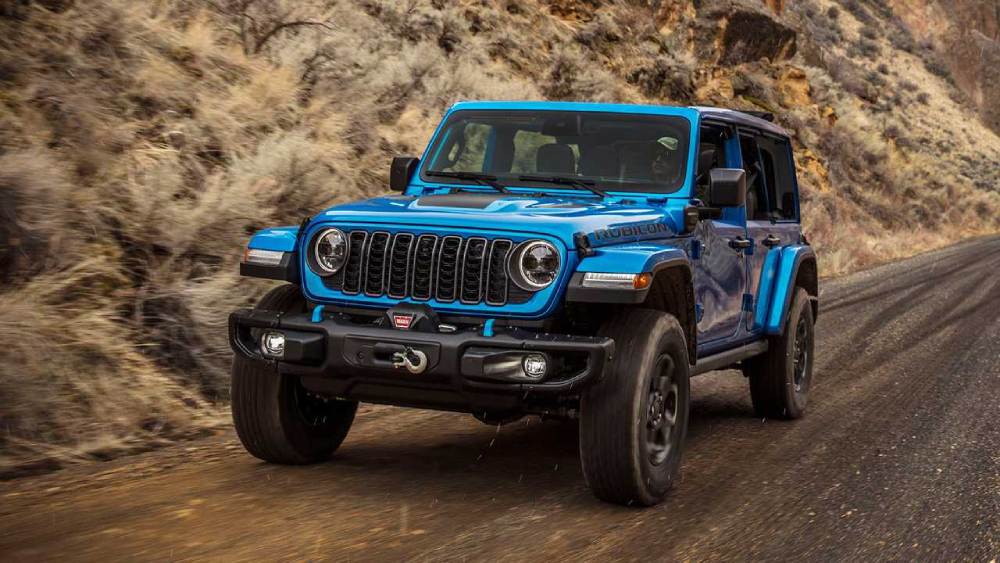
What Is the Jeep 4xe Battery Recall?
The Jeep 4xe Battery Recall is a safety campaign involving certain plug in hybrid versions of the Jeep Wrangler and Jeep Grand Cherokee. The most recent major campaign in the United States is FCA Recall 68C, identified by the National Highway Traffic Safety Administration as Recall 25V741.
Announced in late 2025, the recall covers approximately 320,065 vehicles in the United States. This total includes 228,221 Jeep Wrangler 4xe vehicles and 91,844 Jeep Grand Cherokee 4xe vehicles. According to the official recall report, the high voltage battery may experience an internal failure that could result in a vehicle fire while the Jeep is parked or being driven.
The recall is especially important because it expands on an earlier campaign known as Recall 95B, or NHTSA Recall 24V720. That previous action involved approximately 154,032 vehicles and relied partly on updated battery control software to identify potential abnormalities. However, FCA later determined that the earlier software remedy was not effective at detecting every battery condition that could lead to a fire. As a result, vehicles previously inspected or repaired under Recall 95B may still be included in Recall 68C and may require an additional remedy.
A Jeep 4xe uses a gasoline engine together with an electric motor and a rechargeable high voltage lithium ion battery. This design allows the vehicle to travel for a limited distance using electric power while retaining the flexibility of a gasoline powered vehicle. However, the energy stored inside the battery pack also means that an internal cell defect must be treated seriously.
For owners, the recall does not automatically mean that their battery is damaged or that their vehicle will catch fire. FCA estimated that approximately five percent of the recalled population may contain the defect. Nevertheless, because an internal battery failure can occur while the vehicle is parked, owners should not ignore an open recall simply because their Jeep appears to operate normally.
Owners should enter their 17 digit Vehicle Identification Number into the official Mopar or NHTSA recall lookup tool. A VIN search is more reliable than relying only on the model year because recall eligibility depends on the vehicle’s production records and battery configuration.
Which Jeep 4xe Models Are Affected?
Recall 68C applies to certain Jeep Wrangler 4xe and Jeep Grand Cherokee 4xe plug in hybrid vehicles sold in the United States. The official NHTSA recall population includes the following model years:
| Jeep model | Potentially affected model years | Estimated number of vehicles |
|---|---|---|
| Jeep Wrangler 4xe | 2020 through 2025 | 228,221 |
| Jeep Grand Cherokee 4xe | 2022 through 2026 | 91,844 |
These figures represent the potential recall population, not the number of vehicles confirmed to have defective batteries. FCA estimated that approximately five percent of the recalled vehicles may contain the relevant battery defect.
The affected Wrangler 4xe vehicles were produced between July 1, 2020, and August 25, 2025. The affected Grand Cherokee 4xe vehicles were produced between July 23, 2021, and October 15, 2025. Jeep models powered only by gasoline are not included in this battery recall because they do not use the same plug in hybrid high voltage battery system.
It is important to understand that the listed model years are broad eligibility ranges. Not every Jeep Wrangler 4xe or Grand Cherokee 4xe from those years is necessarily included. Battery production dates, vehicle assembly information, and other manufacturing records are used to identify the specific vehicles covered by the campaign.
Owners who previously completed Recall 95B should also check their VIN again. The newer recall includes vehicles that received the earlier software remedy because FCA identified battery fires in some vehicles after that remedy had been performed. NHTSA reported that FCA was aware of 19 battery pack fires connected to the expanded investigation, including nine involving vehicles that had received the previous remedy. One potential injury was also reported.
Recall coverage can also differ between countries. A Jeep included in the United States campaign may be identified under another campaign number in Canada, Europe, Australia, or another market. Owners outside the United States should use the official Jeep or Mopar recall portal for their country and contact an authorized local dealership.
Drivers considering a used Jeep 4xe should check the VIN before completing a purchase. A seller may say that the vehicle has already been repaired, but recall records provide a more dependable way to determine whether the newest campaign remains open. Buyers should also request repair documentation from an authorized Jeep dealership.
Why Are Jeep 4xe Batteries Being Recalled?
The Jeep 4xe batteries are being recalled because some high voltage battery packs may contain lithium ion cells with damaged internal separators. A separator is a thin material inside a battery cell that helps keep the positive and negative components apart while allowing electrically charged particles to move through the cell.
When a separator is damaged, unwanted internal electrical contact may become possible. This can create heat inside the cell. Under certain conditions, the heat may spread or interact with other internal battery factors, increasing the risk of a thermal event and potentially a vehicle fire.
FCA stated that separator damage, combined with other complex interactions within the battery cells, is the most likely cause of the reported problem. The manufacturer and battery supplier continued investigating the factors contributing to the defect when the expanded recall report was submitted.
The battery packs involved in the recall contain cells supplied by Samsung SDI. However, the issue does not mean that every cell or every battery produced by the company is defective. The recall population was identified using manufacturing dates, battery records, vehicle production information, and investigations of reported fires.
The latest campaign was necessary partly because the earlier recall remedy relied on diagnostic software. That software was intended to detect certain battery abnormalities and alert technicians when a battery required replacement. FCA later concluded that the software could not identify every condition associated with the defect. Reports of additional fires, including fires involving vehicles that had already received the earlier repair, led to the broader Recall 68C campaign.
Battery related fires remain uncommon compared with the total number of recalled vehicles. Still, the potential consequences are serious because an internal failure may occur while the Jeep is being driven or while it is parked and turned off. A fire near a home, garage, another vehicle, or combustible material could cause injury and property damage.
Owners should not assume that the absence of a dashboard warning means the battery is safe. An affected battery may not produce an obvious symptom before an internal failure. Unusual odors, smoke, heat, warning lights, rapid battery discharge, or abnormal charging behavior should be treated as reasons to stop using the vehicle and contact emergency services or an authorized Jeep dealer when appropriate.
Recall instructions and remedy availability may vary by VIN. Owners should therefore check their individual recall status rather than relying on general information from social media, forums, or other owners.
What Are the Safety Risks?
Although the number of confirmed battery incidents represents only a small percentage of the total recalled vehicles, the potential consequences are serious enough that both Stellantis and the National Highway Traffic Safety Administration have advised owners to take immediate precautions until the recall remedy is completed.
The primary concern is the possibility of an internal battery failure that may lead to a thermal event. Unlike many mechanical problems that gradually worsen over time, a damaged lithium ion battery cell can fail unexpectedly. In some reported cases, vehicles caught fire while parked with the ignition turned off. This characteristic makes the recall particularly significant because the vehicle does not need to be charging or actively driven for the risk to exist.
One of the biggest concerns involves parking inside enclosed structures. If a battery fire occurs in a residential garage, the flames can spread rapidly to nearby vehicles, buildings, or other combustible materials. For this reason, owners of affected vehicles are advised to park outdoors and away from homes, garages, and other structures until the recall repair has been completed.
Charging also deserves special attention. Stellantis has instructed affected owners not to recharge the high voltage battery until the vehicle has received the official recall remedy. Charging increases battery activity and may increase the likelihood of a thermal event in vehicles with the affected battery condition. Owners should instead rely on the gasoline engine whenever possible until their vehicle has been inspected.
Drivers should also pay attention to warning signs that may indicate a battery related problem. These can include warning messages on the instrument cluster, unusual burning odors, smoke, visible heat from underneath the vehicle, unexpected battery performance loss, repeated charging interruptions, or abnormal noises coming from the battery area. While these symptoms do not necessarily confirm a battery defect, they should never be ignored.
If smoke, flames, or excessive heat are observed, occupants should safely exit the vehicle immediately, move a safe distance away, and contact emergency services. Lithium ion battery fires can behave differently from conventional vehicle fires and should only be handled by trained emergency responders.
Fortunately, most recalled Jeep 4xe vehicles will never experience these symptoms. However, following the temporary safety recommendations greatly reduces the possibility of property damage or personal injury while owners wait for the official repair.
Can You Still Drive Your Jeep 4xe?
One of the most common questions owners ask after receiving a recall notice is whether they can continue driving their Jeep 4xe. The answer depends on following the manufacturer’s temporary safety recommendations.
According to Stellantis, affected vehicles may continue to be driven, but owners should avoid using the plug in hybrid system until the recall repair has been completed. Specifically, owners are instructed not to charge the high voltage battery. Instead, the vehicle should be operated primarily using its gasoline engine.
Many Jeep 4xe models allow drivers to switch between different driving modes. Selecting a mode that minimizes battery usage can help reduce reliance on the high voltage battery while waiting for service. However, owners should always follow the latest instructions provided by Jeep because recommendations may change as new software or repair procedures become available.
Driving the vehicle for normal daily transportation is generally considered acceptable provided there are no warning lights, unusual odors, smoke, or other signs of battery malfunction. If any of these symptoms appear, the vehicle should not continue to be driven. Owners should contact Jeep Roadside Assistance or their local authorized dealer for further instructions.
Another important recommendation is to avoid parking the vehicle inside an attached garage or other enclosed structure. Even after completing a short trip, affected vehicles should be parked outdoors and away from buildings whenever practical until the recall remedy has been performed.
Some owners worry that driving exclusively on gasoline could damage the hybrid system. Fortunately, the Jeep 4xe was designed to operate even when the gasoline engine provides most of the propulsion. While fuel economy and electric driving capability will be reduced, operating in this manner is considered a temporary precaution rather than a permanent limitation.
Owners should also avoid delaying the repair simply because the vehicle appears to be functioning normally. Battery related defects often develop internally without producing obvious warning signs. Scheduling the recall appointment as soon as parts and repair procedures become available remains the safest course of action.
How to Check If Your Jeep Is Included
Determining whether your Jeep is included in the battery recall is simple and only takes a few minutes. The most reliable method is to search using your Vehicle Identification Number, commonly known as the VIN.
The VIN is a unique seventeen character number assigned to every vehicle. It can usually be found on the driver’s side dashboard near the windshield, on the driver’s door frame, on your vehicle registration documents, or on your insurance card.
Once you have located the VIN, visit the official Jeep or Mopar recall website or use the National Highway Traffic Safety Administration recall lookup tool. Enter the complete VIN exactly as it appears on your vehicle.
The search results will indicate whether your Jeep currently has any open safety recalls. If the battery recall appears, you should carefully read the instructions provided and contact an authorized Jeep dealership to schedule the required repair. The dealership can also answer questions about parts availability, estimated repair time, and any temporary operating recommendations.
If no recall appears, it generally means your specific vehicle is not included in the current campaign. However, owners should continue checking periodically because manufacturers occasionally expand recall populations as investigations continue.
If you purchased your Jeep used, do not assume that a previous owner completed all recall work. An open recall remains attached to the VIN until the official repair has been performed and recorded by an authorized dealership.
Keeping your contact information up to date with Jeep is equally important. Doing so helps ensure that future recall notices, software updates, and other important safety communications reach you promptly, allowing you to respond quickly if additional actions become necessary.
What Happens During the Recall Repair?
Once your Jeep 4xe has been confirmed as part of the battery recall, the next step is scheduling an appointment with an authorized Jeep dealership. The repair process is designed to identify vehicles with defective battery packs while ensuring that unaffected vehicles can continue operating safely.
When the vehicle arrives at the dealership, certified technicians first verify the recall eligibility using the Vehicle Identification Number. They then perform a diagnostic inspection of the high voltage battery system using factory approved diagnostic equipment. This inspection allows technicians to determine whether the battery pack shows signs of internal damage or abnormal operating conditions.
For Recall 68C, Stellantis has introduced an enhanced battery diagnostic procedure that is more capable of identifying defective battery cells than the software used in the previous recall campaign. The updated process is intended to detect battery conditions that earlier inspections may have missed.
If the diagnostic results indicate that the battery is functioning normally, technicians will install updated battery management software. The revised software continuously monitors battery health and is designed to detect potential issues more accurately throughout the life of the vehicle.
If the inspection identifies a defective battery pack, the dealership will replace the complete high voltage battery assembly. Because the battery is a complex component integrated into the vehicle’s electrical and hybrid drive systems, replacement should only be performed by technicians who have received specialized high voltage safety training.
Battery replacement is a more extensive procedure than a routine maintenance service. Depending on dealer workload, parts availability, and repair complexity, the vehicle may remain at the dealership for several days. Owners should ask their dealer for an estimated completion date when scheduling the appointment.
After the repair has been completed, technicians perform additional system checks to verify that the hybrid powertrain, charging system, battery cooling system, and onboard diagnostics are operating correctly. The vehicle is then returned to the owner with the recall officially closed in Jeep’s service records.
Owners should keep copies of all repair documents for future reference. These records may be useful when selling the vehicle, filing warranty claims, or verifying that all recall work has been completed.
Warranty, Costs, and Owner Rights
One of the first questions owners ask after receiving a recall notice is whether they will have to pay for the repair. The answer is straightforward. Safety recall repairs are performed at no cost to the vehicle owner.
Whether your Jeep 4xe requires only updated battery management software or a complete high voltage battery replacement, the repair is covered by Stellantis as part of the official recall campaign. Owners are not responsible for diagnostic fees, labor charges, replacement parts, or software installation associated with the recall.
If your vehicle has already experienced battery related issues before receiving the recall notice, you may qualify for reimbursement under certain circumstances. Eligibility depends on several factors, including when the repair was performed, whether it addressed the same defect covered by the recall, and whether supporting documentation is available. Owners should retain repair invoices, payment receipts, and dealership service records when requesting reimbursement.
Federal law also provides important protections for vehicle owners. Manufacturers are required to correct safety related defects through an official recall program. Authorized dealerships must perform recall repairs regardless of whether the vehicle is still covered by its original factory warranty.
If replacement parts are temporarily unavailable, owners should remain in contact with their dealership. Dealers receive updated information regarding repair procedures, parts distribution, and scheduling priorities as the recall progresses.
Some owners may wonder whether the recall will void their battery warranty or reduce future warranty coverage. In most cases, the answer is no. A properly completed recall repair does not cancel the remaining warranty coverage that applies to other vehicle components. If the battery pack is replaced, the replacement component is generally covered under the applicable warranty terms established by Stellantis.
Owners should also be aware that selling a vehicle with an open safety recall may reduce buyer confidence and resale value. Completing the recall before selling the vehicle demonstrates that the manufacturer has addressed the known safety concern and provides additional peace of mind for potential buyers.
Whenever owners have questions regarding recall eligibility, repair status, reimbursement, or warranty coverage, they should contact an authorized Jeep dealership or Jeep Customer Care for the most accurate information related to their specific VIN.
Frequently Asked Questions
Can I continue driving my Jeep 4xe?
Yes. Stellantis has stated that owners may continue driving affected vehicles. However, you should not recharge the high voltage battery until the recall repair has been completed. Whenever possible, operate the vehicle using the gasoline engine and follow all temporary safety recommendations issued by Jeep.
Should I stop charging my vehicle immediately?
Yes. Owners whose vehicles are included in Recall 68C should avoid charging the high voltage battery until the official repair has been completed. This precaution helps reduce the possibility of a thermal event while the battery is awaiting inspection.
Will every recalled Jeep receive a new battery?
No. Not every recalled vehicle requires battery replacement. Each vehicle will undergo a diagnostic inspection. Only batteries that show evidence of the identified defect will be replaced. Vehicles with healthy battery packs will receive the updated battery management software specified by the recall.
How long does the repair usually take?
Repair time depends on the results of the inspection. A software update may be completed within a relatively short service appointment. Battery replacement requires substantially more labor and may take several days, particularly if replacement battery packs must be ordered.
Is the recall completely free?
Yes. Official safety recall repairs are performed free of charge. Owners do not pay for inspections, replacement parts, software updates, or labor related to the recall.
What happens if I ignore the recall?
Ignoring the recall increases the possibility that an undetected battery defect could remain in service. Although only a relatively small percentage of recalled vehicles are expected to contain the defect, delaying the repair means the potential safety risk continues to exist. In addition, future buyers may be reluctant to purchase a vehicle with an unresolved safety recall.
Frequently Asked Questions
Can I sell my Jeep if it has an open recall?
Yes. There is no federal law that prevents a private owner from selling a vehicle with an open safety recall. However, selling a recalled vehicle before completing the repair may make it less attractive to potential buyers. Many buyers check a vehicle’s recall history before making a purchase, and an unresolved battery recall can reduce buyer confidence and negatively affect resale value. Completing the recall before listing the vehicle for sale demonstrates that the manufacturer has addressed the known safety concern and can help support a higher resale price.
Will the battery replacement affect my vehicle’s performance?
No. If your Jeep receives a replacement high voltage battery, the vehicle is designed to deliver the same performance, electric driving capability, and fuel efficiency that it offered before the recall. The replacement battery is installed according to factory specifications and undergoes extensive testing before the vehicle is returned to the owner.
My vehicle already received the previous recall repair. Do I still need this one?
Possibly. Many owners completed the earlier Recall 95B campaign, which primarily involved updated battery monitoring software. However, Stellantis later determined that the previous software could not identify every battery condition associated with the defect. As a result, some vehicles repaired under Recall 95B are included in Recall 68C. The only reliable way to determine whether your Jeep requires additional service is to perform a VIN lookup using the official recall website.
What if I have never experienced any battery problems?
A lack of warning signs does not necessarily mean your vehicle is unaffected. The battery condition involved in the recall may develop internally without producing noticeable symptoms. Many recalled vehicles continue operating normally until they are inspected. Following the recall instructions remains the safest approach even if your Jeep appears to function perfectly.
Does the recall affect battery life?
The recall itself is not expected to shorten the normal lifespan of the battery. Vehicles that receive updated software continue to operate with the original battery if no defect is detected. Vehicles requiring battery replacement receive a new battery assembly designed to meet Jeep’s engineering standards.
Can I charge my Jeep after the repair is completed?
Yes. Once the dealership has completed the official recall remedy and confirmed that your vehicle is safe to operate, you may resume normal charging procedures according to the owner’s manual. Owners should continue following standard charging recommendations, including using approved charging equipment and maintaining the battery according to Jeep’s maintenance guidelines.
Will I receive another recall notice in the future?
Manufacturers occasionally expand or update recall campaigns if additional information becomes available. For this reason, owners should periodically check their VIN for open recalls, even after completing the current repair. Keeping your contact information current with Jeep also helps ensure you receive future safety notifications without delay.
Where can I get the latest recall information?
The most reliable sources are Jeep Customer Care, your authorized Jeep dealership, the official Mopar recall website, and the National Highway Traffic Safety Administration. These sources provide the latest information regarding repair procedures, parts availability, recall eligibility, and any future updates related to your specific vehicle.
Tips to Keep Your Jeep 4xe Safe
Owning a plug in hybrid vehicle requires many of the same maintenance practices as a conventional vehicle, along with additional attention to the high voltage battery system. Following a few simple precautions can help reduce risks while improving long term reliability.
First, check your Vehicle Identification Number periodically for new safety recalls. Manufacturers occasionally expand recall campaigns or release updated repair procedures as investigations continue.
Second, complete recall repairs as soon as they become available. Delaying a safety recall may increase the likelihood of experiencing a preventable problem and could reduce the value of your vehicle when it comes time to sell or trade it.
Third, follow Jeep’s recommended charging practices. Use compatible charging equipment, inspect charging cables for visible damage, and avoid using extension cords or damaged electrical outlets. Proper charging habits help protect both the battery and your home’s electrical system.
Fourth, pay attention to dashboard warning lights and unusual vehicle behavior. Warning messages, unexpected battery performance changes, burning odors, smoke, or abnormal charging interruptions should always be investigated promptly by an authorized dealership.
Finally, maintain regular service appointments. Routine inspections allow technicians to identify software updates, battery related concerns, and other issues before they develop into more significant problems. Preventive maintenance remains one of the most effective ways to ensure the long term safety and reliability of your Jeep 4xe.
Conclusion
The Jeep 4xe Battery Recall serves as an important reminder that advanced vehicle technology must always be supported by rigorous safety monitoring. Although only a relatively small percentage of recalled vehicles are expected to contain the identified battery defect, the potential consequences of an internal battery failure are serious enough to require immediate attention from affected owners.
If you own a Jeep Wrangler 4xe or Jeep Grand Cherokee 4xe, the first step is to verify your vehicle’s recall status using its Vehicle Identification Number. If your Jeep is included in the recall, schedule the repair with an authorized dealership as soon as possible and follow all temporary safety recommendations until the work has been completed.
Fortunately, the recall repair is performed at no cost to owners, and Jeep has established procedures to inspect each battery, install updated battery management software when appropriate, or replace defective battery packs when necessary. Once the official remedy has been completed, owners can continue enjoying the unique combination of electric efficiency and legendary Jeep capability with greater confidence.
As plug in hybrid technology continues to evolve, staying informed about recalls, software updates, and routine maintenance will help protect your investment and ensure your vehicle remains safe for years to come.
If you found this guide helpful, consider sharing it with other Jeep 4xe owners who may be affected by the recall. You can also bookmark this page for future updates as new information becomes available.