Imagine driving your Jeep on the highway when you hit a small pothole or expansion joint. Suddenly, the steering wheel begins shaking violently, the front end feels like it’s bouncing uncontrollably, and maintaining control of the vehicle becomes nearly impossible. This frightening phenomenon, commonly known as Death Wobble, has been reported by thousands of Jeep owners over the years and continues to raise concerns about vehicle safety.
As a result, many drivers search for one important question: Is there a Jeep Death Wobble Recall, and is my vehicle included? The answer is not always straightforward. While some Jeep models have been the subject of recalls or Technical Service Bulletins (TSBs) related to steering and suspension components, not every case of Death Wobble qualifies for a manufacturer recall. In many situations, the issue stems from worn or damaged suspension parts rather than a single defective component.
This comprehensive guide explains everything you need to know about the Jeep Death Wobble Recall. You’ll learn what Death Wobble actually is, which Jeep models have reported the problem, how to determine whether your vehicle is covered by an official recall, the common causes behind the condition, and the repair options available if your Jeep is not included in a recall program. By the end of this article, you’ll have a clear understanding of the issue and the practical steps you can take to keep your Jeep safe and reliable.
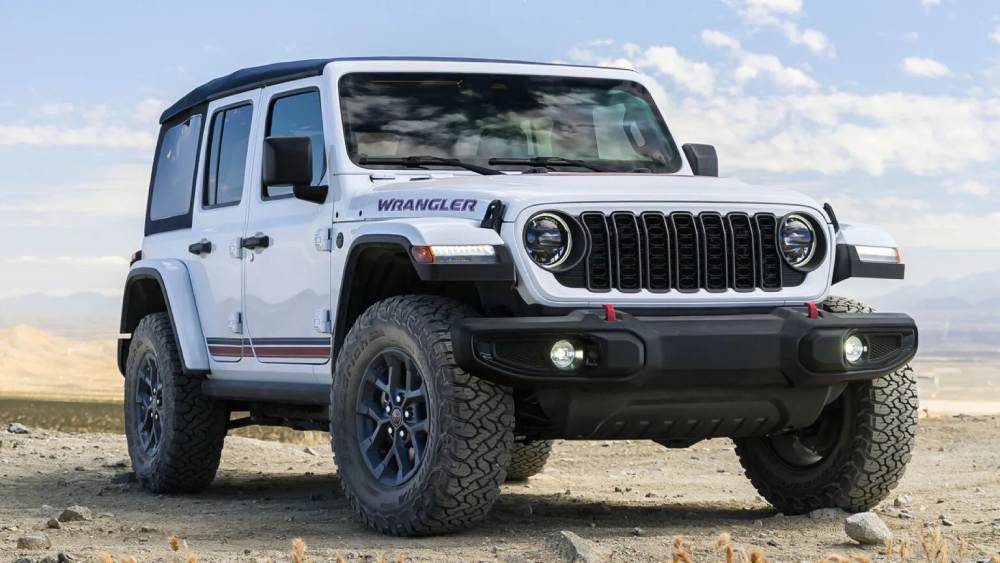
What Is Jeep Death Wobble?
Jeep Death Wobble is the name commonly used to describe a sudden and extremely violent oscillation in the steering wheel, front axle, and suspension. It usually begins after the vehicle hits a pothole, bridge joint, uneven pavement, or another sharp road imperfection. Instead of absorbing the impact and quickly returning to normal, the front wheels begin shaking rapidly from side to side.
For the driver, the experience can feel as though the entire front end of the Jeep is coming apart. The steering wheel may move so aggressively that holding it becomes difficult, while the vehicle may feel unstable in its lane. In many cases, the shaking continues until the driver reduces speed significantly.
Death Wobble is most closely associated with vehicles that use a solid front axle, including many Jeep Wrangler and Gladiator models. A solid axle connects both front wheels through a single axle assembly. This design provides excellent strength and wheel articulation for off road driving, but looseness or wear in the steering and suspension system can allow vibrations to spread through the entire front end.
What Happens During a Death Wobble?
A Death Wobble event usually starts with a small impact. One front wheel strikes a bump, sending energy into the axle and steering system. If components such as the track bar, tie rod ends, ball joints, control arms, bushings, or steering damper cannot properly control that movement, the front wheels may begin oscillating.
The driver may notice the following sequence:
- The vehicle hits a bump or rough section of pavement.
- The steering wheel begins moving rapidly from side to side.
- The front axle and body start vibrating.
- Steering becomes less precise and the driver loses confidence in the vehicle.
- The shaking continues until vehicle speed is reduced.
The condition may disappear after slowing down, but that does not mean the underlying problem has been resolved. A Jeep that experiences Death Wobble should be inspected before returning to normal highway driving.
Why Does It Feel So Dangerous?
Death Wobble creates an immediate sense that the driver is losing control. Even when the tires remain in contact with the road, rapid steering movement can make it difficult to maintain a predictable direction.
The condition is especially frightening in heavy traffic, on a curve, or while traveling beside a large truck. A driver may instinctively brake hard or make a sudden steering correction, which could further reduce vehicle stability.
If violent shaking begins, the safest response is generally to keep both hands on the steering wheel, avoid abrupt movements, gradually reduce speed, and move to a safe location when traffic conditions allow. The vehicle should then receive a complete steering and suspension inspection.
At What Speed Does Death Wobble Occur?
Many drivers report the condition at moderate or highway speeds, often after striking a bump. However, there is no single speed at which every event occurs.
Vehicle condition, tire balance, suspension modifications, alignment, road surface, and worn components can all influence when the vibration begins. A modified Jeep with larger tires or a suspension lift may respond differently from a factory configured vehicle.
The most important point is that Death Wobble is not considered a normal characteristic of owning a Jeep. It is a symptom that requires diagnosis.
Is There an Official Jeep Death Wobble Recall?
The phrase Jeep Death Wobble Recall is frequently used online, but it can create confusion. There has not been one universal safety recall covering every Jeep that experiences steering shake or Death Wobble.
Some vehicles have been covered by specific recalls, service campaigns, or repair programs involving steering components. Others have received updated parts through a Customer Satisfaction Notification or a Technical Service Bulletin. Whether a particular Jeep qualifies depends on its model, production date, VIN, installed equipment, and the specific defect involved.
This distinction matters because a safety recall is legally different from a service bulletin or customer satisfaction campaign.
Safety Recall
A safety recall is issued when a manufacturer or the National Highway Traffic Safety Administration determines that a vehicle contains a safety related defect or does not meet applicable safety standards. Recall repairs are generally completed by an authorized dealer at no cost to the owner.
One example involving Jeep steering was Safety Recall V06, also identified as NHTSA Recall 19V 021. It involved the front drag link on certain Jeep Wrangler vehicles. An improperly tightened drag link adjustment sleeve could allow the drag link to separate, potentially causing a loss of directional steering control. This recall addressed a specific steering defect, not every possible cause of Death Wobble.
Customer Satisfaction Notification
A Customer Satisfaction Notification is a manufacturer initiated program intended to address a product concern that may not be classified as a formal safety recall.
In 2019, FCA issued Customer Satisfaction Notification V41 for certain 2018 and 2019 Jeep Wrangler vehicles. The campaign stated that the front suspension steering damper might not effectively control steering system oscillation, resulting in sustained shaking or shimmy after the vehicle encountered rough pavement. Eligible vehicles could receive an improved steering damper.
V41 is commonly discussed as a Jeep Death Wobble repair program. However, it was a customer satisfaction campaign rather than a universal safety recall for every Wrangler with front end vibration.
Technical Service Bulletin
A Technical Service Bulletin gives dealership technicians diagnostic instructions, repair procedures, or updated part information for a known customer complaint.
A TSB does not automatically mean every vehicle will receive a free repair. Coverage may depend on warranty status, campaign eligibility, repair history, and the results of a dealer inspection.
Owners should also understand that not every steering bulletin addresses Death Wobble. For example, one Jeep bulletin concerning excessive steering play specifically stated that its repair would not correct sustained steering shake, shimmy, or vibration.
Why Is There No Single Answer for Every Jeep?
Death Wobble can result from several components interacting with one another. One vehicle may have a worn track bar bushing, while another may have loose steering hardware, damaged ball joints, tire problems, incorrect alignment, or a weak steering damper.
Replacing one component may reduce the shaking without correcting the original source of looseness. This is why a dealership or qualified suspension specialist should inspect the entire steering system rather than assuming that one commonly advertised part will solve every case.
The only reliable way to determine whether a Jeep is included in an active recall or campaign is to search its individual VIN. Owners can use the official Mopar recall tool or the NHTSA recall database.
Which Jeep Models Have Reported Death Wobble?
Death Wobble is most frequently associated with solid front axle Jeep vehicles. Reports are especially common among Wrangler owners, although Gladiator drivers have also described similar shaking.
A report alone does not prove that every vehicle from the same model year has a defect. It also does not guarantee that the vehicle is covered by a recall. Mechanical condition, mileage, modifications, maintenance history, tires, and previous repairs must all be considered.
Jeep Wrangler JK
The Wrangler JK was produced for the 2007 through 2018 model years. Its solid front axle and removable suspension components make it highly capable off road, but wear in the steering and suspension can contribute to front end oscillation.
Common areas inspected on a Wrangler JK include:
- Track bar bushings and mounting bolts
- Tie rod ends
- Drag link joints
- Ball joints
- Control arm bushings
- Wheel bearings
- Tire condition and balance
- Steering damper
- Front end alignment
A used JK may have larger tires, an aftermarket lift, replacement control arms, or other modifications. These changes are not automatically responsible for Death Wobble, but poor installation, incorrect suspension geometry, or loose hardware can increase the risk of instability.
Older Wrangler JK models may also be affected by unrelated recalls, including recalls involving airbags or other safety systems. Owners should therefore perform a complete VIN search rather than looking only for campaigns that mention steering. Mopar currently lists certain 2007 through 2016 Wrangler vehicles among models affected by Takata airbag recalls, demonstrating why every open campaign should be reviewed.
Jeep Wrangler JL
The Wrangler JL entered production for the 2018 model year and became one of the models most strongly associated with recent online searches for the Jeep Death Wobble Recall.
Certain 2018 and 2019 Wrangler vehicles were included in Customer Satisfaction Notification V41. According to the campaign document, the original steering damper might not adequately damp steering oscillation after the vehicle encountered rough pavement. The repair involved installing an improved steering damper on eligible vehicles.
Some JL vehicles were also involved in Safety Recall V06 concerning the drag link adjustment sleeve. Because V06 addressed the possibility of drag link separation, owners should not assume it was simply another name for the steering damper campaign.
A Wrangler JL may therefore have:
- No steering related campaign
- An incomplete safety recall
- A completed safety recall
- Eligibility for a customer satisfaction campaign
- A steering complaint unrelated to any active campaign
This is why the VIN, rather than the model name alone, determines recall eligibility.
Jeep Gladiator JT
The Jeep Gladiator shares important chassis and suspension characteristics with the Wrangler JL, including a solid front axle. Some Gladiator owners have reported steering shake or front end oscillation after hitting uneven pavement.
However, owners should not assume that a Wrangler campaign automatically applies to a Gladiator. Campaign eligibility is based on the exact VIN and production details.
The Gladiator and Wrangler have also been included together in recalls unrelated to Death Wobble. For example, NHTSA announced a recall affecting certain 2021 through 2025 Wrangler and Gladiator vehicles because of an electrical connection issue associated with the electric hydraulic power steering pump. That recall concerns a potential fire risk and should not be described as a Death Wobble recall.
This example shows why owners must read the recall description carefully. A campaign may mention steering while addressing an entirely different hazard.
What About the Jeep Cherokee and Grand Cherokee?
The Cherokee and Grand Cherokee are sometimes included in general online discussions about Jeep steering vibration. However, most modern versions do not use the same solid front axle configuration as the Wrangler and Gladiator.
Vibration in these vehicles may be caused by wheel balance, tires, wheel bearings, brakes, suspension wear, or other mechanical problems. It should not automatically be labeled Death Wobble.
Owners of any Jeep model who experience severe steering vibration should still check their VIN and arrange an inspection. The diagnosis should be based on the vehicle’s actual suspension design and mechanical condition, not only on terminology found in an online forum.
Summary of Potentially Relevant Models
| Jeep model | Commonly associated with Death Wobble | Automatic recall coverage |
|---|---|---|
| Wrangler JK | Yes | No |
| Wrangler JL | Yes | No |
| Gladiator JT | Yes | No |
| Cherokee | Less commonly | No |
| Grand Cherokee | Less commonly | No |
No model year should be considered covered based only on this table. Recall and campaign status must always be confirmed through the VIN.
A Jeep can experience severe steering shake without having an open recall. It can also have an unrelated safety recall even when the steering feels normal. Checking the VIN is therefore the most important next step.
Symptoms That May Indicate a Death Wobble
Recognizing the early warning signs of Death Wobble can help prevent a frightening situation from becoming even more dangerous. While the condition often appears suddenly, many vehicles exhibit subtle symptoms before the violent shaking occurs. Paying attention to these warning signs allows owners to identify worn steering or suspension components before they fail completely.
The most recognizable symptom is an intense side-to-side shaking of the steering wheel after driving over a pothole, bridge expansion joint, railroad crossing, or uneven section of pavement. The vibration can become so severe that the driver feels as though the entire front axle is bouncing uncontrollably.
Unlike a minor steering wheel vibration caused by tire imbalance, Death Wobble produces a rapid oscillation that affects the entire front suspension. The vehicle may continue shaking until speed is significantly reduced, often below highway speeds.
Common symptoms include:
• Violent steering wheel shaking after hitting a road imperfection
• Strong vibration felt throughout the front axle
• Front end bouncing from side to side
• Difficulty maintaining a straight driving line
• Steering wheel rapidly oscillating in the driver’s hands
• Temporary loss of steering confidence
• Repeated shaking whenever similar bumps are encountered
• Abnormal tire wear caused by suspension or alignment issues
Some drivers also notice clunking noises from the front suspension before Death Wobble develops. These sounds may indicate loose mounting bolts, worn bushings, deteriorated ball joints, or excessive play in the steering linkage.
When Should You Stop Driving?
If your Jeep begins shaking violently, remain calm and keep both hands firmly on the steering wheel. Avoid making sudden steering corrections or slamming on the brakes. Instead, gradually reduce your speed while maintaining control of the vehicle and safely move to the side of the road when traffic conditions permit.
Once the shaking has stopped, inspect the tires for visible damage and avoid continuing long-distance travel until the steering and suspension system has been professionally examined.
Although some drivers experience only one episode, others report that Death Wobble becomes more frequent over time. Continuing to drive without identifying the underlying cause may accelerate wear on suspension components and increase repair costs.
It is also important to understand that replacing a single part, such as the steering stabilizer, may temporarily reduce the symptoms without eliminating the mechanical issue that caused the oscillation in the first place. A complete suspension inspection is always recommended.
What Causes Jeep Death Wobble?
One of the biggest misconceptions surrounding Death Wobble is that it is caused by a single defective component. In reality, it is usually the result of excessive movement somewhere within the steering or suspension system. Once that looseness reaches a critical level, a bump in the road can trigger a chain reaction that causes the front axle to oscillate violently.
Professional technicians rarely replace just one part without performing a complete inspection because several worn components can contribute to the same symptom.
Worn Track Bar
The track bar is one of the most critical components in the front suspension of a solid axle Jeep. Its primary function is to keep the axle centered beneath the vehicle.
If the track bar bushings wear out or the mounting bolts become loose, the axle can shift from side to side after striking a bump. Even a small amount of movement may allow vibrations to multiply throughout the steering system.
Because of its importance, the track bar is often one of the first components inspected when diagnosing Death Wobble.
Loose Ball Joints
Ball joints connect the steering knuckles to the suspension while allowing controlled movement as the wheels turn and travel over uneven terrain.
As mileage increases, these joints may develop excessive play. When multiple ball joints become worn, the front wheels can move independently instead of remaining properly aligned, creating ideal conditions for steering oscillation.
Damaged Tie Rod Ends
Tie rods transfer steering input from the steering gear to the front wheels.
Loose or worn tie rod ends reduce steering precision and may amplify vibrations created elsewhere in the suspension. Excessive free play can also contribute to uneven tire wear and poor alignment.
Steering Stabilizer
The steering stabilizer, sometimes called a steering damper, is frequently mentioned whenever Death Wobble is discussed.
Its job is to absorb small steering shocks before they reach the steering wheel. While a worn stabilizer can make vibration more noticeable, it is generally not considered the root cause of Death Wobble.
Installing a new steering stabilizer without correcting worn suspension components may temporarily reduce steering shake, but the problem often returns because the underlying looseness still exists.
Wheel Alignment
Improper wheel alignment can place additional stress on steering components and tires.
Incorrect caster angle is particularly important on solid front axle vehicles because it affects steering stability and the tendency of the wheels to return to center after turning.
Alignment alone rarely causes Death Wobble, but it can worsen existing suspension problems.
Control Arm Bushings
Control arms help maintain the axle’s position during braking, acceleration, and suspension travel.
When bushings deteriorate, the axle can shift under load, increasing the likelihood of steering instability. Cracked rubber bushings, torn sleeves, or excessive movement should all be addressed during inspection.
Tire and Wheel Problems
Uneven tire wear, separated tire belts, improperly balanced wheels, bent rims, or incorrect tire pressure can all introduce vibrations into the suspension.
Although these issues do not always create Death Wobble by themselves, they can trigger oscillation when combined with worn steering components.
For this reason, a complete diagnosis should always include tire condition, wheel balance, wheel bearings, and suspension geometry rather than focusing on steering parts alone.
How to Check If Your Jeep Is Included in a Recall
If you are concerned about a possible Jeep Death Wobble Recall, the first step is to verify whether your specific vehicle has any open safety recalls or manufacturer service campaigns. Two Jeeps built in the same model year may have completely different recall histories because eligibility is determined by the Vehicle Identification Number, commonly known as the VIN.
Checking your VIN only takes a few minutes and provides the most accurate information available.
Step 1: Locate Your VIN
Your 17 character VIN can typically be found in several locations:
• At the base of the windshield on the driver’s side
• Inside the driver’s door frame
• On your vehicle registration
• On your insurance documents
Be sure to enter the VIN exactly as shown, since even one incorrect character will produce inaccurate results.
Step 2: Use an Official Recall Lookup Tool
The safest approach is to use an official recall database rather than relying on information from online forums or social media.
You can check your VIN through:
• The official Mopar Recall Lookup tool
• The National Highway Traffic Safety Administration Recall Database
These databases identify open safety recalls that have not yet been completed and may also provide additional campaign information depending on the manufacturer.
Step 3: Contact an Authorized Jeep Dealer
Even if no active recall appears online, it is still worthwhile to contact an authorized Jeep dealership if your vehicle is experiencing severe steering vibration.
The service department can verify:
• Whether all recalls have been completed
• Whether your Jeep qualifies for a Customer Satisfaction Notification
• Whether any Technical Service Bulletins apply to your symptoms
• Whether warranty coverage may reduce repair costs
The technician can also inspect your suspension to determine whether the problem is caused by normal wear rather than a manufacturer campaign.
Step 4: Review Previous Repairs
If you purchased your Jeep used, request any available maintenance records.
Previous owners may have already replaced important suspension components such as the track bar, ball joints, steering stabilizer, drag link, or tie rod ends. Knowing what has already been repaired can significantly reduce diagnostic time.
What If No Recall Is Found?
Finding no active recall does not necessarily mean your Jeep is safe to continue driving without inspection.
Many Death Wobble cases are caused by worn suspension components rather than a defect covered by a recall. If your vehicle exhibits violent steering oscillation, schedule a professional suspension inspection as soon as possible, even if your VIN shows no open campaigns.
A thorough diagnosis performed early is often less expensive than waiting until multiple steering and suspension components require replacement.
What If Your Jeep Is Not Included in the Recall?
Many Jeep owners assume that if their VIN does not appear in an official recall database, the manufacturer is responsible for repairing the vehicle at no cost. Unfortunately, that is not always the case. Death Wobble is a symptom rather than a single manufacturing defect, and many cases are caused by normal wear, damaged suspension components, improper modifications, or poor maintenance.
If your Jeep is not included in a recall, you should not ignore the problem. A violent steering oscillation is a clear indication that something within the steering or suspension system requires attention.
Schedule a Professional Inspection
The first step is to have the vehicle inspected by a qualified technician who is familiar with solid front axle suspension systems. A proper inspection should include every major steering and suspension component rather than focusing on only one part.
A comprehensive inspection typically includes checking:
• Track bar and mounting brackets
• Ball joints
• Tie rod ends
• Drag link
• Steering stabilizer
• Control arm bushings
• Wheel bearings
• Front axle mounting hardware
• Wheel alignment
• Tire balance and tire condition
Technicians should also verify that all suspension bolts are tightened to the manufacturer’s specified torque values. Even a slightly loose mounting bolt can contribute to excessive movement within the front suspension.
Consider Previous Suspension Modifications
Many Jeep owners install larger tires, lift kits, aftermarket control arms, adjustable track bars, or heavy duty steering systems.
These upgrades can improve off road capability, but improper installation or incorrect suspension geometry may increase the likelihood of steering instability. If your Jeep has been modified, ask the technician to inspect every aftermarket component in addition to the factory suspension.
Aftermarket parts are not necessarily responsible for Death Wobble, but they should always be evaluated as part of the diagnostic process.
Ask About Warranty Coverage
Even if your Jeep is not covered by a safety recall, you may still qualify for warranty assistance.
Depending on the age and mileage of the vehicle, repairs may be covered by:
• New vehicle limited warranty
• Certified pre owned warranty
• Extended service contract
• Manufacturer goodwill assistance in certain situations
Coverage varies depending on the vehicle’s service history, ownership status, and warranty terms, so it is worth discussing available options with an authorized Jeep dealership before paying for repairs.
Obtain More Than One Repair Estimate
Death Wobble diagnosis can vary from one repair shop to another.
If one shop immediately recommends replacing multiple expensive suspension components without performing a complete inspection, consider obtaining a second opinion from another experienced technician.
An accurate diagnosis identifies the root cause rather than replacing parts through trial and error. This approach often saves both time and money while providing a more permanent solution.
Continue Routine Maintenance
Once repairs have been completed, continue inspecting the steering and suspension during regular maintenance intervals.
Replacing worn components before they develop excessive play is one of the most effective ways to prevent future steering problems.
How Much Does It Cost to Fix Jeep Death Wobble?
Repair costs vary considerably because there is no universal Death Wobble repair. The final price depends on which components require replacement, labor rates in your area, whether genuine OEM or aftermarket parts are used, and whether multiple suspension components have worn out simultaneously.
A Jeep with a single worn steering stabilizer may require only a relatively inexpensive repair, while another vehicle with worn ball joints, a damaged track bar, and poor alignment may require significantly more extensive work.
The table below provides approximate repair costs commonly reported by repair facilities. Actual prices may vary depending on location and vehicle configuration.
| Repair Item | Estimated Cost (Parts and Labor) |
|---|---|
| Steering stabilizer replacement | $150 to $400 |
| Track bar replacement | $250 to $700 |
| Ball joint replacement | $400 to $1,000 |
| Tie rod replacement | $250 to $800 |
| Drag link replacement | $300 to $900 |
| Wheel alignment | $100 to $250 |
| Tire balancing | $50 to $150 |
| Wheel bearing replacement | $300 to $800 |
| Complete front suspension repair | $1,000 to $3,000 or more |
These figures should be considered estimates only. Luxury trim levels, aftermarket suspension systems, larger tires, and regional labor rates can all affect the final repair cost.
Why Replacing Only One Part May Not Work
One of the most common mistakes is replacing only the steering stabilizer because it is the most visible component associated with Death Wobble.
While a new stabilizer may temporarily reduce steering vibration, it often acts as a bandage rather than a permanent repair. If the track bar, ball joints, tie rods, or control arm bushings remain loose, the oscillation may eventually return.
Professional technicians generally recommend inspecting the entire front suspension before replacing any components.
Is It Safe to Delay Repairs?
Some owners continue driving after experiencing a single episode because the shaking disappears once the vehicle slows down.
This is not recommended.
Loose steering and suspension components typically worsen over time. Continuing to drive with excessive wear may increase repair costs, accelerate tire wear, reduce steering precision, and create additional safety concerns.
Addressing the problem early is usually less expensive than waiting until multiple components fail.
Can Death Wobble Be Prevented?
Although not every case can be prevented, regular maintenance significantly reduces the likelihood of experiencing Death Wobble.
Because the condition usually develops as suspension components wear over time, identifying and replacing worn parts before they become excessively loose is the best preventive strategy.
Perform Regular Suspension Inspections
Have the front suspension inspected during routine maintenance, especially if your Jeep is frequently driven off road or on rough roads.
Pay particular attention to:
• Track bar bushings
• Ball joints
• Tie rod ends
• Drag link
• Control arm bushings
• Steering stabilizer
• Mounting bolts
Replacing worn components early helps maintain proper steering geometry and reduces unnecessary stress on other suspension parts.
Maintain Proper Wheel Alignment
A professional wheel alignment should be performed whenever suspension components are replaced or after significant impacts with potholes or curbs.
Proper caster, camber, and toe settings improve steering stability and help distribute tire wear more evenly.
Keep Tires in Good Condition
Inspect your tires regularly for:
• Uneven tread wear
• Cupping
• Sidewall damage
• Separated belts
• Low air pressure
Rotate and balance the tires according to the maintenance schedule recommended by the manufacturer.
Healthy tires reduce unnecessary vibration and improve overall steering performance.
Check Suspension Hardware
Loose mounting hardware is a common contributor to front suspension movement.
After off road use or suspension modifications, verify that all steering and suspension fasteners are tightened according to factory torque specifications.
Periodic torque inspections are particularly important for lifted Jeeps that experience greater suspension travel.
Use High Quality Replacement Parts
When replacing steering or suspension components, choose quality parts that meet or exceed original equipment specifications.
Inferior components may wear prematurely and reduce the long term reliability of the repair.
Whether you choose OEM or premium aftermarket parts, proper installation is just as important as the components themselves.
Monitor Changes in Steering Feel
Drivers often notice subtle changes before Death Wobble develops.
Watch for:
• Increased steering play
• New clunking noises
• Vehicle wandering
• Uneven tire wear
• Minor steering vibration
Addressing these symptoms early can prevent a more serious steering oscillation from developing later.
Routine maintenance, careful inspections, and prompt repairs remain the most effective way to keep your Jeep’s steering system operating safely and confidently for many years.
Frequently Asked Questions
Is there an official Jeep Death Wobble Recall?
There is no single universal recall that covers every Jeep experiencing Death Wobble. Some Jeep models have been included in specific safety recalls, Customer Satisfaction Notifications, or Technical Service Bulletins related to steering or suspension components. Whether your vehicle qualifies depends on its VIN, model year, production date, and the specific issue identified during inspection.
Which Jeep models are most commonly affected?
Death Wobble is most frequently reported on Jeep vehicles equipped with a solid front axle, particularly the Jeep Wrangler JK, Wrangler JL, and Jeep Gladiator. While other Jeep models may experience steering vibrations, they generally have different suspension designs and should not automatically be considered to have Death Wobble.
Is Death Wobble dangerous?
Yes. Although Death Wobble does not necessarily mean the vehicle will immediately lose steering control, the violent oscillation can make it difficult to maintain your lane and safely control the vehicle at highway speeds. If you experience severe steering shake, reduce your speed carefully and arrange for a professional inspection before driving the vehicle again.
Can I continue driving after experiencing Death Wobble?
It is not recommended. Even if the shaking stops after slowing down, the underlying mechanical problem remains. Continuing to drive without diagnosing the cause may increase suspension wear, damage additional components, and lead to more expensive repairs.
Will replacing the steering stabilizer permanently fix Death Wobble?
Not always.
A worn steering stabilizer can make vibrations more noticeable, but it is rarely the root cause of Death Wobble. In many cases, worn track bars, loose ball joints, damaged tie rod ends, control arm bushings, or alignment issues are responsible for the excessive movement. Replacing only the steering stabilizer may temporarily reduce symptoms without solving the actual problem.
Can oversized tires or lift kits cause Death Wobble?
Larger tires and suspension lifts do not automatically cause Death Wobble. However, they can place additional stress on steering components and alter suspension geometry. If aftermarket parts are improperly installed or suspension angles are incorrect, they may increase the likelihood of steering oscillation.
Proper installation, alignment, and routine inspections are essential for modified Jeeps.
How do I know if my Jeep is included in a recall?
The easiest way is to check your Vehicle Identification Number (VIN) using the official Jeep or NHTSA recall lookup tool.
If your VIN has an open safety recall, the repair is generally performed at no cost by an authorized dealership. If no recall appears but your Jeep still experiences Death Wobble, a professional suspension inspection is still necessary because the problem may be caused by normal wear rather than a manufacturer defect.
How much does it cost to repair Death Wobble?
Repair costs vary depending on which components require replacement.
Minor repairs such as wheel balancing or alignment may cost less than a few hundred dollars, while replacing multiple steering and suspension components can exceed several thousand dollars. Obtaining an accurate diagnosis before replacing parts is the most cost effective approach.
Can regular maintenance prevent Death Wobble?
Routine maintenance significantly reduces the risk.
Inspecting steering and suspension components, maintaining proper wheel alignment, balancing tires, replacing worn bushings and ball joints, and checking suspension hardware can help prevent excessive looseness from developing.
While no maintenance program can eliminate every possibility, early detection is the best defense against severe steering oscillation.
Conclusion
Experiencing Death Wobble can be one of the most unsettling situations a Jeep owner will ever face. The sudden and violent shaking often occurs without warning, leaving drivers wondering whether their vehicle is safe to operate and whether an official Jeep Death Wobble Recall applies to their model.
The most important takeaway is that Death Wobble is a symptom, not a single defect. Although certain Jeep models have been covered by recalls, Customer Satisfaction Notifications, or Technical Service Bulletins related to steering and suspension components, many cases are ultimately traced to worn or damaged parts that require professional diagnosis and repair.
If your Jeep develops severe steering vibration after hitting a bump, do not assume the problem will disappear on its own. Schedule a comprehensive inspection, check your VIN for any open recalls, and address worn suspension components before the condition becomes more serious.
Regular maintenance remains the most effective way to reduce the risk of Death Wobble. By inspecting the steering system, maintaining proper alignment, replacing worn parts promptly, and following the manufacturer’s maintenance recommendations, you can improve vehicle stability, extend the life of your suspension, and enjoy greater confidence every time you get behind the wheel.
Whether you own a Wrangler, Gladiator, or another Jeep model, staying informed and acting quickly when symptoms appear is the best way to protect both your vehicle and everyone riding in it.