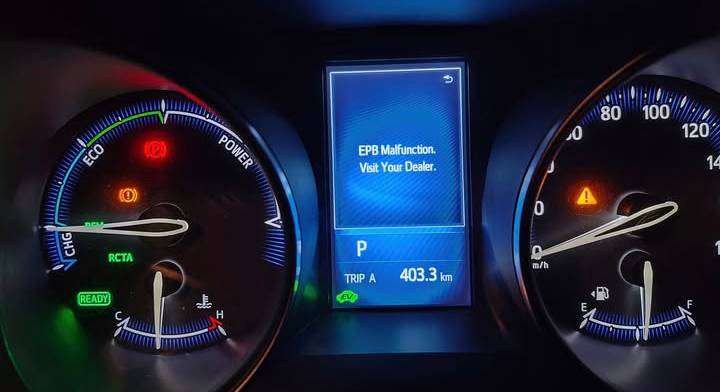
Have you recently seen the warning message “EPB Malfunction” appear on your Toyota’s dashboard? If so, you are not alone. This warning can be alarming, especially when it appears unexpectedly while driving or starting your vehicle. Many Toyota owners immediately worry about expensive repairs, brake failure, or potential safety risks.
The Electronic Parking Brake (EPB) system is designed to improve convenience and safety by automatically applying and releasing the parking brake when needed. Modern Toyota models such as the Corolla, Camry, RAV4, Highlander, and Prius rely on this technology instead of traditional mechanical parking brakes. However, like any electronic system, the EPB can occasionally develop faults that trigger warning messages and affect vehicle performance.
The good news is that an EPB malfunction does not always indicate a major mechanical failure. In many cases, the problem may be caused by a weak battery, a faulty sensor, damaged wiring, software issues, or a system calibration error. Identifying the root cause early can help prevent unnecessary repair costs and avoid more serious brake-related problems.
In this guide, we will explain what a Toyota EPB malfunction means, the most common causes, warning signs to watch for, effective troubleshooting methods, and the typical repair costs you can expect.
What Does Toyota EPB Malfunction Mean?
EPB stands for Electronic Parking Brake, a system that replaces the traditional hand-operated parking brake found in older vehicles. Instead of using a manual lever or foot pedal, the EPB system relies on electric motors, sensors, and a control module to engage and release the parking brake automatically.
In Toyota vehicles, the Electronic Parking Brake is designed to improve convenience and enhance safety. The system can hold the vehicle securely when parked and often works together with features such as Auto Hold, Hill Start Assist, and other driver assistance technologies.
When the message “EPB Malfunction” appears on the dashboard, it means the vehicle has detected an abnormal condition within the parking brake system. The issue may involve electrical components, software, communication errors between modules, or mechanical problems within the brake actuator itself.
An EPB malfunction does not always mean the brakes have failed completely. In many cases, the warning is triggered by voltage fluctuations, sensor faults, or temporary communication issues. However, because the parking brake is an important safety component, the warning should never be ignored.
If left unresolved, the problem can eventually prevent the parking brake from engaging or releasing correctly, creating potential safety risks and increasing repair costs.
Common Symptoms of a Toyota EPB Malfunction
The most obvious sign of an EPB issue is a warning message displayed on the instrument cluster. Depending on the Toyota model, drivers may see messages such as “EPB Malfunction,” “Parking Brake Malfunction,” or “Visit Your Dealer.”
In addition to warning messages, several other symptoms may indicate a problem with the Electronic Parking Brake system.
One common symptom is the inability to engage the parking brake. Pressing the EPB switch may produce no response, leaving the vehicle without a functioning parking brake. In other cases, the opposite problem occurs, where the parking brake remains engaged and refuses to release.
Some drivers notice unusual noises coming from the rear brakes when activating or releasing the parking brake. Clicking, grinding, or repeated motor sounds can indicate a failing actuator or mechanical obstruction within the system.
Another warning sign is the loss of the Auto Hold feature. Since Auto Hold relies on the Electronic Parking Brake system, an EPB fault may automatically disable this function.
In more severe cases, multiple dashboard warnings may appear simultaneously. Drivers may see ABS, Brake System, Traction Control, or Check Engine warnings in addition to the EPB alert. This usually suggests a broader electrical or communication issue that requires diagnostic testing.
Recognizing these symptoms early can help prevent further damage and reduce repair expenses.
Common Causes of Toyota EPB Malfunction
Several different factors can trigger an EPB malfunction warning in Toyota vehicles. Understanding these causes can make troubleshooting much easier.
A weak or failing battery is one of the most common reasons. The Electronic Parking Brake requires stable voltage to operate correctly. When battery voltage drops below the required threshold, the system may generate false error messages even when no mechanical problem exists.
Faulty brake actuators are another frequent cause. The actuator contains an electric motor responsible for applying and releasing the parking brake. Over time, internal components can wear out due to age, moisture exposure, or repeated use.
Sensor failures can also trigger warning messages. The EPB system relies on various sensors to monitor brake position and operating status. If a sensor provides inaccurate information, the control module may disable the system as a precaution.
Damaged wiring and corroded electrical connectors are common in vehicles frequently exposed to rain, flooding, road salt, or humid environments. Poor electrical connections can interrupt communication between modules and cause intermittent faults.
Software glitches may also contribute to EPB problems. After a battery replacement, brake service, or electronic system update, some Toyota models may require recalibration of the parking brake system. Failure to perform this procedure can result in warning messages even when all hardware components are functioning properly.
Finally, blown fuses and defective relays should not be overlooked. Although relatively inexpensive to repair, these electrical issues can completely disable the Electronic Parking Brake system and trigger dashboard alerts.
Is It Safe to Drive With a Toyota EPB Malfunction?
One of the first questions drivers ask after seeing the warning message is whether it is safe to continue driving. The answer depends on the severity of the problem and the symptoms accompanying the warning.
If the vehicle drives normally and the only indication is an EPB warning light or message, it may still be possible to drive the vehicle for a short period while arranging a proper inspection. In many cases, the issue is related to a weak battery, temporary voltage fluctuation, or a sensor fault that does not directly affect the hydraulic braking system.
However, drivers should remain cautious. The Electronic Parking Brake is part of the vehicle’s overall safety system, and a malfunction can sometimes affect related features such as Auto Hold, Traction Control, and certain driver assistance technologies. Even if the vehicle feels normal, ignoring the warning for an extended period can lead to more serious problems.
Driving should be avoided immediately if the parking brake remains engaged, if the vehicle struggles to move, or if multiple brake-related warning lights appear simultaneously. These symptoms may indicate a more significant fault that could compromise safety.
If you notice unusual brake noises, a burning smell near the wheels, reduced braking performance, or difficulty releasing the parking brake, stop driving and have the vehicle inspected as soon as possible. Continuing to operate the vehicle under these conditions may cause additional damage to the braking system and increase repair costs.
The safest approach is to diagnose the issue early rather than waiting for the system to fail completely.
How to Fix Toyota EPB Malfunction
The correct repair depends on the underlying cause of the warning. Fortunately, some issues can be identified and resolved without replacing expensive components.
The first step is checking the battery. Low voltage is responsible for a surprising number of EPB-related warnings. Use a multimeter to verify battery health and inspect the battery terminals for corrosion or loose connections. If the battery is weak or nearing the end of its service life, replacement may immediately resolve the issue.
Next, inspect the relevant fuses and relays. A blown fuse can interrupt power to the Electronic Parking Brake system and trigger warning messages. Replacing a faulty fuse is often a quick and inexpensive solution.
If the warning appeared after replacing the battery, brake pads, or performing electrical repairs, the system may require recalibration. Some Toyota models allow basic EPB initialization procedures, while others require a professional scan tool.
Using an OBD-II scanner is one of the most effective troubleshooting methods. Diagnostic trouble codes can identify the specific component causing the malfunction and prevent unnecessary parts replacement.
Drivers should also inspect visible wiring and connectors around the brake system. Damaged insulation, moisture intrusion, or corroded terminals can interfere with communication between the EPB control module and other vehicle systems.
When mechanical components such as the brake actuator or electric motor fail, replacement is usually required. These repairs are more complex and should generally be performed by a qualified technician familiar with Toyota electronic braking systems.
Addressing the issue promptly can prevent additional damage and reduce overall repair expenses.
OBD-II Trouble Codes Related to Toyota EPB Malfunctions
Modern Toyota vehicles continuously monitor the Electronic Parking Brake system and store diagnostic trouble codes when abnormalities are detected. Reading these codes is often the fastest way to identify the root cause of the malfunction.
One commonly reported code is C1241, which usually indicates low battery voltage or an issue within the vehicle’s power supply system. Because the EPB relies heavily on stable electrical power, voltage-related faults are among the most frequent causes of warning messages.
Codes related to actuator performance may indicate that the electric motor responsible for applying or releasing the parking brake is operating outside normal parameters. These faults often occur due to internal wear, contamination, or mechanical resistance within the actuator assembly.
Sensor-related codes may appear when the system receives inconsistent information about brake position or operating status. In these situations, the control module may disable EPB functions until accurate sensor data is restored.
Communication codes can also occur when modules within the vehicle fail to exchange information properly. Wiring damage, poor electrical connections, or software issues are common contributors to these faults.
While some generic scan tools can retrieve basic diagnostic information, professional-grade diagnostic equipment provides more detailed data specific to Toyota vehicles. This additional information can significantly reduce diagnostic time and improve repair accuracy.
It is important to remember that trouble codes identify the area where a problem exists, but they do not always pinpoint the exact failed component. A complete diagnosis should include visual inspections, voltage testing, and functional system checks before replacing any parts.
Toyota EPB Malfunction Repair Costs
The cost of repairing a Toyota EPB malfunction can vary significantly depending on the root cause of the problem, the vehicle model, and labor rates in your area. Some issues can be resolved with a simple battery replacement, while others may require major component repairs.
Diagnostic testing is usually the first expense. Most repair shops and dealerships charge a diagnostic fee to scan the vehicle and identify fault codes. This cost typically ranges from $50 to $150, depending on the complexity of the diagnosis and the equipment used.
If a weak battery is responsible for the warning, replacement costs generally range from $100 to $400. The final price depends on battery type, capacity, and whether the vehicle uses advanced start stop technology.
Electrical repairs involving damaged wiring, corroded connectors, or faulty relays are often less expensive than replacing major components. These repairs commonly fall between $100 and $500, although extensive wiring damage can increase labor costs.
A malfunctioning EPB actuator is one of the more expensive repairs. Depending on the Toyota model, replacing an actuator can cost between $400 and $1,500, including parts and labor. Luxury trims and newer vehicles often have higher component costs.
In severe cases where the entire Electronic Parking Brake assembly requires replacement, repair bills may exceed $2,000. Fortunately, complete system replacement is relatively uncommon and usually occurs only after significant wear or long-term neglect.
Obtaining an accurate diagnosis before authorizing repairs is essential. Replacing parts based on assumptions can lead to unnecessary expenses and may not solve the underlying issue.
How to Prevent Future EPB Problems
While not every Electronic Parking Brake failure can be avoided, regular maintenance significantly reduces the likelihood of encountering unexpected warning messages.
Battery maintenance should be a top priority. Since the EPB system depends heavily on stable electrical power, keeping the battery in good condition can prevent many common faults. Drivers should periodically test battery voltage and replace aging batteries before they begin to fail.
Routine brake inspections are equally important. During scheduled maintenance, technicians should examine brake pads, calipers, actuators, and related electrical components for signs of wear or damage.
Keeping electrical connectors clean and protected from moisture can also help prevent communication issues. Vehicles regularly exposed to flooding, heavy rain, snow, or road salt may be more susceptible to corrosion-related faults.
Drivers should never ignore warning lights, even if the vehicle appears to operate normally. Early diagnosis often prevents minor issues from developing into expensive repairs.
When replacing a battery or performing brake service, it is important to follow Toyota’s recommended calibration procedures. Proper system initialization ensures that the Electronic Parking Brake continues to function correctly after maintenance.
Software updates released by Toyota may also address known system issues. During routine service visits, drivers can ask whether any available updates apply to their vehicle.
Consistent maintenance not only improves system reliability but can also extend the lifespan of expensive braking components.
Frequently Asked Questions
Can a Toyota EPB malfunction fix itself?
In some cases, a temporary warning caused by low voltage or a minor communication error may disappear after the battery is recharged or the system is reset. However, recurring warnings usually indicate an underlying problem that requires diagnosis and repair.
Can I reset a Toyota EPB malfunction at home?
Some Toyota models allow basic Electronic Parking Brake reset procedures. However, many faults require a diagnostic scan tool to clear stored trouble codes and perform system calibration. Simply clearing the warning without addressing the cause may result in the message returning.
Can a weak battery trigger an EPB malfunction warning?
Yes. A weak or failing battery is one of the most common causes of Electronic Parking Brake warnings. Low voltage can interfere with communication between vehicle modules and cause false fault messages.
How long does an Electronic Parking Brake actuator last?
The lifespan of an EPB actuator varies depending on driving conditions, climate, and maintenance practices. Many actuators last well over 100,000 miles, although exposure to moisture and road contaminants can shorten their service life.
Is an EPB malfunction covered under warranty?
Warranty coverage depends on the age of the vehicle, mileage, and the specific component that has failed. Owners should review their warranty documentation or contact a Toyota dealership for confirmation.
Conclusion
A Toyota EPB malfunction warning can be frustrating, but it does not always indicate a serious or expensive repair. In many cases, the issue is related to low battery voltage, sensor faults, calibration errors, or minor electrical problems that can be resolved relatively quickly.
Understanding the warning signs and addressing the problem early can help prevent further damage to the Electronic Parking Brake system. Ignoring the issue may lead to reduced functionality, additional dashboard warnings, and higher repair costs over time.
Whether the problem stems from a weak battery, faulty wiring, a failing actuator, or software-related issues, obtaining a proper diagnosis is the most effective way to restore normal operation and avoid unnecessary expenses.
Regular maintenance, battery inspections, and prompt attention to warning lights can go a long way toward keeping your Toyota’s Electronic Parking Brake system operating safely and reliably. By taking action early, drivers can protect both their vehicle and their repair budget while ensuring continued confidence on the road.