Have you ever noticed the PWR Mode button in your Toyota Highlander and wondered what it actually does? Many drivers assume that activating PWR Mode unlocks extra horsepower or significantly boosts engine performance. Others avoid using it altogether because they fear it may increase fuel consumption or put unnecessary strain on the vehicle. The truth is much simpler and far more practical.
Toyota designed PWR Mode to make the Highlander feel more responsive when accelerating. Whether you are merging onto a busy highway, passing slower vehicles, climbing steep hills, or towing a trailer, PWR Mode helps the vehicle react more quickly to your throttle inputs. However, it is important to understand that this feature does not increase the engine’s maximum power output. Instead, it changes the relationship between the accelerator pedal and the vehicle’s response.
Understanding how PWR Mode works can help you make better driving decisions and get the most out of your Toyota Highlander. In this guide, we will explain what PWR Mode is, how it affects vehicle performance, when you should use it, and whether it has any impact on fuel economy or long-term reliability. By the end, you will know exactly when PWR Mode can be beneficial and when another driving mode may be a better choice.
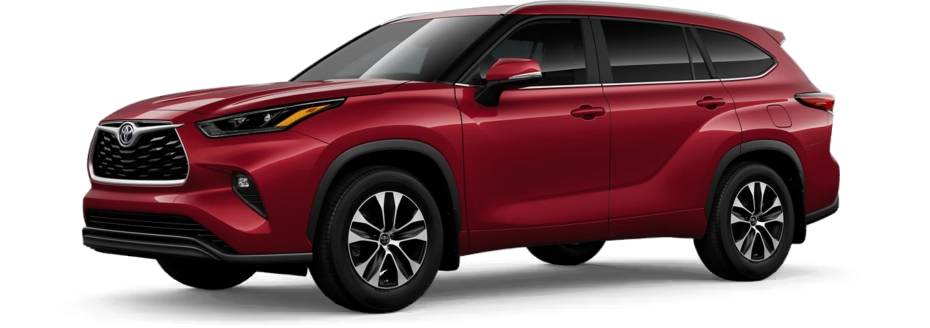
What Is Toyota Highlander PWR Mode?
PWR Mode, short for Power Mode, is one of the selectable driving modes available on many Toyota Highlander models. It is designed to enhance the vehicle’s responsiveness by adjusting how the engine and transmission react to driver inputs. While the name may suggest a significant increase in engine power, PWR Mode does not add horsepower or modify the engine’s mechanical capabilities.
Instead, the system changes the vehicle’s throttle mapping. In simple terms, it allows the Highlander to respond more aggressively when the driver presses the accelerator pedal. A smaller pedal movement can result in a stronger acceleration response compared to Normal Mode. This creates a more dynamic and engaging driving experience, particularly in situations where quick acceleration is desirable.
Toyota introduced PWR Mode to give drivers more control over how their vehicle feels on the road. Different driving conditions require different responses, and PWR Mode helps the Highlander adapt to situations where immediate acceleration can improve convenience, confidence, and safety.
For drivers who frequently encounter heavy traffic, steep hills, or highway merging situations, PWR Mode can make the vehicle feel more capable and responsive without requiring any modifications to the engine itself.
How Does Toyota Highlander PWR Mode Work?
To understand how PWR Mode works, it helps to understand throttle response. Modern vehicles use an electronic throttle control system rather than a direct mechanical connection between the accelerator pedal and the engine. This means the vehicle’s computer interprets pedal inputs and determines how much throttle to apply.
In Normal Mode, the Highlander’s computer is calibrated to provide balanced acceleration, fuel efficiency, and comfort. When the driver presses the accelerator pedal, the system responds gradually to create a smooth driving experience.
When PWR Mode is activated, the calibration changes. The same amount of pedal movement results in a more immediate throttle response. For example, pressing the accelerator halfway in PWR Mode may feel similar to pressing it much further in Normal Mode. This gives the impression that the vehicle is more powerful, even though the engine’s actual output remains unchanged.
On some Highlander models, especially hybrid versions, PWR Mode may also influence how quickly electric motor assistance is delivered. The result is a more responsive and energetic driving feel that can be particularly useful during acceleration-heavy situations.
Because of these adjustments, drivers often notice faster vehicle response, reduced hesitation, and greater confidence when navigating demanding road conditions.
Does PWR Mode Increase Horsepower?
One of the most common misconceptions among Toyota Highlander owners is that PWR Mode increases horsepower. In reality, activating PWR Mode does not change the engine’s maximum power rating.
The engine is designed to produce a specific amount of horsepower and torque, and those figures remain the same regardless of which driving mode is selected. PWR Mode simply changes how quickly the available power is accessed.
Think of it as changing the sensitivity of a light switch rather than increasing the amount of electricity available. The power already exists, but PWR Mode allows the vehicle to deliver that power more quickly in response to accelerator inputs.
This is why many drivers describe the vehicle as feeling faster after activating PWR Mode. The improved responsiveness can make acceleration feel stronger and more immediate, especially during highway entry, passing maneuvers, or uphill driving. However, if two identical Highlanders were driven at full throttle, one in Normal Mode and one in PWR Mode, both would ultimately produce the same maximum power output.
Understanding this distinction is important because it helps set realistic expectations. PWR Mode enhances driving responsiveness and driver confidence, but it does not transform the Highlander into a higher-horsepower vehicle.
When Should You Use Toyota Highlander PWR Mode?
PWR Mode is most beneficial when you need quicker acceleration and more immediate vehicle response. One of the most common situations is merging onto a highway. Entering fast-moving traffic often requires rapid acceleration, and PWR Mode helps the Highlander react more quickly when you press the accelerator, making the maneuver feel smoother and more confident.
Another ideal use case is passing slower vehicles on two-lane roads. When an overtaking opportunity appears, drivers need immediate access to acceleration. PWR Mode reduces the delay between pressing the pedal and the vehicle’s response, helping complete passing maneuvers more efficiently.
Drivers who frequently travel through mountainous regions may also appreciate PWR Mode. Climbing steep grades often requires additional throttle input, and the enhanced responsiveness can make the vehicle feel more capable when tackling inclines.
Towing is another situation where PWR Mode can be useful. Whether pulling a small trailer, boat, or camping equipment, drivers often benefit from the more responsive throttle characteristics. While PWR Mode does not increase towing capacity, it can improve driver confidence when accelerating with additional weight behind the vehicle.
Ultimately, PWR Mode is best used whenever responsiveness and acceleration are more important than maximizing fuel efficiency.
When Should You Avoid Using PWR Mode?
Although PWR Mode offers several advantages, it is not always the best choice for every driving situation. In heavy stop-and-go traffic, the increased throttle sensitivity can sometimes make the vehicle feel overly eager. Small pedal movements may produce stronger acceleration than expected, leading to a less relaxed driving experience.
Drivers focused on achieving the best possible fuel economy may also prefer another driving mode. Because PWR Mode encourages faster acceleration and quicker throttle response, many drivers naturally apply more power than necessary. While the mode itself does not directly consume more fuel, driving habits associated with it often result in higher fuel usage.
For routine commuting on familiar roads, Normal Mode is usually sufficient. Toyota calibrated Normal Mode to provide a balanced combination of comfort, performance, and efficiency. In many everyday driving situations, the additional responsiveness of PWR Mode may simply be unnecessary.
New drivers or those who prefer a smoother driving experience may also find that Normal Mode or ECO Mode better suits their preferences. Choosing the right mode depends largely on driving conditions and personal driving style.
Does PWR Mode Affect Fuel Economy?
A common concern among Highlander owners is whether PWR Mode negatively impacts fuel economy. The answer is both simple and nuanced. Technically, PWR Mode does not directly increase fuel consumption. The engine operates within the same mechanical limits, and the vehicle’s fuel system functions normally regardless of the selected driving mode.
However, real-world driving behavior often tells a different story. Because PWR Mode makes the accelerator more sensitive, drivers tend to accelerate more aggressively and reach higher speeds more quickly. These habits naturally require more fuel, which can lead to reduced fuel economy over time.
In contrast, ECO Mode is specifically designed to encourage fuel-efficient driving. It softens throttle response and may adjust climate control operation to reduce energy consumption. As a result, drivers who prioritize efficiency often prefer ECO Mode for daily commuting and long-distance travel.
The actual difference in fuel economy depends largely on how the vehicle is driven. A disciplined driver can achieve fuel-efficient results even while using PWR Mode occasionally. On the other hand, frequent hard acceleration will likely increase fuel consumption regardless of the selected driving mode.
For most drivers, the best approach is to use PWR Mode only when its benefits are needed, such as merging, passing, towing, or climbing steep hills, and switch back to Normal or ECO Mode during routine driving conditions.
Toyota Highlander PWR Mode vs ECO Mode vs Normal Mode
Toyota offers multiple driving modes to help drivers adapt the Highlander to different road conditions and driving preferences. Understanding the differences between PWR Mode, ECO Mode, and Normal Mode can help you choose the most suitable setting for every trip.
PWR Mode prioritizes responsiveness. The vehicle reacts more quickly to accelerator inputs, making acceleration feel stronger and more immediate. This mode is particularly useful when merging onto highways, overtaking slower vehicles, towing, or driving in hilly terrain. Drivers often describe the Highlander as feeling more energetic and engaging when PWR Mode is activated.
Normal Mode serves as the default setting and provides a balanced driving experience. Toyota designed this mode to offer a comfortable blend of performance, fuel efficiency, and smooth operation. For most daily driving situations, Normal Mode delivers everything drivers need without emphasizing either efficiency or responsiveness.
ECO Mode focuses on maximizing fuel economy. It reduces throttle sensitivity and encourages smoother acceleration. In some Highlander models, ECO Mode may also adjust climate control settings to reduce energy consumption. This mode is ideal for city commuting, long-distance travel, and drivers who prioritize lower fuel costs.
When comparing the three modes, it is important to remember that none of them changes the engine’s maximum horsepower. The primary difference lies in how the vehicle responds to driver inputs. PWR Mode feels more aggressive, ECO Mode feels more relaxed, and Normal Mode sits comfortably between the two.
Is PWR Mode Safe for Your Engine?
Many Highlander owners hesitate to use PWR Mode regularly because they worry it may place extra stress on the engine or transmission. Fortunately, there is little reason for concern. PWR Mode is a factory-engineered feature developed and tested by Toyota as part of the vehicle’s normal operating system.
Activating PWR Mode does not force the engine to produce more power than it was designed to handle. The system simply changes how quickly the available power is delivered in response to accelerator input. All engine components, transmission parts, and electronic systems continue operating within their intended specifications.
Vehicle durability is influenced far more by driving habits than by the selected driving mode. Frequent hard acceleration, abrupt braking, and aggressive driving can contribute to increased wear over time regardless of whether PWR Mode is activated. Conversely, responsible driving and proper maintenance help ensure long-term reliability no matter which mode is selected.
Toyota extensively tests its vehicles under a wide range of conditions before releasing them to the market. As a result, drivers can confidently use PWR Mode whenever necessary without worrying about damaging the engine or transmission.
The biggest misconception is that PWR Mode somehow pushes the vehicle beyond its limits. In reality, it simply gives drivers quicker access to the performance that is already available.
How to Activate PWR Mode in a Toyota Highlander
Activating PWR Mode is straightforward and can usually be done with a single button press. Depending on the model year and trim level, the button is typically located on the center console near the gear selector or alongside other drive mode controls.
To activate the feature, start the vehicle and locate the PWR button. Press it once, and a corresponding indicator should appear on the instrument cluster or dashboard display. This indicator confirms that the system has switched from Normal Mode to PWR Mode.
Once activated, drivers will typically notice the difference immediately. The accelerator pedal becomes more responsive, and the vehicle reacts more quickly to throttle inputs. The change is especially noticeable during acceleration from a stop or when increasing speed on the highway.
To deactivate PWR Mode, simply press the button again or select a different driving mode if the vehicle offers multiple mode options. The system will return to its standard calibration, restoring the smoother and more balanced characteristics of Normal Mode.
Because the exact location and operation of drive mode controls can vary between model years, owners should consult their vehicle owner’s manual for model-specific instructions. However, in most Highlanders, switching between modes is quick, intuitive, and designed to be performed while driving when conditions require a different response from the vehicle.
Frequently Asked Questions
Does PWR Mode Make the Toyota Highlander Faster?
PWR Mode can make the Highlander feel faster because it improves throttle response, allowing the vehicle to react more quickly when the accelerator pedal is pressed. However, it does not increase the engine’s horsepower or torque. The maximum performance capabilities of the vehicle remain unchanged. What drivers experience is a more immediate delivery of the available power, which often creates the impression of increased speed.
Does PWR Mode Use More Fuel?
PWR Mode itself does not directly increase fuel consumption. The engine continues to operate within the same design parameters regardless of the selected driving mode. However, because the vehicle responds more aggressively to accelerator inputs, many drivers accelerate harder and more frequently, which can result in increased fuel usage. The actual impact on fuel economy depends largely on individual driving habits.
Can I Leave PWR Mode On All the Time?
Yes, you can leave PWR Mode activated whenever you prefer. Toyota designed the feature for normal everyday use, and it will not damage the engine, transmission, or other major vehicle components. That said, some drivers may find the heightened throttle sensitivity unnecessary during routine commuting or heavy traffic conditions. In those situations, Normal Mode may provide a more comfortable driving experience.
Is PWR Mode Available on Hybrid Highlander Models?
Many Toyota Highlander Hybrid models include PWR Mode as part of their drive mode system. In hybrid vehicles, the mode not only adjusts throttle response but may also influence how quickly the electric motor and gasoline engine work together to deliver acceleration. The result is a more responsive feel when accelerating from a stop or increasing speed.
Is PWR Mode the Same as Sport Mode?
Not exactly. While both modes are designed to create a more engaging driving experience, Sport Mode often includes additional adjustments beyond throttle response. Depending on the vehicle, Sport Mode may alter transmission shift points, steering characteristics, or other performance-related settings. PWR Mode primarily focuses on making the accelerator more responsive. Some Highlander model years feature PWR Mode, while others may use Sport Mode as part of an updated drive mode system.
Conclusion
Toyota Highlander PWR Mode is one of the most misunderstood features available in the vehicle’s drive mode system. Despite its name, it does not increase horsepower or unlock hidden engine performance. Instead, it modifies throttle response, allowing the Highlander to react more quickly when the accelerator pedal is pressed.
This enhanced responsiveness can be especially useful when merging onto highways, passing slower traffic, towing a trailer, or driving through mountainous terrain. By delivering power more immediately, PWR Mode helps create a more confident and engaging driving experience without changing the vehicle’s actual engine output.
Drivers concerned about reliability can use PWR Mode with confidence. Toyota engineered the feature as part of the vehicle’s normal operating system, and it does not place harmful stress on the engine or transmission when used appropriately. While some drivers may notice a reduction in fuel economy due to more aggressive acceleration habits, the mode itself is not inherently less efficient.
Ultimately, the best way to understand Toyota Highlander PWR Mode is to experience it firsthand. Try switching between ECO Mode, Normal Mode, and PWR Mode under different driving conditions. Doing so will help you discover which setting best matches your driving style, performance expectations, and fuel economy goals. By understanding how each mode works, you can make the most of every journey behind the wheel of your Toyota Highlander.