When discussing General Motors’ legendary LS engine family, the L92 stands out as one of the most respected naturally aspirated V8 engines ever produced. Originally developed for GM’s premium SUVs and full-size trucks, the 6.2-liter L92 quickly earned a reputation for delivering an impressive combination of power, durability, and tuning potential. Even years after production ended, it remains a popular choice among performance enthusiasts, engine builders, and LS swap projects.
Whether you’re researching an engine for a vehicle purchase, planning a performance build, or simply curious about the L92 engine specs, understanding its design and capabilities is essential. From its aluminum block and high-flow rectangular-port cylinder heads to its robust bottom end, the L92 offers an excellent foundation for both stock reliability and aftermarket performance upgrades.
In this comprehensive guide, we’ll cover everything you need to know about the L92 engine specs, including its displacement, horsepower, torque, compression ratio, bore and stroke, firing order, and factory applications. We’ll also explore the engine’s reliability, common issues, performance potential, and how it compares with other popular GM LS-based engines such as the LS3.
By the end of this article, you’ll have a complete understanding of why the L92 continues to be one of the most desirable Gen IV LS engines for truck owners, off-road enthusiasts, and high-horsepower builds alike.
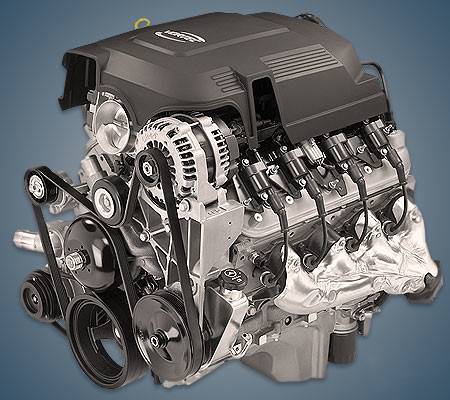
L92 Engine Overview
The L92 is a 6.2-liter naturally aspirated V8 engine developed by General Motors as part of the fourth-generation LS engine family. Introduced for the 2007 model year, it was designed primarily for premium full-size SUVs and trucks that required greater power, towing capability, and refinement than GM’s smaller displacement V8 engines.
Unlike many truck engines of its era, the L92 features an aluminum engine block paired with high-flow rectangular-port cylinder heads. This combination significantly reduces engine weight while improving airflow, making the L92 one of the best-performing truck-based LS engines ever produced. Its design also served as the foundation for later performance engines, including the legendary LS3.
The engine uses a traditional overhead valve (OHV) pushrod architecture with two valves per cylinder. Although this design is simpler than many modern dual overhead cam engines, it offers excellent reliability, compact dimensions, and lower overall weight. These characteristics have made the L92 a favorite among enthusiasts performing LS engine swaps into classic muscle cars, off-road vehicles, and custom performance builds.
Another reason for the L92’s popularity is its impressive aftermarket support. Virtually every major performance manufacturer offers components specifically designed for the engine, from camshafts and intake manifolds to forced induction systems capable of producing well over 700 horsepower with the proper supporting modifications.
Key Highlights
- 6.2L (376 cubic inch) Gen IV LS V8
- Aluminum block with aluminum cylinder heads
- High-flow rectangular-port cylinder heads
- 10.5:1 compression ratio
- Factory output of up to 403 horsepower
- Excellent foundation for naturally aspirated and forced induction builds
- Widely regarded as one of GM’s strongest truck-based LS engines
L92 Engine Specs at a Glance
For readers looking for a quick overview, the table below summarizes the most important L92 engine specs.
| Specification | Details |
|---|---|
| Engine Code | L92 |
| Manufacturer | General Motors |
| Engine Family | Gen IV LS |
| Production Years | 2007–2008 |
| Configuration | 90-degree V8 |
| Displacement | 6.2L (376 cu in) |
| Bore | 4.065 in (103.25 mm) |
| Stroke | 3.622 in (92 mm) |
| Compression Ratio | 10.5:1 |
| Horsepower | 403 hp @ 5,700 rpm |
| Torque | 417 lb-ft @ 4,300 rpm |
| Block Material | Cast Aluminum |
| Cylinder Head Material | Aluminum |
| Valvetrain | OHV, 2 valves per cylinder |
| Fuel Delivery | Sequential Multi-Port Fuel Injection |
| Aspiration | Naturally Aspirated |
| Firing Order | 1-8-7-2-6-5-4-3 |
| Oil Capacity | Approximately 6 quarts with filter |
| Recommended Fuel | Premium Unleaded (91 Octane or Higher) |
| Redline | Approximately 6,000 rpm |
These specifications demonstrate why the L92 remains one of the most sought-after engines in the LS family. Its combination of displacement, efficient airflow, and lightweight construction provides an excellent balance between everyday drivability and high-performance capability.
Detailed L92 Engine Specifications
Engine Displacement
The L92 has a displacement of 6.2 liters, equivalent to 376 cubic inches. This displacement is achieved through a combination of a 4.065-inch bore and a 3.622-inch stroke. The larger bore allows for bigger intake and exhaust valves, improving airflow and supporting greater horsepower compared to earlier 5.3L and 6.0L LS truck engines.
The 6.2-liter configuration also provides strong low-end torque while maintaining excellent high-RPM breathing characteristics, making the engine equally comfortable hauling heavy loads or delivering strong acceleration.
Bore and Stroke
The L92 uses a 4.065-inch bore and a 3.622-inch stroke, creating an oversquare engine design. An oversquare configuration means the cylinder bore is larger than the stroke length, allowing the engine to rev more freely while maintaining excellent airflow through its large cylinder heads.
This design offers several important advantages:
- Improved high-RPM performance
- Reduced piston speed compared to longer-stroke engines
- Better thermal efficiency
- Increased airflow potential
- Excellent compatibility with larger camshafts
The bore and stroke dimensions are identical to those used in the LS3, further highlighting the close relationship between these two engines.
Compression Ratio
One of the defining L92 engine specs is its 10.5:1 compression ratio. This relatively high compression ratio improves combustion efficiency, resulting in stronger horsepower, improved throttle response, and better fuel economy under normal driving conditions.
Because of the increased compression, General Motors recommends using premium gasoline with an octane rating of at least 91. While the engine management system can compensate for lower-octane fuel, doing so may reduce performance and efficiency due to ignition timing adjustments.
The combination of high compression and efficient rectangular-port cylinder heads gives the L92 excellent naturally aspirated performance while still providing a solid platform for aftermarket tuning and performance modifications.
Horsepower and Torque
One of the biggest reasons enthusiasts continue to search for L92 engine specs is the engine’s outstanding factory performance. The L92 was rated at 403 horsepower at 5,700 rpm and 417 lb-ft of torque at 4,300 rpm, figures that placed it among the most powerful naturally aspirated truck engines available during its production years.
Unlike many high-performance engines that sacrifice low-end responsiveness for top-end power, the L92 delivers a broad and usable torque curve. Peak torque arrives relatively early in the rev range, providing excellent acceleration from a standstill and impressive pulling power when towing heavy trailers or hauling cargo. This characteristic made the engine especially well suited for full-size SUVs and pickup trucks, where strong low and mid-range performance is often more valuable than maximum engine speed.
The engine’s high-flow rectangular-port cylinder heads contribute significantly to its performance. These heads allow the L92 to breathe efficiently at higher RPM, enabling it to produce horsepower figures comparable to several contemporary sports car engines despite being designed for heavier vehicles.
Another advantage is the engine’s ability to respond to modifications. Simple bolt-on upgrades such as a cold air intake, long-tube headers, and an ECU calibration can increase output by 30 to 50 horsepower without compromising everyday reliability. More aggressive modifications, including a performance camshaft, can push naturally aspirated power well beyond 500 horsepower while retaining factory drivability.
Factory Performance Specifications
| Specification | Value |
|---|---|
| Horsepower | 403 hp |
| Peak Horsepower RPM | 5,700 rpm |
| Torque | 417 lb-ft |
| Peak Torque RPM | 4,300 rpm |
| Fuel System | Sequential Multi-Port Fuel Injection |
| Throttle Body | Electronic Drive-by-Wire |
The combination of strong horsepower, abundant torque, and exceptional airflow explains why the L92 has become one of the most popular foundations for both street performance builds and dedicated racing projects.
Cylinder Heads and Engine Block
One of the defining features of the L92 engine is its cylinder head design. General Motors equipped the engine with high-flow aluminum rectangular-port cylinder heads that dramatically improved airflow compared to earlier cathedral-port LS engines. These heads are widely regarded as some of the best factory castings ever installed on a production LS-based engine.
The larger intake ports and optimized combustion chambers enable the engine to support substantial horsepower without requiring expensive aftermarket cylinder heads. Even in stock form, the L92 heads are capable of flowing enough air to support more than 600 naturally aspirated horsepower when paired with the appropriate internal modifications.
The aluminum engine block further enhances performance by reducing overall vehicle weight while maintaining impressive structural rigidity. Compared with traditional cast iron truck blocks, the aluminum construction helps improve front-end weight distribution, vehicle handling, and fuel efficiency.
Key engine block features include:
- Deep skirt aluminum block design
- Six-bolt main bearing caps for added strength
- Cross-bolted main caps for improved durability
- Lightweight construction
- Excellent resistance to high-performance stress
Because the L92 shares much of its architecture with other Gen IV LS engines, replacement parts and aftermarket upgrades are readily available. Builders can also interchange many components with engines such as the LS3, making maintenance and performance modifications both convenient and cost-effective.
The combination of an aluminum block and premium rectangular-port cylinder heads is one of the primary reasons the L92 remains highly desirable in the performance community. These factory components provide an outstanding balance of strength, efficiency, and airflow without requiring extensive upgrades.
Valvetrain and Engine Design
The L92 utilizes General Motors’ proven overhead valve (OHV) pushrod valvetrain, a design that has powered millions of GM V8 engines over several decades. While many modern engines rely on dual overhead camshafts, the compact pushrod layout offers several unique advantages, particularly in performance applications.
The engine features a single in-block camshaft operating sixteen valves through hydraulic roller lifters, pushrods, and rocker arms. This design minimizes the engine’s overall size, allowing it to fit into a wide variety of engine bays while also reducing the number of moving components compared to overhead cam engines.
The L92 incorporates the following valvetrain specifications:
| Component | Specification |
|---|---|
| Valvetrain | OHV Pushrod |
| Camshaft Location | In Block |
| Valves Per Cylinder | 2 |
| Total Valves | 16 |
| Lifter Type | Hydraulic Roller |
| Timing Chain | Single Roller Chain |
Hydraulic roller lifters help reduce friction and improve long-term reliability while eliminating the need for periodic valve lash adjustments. This maintenance-free design contributes to the L92’s reputation for durability and makes it an excellent choice for daily drivers as well as high-performance builds.
The pushrod architecture also simplifies camshaft upgrades. Replacing the camshaft requires significantly less disassembly than on many overhead cam engines, making one of the most effective performance modifications relatively straightforward. A properly selected performance camshaft can unlock substantial horsepower gains while taking full advantage of the L92’s exceptional cylinder head airflow.
Overall, the L92’s engine design demonstrates that a traditional pushrod V8 can still compete with more complex engine architectures by delivering outstanding reliability, compact packaging, strong torque production, and remarkable aftermarket potential.
Vehicles Equipped with the L92 Engine
General Motors introduced the L92 engine exclusively in premium full-size SUVs and pickup trucks where high performance, smooth power delivery, and excellent towing capability were essential. Although the production run was relatively short, the engine quickly established itself as one of GM’s most capable truck-based V8s.
Many buyers confuse the L92 with the later L9H and LS3 because these engines share a similar displacement and several major components. However, the original L92 was only installed in a select group of vehicles before GM updated the engine family with newer variants.
The following table lists the primary factory applications of the L92 engine.
| Vehicle | Model Years | Horsepower | Torque |
|---|---|---|---|
| Cadillac Escalade | 2007–2008 | 403 hp | 417 lb-ft |
| Cadillac Escalade ESV | 2007–2008 | 403 hp | 417 lb-ft |
| Cadillac Escalade EXT | 2007–2008 | 403 hp | 417 lb-ft |
| GMC Yukon Denali | 2007–2008 | 403 hp | 417 lb-ft |
| GMC Yukon XL Denali | 2007–2008 | 403 hp | 417 lb-ft |
| Chevrolet Silverado 1500 Crew Cab | Selected 2008 Models | 403 hp | 417 lb-ft |
| GMC Sierra 1500 Crew Cab | Selected 2008 Models | 403 hp | 417 lb-ft |
These luxury SUVs and premium pickup trucks benefited from the engine’s smooth power delivery, making highway driving effortless while providing enough torque to tow boats, campers, and heavy trailers with confidence.
The L92’s aluminum construction also reduced front-end weight compared to older iron-block truck engines, contributing to better ride quality and more responsive steering. Even by today’s standards, these vehicles remain highly desirable in the used market thanks in large part to the engine’s reliability and performance.
Because of its limited production period, the L92 has become increasingly sought after by LS enthusiasts. Salvage-yard engines often command premium prices because builders recognize the value of the factory rectangular-port heads and lightweight aluminum block.
L92 Engine Performance
Performance is where the L92 truly shines. Designed to move large SUVs and trucks without sacrificing refinement, the engine delivers a balanced combination of low-end torque, mid-range acceleration, and impressive top-end power. Whether merging onto the highway, climbing steep grades, or towing heavy loads, the L92 provides confident performance across a wide operating range.
One of the engine’s greatest strengths is its broad torque curve. Rather than concentrating all of its power at high engine speeds, the L92 generates strong pulling force throughout the RPM range. This makes daily driving more comfortable because the transmission requires fewer downshifts during acceleration or while climbing hills.
Performance enthusiasts also appreciate how well the engine responds to modifications. Thanks to its high-flow cylinder heads and efficient combustion chambers, even relatively simple upgrades can unlock noticeable improvements in horsepower and throttle response.
Typical performance characteristics include:
- Strong low-end torque for towing and hauling
- Smooth acceleration throughout the RPM range
- Excellent highway passing performance
- Stable operation during extended heavy-load driving
- Outstanding airflow for naturally aspirated performance builds
With basic bolt-on modifications, many owners achieve between 430 and 460 horsepower while maintaining factory reliability. A performance camshaft, upgraded valve springs, and ECU tuning can increase output to approximately 500 horsepower without requiring internal engine modifications.
For enthusiasts seeking even greater performance, the L92’s robust bottom end supports forced induction exceptionally well. Properly tuned turbocharger and supercharger systems commonly produce between 600 and 800 horsepower on an otherwise stock long block, making the L92 one of the most versatile engines in the Gen IV LS family.
L92 Engine Reliability
Among GM’s LS-based truck engines, the L92 has earned an excellent reputation for long-term reliability. With routine maintenance and quality fluids, many engines surpass 200,000 miles while continuing to deliver dependable performance. Its aluminum block, forged powder-metal connecting rods, and durable rotating assembly provide a solid foundation capable of handling both daily driving and moderate performance upgrades.
One of the engine’s biggest strengths is its simplicity. The pushrod valvetrain contains fewer moving parts than many modern dual overhead cam designs, reducing maintenance requirements and improving long-term durability. Combined with proven GM engineering, this straightforward design contributes significantly to the L92’s longevity.
Major Strengths
- Excellent long-term durability
- Strong aluminum block construction
- Outstanding factory cylinder heads
- Proven cooling system design
- Reliable hydraulic roller valvetrain
- Excellent aftermarket parts availability
- High horsepower potential with minimal modifications
Like any engine, however, the L92 is not completely free from problems. Most common issues appear only after high mileage or years of demanding service.
Common Problems
Oil Consumption
Some high-mileage engines may begin consuming oil due to worn piston rings or valve stem seals. Regular oil level checks and timely maintenance help minimize the risk of serious engine damage.
Hydraulic Lifter Wear
Although generally reliable, hydraulic roller lifters can eventually wear over time, especially in engines that have experienced infrequent oil changes. Symptoms include ticking noises, rough idle, and reduced performance.
Exhaust Manifold Bolt Failure
Broken exhaust manifold bolts are a relatively common issue on many GM V8 engines. The problem usually develops gradually and may cause an exhaust leak or ticking sound during cold starts.
Water Pump Wear
As mileage increases, the factory water pump may develop bearing wear or coolant leaks. Fortunately, replacement is straightforward and relatively inexpensive compared to many modern engines.
Carbon Deposits
Like many port fuel injected engines, carbon deposits can accumulate over time on intake valves and combustion chambers. Using high-quality fuel and following recommended maintenance intervals helps reduce buildup.
Despite these common issues, the L92 remains one of the most dependable engines in the LS family. Most problems are predictable, well understood within the automotive community, and relatively inexpensive to repair. For buyers searching for a powerful, durable V8 with exceptional aftermarket support, the L92 continues to be one of the best choices available.
Best Performance Upgrades for the L92 Engine
One of the biggest reasons enthusiasts choose the L92 is its exceptional upgrade potential. Thanks to its high-flow rectangular-port cylinder heads and strong aluminum block, the engine can produce substantial horsepower gains without requiring extensive internal modifications. Whether your goal is improved towing performance, faster acceleration, or building a high-horsepower street machine, the L92 provides an outstanding platform for aftermarket upgrades.
Performance Camshaft
A performance camshaft is widely considered the single most effective naturally aspirated upgrade for the L92. Because the factory cylinder heads already offer excellent airflow, installing a more aggressive camshaft allows the engine to maximize its breathing capacity.
Expected gains typically range from 50 to 90 horsepower when combined with proper ECU tuning. Owners often notice a stronger mid-range, increased top-end power, and the aggressive exhaust note that has become synonymous with LS-powered performance cars.
Difficulty: Moderate
Estimated horsepower gain: 50–90 hp
Long Tube Headers
Replacing the restrictive factory exhaust manifolds with long tube headers significantly improves exhaust flow. The upgrade reduces back pressure, allowing the engine to breathe more efficiently while also producing a deeper exhaust tone.
Headers work particularly well when paired with a performance camshaft and ECU tune.
Difficulty: Moderate
Estimated horsepower gain: 20–30 hp
Cold Air Intake
A high-quality cold air intake improves airflow into the throttle body by drawing cooler, denser air from outside the engine compartment. While the horsepower increase is relatively modest on an otherwise stock engine, it complements other modifications and improves throttle response.
Difficulty: Easy
Estimated horsepower gain: 8–15 hp
ECU Tuning
Modern engine management allows experienced tuners to optimize ignition timing, fuel delivery, throttle response, and transmission behavior. Even a completely stock L92 benefits from a professional tune, while modified engines require recalibration to achieve their full potential.
Difficulty: Easy
Estimated horsepower gain: 15–30 hp
High-Flow Intake Manifold
Although the factory intake performs well, aftermarket manifolds can improve airflow at higher engine speeds. This upgrade becomes increasingly valuable on engines equipped with larger camshafts and other airflow modifications.
Difficulty: Moderate
Estimated horsepower gain: 15–25 hp
Supercharger
Adding a positive displacement or centrifugal supercharger dramatically transforms the L92 into a high-performance powerhouse. Thanks to its strong bottom end and efficient cylinder heads, many stock engines reliably produce between 600 and 700 horsepower with conservative boost levels and proper tuning.
Difficulty: Advanced
Estimated horsepower gain: 180–300+ hp
Turbocharger
Turbocharging offers the highest ultimate power potential for the L92. A properly engineered single or twin-turbo system can deliver exceptional horsepower while maintaining street manners. Many experienced builders have achieved over 800 horsepower on stock long blocks, although supporting fuel system upgrades and careful calibration become essential at these power levels.
Difficulty: Advanced
Estimated horsepower gain: 250–500+ hp
Recommended Upgrade Path
| Modification | Difficulty | Estimated Gain |
|---|---|---|
| Cold Air Intake | Easy | 8–15 hp |
| ECU Tune | Easy | 15–30 hp |
| Long Tube Headers | Moderate | 20–30 hp |
| Performance Camshaft | Moderate | 50–90 hp |
| Intake Manifold | Moderate | 15–25 hp |
| Supercharger | Advanced | 180–300+ hp |
| Turbocharger | Advanced | 250–500+ hp |
For most enthusiasts, the ideal naturally aspirated combination consists of a performance camshaft, long tube headers, cold air intake, and professional ECU tuning. This setup typically produces around 470 to 520 horsepower while maintaining excellent drivability and long-term reliability.
L92 vs. LS3
The L92 and LS3 are often compared because they share many core design features, including the same displacement, bore, stroke, aluminum block, and high-flow rectangular-port cylinder heads. In fact, many enthusiasts consider the L92 to be the truck-oriented predecessor to the LS3.
Despite their similarities, several important differences distinguish these engines.
| Specification | L92 | LS3 |
|---|---|---|
| Engine Family | Gen IV LS | Gen IV LS |
| Displacement | 6.2L | 6.2L |
| Bore | 4.065 in | 4.065 in |
| Stroke | 3.622 in | 3.622 in |
| Compression Ratio | 10.5:1 | 10.7:1 |
| Horsepower | 403 hp | 430–436 hp |
| Torque | 417 lb-ft | 424 lb-ft |
| Cylinder Heads | Rectangular Port | Rectangular Port |
| Block Material | Aluminum | Aluminum |
| Primary Applications | SUVs and Trucks | Corvette and Camaro |
| Fuel System | Multi-Port Injection | Multi-Port Injection |
Similarities
Both engines feature nearly identical architecture, making many internal and external components interchangeable. Builders frequently use L92 cylinder heads on LS-based performance projects because they offer airflow comparable to the LS3 at a lower cost.
Both engines also benefit from extensive aftermarket support, making replacement parts, performance upgrades, and tuning solutions readily available.
Key Differences
The LS3 was designed specifically for high-performance sports cars, receiving a slightly higher compression ratio, revised intake manifold, and more aggressive calibration. These refinements result in approximately 30 additional horsepower compared to the L92.
The L92, on the other hand, was engineered to deliver stronger low-end torque for heavy vehicles. Its tuning prioritizes smooth power delivery, towing capability, and long-term durability over maximum peak horsepower.
Which Engine Is Better?
The answer depends on your intended application.
Choose the L92 if you want:
- Excellent value
- Strong towing capability
- Affordable LS swap platform
- Outstanding aftermarket support
- Easy access to used engines
Choose the LS3 if you want:
- Higher factory horsepower
- Sports car performance
- Greater out-of-the-box performance
- Factory performance-oriented intake system
For many enthusiasts building custom projects, the L92 represents the better value. With a few carefully selected upgrades, it can achieve LS3-level performance while often costing significantly less.
Frequently Asked Questions
Is the L92 a good engine?
Yes. The L92 is widely regarded as one of General Motors’ best truck-based LS engines. Its combination of an aluminum block, excellent cylinder heads, strong reliability, and exceptional aftermarket support makes it a favorite among enthusiasts and engine builders.
How much horsepower does the L92 produce?
The factory-rated output is 403 horsepower at 5,700 rpm and 417 lb-ft of torque at 4,300 rpm. Simple bolt-on upgrades and ECU tuning can increase power considerably without affecting everyday reliability.
Which vehicles came with the L92 engine?
The L92 was installed in several premium GM trucks and SUVs, including the Cadillac Escalade, Cadillac Escalade ESV, Cadillac Escalade EXT, GMC Yukon Denali, GMC Yukon XL Denali, and selected Chevrolet Silverado and GMC Sierra 1500 models produced between 2007 and 2008.
Is the L92 engine made from aluminum?
Yes. Both the engine block and cylinder heads are constructed from aluminum, reducing weight while maintaining excellent structural strength.
Can a stock L92 handle forced induction?
Yes. With proper tuning and adequate fuel system upgrades, many stock L92 engines reliably support between 600 and 700 horsepower using superchargers or turbochargers.
How long does the L92 engine last?
With routine maintenance, high-quality engine oil, and timely repairs, the L92 commonly exceeds 200,000 miles. Many well-maintained examples continue to perform reliably beyond 250,000 miles.
Is the L92 suitable for an LS swap?
Absolutely. The L92 is considered one of the best LS swap candidates because of its lightweight aluminum construction, compact dimensions, outstanding cylinder heads, and broad availability of aftermarket components.
Yes. General Motors recommends premium gasoline with an octane rating of 91 or higher to achieve the engine’s advertised performance and efficiency.
Conclusion
The L92 engine remains one of the most respected members of General Motors’ Gen IV LS family, combining impressive factory performance with exceptional long-term reliability and nearly unlimited upgrade potential. Its lightweight aluminum block, high-flow rectangular-port cylinder heads, and 6.2-liter displacement provide an ideal balance of horsepower, torque, and durability, making it equally capable in luxury SUVs, full-size trucks, and custom performance builds.
While the L92 was produced for only a short period, its influence continues to be felt throughout the LS performance community. Many of the engineering features introduced with the L92 later became the foundation for other legendary GM engines, including the LS3. As a result, the L92 remains highly sought after by enthusiasts looking for an affordable yet highly capable platform for naturally aspirated builds, forced induction projects, or LS engine swaps.
Whether you’re researching L92 engine specs, comparing it with other LS engines, or planning your next performance upgrade, the L92 continues to stand out as one of the best all-around V8 engines GM has ever produced. With proper maintenance and thoughtful modifications, this engine is capable of delivering years of dependable service while offering performance levels that rival many modern V8 powerplants.