The Hyundai oil consumption recall continues to worry thousands of vehicle owners across the country. Many drivers discovered the problem after noticing rapid oil loss between regular oil changes. Some vehicles burned oil so quickly that owners needed to refill the engine multiple times within a short period. Others experienced warning lights, engine knocking, rough acceleration, or sudden power loss while driving.
This issue creates more than simple frustration. Excessive oil consumption can slowly destroy engine components and lead to severe mechanical damage. Low oil levels increase friction inside the engine and raise the risk of overheating. In many cases, drivers faced expensive repairs after the engine failed without much warning.
Several Hyundai models now face growing complaints related to oil burning and engine reliability problems. Consumer reports and lawsuits pushed the issue into the spotlight. As a result, many owners started searching for recall information, warranty coverage, and repair options before the damage became worse.
Understanding the warning signs early can help drivers avoid major repair costs. This guide explains the Hyundai oil consumption recall in detail. You will learn which models face the highest risk, what symptoms to watch for, how lawsuits affect owners, and which repair solutions may help protect your vehicle.
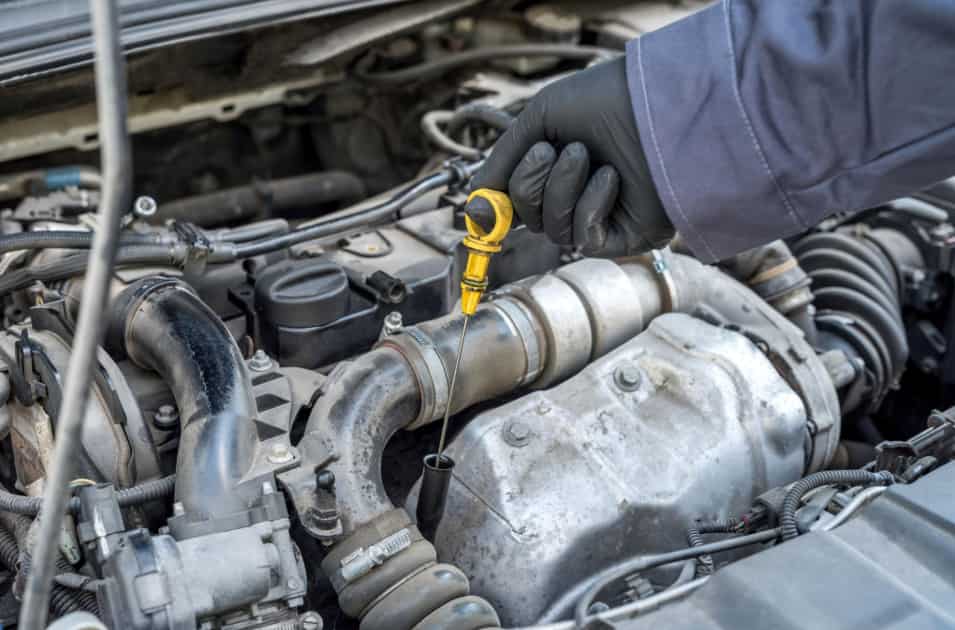
What Is the Hyundai Oil Consumption Recall?
The Hyundai oil consumption recall refers to widespread complaints involving excessive oil loss in certain Hyundai vehicles. Many owners reported that their engines burned oil much faster than expected, even when they followed normal maintenance schedules. While every engine uses a small amount of oil naturally, excessive oil consumption happens when drivers must add oil frequently between oil changes.
For many Hyundai owners, the problem started with small warning signs. Drivers noticed low oil levels, dashboard alerts, or a burning smell from the engine. Over time, the symptoms became more serious. Some vehicles developed knocking noises, rough acceleration, or sudden power loss. In severe cases, the engine failed completely because critical components no longer received proper lubrication.
The issue gained national attention after consumers linked oil burning problems to larger Hyundai engine defects. Several recalls focused on engine manufacturing issues, metal debris contamination, and rod bearing failures. Many complaints involved vehicles equipped with Theta II engines, which appeared in several popular Hyundai models.
Not every affected vehicle received an official recall notice. In some situations, Hyundai offered warranty extensions or technical service programs instead. This created confusion for many owners because dealerships often required oil consumption tests before approving repairs. Some drivers also claimed that Hyundai delayed repairs until major engine damage occurred.
The growing number of complaints eventually triggered lawsuits and government investigations. Many consumers argued that Hyundai knew about the engine problems long before taking action. Today, the Hyundai oil consumption recall remains a major topic for owners searching for repair options, warranty coverage, and long term engine reliability.
Why Hyundai Engines Develop Oil Consumption Problems
Several mechanical and manufacturing issues can cause excessive oil consumption in Hyundai engines. In many cases, the problem develops slowly and becomes worse over time. Drivers may not notice serious symptoms until the engine already suffers internal damage.
One common cause involves faulty piston rings. These components help seal the combustion chamber and control oil movement inside the engine. When piston rings wear out or fail, oil can leak into the combustion chamber and burn during normal operation. This process often creates blue exhaust smoke and rapid oil loss.
Many complaints also focus on Hyundai Theta II engines. Some reports linked these engines to manufacturing defects and metal debris contamination during production. Small metal particles inside the engine can increase friction and damage important internal components. As wear continues, the engine may begin consuming oil at an abnormal rate.
Poor lubrication can create another serious problem. Engines rely on clean oil to reduce heat and friction between moving parts. When oil levels drop too low, internal components experience higher stress and faster wear. Bearings, pistons, and cylinder walls may become damaged after extended oil starvation.
Carbon buildup can also increase oil consumption. Burned oil leaves deposits inside the engine over time. These deposits may block piston ring movement and reduce engine efficiency. As the buildup grows, the engine may burn even more oil and lose performance.
Many owners ignore the early symptoms because the vehicle still drives normally at first. Unfortunately, untreated oil consumption problems can eventually lead to overheating, engine knocking, rod bearing failure, or complete engine seizure. Early diagnosis often makes the difference between a simple repair and a full engine replacement.
Hyundai Models Affected by Excessive Oil Consumption
Several Hyundai models have received complaints related to excessive oil consumption and engine reliability problems. Many reports involve vehicles equipped with Theta II engines, although other engine types have also shown similar symptoms. The severity of the issue often depends on the model year, engine design, and maintenance history.
The Hyundai Sonata remains one of the most commonly reported vehicles connected to oil burning complaints. Many owners reported rapid oil loss, engine knocking, and sudden engine failure after reaching moderate mileage. Certain Sonata models from the early and mid 2010s received significant attention during recall investigations and class action lawsuits.
The Hyundai Tucson also appears frequently in owner complaints. Some drivers noticed excessive oil consumption long before reaching 100,000 miles. Others experienced rough performance, reduced fuel efficiency, and warning lights connected to low oil levels. These problems created concerns for drivers who expected long term reliability from compact SUV models.
The Hyundai Santa Fe has also faced reports involving engine wear and oil burning issues. Some owners complained about frequent oil refills between scheduled maintenance visits. In severe cases, the engine developed knocking noises or stalled unexpectedly during normal driving conditions.
The Hyundai Elantra experienced similar complaints in certain model years. Although some cases involved smaller engines, many owners still reported abnormal oil consumption and declining engine performance over time.
Other Hyundai vehicles linked to oil consumption complaints include the Kona, Veloster, Accent, and Palisade. Not every vehicle develops the same symptoms, but many reports share similar patterns involving oil loss and engine wear.
Most complaints involve vehicles produced between 2011 and 2021. However, symptoms may appear differently depending on driving habits, maintenance quality, and engine condition. Owners who notice rapid oil loss should monitor their vehicles carefully and schedule inspections as early as possible.
Common Symptoms of Hyundai Oil Consumption Problems
Hyundai oil consumption issues often start quietly and become more serious over time. Many drivers do not notice the problem until the engine already shows clear signs of damage. Early detection plays an important role in preventing costly repairs.
One of the first symptoms involves low oil levels between regular oil changes. Drivers may find that the oil dipstick shows a significant drop even though they recently serviced the vehicle. This often forces frequent oil top ups to keep the engine running safely.
Another common sign is blue or gray smoke coming from the exhaust. This smoke usually indicates that oil burns inside the combustion chamber. The issue often becomes more visible during acceleration or startup.
Many owners also report a burning oil smell inside or around the vehicle. This smell can appear when leaking or burning oil comes into contact with hot engine components. It often signals internal engine wear.
Engine knocking is another serious warning sign. Drivers may hear unusual noises caused by poor lubrication or increased friction between moving parts. If ignored, this condition can quickly lead to major engine damage.
Dashboard warning lights also appear in many cases. The oil pressure or check engine light may activate when oil levels drop too low or when the engine detects abnormal performance.
Some drivers experience reduced power or slow acceleration. The vehicle may feel less responsive because the engine cannot operate efficiently under low oil conditions.
Excessive carbon buildup may also develop over time. This buildup can worsen oil consumption and reduce overall engine performance.
When these symptoms appear together, the risk of engine failure increases significantly. Drivers should inspect their vehicles immediately to avoid severe damage and high repair costs.
How Excessive Oil Consumption Can Lead to Engine Failure
Excessive oil consumption can slowly damage a Hyundai engine if drivers do not address it early. Oil plays a critical role in reducing friction and keeping internal components cool. When oil levels drop too low, the engine starts operating under unsafe conditions.
Low oil levels increase friction between moving parts. This added friction generates heat and accelerates wear on key components such as pistons, bearings, and cylinder walls. Over time, the engine loses efficiency and becomes more vulnerable to internal damage.
Poor lubrication can also lead to overheating. Without enough oil to absorb and transfer heat, the engine temperature rises quickly. High temperatures can warp metal parts and reduce overall engine stability.
Rod bearing failure is another serious risk. Bearings depend on a constant oil film to function properly. When oil supply becomes inconsistent, bearings may wear out or fail completely. This condition often leads to loud knocking noises and sudden engine shutdown.
In severe cases, the engine may seize completely. A seized engine stops functioning because internal parts lock due to extreme heat and friction. At that point, repair often requires a full engine replacement rather than minor fixes.
Safety risks also increase when engine performance becomes unpredictable. Drivers may experience sudden power loss while driving, which can create dangerous situations on highways or busy roads.
Once oil consumption reaches a critical level, damage often progresses quickly. Early detection and regular maintenance help reduce the risk, but ignoring the problem can result in complete engine failure and very high repair costs.
Hyundai Engine Recalls and Oil Consumption Lawsuits
Hyundai has faced increasing attention from regulators and consumers due to engine related problems, including excessive oil consumption. Over the years, multiple recall campaigns and investigations have targeted engine defects that may contribute to premature wear and oil burning issues.
The National Highway Traffic Safety Administration (NHTSA) has reviewed complaints involving Hyundai engines that show signs of abnormal oil consumption and sudden failure. These investigations helped identify patterns linked to specific engine families, especially those associated with Theta II engines. As complaints increased, Hyundai introduced several recall actions and service programs to address engine reliability concerns.
In addition to recalls, many Hyundai owners joined class action lawsuits. These lawsuits claim that certain engines contain manufacturing defects that lead to excessive oil consumption, rod bearing failure, and engine seizure. Plaintiffs argue that Hyundai knew about these issues but did not provide timely solutions or full compensation in some cases.
Some legal outcomes resulted in extended warranty coverage or settlement programs for affected owners. These programs may include engine inspections, partial repairs, or full engine replacements depending on the severity of the damage and eligibility criteria.
However, not all vehicles automatically qualify for legal or recall based repairs. Many owners must still undergo diagnostic tests or oil consumption testing at authorized dealerships before receiving approval for coverage. This process can take time and may vary depending on model year and engine condition.
Despite these efforts, concerns about long term engine reliability remain. Many drivers continue to report oil burning problems even after repair programs were introduced. As a result, Hyundai oil consumption lawsuits and recall discussions continue to attract strong attention from both consumers and industry experts.
How to Check If Your Hyundai Qualifies for the Recall
Checking recall eligibility is an important step for any Hyundai owner who suspects oil consumption problems. Many vehicles affected by engine issues may qualify for inspections, warranty coverage, or repair programs depending on their model, year, and engine type.
The easiest way to start is by using the Hyundai VIN lookup system. Every vehicle has a unique Vehicle Identification Number that contains important production and engine details. Owners can enter this number into Hyundai’s official recall checker to see if their vehicle has any active recalls or service campaigns. This method provides the fastest initial confirmation.
Another reliable option is to contact an authorized Hyundai dealership. Service advisors can check the vehicle history using internal databases and confirm whether the car is part of any oil consumption related programs. They may also schedule an inspection if the vehicle shows warning signs.
Some cases require an oil consumption test before approval. During this process, technicians measure how much oil the engine uses over a specific mileage period. This test helps determine whether the engine falls outside normal consumption limits. Results from this test often decide whether the owner qualifies for repair or replacement.
Owners should also review any recall letters or service notifications received by mail. These documents usually contain important instructions about next steps and eligibility requirements.
It is important to prepare maintenance records when requesting a recall check. Oil change history, service receipts, and previous repair documents can support the evaluation process and help speed up approval.
Acting early can prevent further engine damage. Drivers who ignore early signs may face more expensive repairs later, especially if the engine continues to lose oil at an abnormal rate.
Hyundai Warranty Coverage for Oil Consumption Repairs
Warranty coverage plays a key role in determining whether Hyundai owners must pay for oil consumption related repairs. Many vehicles still fall under the original powertrain warranty, which may cover engine defects and internal failures depending on mileage and age.
Hyundai’s powertrain warranty typically covers major engine components such as pistons, bearings, and cylinder assemblies. If excessive oil consumption results from a manufacturing defect, the repair may be approved under warranty. However, approval often depends on diagnostic results from an authorized dealer.
In some cases, Hyundai offers extended warranty programs for vehicles affected by known engine issues. These programs may provide additional protection beyond the original coverage period. Owners must still meet specific conditions, including regular maintenance and documented service history.
Recall based repairs usually receive higher priority. When a vehicle qualifies for a recall or service campaign, Hyundai may cover inspections, repairs, or even full engine replacement at no cost to the owner. However, not all oil consumption complaints automatically qualify for recall coverage.
Dealers often require an oil consumption test before approving warranty repairs. This test measures oil usage over time and helps confirm whether the engine operates within acceptable limits. If the engine fails the test, Hyundai may authorize further repair steps.
Some situations may void warranty coverage. Poor maintenance, missed oil changes, or use of incorrect oil types can affect eligibility. In these cases, Hyundai may deny repair claims even if symptoms match known oil consumption issues.
Understanding warranty terms helps owners avoid unexpected repair costs. Drivers should review coverage details carefully and maintain complete service records to support any future claims.
Repair Options for Hyundai Oil Consumption Problems
Repair options for Hyundai oil consumption issues vary depending on the severity of engine damage. Some vehicles only require minor corrective work, while others may need major engine rebuilding or full replacement. The chosen solution often depends on diagnostic results from an authorized dealership.
The first step usually involves an oil consumption test. Technicians monitor how much oil the engine uses over a specific driving distance. This helps confirm whether the consumption rate falls outside normal limits. If the engine fails the test, Hyundai may approve further repairs under warranty or service programs.
In some cases, a simple engine cleaning procedure may help reduce carbon buildup. This process can improve piston ring movement and restore partial efficiency. However, it only works when the engine has not suffered severe internal wear.
If piston ring failure is identified, technicians may replace the affected components. This repair helps restore proper sealing inside the combustion chamber and reduces oil burning. The success of this fix depends on how early the issue is detected.
More serious cases may require a short block replacement. This involves replacing major internal engine components while keeping some external parts intact. It is a more expensive but effective solution for engines with significant wear.
The most severe cases require full engine replacement. This option becomes necessary when internal damage is too extensive to repair safely. Although costly, replacement provides a long term solution and restores vehicle performance.
Some drivers consider temporary fixes, such as frequent oil top ups, but these do not solve the root cause. Ignoring the issue often leads to further damage and higher repair costs later.
Early diagnosis remains the most effective way to reduce repair expenses and avoid complete engine failure.
Estimated Repair Costs for Hyundai Engine Damage
Repair costs for Hyundai oil consumption problems vary widely depending on the level of engine damage and whether warranty coverage applies. Some owners pay very little when repairs fall under warranty, while others face significant out of pocket expenses when coverage is denied.
Minor repairs usually cost less and may include diagnostic testing, oil consumption monitoring, or basic engine cleaning. These services are often covered if the vehicle qualifies for a warranty or service program. However, costs can still apply if the issue is not recognized as a covered defect.
More serious repairs such as piston ring replacement can become expensive. This type of repair requires partial engine disassembly and precision work. Labor costs increase quickly because technicians must spend many hours accessing internal components.
Short block replacement represents a major repair step. This process involves replacing key internal engine structures while reusing some external parts. The cost is significantly higher due to both parts and labor requirements. Many owners only pursue this option when warranty coverage is available.
Full engine replacement is the most expensive outcome. Without warranty support, this repair can cost several thousand dollars depending on the model and engine type. Although costly, it often provides the most reliable long term solution for severe oil consumption cases.
Several factors influence total repair costs. These include vehicle age, mileage, engine condition, dealership pricing, and availability of replacement parts. Labor rates also vary by region, which can further affect final expenses.
Understanding potential repair costs helps owners make informed decisions. Early detection of oil consumption issues can reduce financial risk and prevent the need for major engine replacement.
What Hyundai Owners Should Do Immediately
Hyundai owners who notice oil consumption issues should act quickly to reduce the risk of engine damage. Early action can prevent small symptoms from turning into major repair costs.
The first step is to monitor engine oil levels more frequently than usual. Drivers should check the dipstick regularly, especially before long trips. A sudden drop in oil level often signals abnormal consumption that needs attention.
Next, owners should keep complete maintenance records. Oil change receipts, service logs, and repair history can help support warranty claims. Dealerships often request this documentation during inspections or oil consumption tests.
Scheduling a dealership inspection is also important. Authorized technicians can run diagnostic checks and confirm whether the engine shows signs of excessive oil use. In many cases, they may start an official oil consumption test to measure the severity of the issue.
Drivers should also document any symptoms carefully. Notes about engine noise, smoke, warning lights, or performance changes can help technicians identify the problem faster. Clear records improve the chances of getting proper support from Hyundai.
It is also important not to delay repairs. Ignoring early warning signs can lead to overheating, internal wear, or complete engine failure. Once damage becomes severe, repair options become more expensive and limited.
In some situations, owners may consider legal consultation. This is especially relevant if the vehicle shows repeated issues and warranty support is denied. Legal guidance can help clarify rights and possible compensation options.
Taking these steps early gives Hyundai owners a better chance of protecting their engine and avoiding costly breakdowns.
Frequently Asked Questions About the Hyundai Oil Consumption Recall
Which Hyundai engines are most affected by oil consumption issues?
Most complaints involve Hyundai engines from the Theta II family. These engines appear in several popular models and have been linked to reports of oil burning, knocking noises, and early engine wear.
How much oil consumption is considered abnormal?
A small amount of oil use is normal for all engines. However, frequent oil top ups between scheduled oil changes often indicate a problem. If the oil level drops noticeably within a short mileage range, the engine may be consuming oil excessively.
Can excessive oil consumption destroy an engine?
Yes, it can lead to severe engine damage. Low oil levels reduce lubrication, increase friction, and raise operating temperatures. Over time, this can cause bearing failure, overheating, or complete engine seizure.
Is Hyundai covering oil consumption repairs?
Coverage depends on warranty status, model year, and diagnostic results. Some vehicles qualify for recall or warranty repairs, while others require an oil consumption test before approval.
Can I keep driving if my Hyundai burns oil?
Short term driving may still be possible, but it increases risk. Drivers should monitor oil levels closely. Ignoring the issue can lead to sudden engine failure.
How long does an oil consumption test take?
The test usually takes several days or weeks. Technicians measure oil usage over a specific mileage period to determine whether the engine meets acceptable standards.
Does Hyundai provide rental cars during repairs?
In some cases, Hyundai or dealerships may offer rental support during warranty approved repairs. Availability depends on the program and location.
Conclusion
The Hyundai oil consumption recall remains a serious concern for many vehicle owners who face unexpected engine problems and rising repair costs. What often begins as a small issue, such as minor oil loss between oil changes, can quickly develop into severe engine damage if it is ignored. In many cases, drivers only notice the problem after symptoms like engine noise, warning lights, or reduced performance appear.
Understanding the risks early gives owners a better chance to protect their vehicles. Regular oil level checks, proper maintenance records, and timely dealership inspections can help identify problems before they become critical. In addition, awareness of warranty coverage, recall programs, and possible legal actions can reduce financial pressure for affected drivers.
Although not every Hyundai vehicle is affected, models linked to Theta II engines and similar configurations have shown higher rates of oil consumption complaints. This makes early diagnosis and proactive maintenance even more important for long term reliability.
For Hyundai owners, staying informed is the most effective way to avoid unexpected breakdowns. Taking action at the first sign of abnormal oil consumption can prevent costly repairs and improve overall vehicle safety and performance.
I change oil every 3 month or 3000 miles, and the dip stick was in low before change, my Tucson limited is only 43000 miles Something is not working right. August-9-26. I’m going to have to visit the dealer, let see what happens.