Modern vehicle repairs are more expensive than ever, especially when engine or transmission problems appear without warning. A single transmission replacement can cost thousands of dollars, while severe engine damage may leave owners facing repair bills that exceed the value of the vehicle itself. Because of these rising costs, many buyers choose Hyundai vehicles for one major reason: the impressive Hyundai Powertrain Warranty coverage.
Hyundai has built a strong reputation by offering one of the longest powertrain warranties in the automotive industry. For many drivers, the promise of long term protection creates peace of mind during daily commuting, road trips, and long ownership periods. However, many owners still misunderstand what Hyundai Powertrain Warranty actually covers. Some drivers assume every engine or transmission issue qualifies for free repairs, while others discover too late that certain conditions can void warranty eligibility entirely.
Understanding the details of Hyundai Powertrain Warranty is extremely important before mechanical problems occur. Coverage terms, maintenance requirements, repair eligibility rules, and warranty exclusions all affect whether Hyundai will approve or deny a claim. Even something as simple as missing oil change records can create serious complications during the claims process.
This guide explains everything owners need to know about Hyundai Powertrain Warranty coverage. You will learn which engine and transmission components are protected, what exclusions apply, how warranty claims work, and what steps can help maintain full warranty eligibility throughout vehicle ownership. Whether you own a new Hyundai, plan to buy a used model, or simply want to avoid expensive repair surprises, understanding these warranty terms can help protect both your vehicle and your finances.
What Is Hyundai Powertrain Warranty?
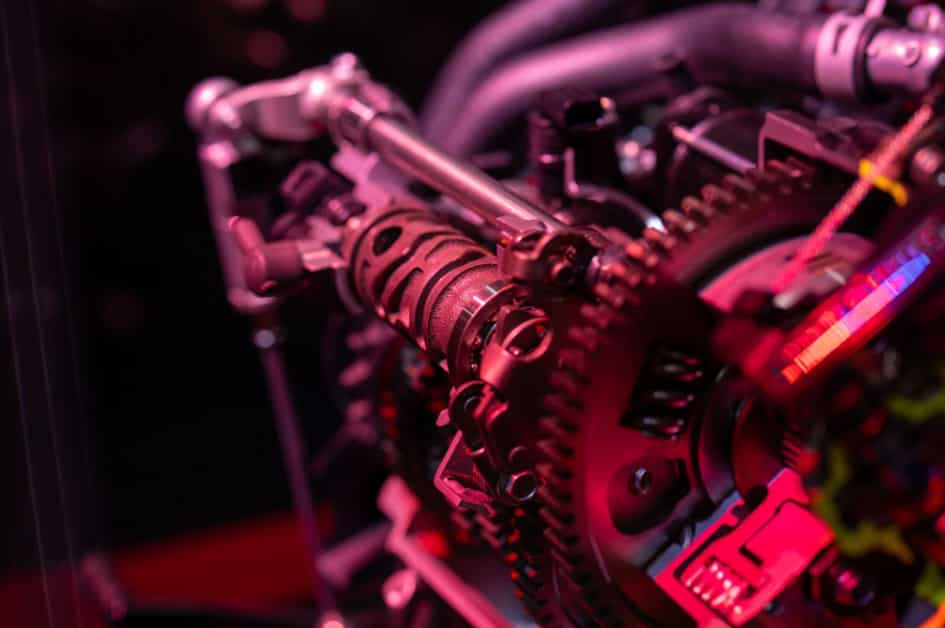
Hyundai Powertrain Warranty is a long term protection plan that covers the most important mechanical parts of a vehicle. It focuses on the engine, transmission, and drivetrain systems. These parts are essential because they deliver power from the engine to the wheels. Repairs in these systems are often very expensive, so warranty coverage helps reduce financial risk for owners.
Many drivers confuse powertrain warranty with bumper to bumper warranty. They are not the same. A bumper to bumper warranty covers many general vehicle parts such as electronics, infotainment systems, and factory defects. It usually lasts for a shorter time. In contrast, Hyundai Powertrain Warranty focuses only on core mechanical systems. However, it provides coverage for a much longer period.
Hyundai offers a 10 year or 100,000 mile limited powertrain warranty for original owners of new vehicles. This is one of the longest warranties in the automotive industry. It gives drivers more confidence when owning a vehicle for many years. It also helps reduce worry about major repair costs during long term use.
Warranty coverage does not always stay the same for every owner. Secondary owners often receive reduced protection compared to the original buyer. This is important for used car buyers to understand. Many people assume full coverage transfers automatically, but this is not always true.
Coverage can also vary depending on the vehicle type. New Hyundai vehicles receive full factory protection. Certified pre owned models may include additional warranty terms after inspection. Hybrid and electric vehicles may also have separate coverage rules for battery and electric drive systems.
Hyundai Powertrain Warranty is not only about repair coverage. It also provides peace of mind for long term ownership. However, it only remains valid if the owner follows maintenance rules and avoids actions that can void the warranty.
What Does Hyundai Powertrain Warranty Cover?
Hyundai Powertrain Warranty covers the most important mechanical systems in a vehicle. These systems include the engine, transmission, and drivetrain. These parts are responsible for moving power from the engine to the wheels. When they fail, repair costs are usually very high. That is why this warranty is so valuable for vehicle owners.
The engine coverage includes major internal components. This includes the engine block, cylinder heads, and internal lubricated parts. It may also include the timing chain and oil pump. In some models, turbocharged components are also covered when they are factory installed. These parts are critical because engine failure can lead to complete vehicle breakdown.
Transmission coverage is another key part of the warranty. It includes the transmission case and internal gears. It also covers torque converter components in automatic transmissions. Some electronic control parts linked to transmission operation may also be included. Transmission repairs are often expensive, so this coverage reduces financial risk for owners.
The drivetrain is also included in Hyundai Powertrain Warranty. This system transfers power from the transmission to the wheels. It includes drive shafts, axle shafts, and differential components. These parts are essential for vehicle movement and stability. Without them, the car cannot function properly.
Hyundai Powertrain Warranty may also cover hybrid and electric drivetrain components in specific models. This can include electric drive units and related systems. However, coverage can vary depending on the vehicle type and model year.
It is important to understand that coverage only applies to factory installed components. Any aftermarket modifications or non approved repairs can affect warranty eligibility. Proper maintenance is also required to keep coverage active. Without it, claims may be denied even if the part is normally covered.
What Hyundai Powertrain Warranty Does Not Cover
Hyundai Powertrain Warranty does not cover every part of the vehicle. It is focused only on major mechanical systems like the engine, transmission, and drivetrain. Many common repair items are excluded, especially parts that wear out over time or require regular replacement.
Wear and tear components are not included in the warranty. These are parts that naturally degrade during normal driving. Examples include brake pads, clutch discs, filters, belts, and hoses. These parts are expected to be replaced regularly, so they are not considered warranty defects.
Maintenance related issues are also excluded. If a vehicle is not serviced according to Hyundai’s maintenance schedule, warranty coverage can be limited or denied. Problems caused by missed oil changes, incorrect fluids, or poor maintenance records are usually not covered. This makes proper service history very important for every owner.
Damage caused by accidents or external factors is also excluded. This includes collisions, flood damage, fire damage, and road hazards. These situations are considered insurance matters, not warranty claims. In addition, misuse of the vehicle can void coverage. Racing, off road abuse, or towing beyond factory limits can lead to denial of claims.
Unauthorized modifications are another major exclusion. Aftermarket performance tuning, ECU remapping, or non approved parts can affect warranty eligibility. Even small modifications may cause disputes during claim evaluation if they impact engine or transmission performance.
Environmental damage and cosmetic issues are not covered either. Rust, paint damage, or surface corrosion may fall outside warranty protection unless caused by manufacturing defects.
Hyundai Powertrain Warranty is designed to protect against factory mechanical failure, not external damage or normal wear. Understanding these exclusions helps owners avoid unexpected denial of warranty claims and ensures proper maintenance practices are followed.
Common Reasons Hyundai Warranty Claims Get Denied
Hyundai Powertrain Warranty can provide strong protection, but not every claim is approved. Many owners assume coverage guarantees free repairs in all situations. In reality, Hyundai evaluates each claim based on strict conditions and service history. Understanding why claims get denied helps prevent costly mistakes.
One of the most common reasons is missing maintenance records. Hyundai requires proof that the vehicle was serviced according to the recommended schedule. This includes oil changes, fluid replacements, and routine inspections. If an owner cannot provide documentation, the claim may be rejected. Even if the part is normally covered, lack of records can create doubt about proper care.
Another frequent issue is unauthorized modifications. Performance tuning, engine remapping, and aftermarket parts can affect warranty eligibility. If a modification is believed to contribute to the failure, Hyundai may deny the claim. This applies even when the modification seems unrelated at first. The manufacturer focuses on whether changes could impact engine or transmission performance.
Improper vehicle use is also a major factor. Warranty coverage does not apply when the vehicle is used outside normal driving conditions. Racing, off road abuse, and overloading can all lead to denial. These conditions place extra stress on the powertrain and increase failure risk.
Delayed repairs can also cause problems. Some owners continue driving after warning lights appear. This can lead to additional damage beyond the original issue. When secondary damage occurs, Hyundai may refuse coverage because the problem was not addressed early.
Finally, improper fluids or repairs done outside authorized service centers can affect eligibility. Using incorrect oil or unapproved parts can violate warranty terms. Hyundai expects owners to follow manufacturer guidelines closely.
Understanding these factors helps protect warranty coverage and reduces the risk of unexpected claim denials.
How to File a Hyundai Powertrain Warranty Claim
Filing a Hyundai Powertrain Warranty claim is a structured process. It requires proper documentation, inspection, and approval from an authorized Hyundai service center. Understanding each step helps owners avoid delays and increases the chance of a successful claim.
The first step is to prepare your vehicle information. Owners should gather maintenance records, service receipts, and warranty documents. These records help prove that the vehicle was properly maintained according to Hyundai requirements. Without this information, the dealership may question eligibility.
Next, the vehicle must be taken to an authorized Hyundai dealership. Independent repair shops cannot approve warranty claims. The dealership will perform a diagnostic inspection to identify the issue. Technicians will check whether the problem is related to covered powertrain components such as the engine or transmission.
During the inspection process, Hyundai evaluates both the cause of failure and the maintenance history. If the issue is confirmed as a factory related defect, the dealership will submit a warranty claim to Hyundai for approval. This step may take time depending on the complexity of the repair and part availability.
If the claim is approved, Hyundai will cover the repair costs according to warranty terms. This may include replacement parts and labor. In some cases, the vehicle may also qualify for rental car assistance while repairs are being completed.
If a claim is denied, the owner has the right to request a detailed explanation. This explanation outlines why the claim was rejected. Owners can also contact Hyundai customer support for further review or escalation if needed.
Following the correct process and maintaining proper records significantly improves the likelihood of claim approval under Hyundai Powertrain Warranty.
Hyundai Extended Warranty vs Factory Powertrain Warranty
Hyundai Powertrain Warranty is a factory provided protection plan. It comes with new vehicles and covers essential mechanical systems such as the engine, transmission, and drivetrain. This warranty is included in the purchase price and does not require additional payment. It is designed to protect against manufacturing defects and major mechanical failures during long term ownership.
An extended warranty is different from the factory powertrain warranty. It is a separate service contract that owners can purchase for additional protection. Extended warranty plans often continue coverage after the original factory warranty expires. They may also include extra benefits such as roadside assistance, rental car reimbursement, and broader component coverage.
One key difference is coverage scope. The factory Hyundai Powertrain Warranty focuses only on core mechanical systems. It does not cover many electrical or comfort related components. Extended warranties can offer more comprehensive protection depending on the plan. This makes them more flexible for owners who want wider coverage beyond engine and transmission systems.
Another difference is cost and duration. Factory warranty is included with the vehicle and lasts up to 10 years or 100,000 miles for original owners. Extended warranties require additional payment and vary in length depending on the provider and contract terms. Some plans extend protection for several extra years after factory coverage ends.
Extended warranty value depends on driving habits and ownership goals. High mileage drivers or long term owners may benefit more from extended coverage. However, drivers who sell their vehicle early may not fully use the additional protection.
Conclusion
Hyundai Powertrain Warranty is one of the strongest factory warranty programs in the automotive industry. It provides long term protection for critical systems that are expensive to repair. However, coverage is not unlimited and depends heavily on maintenance compliance and proper vehicle use.
Understanding what is covered, what is excluded, and how claims are processed is essential for every Hyundai owner. Many warranty issues arise not from mechanical failure, but from missed maintenance records or misunderstanding of warranty terms.
By following manufacturer guidelines and keeping proper service documentation, owners can maximize their protection and reduce the risk of denied claims. For long term peace of mind, combining factory warranty knowledge with smart maintenance habits is the most effective strategy for Hyundai ownership.