A small oil spot under your Honda Civic can become a serious concern. Many drivers notice oil stains in their driveway and immediately worry about engine damage. They often ask the same questions: Why is my car leaking oil? How much will the repair cost? Can I still drive safely?
A Honda Civic oil leak can happen for many reasons. Some issues come from simple maintenance mistakes, such as a loose oil drain plug or a damaged oil filter. Other problems involve aging components like gaskets and engine seals. Each cause requires a different solution.
Honda Civic vehicles have a reputation for reliability and long service life. However, regular use can wear down important engine parts over time. Small leaks may appear harmless at first, but they can reduce oil levels and increase engine stress.
Finding the source early can save you from expensive repairs. A quick inspection can help you understand the problem before it affects your engine performance.
This guide explains the most common Honda Civic oil leak causes, warning signs, diagnosis methods, repair costs, and prevention tips. With the right knowledge, you can protect your vehicle and avoid unnecessary repair expenses.
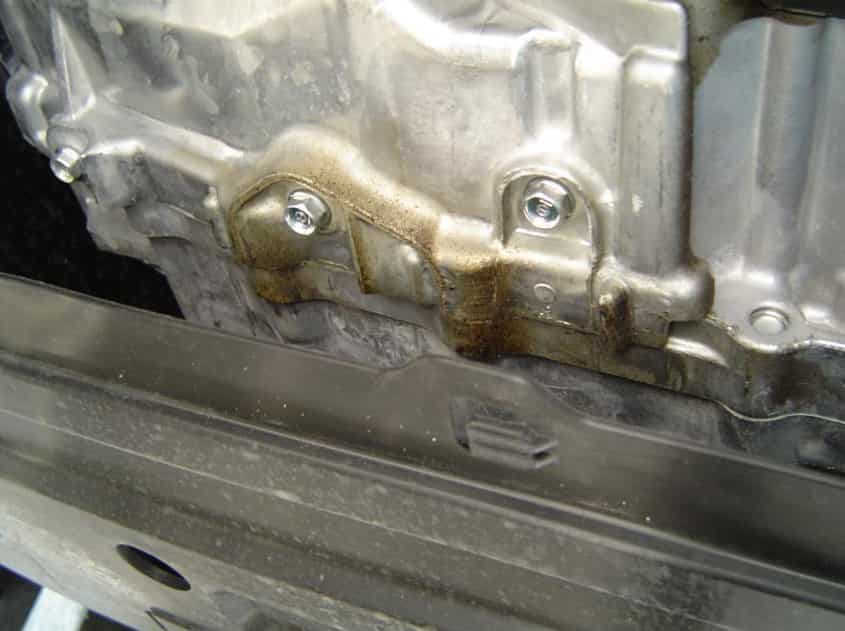
What Does a Honda Civic Oil Leak Mean?
A Honda Civic oil leak happens when engine oil escapes from the area where it should stay contained. Your engine uses oil to reduce friction, control heat, and protect moving parts. Without enough oil, internal components can wear faster and create serious mechanical problems.
Many drivers confuse an oil leak with normal oil consumption. These two issues have different causes. An oil leak means oil leaves the engine and appears outside the vehicle. Oil consumption happens when the engine burns oil internally during operation.
A visible oil stain under your Honda Civic usually points to an external leak. You may find oil around the engine, near the oil pan, or underneath the vehicle. In some cases, the leak starts small and only leaves a few drops after parking. Over time, the problem can become worse and create larger oil loss.
Several engine components help prevent oil leaks. These parts include gaskets, seals, oil filters, and drain plugs. Heat, pressure, and age can weaken these components. Once they lose their ability to create a proper seal, oil can escape.
A Honda Civic oil leak does not always mean you need a major engine repair. Some leaks require simple fixes, while others need professional attention. The key is finding the source early and taking action before the problem affects engine performance.
Understanding how oil leaks develop helps you make better maintenance decisions. Early detection can protect your engine and reduce unexpected repair costs.
Common Causes of Honda Civic Oil Leaks
A Honda Civic oil leak can come from several areas around the engine. Some causes are simple to fix, while others require more time and professional repair. Finding the exact source helps you choose the right solution and avoid unnecessary expenses.
One common cause is a worn valve cover gasket. This gasket sits on top of the engine and prevents oil from escaping. Over time, heat and engine vibration can weaken the material. A damaged valve cover gasket may cause oil around the top of the engine or create a burning oil smell.
Another frequent cause involves a damaged oil pan gasket. The oil pan stores engine oil at the bottom of the engine. Road debris, impacts, and aging seals can damage this area. Drivers often notice oil drops underneath the vehicle when this problem occurs.
A loose oil drain plug can also create an oil leak after an oil change. Mechanics must install the plug correctly to prevent oil from escaping. A worn drain plug washer can cause similar problems.
The oil filter creates another possible leak point. A loose filter, damaged filter seal, or incorrect installation can allow oil to drip from the engine area.
More serious leaks can come from worn engine seals, such as a rear main seal. These repairs usually cost more because technicians need extra time to access the damaged part.
Understanding these common causes of Honda Civic oil leaks helps you identify problems faster. Early inspection can prevent a small leak from turning into expensive engine damage.
Honda Civic Oil Leak Symptoms and Warning Signs
A Honda Civic oil leak often shows early warning signs before it becomes a major problem. Paying attention to these symptoms can help you protect your engine and avoid expensive repairs.
The most obvious sign is oil spots under your vehicle. You may notice dark brown or black stains on your driveway or parking space. Fresh engine oil usually feels slippery and has a strong petroleum smell. These spots often indicate that oil has escaped from the engine.
A burning oil smell is another common warning sign. When leaking oil reaches hot engine parts, it can create a noticeable odor. Many drivers first notice this smell after driving or when they stop the vehicle.
A low engine oil level can also point to a possible leak. Check your oil level regularly with the dipstick. If the oil level drops faster than expected, your Honda Civic may lose oil through an external leak or burn oil internally.
Smoke from the engine bay requires immediate attention. Leaking oil can touch hot surfaces and create smoke. This situation can damage nearby components and may increase the risk of further engine problems.
The oil warning light is one of the most important signals on your dashboard. This light often appears when oil pressure drops or the engine does not receive enough lubrication.
Ignoring these warning signs can increase repair costs. A small Honda Civic oil leak may only need a simple repair today, but delaying maintenance can create more serious engine issues later.
How to Diagnose a Honda Civic Oil Leak
Finding the source of a Honda Civic oil leak does not always require advanced tools. You can start with a basic inspection to understand where the problem may come from. A careful check can help you explain the issue clearly to a mechanic and avoid unnecessary repairs.
Start by checking the engine oil level. Use the dipstick and compare the oil level with the recommended range. A low oil level may indicate that your vehicle is losing oil faster than normal.
Next, inspect the area where you park your Honda Civic. Fresh oil stains can show the approximate location of the leak. Pay attention to the color, texture, and smell of the fluid. Engine oil usually appears dark brown or black, while other fluids may have different colors.
Look around common leak areas under the hood. Check the valve cover area, oil filter, drain plug, and visible engine surfaces. Fresh oil marks often help you locate the source of the problem.
Cleaning the engine area can also make diagnosis easier. Remove old oil residue and monitor the engine after driving. New oil traces can reveal the exact leaking point.
Some Honda Civic oil leaks require professional inspection. Hidden leaks from internal seals or difficult to access areas may need special tools and experience. A mechanic can perform a detailed inspection and confirm the correct repair.
Early diagnosis saves time and money. When you find an oil leak quickly, you can fix the problem before it affects engine reliability and performance.
Honda Civic Oil Leak Repair Costs and Repair Options
The cost to fix a Honda Civic oil leak depends on the location of the leak, the damaged part, and the amount of labor required. Some repairs take only a short time, while others require more complex work. Understanding the possible costs helps you prepare before visiting a repair shop.
Simple repairs usually cost less because they involve easy access parts. A loose oil drain plug, damaged drain plug washer, or faulty oil filter may only require a small replacement or adjustment. These issues often happen after routine oil changes.
Medium level repairs usually involve replacing worn gaskets. A valve cover gasket replacement is one of the more common repairs for Honda Civic models. An oil pan gasket repair may cost more because technicians need extra time to remove and reseal the damaged area.
More complex repairs involve engine seals, such as a rear main seal. These repairs often have higher labor costs because technicians need to access deeper engine areas. The replacement part may not be expensive, but the additional work increases the total repair price.
Some drivers consider oil leak stop additives as a quick solution. These products may reduce minor leaks temporarily, but they cannot repair damaged gaskets or seals permanently. A proper repair remains the best option when a component has failed.
The best way to control Honda Civic oil leak repair costs is early action. Fixing a small leak before it affects other engine parts can help you avoid larger expenses in the future.
Can You Drive a Honda Civic With an Oil Leak?
Many Honda Civic owners ask the same question after finding oil under their vehicle: Can I keep driving, or do I need to repair it immediately? The answer depends on the size of the leak and the condition of the engine.
A small Honda Civic oil leak may not create an immediate danger if the oil level stays within the recommended range. However, you should still inspect the vehicle and monitor the leak carefully. Small leaks often become worse over time, especially when damaged seals or gaskets continue to wear.
You should avoid driving your Honda Civic when the oil warning light appears. This warning can indicate low oil pressure, which means the engine may not receive enough lubrication. Driving with low oil pressure can cause severe internal damage.
You should also stop driving if you notice heavy oil dripping, smoke from the engine area, or unusual engine noises. These signs may indicate a more serious problem that requires immediate attention.
Low engine oil levels increase friction between moving parts. This extra friction creates heat and accelerates wear inside the engine. A problem that starts with a simple gasket replacement can become a costly engine repair if you ignore it.
If you discover a Honda Civic oil leak, check the oil level first and schedule an inspection as soon as possible. Quick action can protect your engine, improve reliability, and reduce long term repair expenses.
How to Prevent Future Honda Civic Oil Leaks
Preventing a Honda Civic oil leak starts with regular maintenance and early inspections. Most oil leaks develop slowly as engine components age. A consistent maintenance routine can help you identify weak points before they create larger problems.
Regular oil changes play an important role in protecting your engine. Fresh oil reduces friction and helps internal components work smoothly. Always use the correct oil type recommended for your Honda Civic model to maintain proper engine performance.
You should also inspect gaskets and seals during routine maintenance. These components create barriers that keep oil inside the engine. Over time, heat and pressure can make them brittle and less effective. Replacing worn parts early can prevent future leaks.
Checking the oil level between service intervals is another simple prevention method. A sudden drop in oil level may reveal a developing leak before you notice visible stains. Regular checks give you more time to respond.
Maintaining the PCV system can also reduce pressure problems inside the engine. A faulty PCV valve may increase pressure and force oil through weak seals or gaskets.
Keeping your Honda Civic clean can make leak detection easier. Oil residue can hide fresh leaks and make diagnosis more difficult. A clean engine area helps you spot new problems quickly.
Good maintenance habits protect your vehicle and reduce repair costs. A Honda Civic oil leak is easier and cheaper to fix when you catch it early. Preventive care helps your engine deliver reliable performance for many years.
Frequently Asked Questions About Honda Civic Oil Leaks
Why is my Honda Civic leaking oil?
A Honda Civic oil leak can happen because of worn gaskets, damaged seals, loose drain plugs, or oil filter problems. The exact cause depends on where the oil escapes. A proper inspection can help identify the damaged component.
How much does it cost to fix a Honda Civic oil leak?
The repair cost depends on the source of the leak. Simple fixes, such as replacing an oil filter or tightening a drain plug, usually cost less. Repairs involving gaskets or engine seals require more labor and may cost more.
Is a small oil leak dangerous?
A small oil leak may not cause immediate engine damage, but you should not ignore it. Low oil levels can increase friction and create more serious problems over time. Early repair can prevent expensive engine damage.
Why is my Honda Civic losing oil but not leaking?
Your Honda Civic may burn oil internally instead of losing it through an external leak. Worn engine components, piston rings, or other internal issues can cause oil consumption without visible oil stains.
Can oil leak stop products permanently fix a Honda Civic oil leak?
Oil leak stop products may help with very minor leaks, but they do not repair damaged gaskets or seals. These products often provide a temporary solution. A proper repair remains the best choice for long term reliability.
Understanding these common questions helps Honda Civic owners make better decisions. Quick diagnosis and regular maintenance can keep your vehicle running smoothly and reduce unexpected repair costs.
Conclusion
A Honda Civic oil leak may start as a small issue, but it can become a costly problem if you ignore it. Understanding the common causes, warning signs, and repair options helps you protect your vehicle and make better maintenance decisions.
Most oil leaks come from common problems such as worn gaskets, damaged seals, loose drain plugs, or oil filter issues. Some repairs require only a simple adjustment, while others need professional attention. The key factor is early detection.
Regular inspections and proper maintenance can prevent many Honda Civic oil leak problems. Checking your oil level, following the recommended service schedule, and replacing aging components can help your engine perform reliably for years.
If you notice oil stains, a burning oil smell, low oil levels, or warning lights, do not wait until the problem becomes worse. A quick inspection can save you from expensive repairs and protect your engine.
Have you experienced a Honda Civic oil leak before? What symptoms did your vehicle show, and how did you solve the problem? Share your experience in the comments to help other Honda Civic owners understand and handle similar issues.