You can disable Active Fuel Management (AFM) on a Chevy 5.3L V8 engine using three methods: an OBD-II AFM disabler, ECU tuning, or a mechanical AFM delete kit. An OBD-II disabler is the simplest option for compatible vehicles because it prevents automatic cylinder deactivation without requiring engine disassembly or permanent changes to the factory calibration. ECU tuning disables AFM through engine control software, while a mechanical delete replaces AFM-specific components.
AFM is General Motors’ cylinder-deactivation system that switches compatible V8 engines between eight-cylinder and four-cylinder operation under specific driving conditions to improve fuel economy. Although this system reduces fuel consumption, AFM-equipped Chevy 5.3L engines can experience problems involving collapsible lifters, misfires, and abnormal engine noise. Disabling AFM electronically keeps the engine operating in V8 mode but does not remove the original AFM lifters or guarantee protection against mechanical failure.
The best disabling method depends on your Chevy’s model year, engine configuration, budget, and long-term reliability goals. This guide explains how to disable AFM on a Chevy 5.3 using each method, outlines the installation steps, compares costs, and examines the effects on fuel economy, engine reliability, warranty coverage, and emissions compliance.
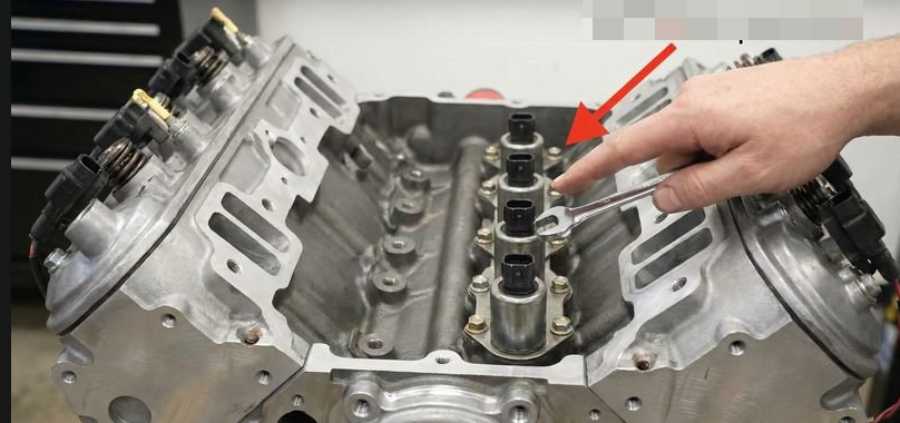
How Can You Disable AFM on a Chevy 5.3?
You can disable Active Fuel Management (AFM) on a Chevy 5.3L V8 using three methods: an OBD-II AFM disabler, ECU tuning, or a mechanical AFM delete. Each method prevents cylinder deactivation differently, with varying installation requirements, costs, and effects on the engine’s original components. The correct option depends on whether you want a reversible electronic solution, a calibration change, or permanent removal of AFM hardware.
How Do You Disable AFM With an OBD-II Disabler?
An OBD-II AFM disabler prevents a compatible Chevy 5.3L engine from switching into four-cylinder mode by communicating with the vehicle’s electronic control system. The device plugs into the diagnostic port beneath the dashboard and maintains eight-cylinder operation without requiring engine disassembly.
Plug-in devices such as the Range AFM Disabler are designed for specific GM vehicles equipped with Active Fuel Management. Once connected and operating correctly, a compatible device prevents AFM activation during normal driving. The original engine calibration remains unchanged, and removing the device generally restores factory cylinder-deactivation behavior.
An OBD-II disabler is suitable for owners who want a reversible modification with minimal installation work. However, the device does not replace AFM lifters, repair damaged engine components, or eliminate the mechanical risks associated with the original lifter system. Compatibility must also be verified because AFM and Dynamic Fuel Management (DFM) use different control strategies.
How Do You Disable AFM With ECU Tuning?
ECU tuning disables AFM by modifying the engine control module’s calibration so the engine no longer commands cylinder deactivation. Unlike a plug-in disabler, this method changes the software configuration stored in the vehicle’s control module.
Compatible tuning platforms, including HP Tuners, provide access to supported GM engine calibrations. A technician reads the original calibration, saves a backup, modifies the applicable AFM control parameters, and writes the revised calibration to the module. The exact settings and programming procedure depend on the engine, ECM hardware, and model year.
ECU tuning does not require a device to remain connected to the OBD-II port during everyday driving. However, it requires compatible software, programming equipment, and knowledge of GM engine management systems. Incorrect calibration changes or an interrupted programming operation can cause drivability problems or control-module faults.
Disabling AFM through ECU tuning also leaves the original AFM lifters and related hardware installed. The modification changes how the engine operates but does not mechanically eliminate the cylinder-deactivation system. Calibration modifications must also be evaluated for applicable emissions regulations and warranty implications.
How Do You Delete AFM Mechanically?
A mechanical AFM delete removes the engine’s AFM-specific valve-train components and replaces them with compatible non-AFM parts. This method requires substantial engine disassembly because AFM lifters are installed inside the engine beneath the cylinder heads.
A typical mechanical delete involves replacing the AFM lifters with conventional lifters, installing a compatible camshaft when required, and addressing the AFM oil-control hardware. Depending on the engine configuration, additional components may include lifter trays, gaskets, cylinder-head bolts, and related oil-system parts. The ECM calibration must also be configured to operate correctly with the modified hardware.
Unlike electronic disabling, a properly completed mechanical delete eliminates the original AFM lifter mechanism. This makes it relevant during an engine rebuild or when AFM-related components have already failed. However, it does not prevent unrelated engine problems, such as lubrication failures or wear in other valve-train components.
Mechanical deletion is the most labor-intensive of the three methods. It requires specialized tools, accurate component selection, and proper installation procedures. Owners should verify engine-specific requirements before purchasing a delete kit because parts designed for one 5.3L engine generation may not fit another.
How Do You Install an AFM Disabler on a Chevy 5.3?
To install an AFM disabler on a compatible Chevy 5.3L, verify vehicle compatibility, locate the OBD-II port, connect the device according to its instructions, and confirm that cylinder deactivation remains inactive. Most supported plug-in disablers do not require removing engine components or modifying the factory ECU calibration.
First, identify your Chevrolet’s model year, engine code, and cylinder-deactivation system. Many AFM-equipped Silverado 1500, Tahoe, and Suburban models support aftermarket disabling devices, but compatibility varies by engine and electronic architecture. Vehicles equipped with DFM require products specifically designed for that system. Check the manufacturer’s application list using your vehicle’s exact configuration before installation.
Next, inspect the vehicle for existing engine problems. An illuminated check-engine light, persistent misfire, abnormal lifter noise, or stored diagnostic trouble codes should be investigated before installing a disabler. An AFM disabler is not a diagnostic repair tool and will not correct damaged lifters, faulty ignition components, or lubrication problems.
Locate the OBD-II diagnostic connector beneath the driver’s side of the dashboard. On most compatible Chevrolet trucks and SUVs, the connector is positioned near the steering column. Turn the ignition off, follow the device manufacturer’s connection procedure, and insert the disabler securely into the diagnostic port. Some products begin operating automatically, while others have specific activation or status-indicator requirements.
After connecting the device, start the engine and check for warning lights or abnormal operation. Drive the vehicle under conditions that would ordinarily allow AFM activation, such as steady cruising at light engine load. Where supported, use a compatible diagnostic scanner to monitor commanded cylinder-deactivation status and confirm that the engine remains in eight-cylinder operation.
Do not rely solely on exhaust sound or dashboard V4/V8 indicators to verify operation because display behavior and available diagnostic data vary between vehicle models. Follow the device manufacturer’s recommended verification procedure.
A plug-in AFM disabler generally restores factory AFM behavior when removed, provided the device has not altered the stored calibration. Remove it according to the manufacturer’s instructions. Also consider whether the device occupies the diagnostic port continuously, draws electrical power while parked, or interferes with other OBD-II accessories.
Installing a compatible AFM disabler is a relatively simple electronic modification, but its effectiveness depends on vehicle compatibility and proper device operation. It prevents commanded cylinder deactivation without replacing the engine’s original AFM components.
How Do You Disable AFM on a Chevy 5.3 With ECU Tuning?
To disable AFM on a Chevy 5.3 through ECU tuning, modify the engine control module (ECM) calibration to prevent cylinder deactivation, then program the updated calibration into the vehicle. This method keeps the engine operating on all eight cylinders without requiring a plug-in AFM disabler. The procedure requires compatible tuning software, a supported programming interface, and access to the vehicle’s engine calibration.
HP Tuners is one platform used for modifying supported GM engine calibrations. Its VCM Editor software allows users to read and modify available engine control parameters, while compatible MPVI hardware provides communication between the computer and vehicle. Supported vehicles may require additional licensing or module-unlocking procedures. Not every Chevy 5.3 ECM supports the same programming process, so compatibility must be confirmed before purchasing equipment.
The ECU tuning process involves five main steps:
- Identify the engine and ECM. Confirm the vehicle’s model year, engine code, ECM type, and tuning-platform compatibility. A Chevrolet Silverado 1500 with a 5.3L L83 engine may require different calibration procedures than an older truck equipped with an LC9 engine.
- Read and save the factory calibration. Connect the supported programming interface to the vehicle’s OBD-II port and use the tuning software to retrieve the original calibration. Save an unmodified backup before making changes.
- Modify the AFM control settings. Locate the cylinder-deactivation parameters available for the specific ECM and configure them to prevent AFM activation. The relevant tables, switches, and settings vary by calibration and software version.
- Write the modified calibration. Program the revised file using the tuning platform’s prescribed procedure. Maintain stable vehicle voltage and avoid interrupting communication during programming because an incomplete write can leave the ECM inoperable.
- Verify engine operation. Start the engine, check for diagnostic trouble codes, and monitor cylinder-deactivation status using supported diagnostic data. Confirm that the engine remains in V8 operation under driving conditions that previously activated AFM.
ECU tuning offers a software-based solution that does not require an aftermarket device to remain connected during normal driving. However, disabling AFM electronically does not remove the AFM lifters, oil-control components, or other original hardware. Existing lifter damage, misfires, and oil-pressure problems require separate diagnosis and repair.
Calibration changes also introduce technical and regulatory considerations. Incorrect settings can affect engine operation, while unauthorized modifications may affect warranty coverage or emissions compliance. In the United States, modifications must comply with applicable federal and state emissions requirements. A professional tuner familiar with the specific GM engine and ECM is the safer choice for owners without calibration experience.
How Much Does It Cost to Disable AFM on a Chevy 5.3?
Disabling AFM on a Chevy 5.3 can cost approximately $100–$300 for a plug-in disabler, $300–$800 for professional ECU tuning, or $1,500–$4,000 or more for a mechanical AFM delete. These are general budgeting estimates rather than verified current quotes. Actual expenses depend on the engine generation, selected components, labor rates, and whether existing engine damage requires additional repairs.
| AFM Disabling Method | Estimated Cost (USD) | Installation Difficulty | Reversible? |
|---|---|---|---|
| OBD-II AFM disabler | $100–$300 | Low | Yes |
| Professional ECU tuning | $300–$800 | Moderate to high | Usually, with the original calibration |
| Mechanical AFM delete | $1,500–$4,000+ | High | Not easily |
An OBD-II AFM disabler is generally the least expensive option because it requires no engine disassembly and minimal installation labor. Most compatible devices connect directly to the diagnostic port, allowing owners to complete installation without specialized mechanical tools. Pricing varies by manufacturer, vehicle compatibility, and whether the device supports AFM, DFM, or both. Some devices also require attention to battery consumption during extended parking periods.
Professional ECU tuning costs more because the service involves calibration access, programming equipment, software licensing, and technical labor. The quoted price may cover only an AFM-related calibration change or include broader engine tuning services. Owners purchasing their own HP Tuners equipment must account for the programming interface, vehicle-specific credits, and any required module access or unlocking services. Restoring the factory calibration may also involve additional labor or licensing considerations.
A mechanical AFM delete is the most expensive method because it involves replacing internal engine components. A typical conversion may require non-AFM lifters, a compatible camshaft, lifter trays, gaskets, cylinder-head bolts, and modifications to the AFM oil-control system. Labor costs increase because technicians must remove components such as the intake manifold, cylinder heads, and valve-train assemblies to access the lifters and camshaft.
Mechanical deletion costs also depend on whether the engine already has damaged components. For example, a truck with a failed AFM lifter may require additional inspection of the camshaft, lifter bores, and related valve-train parts. Metal contamination or extensive internal damage can increase repair costs beyond the typical delete-kit installation budget. Engine-specific calibration work may add another expense.
The lowest-cost method is not necessarily the most appropriate solution for every vehicle. An owner who wants to stop cylinder deactivation on an otherwise healthy, compatible engine may prefer an OBD-II disabler. An owner seeking a calibration-based modification may choose professional ECU tuning. Mechanical deletion is more relevant when replacing AFM-specific hardware during an engine repair or rebuild.
Before selecting a method, compare the total installed cost rather than the advertised device or kit price alone. Include required parts, programming, labor, diagnostic work, and any emissions-compliance requirements. None of the three methods should be treated as a substitute for repairing existing mechanical engine damage.
Which Chevy 5.3 Engines Have AFM?
Several Chevrolet 5.3L V8 engines manufactured from the mid-2000s through the late 2010s use Active Fuel Management (AFM), including the LC9, LH6, LMG, and L83 engine variants. However, not every Chevy 5.3 engine has AFM. Cylinder-deactivation technology varies by engine code, model year, and vehicle configuration, making engine identification essential before selecting an AFM disabling device.
General Motors introduced AFM on certain Gen IV 5.3L V8 engines beginning with the 2005 model year. The system subsequently appeared in Chevrolet Silverado 1500, Tahoe, Suburban, and other GM vehicles. The 5.3L EcoTec3 L83 engine, introduced for the 2014 Silverado 1500, also uses AFM to deactivate four cylinders under suitable operating conditions. Earlier engines, including the LM7 Vortec 5300, do not have factory AFM hardware.
Newer Chevrolet 5.3L engines require additional attention because General Motors introduced Dynamic Fuel Management (DFM) on the L84 engine. Unlike AFM, which deactivates a fixed group of four cylinders, DFM uses multiple cylinder-deactivation patterns based on engine operating conditions. Consequently, an AFM disabler designed for an L83 engine is not automatically compatible with an L84 engine.
The following table summarizes representative Chevy 5.3L engine configurations.
| Engine Code | Representative Model Years | Cylinder-Deactivation System |
|---|---|---|
| LM7 | 1999–2007 | None |
| LH6 | 2005–2009 | AFM |
| LC9 | 2007–2014 | AFM |
| LMG | 2007–2014 | AFM |
| L83 | 2014–2019 | AFM |
| L84 | 2019 onward | DFM on applicable configurations |
These ranges represent common applications rather than a complete vehicle compatibility list. Production overlap, vehicle platform, and specific engine configurations can affect the installed system.
To identify whether your Chevy 5.3 has AFM, check the engine identification code through the vehicle’s documentation, build information, or VIN-based manufacturer records. A compatible diagnostic scanner can also identify cylinder-deactivation commands and operating status. Dashboard V4/V8 indicators provide an additional clue on equipped vehicles, but they should not replace engine-code verification.
Confirming the engine configuration prevents two common mistakes: purchasing an AFM disabler for an engine without cylinder deactivation and installing an AFM-specific device on a DFM-equipped vehicle. The disabling method must match the actual engine management system rather than the 5.3L displacement alone.
Does Disabling AFM Prevent Lifter Failure on a Chevy 5.3?
Disabling AFM does not guarantee prevention of lifter failure on a Chevy 5.3 because electronic disabling leaves the original AFM lifters inside the engine. An OBD-II disabler or ECU calibration change prevents commanded cylinder deactivation, but neither method removes worn components, repairs damaged lifters, or eliminates every possible mechanical failure.
AFM-equipped engines use specialized hydraulic lifters that can collapse during commanded cylinder deactivation and return to normal operation when all eight cylinders are needed. These components depend on mechanical locking mechanisms and controlled engine-oil pressure. Preventing AFM activation changes how the system is commanded to operate, but the lifters remain exposed to engine loads, lubrication conditions, and mechanical wear.
Why Do AFM Lifters Fail on a Chevy 5.3?
AFM lifters can fail because of internal locking-mechanism problems, lubrication issues, component wear, or damage involving the valve-train assembly. The lifter’s internal mechanism must maintain the correct relationship between its moving components to transfer camshaft motion to the pushrod and valve. A failure can prevent the valve from opening normally, even when the engine is commanded to operate on all eight cylinders.
Oil pressure and oil condition are important because AFM relies on controlled lubrication circuits to operate its collapsible lifters. Contaminated oil, restricted oil passages, or oil-control faults can interfere with lifter operation. Mechanical wear or a damaged locking mechanism can also cause a lifter to remain collapsed or operate incorrectly. However, not every AFM lifter failure originates from an oil-pressure problem, and a failed lifter requires inspection to establish the actual cause.
Common symptoms include persistent ticking or tapping noises, rough idling, engine misfires, reduced power, and an illuminated check-engine light. Diagnostic trouble codes such as P0300 or cylinder-specific misfire codes can appear when a lifter problem disrupts normal combustion. These symptoms are not exclusive to AFM failure because ignition coils, spark plugs, fuel injectors, and other mechanical problems can produce similar results.
A technician can investigate suspected lifter damage by checking diagnostic codes, identifying the affected cylinder, inspecting valve-train movement, and evaluating related engine components. Continued operation with a failed lifter can damage the camshaft or other valve-train parts, increasing repair complexity.
Can AFM Lifters Still Fail After AFM Is Disabled?
AFM lifters can still fail after AFM is electronically disabled because the original collapsible lifter assemblies remain installed. Preventing commanded cylinder deactivation does not convert these components into conventional non-AFM lifters or restore worn internal mechanisms.
An electronic AFM disabler prevents the engine control system from requesting normal AFM operation on supported vehicles. This reduces commanded transitions between V8 and V4 modes, but there is insufficient evidence to conclude that eliminating those transitions reliably prevents AFM lifter failures across all Chevy 5.3 engines. Existing wear, defective components, and lubrication problems can still result in mechanical damage.
For example, a Silverado 1500 equipped with the L83 5.3L engine may operate continuously in V8 mode after installation of a compatible AFM disabler. However, if an AFM lifter already has a damaged locking mechanism, the device cannot repair that component. The engine may continue experiencing ticking noises, misfires, or abnormal valve operation despite AFM being disabled.
A mechanical AFM delete addresses a different part of the problem by replacing AFM-specific lifters with compatible conventional lifters and making the associated engine modifications. A correctly performed conversion removes the original collapsible lifter mechanism, although conventional lifters and other valve-train components remain subject to wear, lubrication problems, and installation-related failures.
Owners seeking to reduce unwanted cylinder-deactivation behavior may consider an electronic disabler on a mechanically healthy, compatible engine. Owners experiencing persistent lifter noise, misfires, or confirmed valve-train damage should prioritize mechanical diagnosis and repair. Disabling AFM is an operating-system modification, not a guaranteed solution to AFM lifter failure.
Does Disabling AFM Affect Gas Mileage on a Chevy 5.3?
Disabling AFM on a Chevy 5.3 can reduce fuel economy because the engine no longer switches from eight-cylinder to four-cylinder operation during light-load driving. Active Fuel Management is designed to reduce fuel consumption by deactivating four cylinders when full engine power is unnecessary. Keeping all eight cylinders active removes this fuel-saving operating mode, although the actual MPG difference depends on driving conditions and vehicle configuration.
AFM provides its greatest potential fuel-saving benefit during steady cruising, when engine load is relatively low. Under these conditions, the engine control module can deactivate four cylinders while maintaining the power required to move the vehicle. The remaining active cylinders operate at a higher relative load, which can reduce pumping losses and improve engine efficiency. Disabling AFM prevents this operating strategy, requiring all eight cylinders to remain active during comparable driving conditions.
The fuel economy difference is less predictable during city driving, towing, or aggressive acceleration. Frequent acceleration and higher engine loads already limit opportunities for AFM activation because the engine requires additional power. For example, a Silverado 1500 used primarily for highway commuting may experience a greater fuel economy change than a truck regularly towing a heavy trailer. However, no single MPG reduction applies to every Chevy 5.3 engine.
Vehicle weight, axle ratio, tire size, driving speed, terrain, and engine condition also influence fuel consumption. Owners can measure the actual difference by comparing fuel usage over similar routes before and after disabling AFM. Calculating miles driven divided by gallons consumed across several full tanks provides a more reliable comparison than relying exclusively on the dashboard’s instantaneous fuel economy display.
Disabling AFM does not automatically increase horsepower or improve engine efficiency. The modification primarily changes cylinder-deactivation behavior, while maximum engine output remains governed by the engine’s mechanical configuration and calibration. Owners should expect a potential fuel economy trade-off rather than a guaranteed performance improvement.
Read more: Ford Cam Phasers Recall: Models, Years & Repairs
Can Disabling AFM Affect Your Chevy 5.3 Warranty or Emissions Compliance?
Disabling AFM on a Chevy 5.3 can affect warranty coverage and emissions compliance, particularly when the modification changes factory engine calibration or removes emissions-related control functions. The consequences depend on the modification method, applicable regulations, vehicle warranty terms, and whether the modification contributes to a specific mechanical failure.
In the United States, the Magnuson-Moss Warranty Act provides protections against certain improper warranty restrictions involving aftermarket parts. However, installing an aftermarket device does not guarantee coverage for every subsequent repair. A manufacturer may dispute a warranty claim when it can establish that an aftermarket modification caused the failure being repaired. For example, an engine control calibration change that contributes to a documented engine problem may create a warranty dispute involving the affected components.
An OBD-II AFM disabler generally leaves the original ECM calibration unchanged, making it easier to remove than a permanent software modification. However, reversibility does not automatically make the device warranty-safe or emissions-compliant. Device behavior, manufacturer requirements, and applicable regulations still matter. Removing a device before service also does not establish that its previous operation had no effect on the vehicle.
ECU tuning introduces additional considerations because it modifies the calibration stored in the engine control module. Depending on the vehicle and programming method, calibration identifiers, programming history, or diagnostic information may reveal that the control module has been modified. Restoring a factory calibration does not necessarily erase every record of previous programming activity.
Emissions compliance is a separate issue from warranty coverage. The U.S. Clean Air Act prohibits certain forms of tampering with emissions-control systems and the manufacture or sale of devices intended to defeat required emissions controls. Whether a specific AFM modification violates applicable requirements depends on the vehicle, device, calibration changes, and regulatory interpretation. An AFM-disabling product should not be assumed legal for public-road use simply because it is commercially available.
State regulations can impose additional requirements. California, for example, requires qualifying aftermarket emissions-related parts to receive approval through the California Air Resources Board’s Executive Order process. A product’s approval must cover the specific application and configuration; approval for one vehicle does not automatically extend to every Chevy 5.3 engine.
Mechanical AFM deletion requires particular attention because the procedure changes internal engine components and generally involves corresponding calibration modifications. Replacing lifters and camshaft components does not automatically establish emissions compliance. The completed engine configuration must meet applicable requirements for its intended use.
Before disabling AFM, owners should review their vehicle warranty, verify the manufacturer’s stated device compatibility, and check applicable federal and state emissions regulations. Professional installation or tuning does not independently guarantee legal compliance. Selecting a modification supported by appropriate documentation reduces uncertainty about vehicle compatibility, service requirements, and regulatory restrictions.
Should You Disable AFM or Delete It on a Chevy 5.3?
Disabling AFM is generally the more practical choice for a mechanically healthy Chevy 5.3, while mechanical AFM deletion is worth considering when replacing failed lifters or rebuilding the engine. Electronic disabling prevents commanded cylinder deactivation without removing engine components. Mechanical deletion replaces AFM-specific hardware, making it a more extensive and expensive modification.
The decision depends on three factors: engine condition, modification goals, and total repair costs. A Chevy 5.3 with no abnormal engine noise, misfires, or confirmed valve-train damage does not require engine disassembly simply to stop AFM activation. A compatible electronic disabler or properly configured ECM calibration can accomplish that objective without replacing the original lifters.
Mechanical deletion becomes more relevant when AFM-specific components have already failed. For example, a Silverado 1500 with a confirmed collapsed AFM lifter may require cylinder-head removal and valve-train repairs. During that repair, the owner can compare the cost of restoring the factory AFM system against installing compatible non-AFM components. The mechanical conversion must include the appropriate parts and calibration changes for the specific engine.
Neither method guarantees protection against every engine problem. Electronic disabling leaves the original collapsible lifters installed, while mechanical deletion eliminates those components but does not prevent lubrication problems, camshaft wear, or other mechanical failures. Vehicle compatibility, emissions requirements, and warranty implications should be evaluated before either modification.
When Is an Electronic AFM Disabler the Better Choice?
An electronic AFM disabler is the better choice when the engine operates normally and the owner’s primary goal is to prevent automatic V8-to-V4 switching without internal engine modifications. It offers a less invasive alternative to mechanical deletion and generally requires less installation time and expense.
A plug-in OBD-II disabler is particularly suitable for owners who prefer a reversible modification. Compatible devices communicate with the vehicle’s electronic control system to prevent AFM activation while leaving the factory calibration and internal engine components unchanged. Removing the device generally restores the original cylinder-deactivation behavior.
ECU tuning provides another electronic option for owners who do not want a device permanently connected to the diagnostic port. A compatible calibration change can prevent AFM activation without modifying the valve train. However, professional tuning requires additional equipment and expertise, and changes to the factory calibration may create warranty or emissions-compliance concerns.
Mechanical deletion is more appropriate when the owner intends to remove AFM-specific hardware during a major engine repair or rebuild. Replacing the collapsible lifters with compatible conventional components eliminates the original AFM lifter mechanism, but the procedure involves substantial labor, engine-specific parts, and calibration requirements. It should not be treated as a routine maintenance procedure for every functioning Chevy 5.3 engine.
The following comparison summarizes the main differences between the available methods.
| Decision Factor | Electronic AFM Disabling | Mechanical AFM Delete |
|---|---|---|
| Primary purpose | Prevent commanded cylinder deactivation | Remove AFM-specific mechanical components |
| Engine disassembly | Not required | Required |
| Original AFM lifters | Remain installed | Replaced |
| Installation difficulty | Low to moderate, depending on method | High |
| Reversibility | Generally reversible | Requires substantial additional work |
| Existing lifter damage | Does not repair damage | Can address damage through component replacement |
| Typical application | Healthy, compatible engine | Engine repair or rebuild |
| Relative cost | Lower | Higher |
For a Chevy 5.3 that operates normally, selecting a compatible electronic disabler avoids the expense and complexity of unnecessary engine disassembly. For an engine with confirmed AFM lifter damage, repairing the mechanical fault takes priority over disabling cylinder deactivation. Mechanical deletion can be evaluated as part of that repair, provided the conversion is compatible with the engine and complies with applicable regulations.