The Honda Ridgeline is known for its reliability, comfort, and everyday versatility. However, every truck needs proper maintenance to deliver long lasting performance. A clear Honda Ridgeline Service Schedule helps owners protect their vehicle and avoid costly repairs.
Many drivers follow basic services like oil changes and tire rotations. However, they often overlook important maintenance milestones. Delaying these services can affect engine performance, fuel efficiency, and overall reliability.
A proper maintenance plan helps you understand what your Ridgeline needs at different mileage points. It also allows you to prepare for upcoming expenses and prevent unexpected breakdowns. Regular inspections can protect major systems, including the engine, transmission, brakes, and suspension.
This complete Honda Ridgeline Service Schedule guide explains essential maintenance tasks from early mileage intervals to major services at higher mileage. You will learn what to check, when to service key components, and how to maintain your truck for long term ownership.
Whether you drive a new Ridgeline or own an older model, following the right maintenance routine can help you extend vehicle life, improve driving confidence, and preserve your investment.
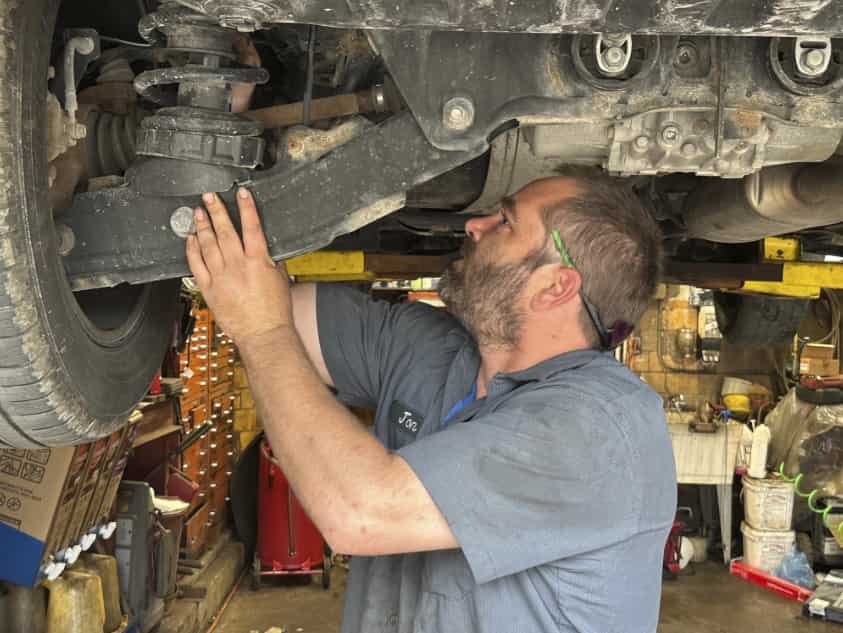
Understanding the Honda Ridgeline Service Schedule and Why It Matters
A Honda Ridgeline Service Schedule gives owners a clear plan for keeping their truck in excellent condition. It explains when to inspect, replace, or maintain important vehicle components. Following this schedule helps the Ridgeline deliver reliable performance throughout its ownership period.
Every vehicle experiences wear over time. Engine oil loses its protective ability, tires gradually lose their performance, and fluids become less effective. Regular maintenance helps identify these changes before they create serious problems.
The Honda Ridgeline uses a combination of mileage intervals, driving conditions, and vehicle usage to determine maintenance needs. Drivers who frequently tow, travel on rough roads, or operate in extreme weather may need more frequent inspections. Understanding these factors allows owners to create a maintenance routine that fits their driving habits.
Preventive maintenance also plays an important role in reducing long term ownership costs. A simple oil change or fluid inspection can help prevent larger issues with the engine, transmission, or braking system. Small maintenance actions today can protect expensive vehicle components in the future.
A well-maintained Honda Ridgeline can provide years of dependable service. Regular inspections support better fuel efficiency, safer driving, and stronger resale value. By following the recommended Honda Ridgeline Service Schedule, owners can enjoy the benefits of Honda reliability while reducing the risk of unexpected repairs.
Honda Ridgeline Service Schedule by Mileage: 10,000 to 100,000 Miles
The Honda Ridgeline Service Schedule follows important mileage milestones that help owners maintain vehicle performance and reliability. Each service interval focuses on specific components that experience wear during daily driving. Understanding these milestones helps drivers plan maintenance before problems appear.
At around 10,000 miles, most Ridgeline owners should complete basic maintenance tasks. These services usually include an oil change, tire rotation, fluid inspection, and general vehicle checks. Regular inspections at this stage help maintain smooth engine operation and improve overall driving efficiency.
The 30,000 mile service represents an important maintenance point. Owners should inspect filters, fluids, brakes, and drivetrain components during this interval. This service helps identify early signs of wear and keeps major systems working properly.
At 60,000 miles, the Honda Ridgeline requires more detailed attention. Drivers should review important components such as spark plugs, transmission fluid, brake systems, and cooling system performance. Proper maintenance at this stage can prevent expensive repairs as the truck continues to age.
The 100,000 mile service marks another major ownership milestone. This inspection focuses on long term reliability and includes important checks for engine components, fluids, and vehicle systems. Owners who follow these recommended intervals can help their Honda Ridgeline achieve higher mileage with fewer problems.
Following a consistent Honda Ridgeline maintenance schedule allows drivers to protect their investment and enjoy dependable truck performance for many years.
Essential Honda Ridgeline Maintenance Services Every Owner Should Know
A proper Honda Ridgeline Service Schedule includes several key maintenance tasks that protect the truck’s performance and reliability. Each service plays an important role in keeping major vehicle systems working efficiently. Understanding these services helps owners make better maintenance decisions.
Engine oil and oil filter replacement remain some of the most important maintenance tasks. Fresh oil reduces friction, protects engine parts, and supports smooth performance. Regular oil changes also help maintain fuel efficiency and prevent unnecessary engine wear.
Transmission fluid service also requires attention during vehicle ownership. Clean transmission fluid helps the system shift smoothly and reduces stress on internal components. Ignoring transmission maintenance can lead to poor performance and expensive repairs.
Brake maintenance directly affects safety and driving confidence. Regular inspections help identify worn brake pads, damaged rotors, or low brake fluid levels. Addressing these issues early can improve stopping performance and prevent larger problems.
Tire rotation and wheel alignment help maintain balanced handling and extend tire life. Proper tire care also improves fuel economy and provides a more comfortable driving experience. Owners should also check air filters, cabin filters, battery condition, and other basic components during regular service visits.
Each maintenance task supports a different part of the Honda Ridgeline. When owners follow the recommended service intervals, they can reduce repair risks and keep their truck performing at its best.
Honda Ridgeline Maintenance Cost and Ownership Considerations
Understanding Honda Ridgeline maintenance costs helps owners plan their long term vehicle expenses. While the Ridgeline offers strong reliability, every truck requires regular care to maintain performance. A consistent maintenance routine can help reduce unexpected repair bills and protect your investment.
Routine maintenance usually costs less than major repairs. Services such as oil changes, tire rotations, fluid checks, and filter replacements help prevent damage to expensive components. When owners delay these services, small issues can become larger problems that require more time and money to fix.
Several factors can influence Honda Ridgeline maintenance costs. Driving habits, road conditions, climate, and towing frequency all affect how quickly vehicle components wear. A Ridgeline used for heavy towing or frequent off road driving may require additional inspections compared with a truck used for daily commuting.
Keeping accurate service records can also improve ownership value. Maintenance documentation shows that the vehicle received proper care and can support a higher resale value when you decide to sell. It also helps you track completed services and prepare for upcoming maintenance needs.
The best way to control Honda Ridgeline ownership costs is to follow the recommended service schedule. Regular inspections, timely replacements, and responsible driving habits can help extend vehicle life while reducing long term expenses. A well-maintained Ridgeline can deliver reliable performance for many years.
DIY Maintenance vs Professional Honda Ridgeline Service
Many Honda Ridgeline owners want to reduce maintenance costs by handling simple tasks themselves. DIY maintenance can save time and money when owners understand their vehicle and follow proper procedures. However, some services require professional knowledge, specialized tools, and accurate diagnostics.
Owners can manage several basic maintenance tasks at home. These tasks include checking fluid levels, monitoring tire pressure, replacing windshield wipers, and changing air filters. Regular inspections also help drivers notice early signs of potential problems.
Professional Honda Ridgeline service becomes important for more complex maintenance needs. Transmission service, brake repairs, electrical diagnostics, and engine-related issues require experience and specialized equipment. A professional technician can identify problems quickly and prevent incorrect repairs.
Choosing between DIY maintenance and professional service depends on the type of work involved. Simple inspections can help owners stay connected with their vehicle. However, advanced repairs require expert attention to protect important systems and maintain safety.
Following the Honda Ridgeline Service Schedule does not always mean visiting a dealership for every task. Owners can combine basic home maintenance with professional inspections to create an effective maintenance strategy.
A balanced approach helps control costs while protecting vehicle reliability. By knowing which services they can handle and which services need expert support, Honda Ridgeline owners can maintain their trucks with confidence.
Tips to Extend the Lifespan of Your Honda Ridgeline
A Honda Ridgeline can provide years of dependable performance when owners follow a consistent maintenance routine. Regular care protects important vehicle systems and helps the truck handle daily driving, towing, and changing road conditions.
The most important step is following the Honda Ridgeline Service Schedule. Scheduled maintenance helps owners complete essential services before components develop serious problems. Simple actions like changing oil on time and checking fluid levels can make a significant difference in long term reliability.
Drivers should also pay attention to early warning signs. Unusual noises, dashboard alerts, changes in handling, or reduced performance may indicate a developing issue. Addressing these problems early can prevent more expensive repairs in the future.
Proper tire care also supports vehicle longevity. Maintaining correct tire pressure, rotating tires regularly, and checking alignment can improve handling and reduce unnecessary stress on suspension components. Owners who frequently tow should pay extra attention to tires, brakes, and drivetrain performance.
Keeping detailed maintenance records provides another advantage. Service history helps owners track completed repairs and plan future maintenance. It also creates confidence for potential buyers if the vehicle is sold later.
A Honda Ridgeline represents a long term investment. With regular service, responsible driving habits, and proper attention to important components, owners can enjoy reliable performance and maintain their truck’s value for many years.
Frequently Asked Questions About Honda Ridgeline Service Schedule
Understanding the Honda Ridgeline Service Schedule helps owners make better decisions about vehicle care. Many drivers have questions about service timing, maintenance costs, and long term reliability. These answers cover some of the most common concerns from Ridgeline owners.
How often should a Honda Ridgeline be serviced?
Most Honda Ridgeline models require regular maintenance based on mileage, driving conditions, and vehicle usage. Owners should follow the recommended service intervals and check the maintenance reminder system for additional guidance.
What is included in a Honda Ridgeline 30,000 mile service?
The 30,000 mile service usually includes important inspections and maintenance checks. These may include fluid inspections, filter checks, brake evaluations, tire rotation, and drivetrain assessments. This service helps maintain vehicle performance and prevent early component wear.
Is Honda Ridgeline expensive to maintain?
The Honda Ridgeline generally offers reasonable maintenance costs compared with many other trucks. Regular service helps control expenses by preventing major repairs and extending vehicle lifespan.
How long can a Honda Ridgeline last?
A well-maintained Honda Ridgeline can provide reliable performance for many years and reach high mileage with proper care. Regular maintenance, responsible driving, and timely repairs play an important role in achieving long term durability.
When should Honda Ridgeline transmission fluid be changed?
Transmission fluid service depends on mileage, driving conditions, and manufacturer recommendations. Regular inspections help maintain smooth shifting and protect transmission components.
Conclusion
Following the right Honda Ridgeline Service Schedule is one of the best ways to protect your truck and maintain reliable performance. Regular maintenance helps prevent unexpected repairs, improves driving confidence, and supports long term vehicle durability.
Every service interval plays an important role in keeping the Honda Ridgeline operating efficiently. Basic tasks like oil changes and tire rotations support daily performance, while major maintenance services help protect critical systems as mileage increases.
A proactive maintenance approach can also reduce ownership costs over time. By completing services at the recommended intervals, owners can identify potential problems early and avoid expensive repairs. Keeping service records and paying attention to vehicle changes can further improve the ownership experience.
Whether you use your Ridgeline for commuting, family transportation, towing, or weekend adventures, proper maintenance allows the truck to deliver dependable performance for years. A well-maintained Honda Ridgeline can remain a valuable and reliable vehicle throughout its lifespan.
If you own a Honda Ridgeline, review your current mileage and maintenance history to determine your next service needs. Following a consistent maintenance routine today can help you enjoy a smoother, safer, and more confident driving experience in the future.