Paint damage is one of the last problems vehicle owners expect to see on a modern car, especially on a vehicle that is only a few years old. However, many Hyundai owners have reported unexpected paint peeling, bubbling, and clear coat failure across different models and paint colors. In some cases, the damage begins as a small imperfection near the hood or roof before spreading across larger sections of the vehicle. Once the protective paint layer starts to fail, repair costs can rise quickly and leave owners frustrated with both the appearance and value of their cars.
The growing attention surrounding Hyundai Paint Peeling Warranty coverage has raised important questions for drivers who want to know whether these paint defects qualify for free repairs. While some owners successfully receive warranty assistance, others struggle with denied claims because dealerships classify the damage as environmental wear or improper maintenance. This confusion often makes the warranty process stressful and expensive.
Understanding how Hyundai Paint Peeling Warranty coverage works is essential if you want to protect your vehicle and avoid unnecessary repainting costs. This guide explains the most common Hyundai paint defects, affected models, warranty limitations, claim procedures, and repair solutions so owners can make informed decisions before the damage becomes worse.
What Is the Hyundai Paint Peeling Warranty?
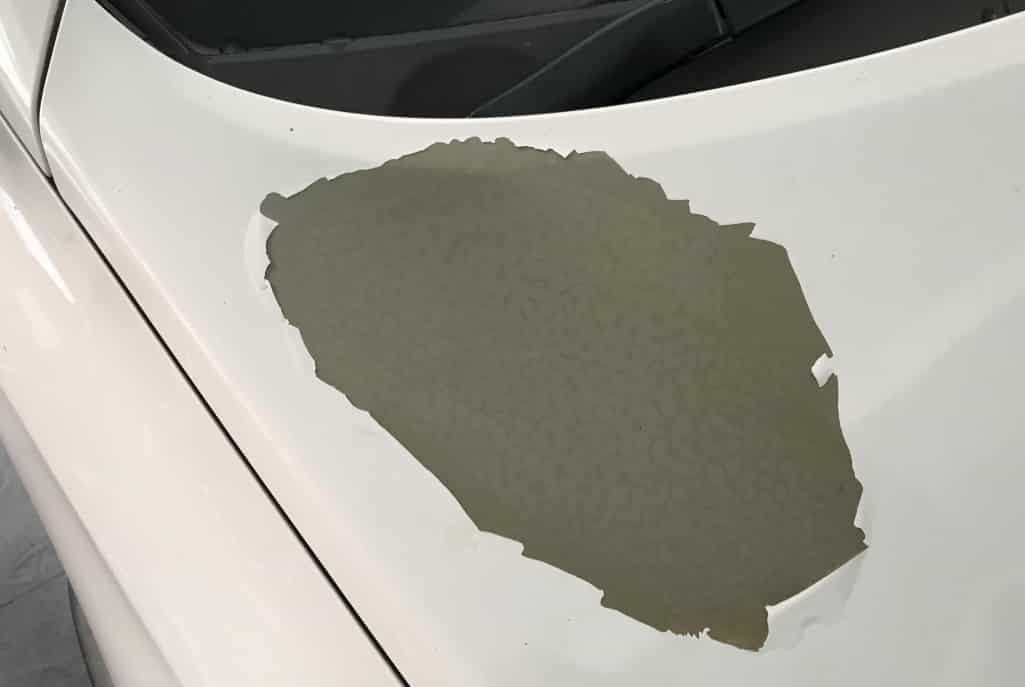
Hyundai Paint Peeling Warranty coverage helps owners deal with factory related paint defects that appear earlier than expected. Modern vehicle paint should last for many years under normal driving conditions. When paint starts peeling, bubbling, or cracking too soon, many owners begin looking for warranty support.
Hyundai includes paint protection as part of its basic vehicle warranty in many markets. This coverage usually applies to defects connected to the original factory paint. Common examples include peeling paint, bubbling surfaces, fading clear coat, and poor paint adhesion. If the dealership confirms that the issue comes from a manufacturing defect, Hyundai may cover part or all of the repair cost.
Clear coat failure is one of the most common complaints among Hyundai owners. The clear coat protects the paint from sunlight, moisture, and oxidation. Once this layer starts peeling, the paint underneath can fade and crack much faster. Many owners also report serious problems with white paint finishes because peeling often appears earlier on these vehicles.
However, Hyundai Paint Peeling Warranty coverage does not include every type of paint damage. Road debris, scratches, accidents, harsh chemicals, and improper repainting usually fall outside warranty protection. Dealerships inspect the vehicle carefully before approving any claim.
Owners should document paint damage as early as possible. Clear photos, maintenance records, and inspection reports can strengthen a warranty claim. Fast action also helps prevent the damage from spreading across larger sections of the vehicle.
Understanding Hyundai Paint Peeling Warranty coverage can help owners avoid expensive repainting costs and protect the long term value of their vehicles.
Common Hyundai Paint Defects Explained
Hyundai owners have reported several types of paint problems across different vehicle models and production years. Some defects appear slowly over time, while others develop surprisingly early. In many cases, the first warning signs look minor. However, the damage can spread quickly if owners ignore it.
Clear coat peeling remains one of the most common complaints. The clear coat acts as a protective layer over the paint surface. It shields the vehicle from sunlight, moisture, dirt, and oxidation. When the clear coat starts failing, the surface may look dull, rough, or faded. Small peeling spots can eventually expose the paint underneath and create larger damaged areas.
White paint problems have also gained significant attention among Hyundai owners. Many drivers notice peeling paint around the roof, hood, mirrors, and door edges. Some experts believe weak paint adhesion during manufacturing contributes to these issues. Heat and constant ultraviolet exposure can accelerate the peeling process and make the damage more visible over time.
Paint bubbling is another issue that affects some Hyundai vehicles. Small bubbles usually form when moisture or contamination becomes trapped beneath the paint surface. These bubbles may crack later and leave visible imperfections across the body panels. Owners who live in humid or coastal regions often notice faster paint deterioration because moisture exposure remains high throughout the year.
Fading paint can also reduce the appearance and value of a vehicle. Strong sunlight gradually weakens the paint surface, especially when owners rarely apply protective wax or coatings. Dark colors often show fading more clearly, while lighter colors may develop uneven patches and discoloration.
Some paint defects result from environmental exposure, but factory related problems can also play a major role. Poor surface preparation, uneven paint application, and improper curing temperatures may weaken paint durability from the beginning. This is why many owners seek support through Hyundai Paint Peeling Warranty coverage once the damage appears.
Recognizing these paint defects early can help owners prevent larger repair costs and improve the chances of successful warranty claims.
Hyundai Models Commonly Reported With Paint Problems
Several Hyundai models have received repeated complaints about paint peeling, bubbling, and clear coat failure over the years. While not every vehicle develops these issues, many owners have reported similar problems across specific models and paint colors. White paint finishes appear especially vulnerable in many cases.
The Hyundai Elantra is one of the most commonly discussed models when paint defects become a topic. Owners often report peeling paint around the hood, roof, trunk, and side panels. Some drivers notice small chips at first, but the peeling can spread quickly after exposure to heat and sunlight. Older Elantra models may also show fading clear coat and uneven paint texture after several years of use.
The Hyundai Sonata has also generated many complaints related to paint durability. Some owners experience bubbling paint near the doors and wheel arches, while others report severe clear coat deterioration on the roof and hood. Constant ultraviolet exposure can accelerate the damage, especially in regions with strong sunlight and high temperatures.
The Hyundai Tucson has faced similar paint concerns. Many Tucson owners describe peeling paint near roof rails, mirrors, and front panels. In some cases, the damage appears even though the vehicle receives regular washing and maintenance. This situation often leads owners to question whether the issue comes from environmental exposure or factory paint defects.
The Hyundai Santa Fe also appears frequently in discussions about paint quality problems. Drivers commonly report fading paint, bubbling surfaces, and peeling clear coat after only a few years of ownership. These defects can lower resale value and create expensive repainting costs if the warranty claim fails.
Although these complaints involve different Hyundai models, several patterns remain consistent. White paint often shows earlier deterioration, and roof areas usually experience the most severe damage because they receive constant sun exposure. Owners who detect paint problems early may improve their chances of receiving support through Hyundai Paint Peeling Warranty coverage.
Understanding which models commonly experience paint issues can help buyers and current owners monitor their vehicles more carefully before the damage spreads further.
What Causes Hyundai Paint Peeling?
Several factors can contribute to paint peeling on Hyundai vehicles. In some cases, the problem develops because of manufacturing defects. In other situations, environmental exposure and maintenance habits may accelerate the damage. Understanding these causes helps owners identify problems early and protect the vehicle from more serious paint failure.
Factory related paint defects remain one of the biggest concerns among Hyundai owners. Automotive paint requires careful preparation before application. Technicians must clean the metal surface properly and apply each paint layer evenly. If contamination, moisture, or poor adhesion affects the process, the paint may weaken long before it should. Improper curing temperatures can also reduce paint durability and increase the risk of peeling or bubbling later.
Clear coat failure often begins after long periods of ultraviolet exposure. Constant sunlight gradually weakens the protective outer layer and causes the surface to dry out. Once the clear coat starts cracking or separating, moisture can enter beneath the paint and accelerate the damage. Vehicles parked outdoors every day usually face higher risks, especially in hot climates.
Environmental conditions also play a major role in paint deterioration. Road salt, acid rain, bird droppings, tree sap, and industrial pollution can slowly damage the paint surface. Humid coastal regions may create even faster deterioration because moisture remains trapped on the vehicle for long periods.
Poor maintenance habits can worsen the problem. Harsh cleaning chemicals, abrasive brushes, and automatic car washes may scratch or weaken the clear coat over time. Some owners also skip waxing or paint protection treatments, which leaves the surface more vulnerable to heat and oxidation.
Previous repair work can create additional complications. Low quality repainting or poor surface preparation during body repairs may cause uneven adhesion and early paint failure. In some cases, dealerships may reject Hyundai Paint Peeling Warranty claims if they detect aftermarket paint work on the damaged area.
Although paint peeling can result from several different causes, early inspection remains extremely important. Small defects can spread quickly and increase repair costs if owners delay treatment or ignore warning signs.
How to File a Hyundai Paint Warranty Claim
Filing a Hyundai Paint Peeling Warranty claim requires preparation and proper documentation. Many owners make the mistake of waiting too long before reporting paint damage. Small peeling spots can spread quickly and become harder to evaluate later. Taking action early may improve the chances of claim approval and reduce repair costs.
The first step involves documenting the paint damage carefully. Owners should take clear photos from multiple angles and capture both close up and wide views of the affected areas. Good lighting helps reveal bubbling paint, clear coat separation, and surface cracking more clearly. It is also important to record the date when the damage first appeared because dealerships may ask for a timeline during the inspection process.
Maintenance records can strengthen a warranty claim significantly. Owners who regularly wash, wax, and service their vehicles may have stronger evidence that the paint problem resulted from a factory defect rather than neglect. Keeping receipts for detailing services and paint protection products may also support the case.
After gathering documentation, owners should schedule an inspection with an authorized Hyundai dealership. During the inspection, technicians examine the damaged paint and look for possible external causes such as rock chips, scratches, collision damage, or chemical contamination. The dealership may photograph the vehicle and submit a report directly to Hyundai for review.
Some claims receive quick approval, while others require additional inspections or further documentation. If the dealership denies the claim, owners can still contact Hyundai customer support and request another review. In certain situations, an independent body shop inspection may help confirm whether the damage resulted from poor paint adhesion or manufacturing defects.
Owners should remain calm and organized throughout the process. Clear communication and strong documentation often make a major difference when handling Hyundai Paint Peeling Warranty claims. Fast action can also prevent the paint damage from spreading across larger sections of the vehicle.
Hyundai Paint Repair Costs Without Warranty
Paint repair costs can become extremely expensive when Hyundai Paint Peeling Warranty coverage does not apply. Many owners feel shocked after receiving repair estimates because automotive paint work requires skilled labor, surface preparation, and color matching. Even small paint defects may cost far more than expected once technicians begin the repair process.
Minor spot repairs usually represent the lowest cost option. Technicians sand the damaged area, apply new paint, and add a protective clear coat. Small repairs may cost a few hundred dollars depending on the paint color and labor rates in the area. However, spot repairs do not always blend perfectly with the surrounding paint, especially on older vehicles with fading surfaces.
Full panel repainting often becomes necessary when peeling spreads across larger areas such as doors, hoods, roofs, or bumpers. This process requires technicians to remove damaged paint completely before applying new layers. Color matching also becomes more difficult because sunlight and oxidation can change the appearance of the original paint over time. Repainting a single body panel may cost several hundred to more than one thousand dollars depending on the paint quality and repair shop.
A complete vehicle repaint creates the highest expense. Professional repainting involves sanding, masking, priming, painting, and applying multiple clear coat layers across the entire vehicle. High quality repaint jobs can cost several thousand dollars, especially when owners choose premium materials and experienced paint specialists.
Repair costs may rise further if rust develops beneath the peeling paint. Once moisture reaches exposed metal surfaces, corrosion can spread and create additional body damage. Delaying repairs often increases the final cost because technicians must repair both the paint and the affected metal areas.
Because of these expenses, many owners pursue Hyundai Paint Peeling Warranty claims before paying for repairs themselves. Early inspections and proper documentation may help owners avoid major out of pocket repainting costs and preserve the long term appearance of the vehicle.
Hyundai Paint Warranty vs Corrosion Warranty
Hyundai owners often confuse paint warranty coverage with corrosion warranty protection. Although both relate to the vehicle’s exterior condition, they address very different types of damage. Understanding this difference is important when filing a Hyundai Paint Peeling Warranty claim, especially if the damage involves both paint failure and early rust formation.
The paint warranty focuses on surface level defects that originate from the factory painting process. This includes issues such as peeling paint, bubbling, cracking, and clear coat failure. These problems usually appear on the visible outer layer of the vehicle and do not always involve metal corrosion underneath. When a dealership confirms that the defect comes from manufacturing issues, Hyundai may approve repair or repainting under warranty terms.
The corrosion warranty, on the other hand, protects the vehicle against rust that forms through the metal body panels. This type of coverage usually applies when rust penetrates from the inside out or when structural corrosion appears due to manufacturing faults. Surface rust caused by scratches, stone chips, or environmental exposure is often excluded from coverage.
Many owners misunderstand this separation and assume that any rust related to peeling paint will automatically qualify for warranty repair. In reality, dealerships carefully inspect whether corrosion started from a factory defect or developed because the paint layer was already damaged by external factors. If peeling paint exposes bare metal and rust appears later, the claim may fall into a gray area that requires further evaluation.
Some Hyundai owners discover that paint peeling and corrosion issues overlap. When the clear coat fails and the paint layer breaks down, moisture can reach the metal surface and accelerate rust formation. In these cases, early documentation becomes very important. Clear photos and timely reporting can help demonstrate that the issue began as a paint defect rather than external damage.
Understanding the distinction between paint warranty and corrosion warranty helps owners choose the correct claim path and improves their chances of receiving appropriate repair support from Hyundai.
Can Paint Peeling Affect Vehicle Value?
Paint condition plays a major role in determining a vehicle’s resale and trade in value. Even when a Hyundai runs perfectly, visible paint peeling can significantly reduce buyer confidence. Many used car buyers associate exterior paint defects with poor maintenance or deeper hidden problems, even if the issue comes from a factory defect.
Resale value often drops quickly once peeling paint becomes noticeable. Dealers usually inspect body condition carefully before offering trade in prices. If they see bubbling paint, clear coat failure, or visible peeling on panels such as the roof, hood, or doors, they may lower the offer significantly. In some cases, repair costs are deducted directly from the valuation estimate.
Private buyers also react strongly to paint condition. A vehicle with clean, glossy paint tends to sell faster and at a higher price. In contrast, peeling paint creates hesitation because buyers expect future repair expenses. This perception often forces sellers to reduce their asking price to attract interest.
Long term ownership costs can also increase when paint damage is ignored. Once peeling begins, it rarely stops on its own. Exposure to sunlight, rain, and moisture can accelerate the spread across adjacent panels. Over time, this may lead to more expensive repairs and even corrosion if the metal surface becomes exposed.
Some owners consider repainting the vehicle before selling it, but this solution also has trade offs. A full repaint can be expensive and may not always restore factory level quality. In addition, buyers sometimes question whether repainting hides previous damage or accident history.
Because of these risks, many Hyundai owners try to resolve paint issues through Hyundai Paint Peeling Warranty coverage before selling or trading in the vehicle. Early warranty action can help protect both appearance and long term resale value.
How to Prevent Hyundai Paint Peeling
Preventing paint peeling is always more effective and less expensive than repairing it later. Hyundai owners can reduce the risk of paint damage by combining proper maintenance habits with basic paint protection methods. While not all defects can be avoided, good care can significantly extend the life of the factory paint.
Regular washing is one of the most important steps in paint protection. Dirt, dust, bird droppings, and road contaminants can slowly weaken the paint surface if they remain on the vehicle for long periods. Using gentle car shampoo and soft microfiber cloths helps protect the clear coat from scratches and abrasion. Harsh brushes and low quality cleaning tools should be avoided because they can damage the protective layer.
Paint protection products also help reduce long term damage. Waxing the vehicle creates a protective barrier against sunlight, moisture, and oxidation. Ceramic coating provides stronger and longer lasting protection by bonding to the paint surface and improving resistance to environmental exposure. These treatments help maintain gloss and reduce the risk of premature fading or peeling.
Parking habits also influence paint durability. Vehicles parked under direct sunlight every day face higher risks of clear coat deterioration. Whenever possible, parking in shaded areas or covered garages can reduce UV exposure and slow down paint aging. For owners who do not have access to covered parking, using a car cover can provide an additional layer of protection.
Careful driving also helps prevent paint damage. Road debris, gravel, and sand can chip the paint surface and create weak points where peeling may begin later. Maintaining safe distances from other vehicles on rough roads can reduce these risks.
Even with proper care, some Hyundai vehicles may still develop paint defects due to factory related issues. In such cases, owners should monitor early signs of damage and consider Hyundai Paint Peeling Warranty coverage before the problem becomes more serious and expensive to repair.
Frequently Asked Questions About Hyundai Paint Peeling Warranty
Does Hyundai cover peeling paint under warranty?
Hyundai may cover peeling paint if the issue is confirmed as a factory defect. Dealership technicians inspect the vehicle to determine whether the damage comes from manufacturing problems or external causes. If the paint failure is linked to poor adhesion, clear coat defects, or application errors, the repair may qualify for warranty coverage.
How long does Hyundai paint warranty coverage last?
Paint warranty duration depends on the specific market and vehicle warranty terms. In many cases, coverage is included within the basic limited warranty period. However, the exact duration can vary, so owners should check their warranty booklet or contact an authorized Hyundai dealership for accurate details.
Which Hyundai models have the most paint complaints?
Some Hyundai models such as the Elantra, Sonata, Tucson, and Santa Fe have received repeated reports of paint peeling and clear coat issues. These complaints often involve roof, hood, and door panels. However, not every vehicle in these model lines experiences the same problems.
Is white paint more likely to peel?
Many owners report more visible issues with white paint finishes. White paint may show peeling and adhesion problems more clearly, especially under strong sunlight. Heat and ultraviolet exposure can also make defects easier to notice over time.
Can a second owner file a paint warranty claim?
In some cases, second owners may still be eligible for warranty coverage if the original warranty period is active. Eligibility depends on transfer rules and remaining warranty time. Dealerships will still inspect the vehicle before approving any claim.
Does repainting affect warranty coverage?
Aftermarket repainting can affect warranty eligibility. If a dealership detects previous body work or non factory paint repairs, they may deny the claim. This is because it becomes difficult to determine whether the defect originated from the factory or from previous repair work.
How much does Hyundai paint repair cost without warranty?
Repair costs vary depending on damage severity. Small spot repairs may cost a few hundred dollars. Full panel repainting can reach over one thousand dollars. A full vehicle repaint may cost several thousand dollars depending on paint quality and labor.
Conclusion
Hyundai Paint Peeling Warranty coverage is designed to protect owners from unexpected factory paint defects, but approval depends on careful inspection and proper documentation. Paint issues such as peeling, bubbling, and clear coat failure can affect both appearance and resale value if not addressed early.
Understanding the difference between factory defects and environmental damage is essential when filing a claim. Owners who act quickly, document damage clearly, and maintain service records often have a better chance of receiving warranty support. Delaying repairs can allow the damage to spread and increase costs significantly.
While Hyundai vehicles are built for long term reliability, paint durability can still vary depending on model, environment, and maintenance habits. Regular care, protective coatings, and early inspection remain the best ways to prevent serious paint deterioration.
If paint issues do appear, contacting an authorized Hyundai dealership as soon as possible is the most effective step toward resolution and potential warranty coverage.