Many drivers buy a new vehicle from Hyundai Motor Company because they expect strong warranty protection. Most people believe the warranty will cover almost every repair issue that happens during ownership. This assumption often leads to disappointment when a claim gets rejected.
In reality, the Hyundai warranty protects only specific types of defects. It focuses on manufacturing problems, not all mechanical failures or damages. This difference is important because it defines who pays for repairs in different situations.
Many owners face unexpected repair costs because they misunderstand what is not covered by Hyundai warranty. Some expect coverage for wear and tear parts or damage caused by driving conditions. Others assume all mechanical issues fall under warranty protection. These expectations are incorrect in many cases.
You need to understand the warranty limits to avoid costly surprises. This knowledge helps you make better decisions about maintenance, repairs, and modifications. It also reduces the risk of claim denial. Once you clearly understand the exclusions, you can protect both your vehicle and your budget more effectively.
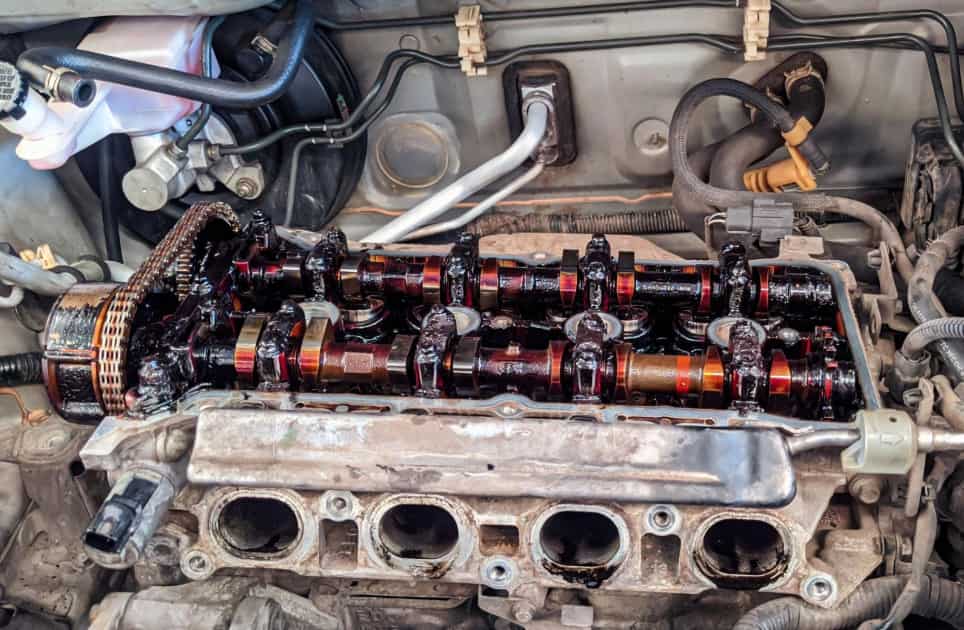
What Is Not Covered By Hyundai Warranty
Understanding what is not covered by Hyundai warranty is essential for every vehicle owner. Even if you drive a car from Hyundai Motor Company, the factory warranty does not protect you from all types of repair costs. It only applies to manufacturing defects, while many common issues fall outside of coverage.
One major exclusion is wear and tear components. Parts such as brake pads, tires, wiper blades, and clutch components naturally wear down over time through normal use. These items are not considered defective, so the warranty does not pay for their replacement unless a clear manufacturing fault is proven.
Another important exclusion involves maintenance related failures. If the owner skips scheduled servicing, delays oil changes, or ignores warning signs, the warranty can be voided for related repairs. The manufacturer expects proper maintenance, and failure to follow the service schedule is treated as owner responsibility.
Accident and collision damage is also not covered. Any repair needed after a crash, impact, or external force must be handled through insurance, not warranty. The same rule applies to environmental damage such as floods, fires, storms, or salt corrosion, since these are not manufacturing defects.
Aftermarket modifications can also lead to denied claims. Changes like engine tuning, ECU remapping, suspension upgrades, or exhaust modifications may affect warranty eligibility. If a modification contributes to a failure, the warranty claim can be rejected.
Finally, consumable items such as oil, filters, and fluids are excluded because they require routine replacement. These exclusions define the real limits of warranty protection and help explain what is not covered by Hyundai warranty in most real world situations.
Common Reasons Hyundai Warranty Claims Get Denied
Warranty claim denials often confuse vehicle owners, especially when they expect full protection from Hyundai Motor Company. In reality, most rejections happen for clear and avoidable reasons. Understanding these reasons helps you protect your warranty and avoid unnecessary repair costs.
One of the most common reasons is missing or incomplete service records. The manufacturer requires proof that the vehicle has been maintained according to the recommended schedule. If oil changes, inspections, or routine servicing are not documented, the warranty claim can be denied even if the failure is unrelated to maintenance.
Another frequent issue is the use of non authorized repair shops or unapproved parts. When a vehicle is serviced outside the recommended network, or when low quality aftermarket components are installed, the manufacturer may question the reliability of the repair history. This can lead to rejection if the part failure is linked to improper service.
Modifications are also a major cause of denial. Engine tuning, ECU remapping, suspension changes, or exhaust upgrades can affect vehicle performance and reliability. If a modification contributes to the failure, the warranty claim is usually rejected. In some cases, even unrelated systems may be affected if the modification impacts overall vehicle operation.
Improper maintenance is another key factor. Ignoring warning lights, delaying repairs, or using incorrect fluids can cause damage that is not covered. The warranty assumes the owner follows basic care guidelines, and failure to do so shifts responsibility away from the manufacturer.
Finally, disputes can arise during diagnosis. If the technician determines that the issue comes from external damage, misuse, or wear and tear, the claim will not be approved. These situations explain most real world cases of warranty denial and highlight why understanding what is not covered by Hyundai warranty is so important.
What Can Void Hyundai Warranty Entirely
A vehicle warranty is not only about what is covered, but also about what can completely cancel coverage. For owners of vehicles from Hyundai Motor Company, certain actions can void the warranty and remove protection across multiple systems. Once this happens, future repair claims may be rejected even if the issue seems unrelated.
One of the fastest ways to void a warranty is through unauthorized modifications. Changes such as engine tuning, ECU remapping, turbo upgrades, or major exhaust system modifications can affect how the vehicle performs. If these modifications are linked to a failure, the warranty is no longer valid for that repair. In some cases, repeated or severe modifications can impact broader warranty eligibility.
Another critical factor is tampering with the odometer. Any attempt to alter mileage records is considered a serious violation. It removes trust in the vehicle’s history and automatically voids warranty protection because accurate mileage is essential for determining coverage terms.
Severe neglect of maintenance can also void warranty coverage. If the owner consistently ignores service schedules, fails to change oil, or drives the vehicle with unresolved mechanical warnings, the manufacturer can reject future claims entirely. The warranty depends on proper care and documented maintenance.
Installing incompatible or non approved parts is another risk. When parts do not meet manufacturer standards, they can cause system failures or increase wear on related components. If damage is traced back to these parts, warranty protection may be cancelled.
These conditions show that warranty protection is not permanent if the vehicle is misused or poorly maintained. Understanding these risks helps explain what is not covered by Hyundai warranty and how easily coverage can be lost.
Maintenance Requirements to Keep Warranty Valid
Keeping your warranty valid for a vehicle from Hyundai Motor Company depends heavily on proper and consistent maintenance. Many owners assume the warranty will automatically remain active for a fixed period, but in reality it is tied closely to how the vehicle is cared for over time.
The most important requirement is following the official service schedule. Regular oil changes, filter replacements, brake inspections, and fluid checks must be completed at the recommended intervals. If you delay or skip these services, the manufacturer may question whether a failure was caused by poor maintenance rather than a factory defect.
Documentation also plays a critical role. Every service should be recorded with clear proof such as invoices, service logs, or digital records. Without proper documentation, even correctly performed maintenance may not be accepted during a warranty review. This is one of the most common reasons claims are delayed or denied.
Using approved parts and fluids is equally important. The warranty expects that components meet manufacturer standards. If incorrect oil grades, low quality filters, or incompatible parts are used, the warranty may be affected if a related failure occurs.
It is also important to address warning signs early. Ignoring dashboard alerts, unusual noises, or performance issues can lead to bigger damage that may not be covered. The warranty assumes the owner takes reasonable action to prevent further damage.
Proper maintenance does not just protect the vehicle, it also protects your financial coverage. By following these rules, you reduce the risk of disputes and keep your warranty active for the full coverage period.
Warranty vs Insurance: Key Differences
Many vehicle owners confuse warranty protection with insurance coverage, especially when dealing with repair costs for vehicles from Hyundai Motor Company. Although both provide financial protection, they serve completely different purposes and cover different types of risk.
A manufacturer warranty focuses on defects that come from the production process. It applies when a part fails due to materials or workmanship issues that existed before the vehicle was sold. This means the warranty is designed to protect against factory related problems, not everyday damage or external events.
In contrast, insurance protects you from unexpected incidents such as accidents, theft, fire, or natural disasters. If your vehicle is damaged in a collision or affected by flooding, insurance is the coverage that pays for repairs, not the warranty. This is one of the most common misunderstandings among vehicle owners.
Another key difference is responsibility. The warranty is provided by the manufacturer and has strict conditions related to maintenance, modifications, and usage. Insurance is a separate contract between the owner and an insurance provider, and it covers risks based on the policy terms rather than manufacturing standards.
Understanding this difference is important because many situations fall outside warranty coverage but are still covered by insurance. For example, accident damage, weather related damage, and theft are never part of warranty protection. These distinctions help explain what is not covered by Hyundai warranty and why separate insurance coverage is always necessary.
How to Avoid Warranty Claim Rejection
Avoiding warranty claim rejection is mostly about proper vehicle care and clear documentation, especially for owners of vehicles from Hyundai Motor Company. Most denied claims are not random, they come from preventable mistakes related to maintenance, modifications, or missing records.
The first step is to always follow the official maintenance schedule. Regular servicing ensures that the vehicle remains in good condition and helps prove that any failure was not caused by neglect. Skipping routine maintenance is one of the fastest ways to lose warranty support.
Keeping complete service records is equally important. Every oil change, inspection, and repair should be documented with invoices or official service reports. These records act as proof when a warranty claim is reviewed. Without them, even valid claims may be rejected due to uncertainty.
You should also avoid unauthorized modifications. Changes to the engine, exhaust system, suspension, or electronics can affect warranty eligibility. Even small modifications can create disputes if they are linked to the failure being claimed.
Using approved parts and fluids helps maintain warranty protection. Non standard components may cause performance issues or damage other systems, which can lead to claim denial. Following manufacturer recommendations reduces this risk significantly.
Finally, addressing problems early is critical. Ignoring warning lights or delaying repairs can turn small issues into major damage that is not covered. Taking quick action shows responsible ownership and supports your warranty validity.
By following these steps consistently, you significantly reduce the risk of disputes and improve your chances of keeping full warranty protection.
Conclusion: Key Takeaways for Hyundai Owners
Understanding what is not covered by Hyundai warranty is essential for every vehicle owner who wants to avoid unexpected repair costs and claim denials. For vehicles from Hyundai Motor Company, the warranty provides important protection, but it is not a blanket coverage for all types of damage or failure.
The most important takeaway is that the warranty only covers manufacturing defects. It does not include wear and tear parts, accident damage, environmental issues, or problems caused by poor maintenance and unauthorized modifications. These exclusions are clearly defined, but many owners only realize them after a claim is rejected.
Another key point is that warranty protection depends heavily on how the vehicle is maintained and used. Regular servicing, proper documentation, and following manufacturer guidelines all play a major role in keeping coverage valid. Small mistakes such as skipping maintenance or using non approved parts can create long term consequences for warranty eligibility.
It is also important to clearly separate warranty and insurance. Each one covers different risks, and both are necessary for full financial protection. Warranty handles factory related defects, while insurance covers external events like accidents and natural damage.
By understanding these boundaries early, you can make better decisions about maintenance, repairs, and modifications. This knowledge helps you avoid disputes, reduce financial risk, and keep your vehicle protected for the full warranty period.