Many Chevrolet owners misunderstand what a powertrain warranty actually covers. This confusion often leads to unexpected repair costs. Knowing the exact coverage helps you avoid financial risk and make better ownership decisions.
The powertrain warranty from Chevrolet protects key mechanical systems in your vehicle. These systems include the engine, transmission, and drivetrain. They work together to move power from the engine to the wheels. When one of these parts fails, repair costs can become very expensive.
This is why the powertrain warranty matters. It reduces your risk when major components fail during the coverage period. However, many drivers still do not fully understand what the warranty includes.
Some owners expect full vehicle protection. Others do not know if internal parts like gears, axles, or torque converters are covered. This lack of clarity creates confusion during warranty claims.
This guide explains everything in simple terms. You will learn what the Chevy powertrain warranty covers in detail. You will also understand what it does not cover. We will break down the engine, transmission, and drivetrain one by one. We will also explain warranty limits and how to use your coverage correctly.
By the end, you will understand how Chevrolet protects your vehicle. You will also know where your responsibility as an owner begins.
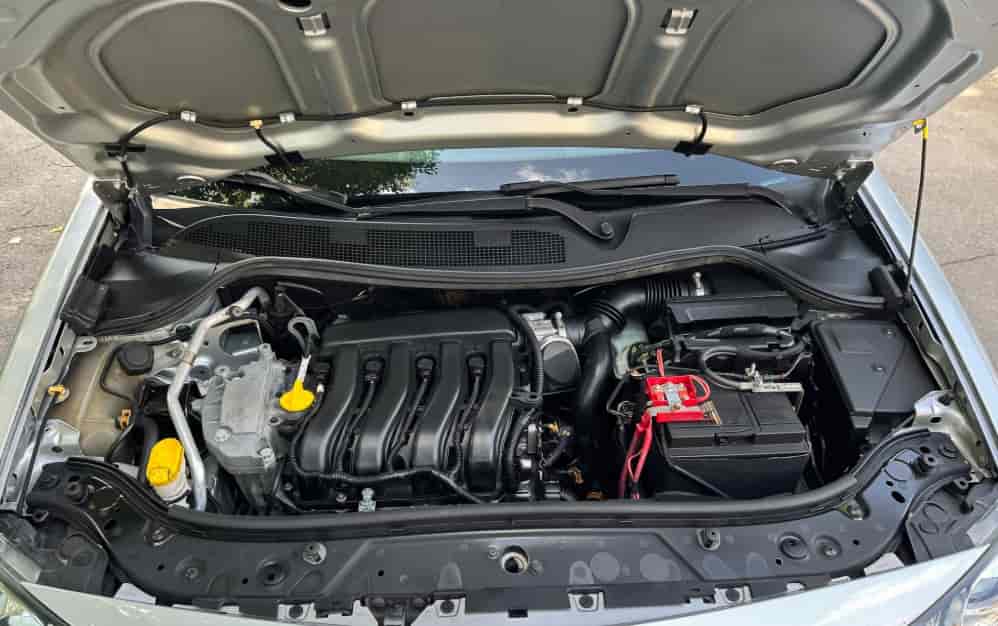
WHAT IS CHEVY POWERTRAIN WARRANTY?
A Chevy powertrain warranty is a manufacturer protection plan for major mechanical systems. It focuses on parts that generate and transfer power inside your vehicle. This warranty helps reduce repair costs when critical components fail during normal use.
The powertrain system includes three main areas: the engine, the transmission, and the drivetrain. These systems work together to move power from the engine to the wheels. If one system fails, the vehicle may stop working or lose performance.
Chevrolet designs the powertrain warranty to cover internal mechanical failures, not regular wear and tear. It protects expensive parts that often cost a lot to repair or replace. This makes it one of the most important warranties for long term ownership.
The engine generates power by burning fuel and air. The transmission controls how that power is delivered to the wheels. The drivetrain transfers that power from the transmission to the axles and wheels. Each system plays a critical role in vehicle movement.
This warranty does not cover every part of the vehicle. It focuses only on specific internal components. External parts, maintenance items, and cosmetic damage are not included.
Understanding this structure helps you avoid confusion when filing a claim. It also helps you know what repairs you are responsible for as an owner.
The next section will break down exactly what parts are covered under the Chevy powertrain warranty in detail.
WHAT IS COVERED UNDER CHEVY POWERTRAIN WARRANTY
This section explains the exact components protected under the Chevy powertrain warranty. The coverage focuses on internal mechanical parts that control power generation and movement.
Engine Coverage
The engine is the core of your vehicle. It produces power by burning fuel and air. The Chevy powertrain warranty covers many internal engine components that support this process.
It includes the engine block and cylinder heads. It also covers pistons, crankshaft, and camshaft. Internal lubricated parts are included as well. These parts are essential for engine operation and are expensive to repair.
The warranty does not cover external engine parts. It excludes filters, belts, hoses, and spark plugs. It also excludes damage caused by poor maintenance or misuse.
Transmission Coverage
The transmission controls how engine power reaches the wheels. It adjusts speed and torque for different driving conditions. This system is one of the most complex and costly to repair.
The Chevy powertrain warranty covers internal transmission components. It includes gears, shafts, and bearings. It also covers the torque converter and internal clutch parts in automatic and manual transmissions.
External parts are not included. Fluid changes, seals, and routine maintenance are excluded. Damage caused by neglect or modifications is also not covered.
Drivetrain Coverage
The drivetrain transfers power from the transmission to the wheels. It ensures the vehicle moves efficiently on the road. This system includes several important mechanical parts.
The warranty covers driveshafts, axles, and differentials. It also includes transfer cases in AWD and 4WD vehicles. These components are critical for power delivery and vehicle stability.
Wear items and external damage are not covered. This includes wheels, tires, and suspension parts. Damage from accidents or off road misuse is also excluded.
WHAT IS NOT COVERED UNDER CHEVY POWERTRAIN WARRANTY
Understanding what the Chevy powertrain warranty does not cover is just as important as knowing what it includes. Many Chevrolet owners assume they have broad protection, but this often leads to confusion when a claim is denied. The warranty from Chevrolet focuses only on internal mechanical failures, so anything outside the core powertrain system is usually excluded.
The warranty does not cover normal wear and tear items. These include brake pads, tires, wiper blades, filters, belts, and fluids. These parts naturally degrade over time and require regular replacement as part of routine vehicle maintenance. Oil changes and scheduled servicing are also the responsibility of the owner, and skipping them can even affect warranty eligibility.
It also does not include external or non powertrain systems. Body panels, paint, interior materials, infotainment systems, speakers, and navigation units are excluded from coverage. Suspension and steering components are also not part of the powertrain warranty, as they belong to separate warranty categories.
Damage caused by misuse is not covered either. This includes accidents, racing, off road abuse, and unauthorized modifications. If a vehicle is modified in a way that affects engine or transmission performance, Chevrolet may deny related claims. Lack of proper maintenance can also result in warranty rejection.
In addition, most electrical and software related issues are excluded. Sensors, wiring systems, and electronic control modules fall outside powertrain protection. These are typically covered under different warranty plans rather than the powertrain warranty itself.
WARRANTY DURATION AND LIMITS
The Chevy powertrain warranty provides coverage for a fixed period of time and mileage. This limit defines how long Chevrolet will protect the engine, transmission, and drivetrain under normal conditions. The warranty from Chevrolet is designed to cover major mechanical failures during the early years of vehicle ownership, when repair risks are lower but still costly if they occur.
In most Chevrolet vehicles, the powertrain warranty lasts for a specific number of years or miles, whichever comes first. Once the vehicle reaches either limit, the coverage ends completely. This means owners must pay for repairs after the warranty expires, even if the issue involves covered components like the engine or transmission.
The warranty only applies to defects in materials or factory workmanship. It does not extend to issues caused by aging, normal wear, or lack of maintenance. If a part fails because it naturally wears out over time, it will not be covered even within the warranty period.
Coverage also depends on proper vehicle maintenance. Chevrolet requires owners to follow the recommended service schedule. Missing oil changes or ignoring maintenance intervals can affect warranty eligibility. In some cases, Chevrolet may deny claims if poor maintenance contributed to the failure.
The warranty is also limited to original factory conditions. If the vehicle is heavily modified, used for racing, or operated outside normal driving conditions, coverage may be reduced or voided. This ensures the warranty only applies to standard consumer use.
Understanding these limits helps owners avoid misunderstandings. It also helps you plan for long term maintenance and repair costs after the warranty period ends.
WHAT VOIDS CHEVY POWERTRAIN WARRANTY
The Chevy powertrain warranty is strong, but it is not unlimited. Certain actions and conditions can void the coverage completely. When that happens, Chevrolet will no longer pay for repairs related to the engine, transmission, or drivetrain under the warranty provided by Chevrolet.
One of the most common reasons for voiding the warranty is improper maintenance. If you skip scheduled oil changes or ignore service intervals, the engine and transmission can suffer damage. In this case, Chevrolet may reject your claim because the failure is linked to neglect rather than a factory defect.
Unauthorized modifications also create serious risk. If you change engine tuning, install aftermarket performance parts, or modify the transmission system, the warranty may no longer apply. Even small changes that affect power output or emissions can lead to claim denial if they contribute to the failure.
Misuse of the vehicle is another key factor. Racing, off road driving, or using the vehicle outside normal road conditions can void coverage. The warranty is designed for standard consumer driving, not extreme or competitive use.
Accidents and external damage are not covered either. If a crash or environmental damage causes engine or drivetrain failure, the repair will not fall under warranty protection. Insurance typically handles these cases instead.
Finally, tampering with the odometer or using unapproved repairs can also void the warranty. Chevrolet requires that repairs be done at authorized service centers to maintain valid coverage.
Understanding these conditions helps you protect your warranty. Responsible maintenance and proper vehicle use ensure you stay eligible for coverage throughout the warranty period.
HOW TO USE CHEVY POWERTRAIN WARRANTY
Using your Chevy powertrain warranty correctly can save you a large amount of money on major repairs. However, many owners do not know the proper steps to file a claim or where to start. The process is simple when you follow the correct procedure set by Chevrolet.
The first step is to identify the problem early. If you notice unusual engine noise, transmission slipping, or drivetrain vibration, you should stop driving and inspect the vehicle. Continuing to drive can increase damage and may affect warranty approval.
Next, you need to visit an authorized Chevrolet service center. Only certified dealers can evaluate warranty claims properly. The technician will inspect your vehicle and diagnose whether the issue is caused by a covered defect or external factors like misuse or lack of maintenance.
After diagnosis, the service center submits a warranty claim to Chevrolet. This step includes detailed inspection reports, vehicle history, and maintenance records. These documents help determine if the repair qualifies under warranty coverage.
If the claim is approved, Chevrolet will cover the cost of repairing or replacing the defective powertrain components. This includes labor and parts for eligible engine, transmission, or drivetrain failures. If the claim is denied, the service center will explain the reason and provide repair cost options.
It is important to keep all maintenance records organized. Regular servicing at approved intervals increases your chances of claim approval. It also helps prove that the failure was not caused by neglect or improper use.
Following these steps ensures you use your warranty correctly and avoid unnecessary repair expenses.
CHEVY POWERTRAIN WARRANTY VS BUMPER-TO-BUMPER WARRANTY
Many Chevrolet owners confuse powertrain warranty with bumper-to-bumper warranty. These two protections serve different purposes and cover different parts of the vehicle. Understanding the difference helps you avoid misunderstandings when filing a claim with Chevrolet.
The Chevy powertrain warranty focuses only on the most important mechanical systems. It covers the engine, transmission, and drivetrain. These parts generate and transfer power to move the vehicle. Because these components are complex and expensive, the warranty protects them for a longer period compared to other coverage types.
In contrast, the bumper-to-bumper warranty offers broader coverage but for a shorter time. It includes most electrical systems, interior features, sensors, and technology components. This warranty protects against factory defects in almost all non wear items. However, it does not last as long as the powertrain warranty.
Another key difference is durability. The powertrain warranty is designed for long term protection of critical systems that are less likely to fail but cost more when they do. The bumper-to-bumper warranty handles smaller issues that may appear early in the vehicle’s life.
Both warranties exclude normal wear and tear. Items like tires, brake pads, and routine maintenance are not included in either plan. However, their coverage focus remains different based on mechanical importance.
In simple terms, the powertrain warranty protects the “heart” of the vehicle, while the bumper-to-bumper warranty protects most of the remaining systems. Knowing this difference helps you understand what repair costs you are responsible for and what Chevrolet will cover.
CONCLUSION
Understanding what is covered under the Chevy powertrain warranty helps you avoid costly surprises and make smarter ownership decisions. This warranty focuses on the most critical systems in your vehicle, especially the engine, transmission, and drivetrain. These components work together to deliver power and keep your vehicle running smoothly.
Throughout this guide, you learned that the warranty from Chevrolet protects internal mechanical failures within these systems. It does not cover regular maintenance, wear and tear parts, or damage caused by misuse or modifications. It also excludes most electrical and cosmetic components, which fall under different warranty types.
You also learned how the warranty has clear time and mileage limits. Once those limits are reached, coverage ends completely. This makes proper maintenance and responsible driving very important if you want to keep your protection active during the warranty period.
Another key point is the difference between powertrain and bumper-to-bumper coverage. The powertrain warranty protects long-term mechanical reliability, while bumper-to-bumper coverage handles broader but shorter-term repairs. Knowing this difference helps you understand what to expect when an issue occurs.
In the end, the Chevy powertrain warranty is a valuable protection tool, but only when you fully understand its scope and limitations. If you take care of your vehicle properly and follow maintenance guidelines, you can maximize the benefits of this coverage.
If you are planning to buy a Chevrolet or already own one, make sure you review your warranty details carefully. This knowledge will help you reduce repair risks and manage long-term ownership costs more effectively.