The Toyota Corolla has earned its reputation as one of the most reliable and best-selling vehicles in automotive history. With more than 50 million units sold worldwide since its debut, the Corolla continues to be a top choice for drivers seeking affordability, fuel efficiency, and long-term dependability. However, one question frequently arises among potential buyers and current owners alike: Where is the Toyota Corolla manufactured in 2026?
Many consumers assume every Toyota Corolla is built in Japan. While Toyota’s Japanese roots remain an important part of the brand’s identity, the reality is far more complex. Today, Toyota operates a vast global manufacturing network that produces Corolla models in multiple countries to meet regional demand, reduce transportation costs, and improve delivery times.
For some buyers, the manufacturing location can influence purchasing decisions. Concerns about build quality, reliability, resale value, and craftsmanship often lead shoppers to compare Japanese-built Corollas with those assembled in the United States, Canada, or other production hubs. Understanding where your Corolla is manufactured can help you make a more informed buying decision and better appreciate Toyota’s global production strategy.
In this guide, we’ll explore every major Toyota Corolla manufacturing location in 2026, explain why Toyota builds the Corolla in multiple countries, and show you how to determine where your own vehicle was assembled.
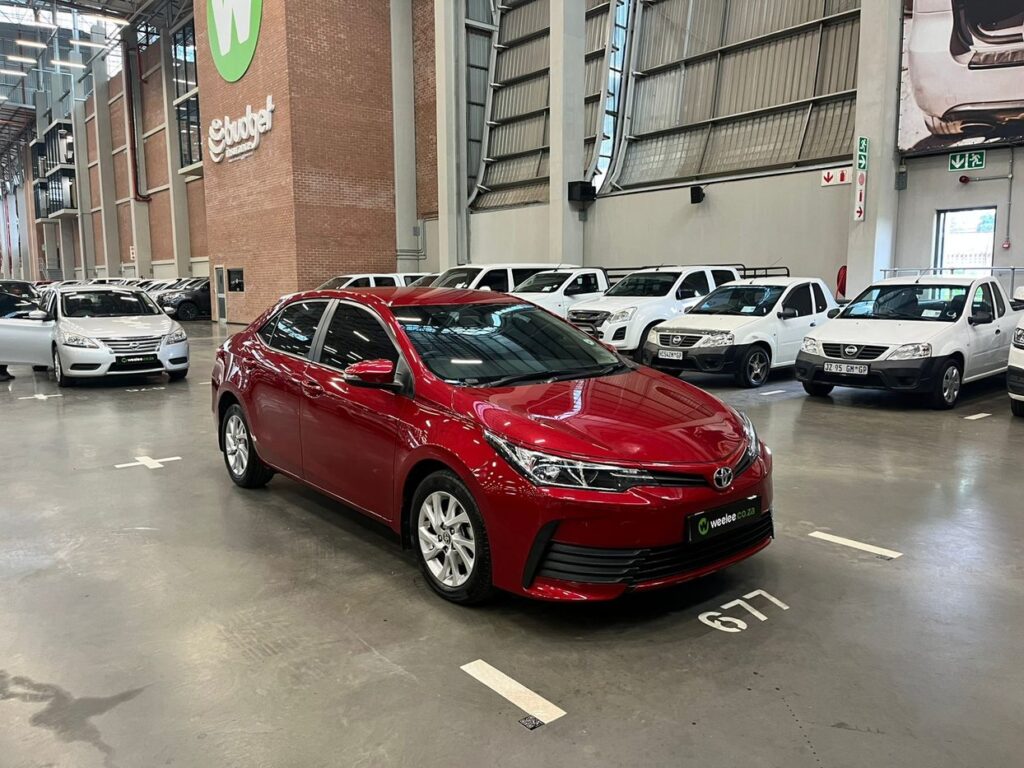
Quick Answer: Where Is the Toyota Corolla Manufactured in 2026?
In 2026, the Toyota Corolla is manufactured in several countries across the globe, including Japan, the United States, Brazil, China, Thailand, Taiwan, Pakistan, South Africa, and a number of other regional production centers. The exact manufacturing location depends on the model, trim level, and destination market.
Toyota’s global production strategy allows the company to efficiently supply one of the world’s most popular vehicles to millions of customers every year. Rather than relying on a single country for production, Toyota strategically places manufacturing facilities close to major markets. This approach reduces shipping expenses, shortens delivery times, and helps the company respond more effectively to changing consumer demand.
For example, many Corolla models sold in North America are assembled in the United States, while customers in Japan often receive vehicles built domestically. Meanwhile, buyers in Southeast Asia, South America, and Africa may receive Corollas produced in regional manufacturing facilities located closer to their markets.
Although production is spread across multiple countries, Toyota applies the same quality standards and manufacturing principles throughout its global network. As a result, Corolla buyers can expect a consistent ownership experience regardless of where their vehicle was assembled.
Why Toyota Manufactures the Corolla in Multiple Countries
The Toyota Corolla is one of the best-selling vehicles of all time, making global production a necessity rather than an option. With millions of units sold across numerous continents, manufacturing the Corolla in multiple countries enables Toyota to meet demand efficiently while maintaining competitive pricing.
One major reason for this strategy is proximity to customers. Producing vehicles closer to the markets where they are sold significantly reduces transportation costs. Instead of shipping every Corolla from Japan to destinations around the world, Toyota can manufacture vehicles regionally and deliver them more quickly.
Another important factor is import tariffs and trade regulations. Many countries impose taxes on imported vehicles, which can increase prices for consumers. By assembling vehicles locally, Toyota can often reduce these costs and keep the Corolla affordable for a broader audience.
Local production also strengthens supply chain resilience. Global events, shipping disruptions, and economic fluctuations can affect vehicle availability. Having multiple manufacturing facilities helps Toyota maintain stable production levels and minimize delays.
This global approach ultimately benefits consumers by providing greater availability, shorter waiting periods, and more competitive pricing while preserving the reliability that has made the Corolla a household name.
Toyota Corolla Manufacturing Plants Around the World
Toyota operates an extensive network of manufacturing facilities that contribute to Corolla production. Each facility serves specific regions and plays a vital role in supporting global demand.
Japan remains one of the most important Corolla production centers. Facilities such as the Takaoka Plant and Tsutsumi Plant have long histories of producing Corolla models for both domestic and international markets. These plants are often associated with Toyota’s engineering heritage and continue to manufacture vehicles that are exported worldwide.
In the United States, Toyota’s Blue Springs plant in Mississippi serves as a key production hub for North American Corolla models. The facility helps meet strong regional demand while reducing logistics costs and delivery times.
Brazil plays a crucial role in supplying Corolla models to South American customers. Local production allows Toyota to adapt to regional preferences and market conditions more effectively.
Thailand serves as a strategic manufacturing center for Southeast Asia. The country’s well-developed automotive industry supports both domestic sales and exports throughout the region.
China represents one of Toyota’s largest markets, and Corolla production there is carried out through partnerships with local automotive manufacturers. This approach enables Toyota to serve millions of Chinese consumers efficiently.
South Africa functions as an important production and export base for several African markets. Toyota has invested heavily in the region, making it a valuable component of the company’s global manufacturing network.
Together, these facilities ensure that Toyota can maintain a steady supply of Corolla vehicles while delivering the quality and reliability customers expect from the brand.
Where Is the Toyota Corolla Made for the U.S. Market?
For buyers in the United States, one of the most common questions is whether their Toyota Corolla was built in Japan or assembled domestically. In 2026, the majority of Toyota Corolla sedans sold in the U.S. market are produced at Toyota Motor Manufacturing Mississippi in Blue Springs, Mississippi.
This facility has become a cornerstone of Toyota’s North American production strategy. By manufacturing vehicles closer to American consumers, Toyota can respond more quickly to market demand, reduce transportation expenses, and maintain a more stable supply chain. The Mississippi plant produces hundreds of thousands of vehicles annually and plays a critical role in ensuring that Corolla remains readily available across dealerships nationwide.
Some Corolla variants and specialty models may still be imported from Japan or other production centers depending on market requirements and production allocation. As a result, two Corolla vehicles purchased in different regions of the United States could potentially originate from different manufacturing facilities.
Many consumers worry that a U.S.-built Corolla may not match the quality of a Japanese-built model. However, Toyota applies identical production standards, employee training programs, and quality control procedures throughout its global manufacturing network. This consistency helps ensure that customers receive the same dependable ownership experience regardless of where the vehicle was assembled.
Is the Toyota Corolla Still Made in Japan?
Yes, the Toyota Corolla continues to be manufactured in Japan in 2026. Despite the company’s extensive global production network, Japan remains one of the most important locations for Corolla manufacturing.
Toyota’s Japanese facilities have been producing Corolla models for decades and continue to serve both domestic and international markets. Certain trim levels, export models, and special production runs may originate from Japanese plants depending on regional demand and production planning.
Many automotive enthusiasts actively seek Japanese-built vehicles because of Japan’s long-standing reputation for manufacturing excellence. Some buyers believe that vehicles assembled in Japan offer superior attention to detail and craftsmanship. While this perception remains popular, Toyota’s modern production system is designed to deliver consistent quality across all facilities worldwide.
It is also important to understand that not every Corolla carrying a Toyota badge comes from Japan. The Corolla’s global popularity requires production to be distributed among numerous countries. This strategy allows Toyota to maintain efficient operations while keeping vehicle prices competitive.
For buyers who specifically want a Japanese-built Corolla, checking the vehicle identification number and manufacturing label is the most reliable method for confirming the country of origin.
Does Manufacturing Location Affect Quality?
One of the biggest concerns among car shoppers is whether manufacturing location has a direct impact on vehicle quality. In the case of the Toyota Corolla, the answer is generally no.
Toyota operates under a globally standardized manufacturing philosophy known as the Toyota Production System. This system focuses on efficiency, quality control, continuous improvement, and waste reduction. Every facility producing Corolla models is required to follow strict production guidelines and quality assurance procedures.
Employees receive extensive training, equipment is standardized, and production processes are continuously monitored to maintain consistency. Toyota also conducts regular audits and performance evaluations across its manufacturing facilities to ensure compliance with company standards.
Independent reliability studies and consumer reports consistently rank the Toyota Corolla among the most dependable vehicles available. These rankings typically include vehicles manufactured in various countries, further supporting the idea that Toyota’s quality standards remain consistent across its global operations.
That said, some buyers continue to prefer Japanese-built vehicles due to personal preference or perceived prestige. While there is nothing wrong with this preference, there is little evidence suggesting that modern Corolla models manufactured in the United States, Japan, or other Toyota facilities differ significantly in overall reliability, durability, or long-term ownership costs.
For most consumers, factors such as maintenance history, driving habits, and regular servicing will have a much greater impact on vehicle longevity than the country where the vehicle was assembled.
How to Check Where Your Toyota Corolla Was Built
If you are curious about where your Toyota Corolla was manufactured, there are several simple ways to find the answer. Whether you are shopping for a used vehicle, researching your current Corolla, or specifically looking for a model built in a particular country, identifying the manufacturing location is straightforward.
The easiest method is to check the Vehicle Identification Number (VIN). Every Toyota Corolla has a unique 17-character VIN that contains valuable information about the vehicle’s origin. The first character of the VIN indicates the country where the vehicle was manufactured. For example, a VIN beginning with “J” typically indicates a vehicle built in Japan. VINs beginning with “1,” “4,” or “5” generally indicate production in the United States, while a VIN starting with “2” often points to Canadian manufacturing.
Another reliable method is to inspect the certification label located inside the driver’s side door jamb. This label usually includes the vehicle’s manufacturing location and assembly information. In many cases, the country of origin is clearly printed, making it easy for owners to verify where the vehicle was built.
You can also contact a Toyota dealership and provide your VIN. Dealers have access to factory records and can confirm the exact production facility associated with your vehicle. This approach is particularly useful when purchasing a pre-owned Corolla and wanting complete verification of its manufacturing history.
Understanding your Corolla’s origin can provide additional insight into its production background, although it is important to remember that Toyota maintains similar quality standards across all of its manufacturing facilities worldwide.
Frequently Asked Questions
Is every Toyota Corolla made in Japan?
No. While Toyota continues to manufacture Corolla models in Japan, the vehicle is also produced in several other countries, including the United States, Brazil, China, Thailand, South Africa, and additional regional manufacturing hubs. The production location depends largely on the destination market and model configuration.
Where are most Toyota Corolla models sold in the United States manufactured?
Most Corolla sedans sold in the U.S. market are assembled at Toyota Motor Manufacturing Mississippi in Blue Springs, Mississippi. However, certain variants and limited production models may be imported from other facilities depending on demand and production planning.
Are Japanese-built Toyota Corollas better than those made elsewhere?
Toyota applies the same global manufacturing standards across all Corolla production facilities. While some buyers prefer Japanese-built vehicles for personal reasons, there is no substantial evidence showing significant differences in overall quality, reliability, or longevity among modern Corolla models produced in different countries.
How can I find out where my Toyota Corolla was built?
The most accurate way is to check the VIN number and the manufacturer’s label inside the driver’s door. Both sources provide information about the vehicle’s country of origin and can help identify the production facility.
Why does Toyota manufacture the Corolla in so many countries?
Toyota produces the Corolla in multiple locations to meet global demand efficiently, reduce shipping costs, minimize import tariffs, improve supply chain flexibility, and deliver vehicles to customers more quickly.
Conclusion
The Toyota Corolla remains one of the most successful vehicles ever produced, and its global manufacturing footprint reflects its worldwide popularity. In 2026, Corolla production spans multiple countries, including Japan, the United States, Brazil, China, Thailand, South Africa, and several other strategic manufacturing locations. This extensive network allows Toyota to serve regional markets efficiently while maintaining competitive pricing and consistent availability.
Although many buyers still associate the Corolla with Japan, modern production is truly global. Toyota’s manufacturing philosophy ensures that vehicles built in different countries adhere to the same rigorous standards for quality, safety, and reliability. As a result, consumers can purchase a Corolla with confidence regardless of where it was assembled.
For drivers who want to know the exact origin of their vehicle, checking the VIN number or the driver’s door label provides a quick and reliable answer. Whether your Corolla was built in Japan, Mississippi, Thailand, or another Toyota facility, it benefits from decades of engineering expertise and one of the most respected production systems in the automotive industry.
Have you checked where your Toyota Corolla was manufactured? Do you prefer a Japanese-built Corolla, or do you believe Toyota’s global quality standards make the production location less important? Share your thoughts and experiences in the comments below.
canada was missing. Why?