Few things are more frustrating than turning off your Toyota Corolla, preparing to leave your vehicle, and discovering that the key refuses to come out of the ignition. Whether you are parked at home, at work, or in a busy parking lot, a stuck key can quickly turn a routine trip into an unexpected problem.
Many Corolla owners immediately assume the worst, fearing an expensive repair or a damaged ignition system. However, the good news is that a key stuck in the ignition is often caused by a relatively simple issue. In many cases, the problem can be traced to the transmission not being fully shifted into Park, a steering wheel lock, a worn key, or a minor electrical fault. Understanding these common causes can help you resolve the issue quickly and avoid unnecessary repair costs.
Toyota Corolla models are known for their reliability, but like any vehicle, components such as the ignition cylinder, shift interlock system, and ignition switch can experience wear over time. Recognizing the warning signs early can prevent a minor inconvenience from becoming a more serious mechanical problem.
In this guide, we will explore the most common reasons a Toyota Corolla key gets stuck in the ignition, walk through practical troubleshooting steps, and explain when it is time to seek professional assistance. By the end, you will have a clear understanding of how to safely remove a stuck key and prevent the issue from happening again.
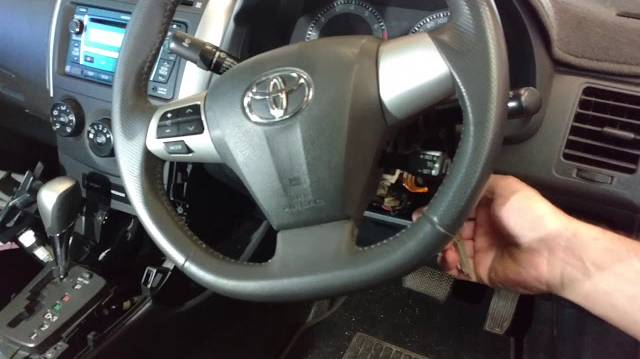
Why Does a Toyota Corolla Key Get Stuck in the Ignition?
A Toyota Corolla’s ignition system is designed with several safety mechanisms that work together to ensure the vehicle can only be turned off and secured under specific conditions. When everything functions properly, the key moves smoothly between positions and can be removed without difficulty. However, if any component within the system fails or does not communicate correctly with the others, the key may become trapped in the ignition.
The ignition system is connected to the transmission, steering wheel lock, ignition cylinder, battery, and various electrical components. Even a minor issue in one of these areas can prevent the key from returning to the position required for removal. While some causes are mechanical, others involve electronic systems that help ensure the vehicle is safely parked before the key can be removed.
Understanding the underlying cause is the first step toward finding the correct solution. Fortunately, many of the most common issues can be identified and resolved without specialized tools.
1. The Vehicle Is Not Fully Shifted Into Park
One of the most common reasons a Toyota Corolla key gets stuck in the ignition is that the transmission is not completely engaged in the Park position. Modern vehicles use a shift interlock system that prevents key removal unless the transmission confirms it is safely parked.
Sometimes the gear selector may appear to be in Park when it is actually sitting slightly between positions. This can happen due to normal wear, driver error, or a misadjusted shift linkage. When this occurs, the ignition system does not receive confirmation that the vehicle is fully parked, causing the key to remain locked in place.
Common signs of this issue include a gear selector that feels loose, dashboard indicators that display the wrong gear, or a key that refuses to move into the final removal position.
To fix the problem, firmly press the brake pedal and move the gear selector into Drive. Then shift it back into Park with a deliberate motion. Once the transmission is fully engaged, try removing the key again. In many cases, this simple procedure resolves the issue immediately.
2. Shift Lock Solenoid Failure
The shift lock solenoid plays a critical role in the communication between the transmission and the ignition system. This small electronic component helps verify that the vehicle is in Park and allows normal operation of the shifter and ignition lock mechanism.
Over time, the solenoid can wear out or fail due to electrical issues, corrosion, or general aging. When this happens, the ignition system may incorrectly assume that the vehicle is not safely parked, preventing the key from being released.
Drivers experiencing a faulty shift lock solenoid may notice that the shifter feels unusually stiff, fails to move smoothly, or does not produce the typical clicking sound when the brake pedal is pressed. In some cases, the key becomes intermittently stuck before eventually remaining trapped every time the vehicle is shut off.
If a shift lock solenoid problem is suspected, begin by checking related fuses and ensuring the vehicle’s battery is functioning correctly. If the issue persists, a professional inspection may be required to test and replace the faulty solenoid. Addressing the problem early can help prevent further complications within the ignition and transmission systems.
3. Steering Wheel Lock Pressure
Many Toyota Corolla owners are surprised to learn that the steering wheel can be responsible for a key becoming stuck in the ignition. This issue commonly occurs when the vehicle is parked with the wheels turned sharply to one side, especially on an incline or uneven surface.
When the engine is turned off, the steering wheel lock mechanism engages as a theft deterrent feature. If excessive pressure is placed on the steering components, the lock can bind against the ignition system. As a result, the key may not rotate fully into the position required for removal.
A clear sign of this problem is a steering wheel that feels locked or difficult to move. The key may also feel stuck when attempting to turn it toward the OFF or LOCK position.
Fortunately, this is usually one of the easiest problems to solve. Hold the steering wheel firmly and gently turn it left and right while simultaneously rotating the key. The goal is to relieve pressure on the locking mechanism. Once the tension is released, the key should rotate normally and come out of the ignition.
This issue does not typically indicate a damaged component, but repeatedly parking with the steering wheel under heavy tension can accelerate wear on the steering lock system over time.
4. Worn or Damaged Key
Vehicle keys experience daily wear from constant use. After years of being inserted, removed, dropped, and carried alongside other objects, the grooves and edges on a Toyota Corolla key can gradually become worn down.
The ignition cylinder relies on precise alignment between the key’s cuts and the internal locking pins. When the key becomes excessively worn, the pins may not align correctly. This can make the key difficult to turn, remove, or even insert into the ignition.
In many cases, drivers notice the problem becoming worse over time. The key may occasionally stick before eventually becoming trapped more frequently. Some owners discover that a spare key works perfectly while the primary key continues to cause issues.
Inspect the key closely for visible signs of wear, bending, cracks, or damaged teeth. If you have access to a spare key, test it in the ignition. If the spare key operates normally, the original key is likely the source of the problem.
Replacing a worn key is often one of the most affordable solutions to a stuck ignition problem. It can also prevent additional wear inside the ignition cylinder, potentially saving you from a much more expensive repair in the future. Using a damaged key for an extended period may eventually cause internal ignition components to wear prematurely, increasing the likelihood of more serious ignition system failures.
5. Ignition Lock Cylinder Wear
The ignition lock cylinder is one of the most heavily used components in your Toyota Corolla. Every time you start or shut off the vehicle, the key interacts with a series of small pins and tumblers inside the cylinder. After years of use, these internal parts can wear down, making it increasingly difficult for the key to move smoothly.
As the cylinder wears, the pins may no longer align correctly with the key. This can create resistance when turning the key or prevent it from returning fully to the LOCK position. In some cases, the key may become trapped inside the ignition without warning.
Drivers often notice warning signs before complete failure occurs. The key may feel rough when inserted, require extra force to turn, or become stuck occasionally before the problem becomes more frequent. Ignoring these symptoms can eventually lead to a situation where the vehicle cannot be started or the key cannot be removed at all.
A temporary solution may involve using a manufacturer-approved lock lubricant to improve movement within the cylinder. However, lubrication will not reverse mechanical wear. If the lock cylinder is significantly worn, replacement is usually the only permanent fix. Addressing the issue early can help avoid more extensive repairs and reduce the risk of becoming stranded due to ignition failure.
6. Weak or Dead Battery
Many drivers do not immediately associate a dead battery with a key stuck in the ignition, but modern Toyota Corolla models rely on electrical systems that can directly affect key removal. Certain ignition and shift interlock components require adequate battery voltage to operate correctly.
When the battery becomes weak or completely discharged, communication between these systems may be interrupted. As a result, the ignition mechanism may fail to release the key even though the engine has been turned off.
Signs of a battery-related issue often include dim dashboard lights, slow engine cranking, electrical accessories that stop functioning properly, or a vehicle that will not start. If these symptoms occur alongside a stuck key, the battery should be inspected as soon as possible.
Try jump-starting the vehicle or testing the battery with a voltage meter. If the battery is old or unable to maintain a proper charge, replacing it may immediately resolve the ignition issue. Maintaining a healthy battery not only improves reliability but also helps ensure that related electronic systems function as intended.
7. Faulty Ignition Switch
The ignition switch serves as the electrical control center for the vehicle’s starting and shutdown processes. When functioning correctly, it allows the key to move through various positions while managing power distribution to different vehicle systems.
Over time, internal electrical contacts within the ignition switch can wear out or become damaged. When this happens, the switch may fail to recognize that the vehicle has been turned off, preventing the key from returning to the position required for removal.
Symptoms of a failing ignition switch can vary widely. Some drivers experience intermittent starting problems, while others notice flickering dashboard lights, accessories that continue operating after the vehicle is shut off, or unusual electrical behavior. In more advanced cases, the key may become consistently stuck in the ignition.
Because ignition switch problems involve both electrical and mechanical systems, diagnosis can be more complex than other causes of a stuck key. If basic troubleshooting steps fail to solve the issue, professional testing is recommended. Replacing a defective ignition switch can restore normal operation and prevent additional damage to connected components.
8. Dirt or Debris Inside the Ignition Cylinder
Although it may seem like a minor issue, dirt and debris inside the ignition cylinder can interfere with the normal operation of the locking pins and tumblers. Over time, dust, lint, moisture, and small particles can accumulate inside the ignition slot, especially in vehicles that are frequently exposed to harsh weather conditions.
When debris builds up, the internal components may no longer move freely. This can cause the key to stick when inserted, become difficult to turn, or remain trapped in the ignition after the vehicle has been turned off.
Many drivers first notice that the key feels rough when entering the ignition or requires extra effort to remove. These symptoms often worsen gradually as contamination increases.
A simple cleaning may resolve the issue. Use compressed air to blow debris out of the ignition slot and apply a dry graphite lubricant designed specifically for lock cylinders. Avoid using oil-based lubricants, as they can attract additional dirt and create even more buildup over time.
If cleaning does not improve operation, internal damage or wear may be present, requiring further inspection by a qualified technician.
Step-by-Step Guide to Remove a Stuck Toyota Corolla Key
When your key becomes stuck in the ignition, it is important to remain calm and avoid forcing it. Applying excessive pressure can damage both the key and the ignition cylinder, potentially leading to a more expensive repair.
Start by confirming that the transmission is fully shifted into Park. Press the brake pedal firmly and move the gear selector into Drive before shifting it back into Park. Once complete, attempt to remove the key.
Next, check whether the steering wheel is locked. If the wheel feels tight or refuses to move, gently turn it left and right while carefully rotating the key toward the LOCK position.
Inspect the vehicle’s battery condition. If dashboard lights appear dim or the vehicle struggles to start, a weak battery may be preventing proper operation of the ignition release system. Jump-starting the vehicle or charging the battery may solve the problem.
If you have a spare key available, test it in the ignition. A worn or damaged key is often responsible for intermittent sticking problems.
Examine the original key for signs of wear, bending, or damage. Even slight deformation can affect alignment inside the ignition cylinder.
If the ignition feels rough or sticky, use compressed air to clean the key slot and apply a small amount of dry graphite lubricant.
Should the key remain stuck after completing these steps, professional diagnosis is recommended. Continuing to force the key can cause further damage and increase repair costs.
When a Stuck Key Indicates a More Serious Problem
While many ignition issues can be resolved quickly, some situations point to deeper mechanical or electrical failures that should not be ignored.
One major warning sign is a key that becomes stuck repeatedly. If the problem continues to occur despite troubleshooting efforts, an underlying component is likely deteriorating.
Difficulty starting the vehicle can also indicate a failing ignition switch or worn ignition cylinder. If the key frequently sticks and the engine occasionally refuses to start, both symptoms may be connected.
Electrical abnormalities deserve immediate attention. Flickering dashboard lights, malfunctioning accessories, or unexpected power loss may signal a faulty ignition switch affecting multiple vehicle systems.
Another serious concern is overheating around the ignition area. Excessive heat can indicate electrical resistance within the ignition switch and should be inspected promptly.
If part of the key breaks off inside the ignition cylinder, avoid attempting removal with improvised tools. Improper extraction methods can damage the cylinder and significantly increase repair costs.
Recognizing these warning signs early can prevent a minor inconvenience from escalating into a major repair. In many cases, timely intervention saves both money and frustration while helping maintain the long-term reliability of your Toyota Corolla.
Toyota Corolla Ignition Repair Costs
The cost of repairing a Toyota Corolla key stuck in the ignition can vary depending on the root cause of the problem, the model year of the vehicle, and local labor rates. Fortunately, some issues can be resolved with minimal expense, while others may require replacement of key ignition components.
A worn or damaged key is often the least expensive repair. Depending on whether a standard or transponder key is required, replacement costs typically range from $20 to $150.
Battery-related issues generally cost between $100 and $300, including both parts and installation. If a weak battery is preventing the ignition release mechanism from functioning properly, replacing the battery may completely solve the problem.
Repairs involving the shift lock solenoid usually range from $150 to $400. Costs depend on the accessibility of the component and labor requirements.
If the ignition switch is faulty, replacement expenses typically fall between $200 and $600. The exact amount depends on the complexity of the vehicle’s electrical system and whether additional programming is required.
A worn ignition lock cylinder is often one of the more expensive repairs. Replacement costs generally range from $250 to $800, especially if rekeying or anti-theft system integration is necessary.
Locksmith services may cost anywhere from $75 to $250 for key extraction, lock repair, or emergency assistance. In some situations, a locksmith can provide a faster and more affordable solution than a dealership.
Obtaining multiple estimates before authorizing major repairs can help ensure you receive a fair price and avoid unnecessary expenses.
How to Prevent a Toyota Corolla Key from Getting Stuck Again
Although some ignition issues are unavoidable as components age, many cases can be prevented through proper vehicle maintenance and driving habits.
Always make sure the transmission is fully shifted into Park before turning off the engine and removing the key. Rushing through this step can increase stress on the shift interlock system and contribute to future problems.
Avoid using heavy keychains. Excessive weight hanging from the ignition key can place constant strain on the ignition cylinder and accelerate wear over time.
Replace worn keys as soon as signs of damage become visible. A key with rounded edges, cracks, or bending can damage the ignition cylinder and increase the likelihood of sticking.
Keep the ignition area clean. Dust, dirt, and debris can accumulate inside the lock cylinder and interfere with smooth operation. Periodic cleaning with compressed air can help maintain proper function.
Pay attention to early warning signs such as rough key movement, difficulty turning the ignition, or occasional sticking. Addressing these issues promptly can prevent more costly repairs later.
Regular battery maintenance is equally important. A healthy battery supports the electrical systems that help control key release functions in many modern Corolla models.
By taking these simple preventive measures, drivers can significantly reduce the chances of experiencing a stuck key and extend the life of their ignition components.
Conclusion
Discovering a Toyota Corolla key stuck in the ignition can be frustrating, especially when you are in a hurry or unsure of what caused the problem. Fortunately, the issue is often linked to common and manageable factors such as an improperly engaged Park position, steering wheel lock pressure, a worn key, dirt inside the ignition cylinder, or a weak battery.
Understanding how the ignition system works allows you to identify the source of the problem more quickly and apply the appropriate solution. In many situations, simple troubleshooting steps can restore normal operation without the need for expensive repairs.
However, recurring ignition problems should never be ignored. Components such as the ignition switch, lock cylinder, and shift interlock system naturally wear over time and may eventually fail if left unaddressed. Early diagnosis can prevent larger mechanical issues, reduce repair costs, and help avoid unexpected breakdowns.
By following the maintenance and prevention tips outlined in this guide, Toyota Corolla owners can improve vehicle reliability and minimize the risk of future ignition-related problems. Whether the solution is a simple adjustment or a professional repair, taking action promptly is the best way to keep your Corolla operating safely and smoothly for years to come.