Tesla not defogging the windshield is usually caused by incorrect Climate Control settings, excessive cabin moisture, restricted airflow, or problems with the vehicle’s HVAC system. When the windshield remains foggy, visibility decreases and driving safety can be affected, especially during cold weather, rain, or sudden temperature changes.
The Tesla defogging system works by controlling airflow, temperature, humidity, and air conditioning functions to remove condensation from the windshield. Most fogging problems can be resolved by adjusting the climate settings, enabling the correct defrost mode, or improving moisture control inside the cabin.
This guide explains why a Tesla windshield is not defogging, the most common causes behind the issue, and the troubleshooting steps owners can follow before contacting Tesla Service. It also covers how HVAC components, cabin air filters, and environmental conditions influence Tesla’s ability to maintain clear windshield visibility.
Why is my Tesla not defogging the windshield?
A Tesla windshield is not defogging because the defogging system cannot remove moisture from the glass effectively. The most common causes are incorrect Climate Control settings, high cabin humidity, limited airflow, temperature differences between the inside and outside of the vehicle, or problems with HVAC components. Identifying the exact cause helps Tesla owners apply the correct solution instead of repeatedly adjusting random climate settings.
Windshield fogging happens when warm, humid air inside the cabin contacts the colder windshield surface. The moisture in the air condenses into small water droplets that reduce visibility. This process is common during rain, cold weather, or when passengers bring moisture into the vehicle through wet clothing, shoes, or floor mats. Tesla’s HVAC system must control both temperature and humidity to prevent this condensation from building up.
One of the most common reasons a Tesla does not defog properly is an incorrect Climate Control configuration. The vehicle may continue circulating humid cabin air if Recirculation mode remains active, especially when the interior contains excess moisture. Enabling the correct defrost function allows Tesla to direct airflow toward the windshield and use temperature control to remove condensation more efficiently.
The Tesla Climate Control system uses several functions that affect windshield visibility, including Front Defrost, air conditioning, airflow direction, fan speed, and temperature adjustment. Each function has a specific role. Front Defrost increases airflow toward the windshield, while the air conditioning system helps remove moisture from the cabin air even when heating is required.
Cabin humidity is another major factor that affects Tesla defogging performance. A vehicle with wet floor mats, damp seats, or water trapped inside the cabin requires more HVAC effort to maintain a clear windshield. For example, a Tesla parked overnight after driving in heavy rain may develop more windshield condensation because the moisture remains inside the cabin and evaporates when the vehicle warms up.
Restricted airflow can also prevent effective defogging. A dirty cabin air filter reduces the amount of air passing through the HVAC system, which limits the system’s ability to move dry air toward the windshield. When airflow decreases, the defrost function may operate normally but take much longer to clear the glass.
Environmental conditions also influence how quickly Tesla can remove windshield fog. Cold outdoor temperatures create a larger temperature difference between the windshield surface and cabin air, increasing condensation risk. In winter conditions, the Tesla heat pump and HVAC system must work harder to maintain cabin temperature while removing moisture from the glass.
Understanding these causes helps Tesla owners choose the correct troubleshooting method. A foggy windshield does not always indicate a mechanical failure because most cases result from climate settings, humidity, or airflow conditions. However, repeated fogging after using the correct settings may indicate a deeper HVAC or sensor-related problem that requires further inspection.
How do you fix a Tesla that is not defogging?
A Tesla that is not defogging can usually be fixed by adjusting the Climate Control settings, improving airflow, and removing excess moisture from the cabin. The correct troubleshooting process starts with the simplest solutions, such as activating Front Defrost, before moving to deeper checks involving the HVAC system, cabin air filter, or software.
The first step is to activate Tesla’s Front Defrost function from the Climate Control screen. This setting directs stronger airflow toward the windshield and increases the temperature of the air reaching the glass. The system is designed to reduce condensation by warming the windshield surface and removing moisture from the air passing through the HVAC system.
Adjusting the cabin temperature is also important when the Tesla windshield remains foggy. A very cold cabin creates a larger temperature difference between the interior air and the windshield surface, which encourages condensation. Increasing the cabin temperature gradually allows the HVAC system to balance the interior environment and clear the glass more effectively.
The air conditioning system should remain enabled when removing windshield fog, even when the cabin needs heating. The A/C system does not only cool the vehicle; it also removes moisture from the air. Dry air from the HVAC system helps prevent water vapor from condensing on the windshield.
Tesla owners should also check the air circulation setting when defogging problems occur. Recirculation mode keeps existing cabin air inside the vehicle, which can increase humidity when moisture is already present. Switching to fresh air intake allows the system to bring in drier outside air and improves moisture removal from the cabin.
Airflow direction and fan speed directly affect defogging performance. The windshield requires sufficient airflow to transfer heat and remove condensation. If the fan speed is too low or airflow is directed away from the windshield, the defrost system may take longer to clear visibility.
Restarting the Tesla HVAC system can resolve temporary climate control problems caused by software or system communication issues. A basic reset allows the vehicle’s climate components to restart their operating cycle. Tesla vehicles receive software updates that can modify vehicle functions, including climate control behavior, so checking for available updates is also part of basic troubleshooting.
If these adjustments do not solve the problem, Tesla owners should inspect physical factors that affect HVAC performance. A blocked air vent, dirty cabin air filter, or excessive moisture inside the vehicle can reduce the system’s ability to remove fog from the windshield.
Following these troubleshooting steps helps separate normal condensation issues from possible mechanical problems. If the Tesla windshield continues fogging despite correct Climate Control settings and proper airflow, the issue may involve HVAC components that require professional inspection.
What causes Tesla defrost to stop working?
A Tesla defrost system can stop working effectively because of problems with airflow, HVAC components, cabin air filtration, or software control. When the windshield remains foggy after enabling Defrost mode, the issue may not come from the defrost button itself but from the system components responsible for producing warm, dry airflow.
One common cause is a dirty cabin air filter that restricts airflow through the Tesla HVAC system. The cabin air filter removes dust, pollutants, and particles before air enters the vehicle cabin. When the filter becomes clogged, the HVAC system cannot move enough air toward the windshield, reducing the effectiveness of defogging and defrosting.
Reduced airflow affects the defrost process because removing condensation requires a consistent supply of conditioned air. For example, a Tesla with a heavily restricted cabin filter may still display that Front Defrost is active, but the windshield may clear slowly because insufficient air reaches the glass surface.
The Tesla heat pump and HVAC system can also affect windshield defogging performance, especially in cold weather. The heat pump manages temperature regulation by transferring heat between different parts of the vehicle system. When temperatures drop significantly, the system must balance cabin heating, battery efficiency, and moisture removal at the same time.
A problem with the heat pump, air conditioning components, or HVAC controls can reduce the vehicle’s ability to create the warm and dry airflow required for windshield visibility. Owners may notice additional symptoms such as inconsistent cabin temperature, weak airflow, unusual HVAC noises, or slower heating performance.
Software issues are another possible cause of Tesla defrost problems. Tesla vehicles rely heavily on software to control climate functions, sensors, and system communication. A temporary software issue can affect how Climate Control responds to user commands, causing functions such as Defrost mode or airflow adjustment to behave incorrectly.
Checking for Tesla software updates is an important troubleshooting step because updates may include improvements or fixes for vehicle systems. Restarting the vehicle can also refresh communication between electronic control modules and restore normal Climate Control operation.
Temperature and humidity sensors can also influence Tesla defrost performance. The HVAC system uses sensor information to determine how much heating, cooling, and airflow are required. If a sensor provides inaccurate readings, the system may not respond correctly to changing cabin conditions.
When diagnosing Tesla defrost problems, owners should check the simplest factors first: cabin air filter condition, airflow strength, climate settings, and software status. If these checks do not resolve the issue, the problem may involve a component failure within the HVAC system that requires professional inspection.
Why does my Tesla windshield keep fogging after defrost?
A Tesla windshield keeps fogging after using Defrost mode because moisture remains inside the cabin or the HVAC system cannot remove humidity effectively. Defrost clears condensation that is already visible on the glass, but continuous fogging usually indicates an ongoing moisture source, incorrect climate settings, or conditions that allow condensation to form again.
Cabin humidity is the primary reason a Tesla windshield may continue fogging after defrost. Moisture enters the vehicle through wet shoes, rainwater, snow, damp clothing, or wet floor mats. When the cabin warms up, this moisture evaporates into the air and increases humidity levels, creating conditions where condensation forms on the colder windshield surface.
Wet floor mats are a common source of recurring windshield fogging because they store water inside the vehicle. For example, a Tesla driven during heavy rain may appear dry after the trip, but moisture trapped in the carpet or mats can continue evaporating for hours. The HVAC system then needs to remove this additional moisture before the windshield remains clear.
The condition of the windshield surface also affects how easily fog appears. Dirt, fingerprints, oil residue, and interior contaminants create a surface where water droplets can attach more easily. A clean windshield allows moisture to spread more evenly and makes the defogging process more effective.
Incorrect Climate Control settings can also cause repeated fogging after using Defrost mode. Keeping Recirculation mode active for extended periods may trap humid air inside the cabin. While recirculated air can help maintain temperature efficiency, it is less effective when the main problem is excess moisture.
Weather conditions strongly influence Tesla windshield fogging. Cold temperatures increase the chance of condensation because the windshield surface becomes colder than the humid air inside the cabin. During winter driving, rain, snow, or rapid temperature changes can create a situation where the HVAC system must continuously manage both cabin comfort and windshield visibility.
Preventing repeated fogging requires controlling moisture before condensation develops. Tesla owners should remove wet items from the cabin, allow fresh air circulation when needed, clean the windshield regularly, and maintain the HVAC system. These steps reduce the amount of moisture the defogging system needs to remove.
If the windshield continues fogging even after proper Climate Control settings, dry cabin conditions, and normal HVAC operation, the issue may indicate a problem with airflow, sensors, or other climate system components. Persistent fogging should be investigated because clear windshield visibility is a safety requirement during driving.
How can you prevent Tesla windshield fogging?
Preventing Tesla windshield fogging requires controlling cabin moisture, maintaining the HVAC system, and using Climate Control settings correctly. The best prevention strategy is to reduce the amount of water vapor inside the vehicle before condensation forms on the windshield.
Keeping the Tesla cabin dry is the most effective way to prevent repeated fogging. Moisture from wet shoes, rain jackets, umbrellas, snow, and damp floor mats increases humidity inside the vehicle. When this humid air reaches a cold windshield, condensation forms quickly and reduces visibility.
Removing moisture sources from the cabin helps the HVAC system work more efficiently. Tesla owners should regularly check floor mats, especially during rainy or snowy seasons, because trapped water can continue evaporating after the vehicle appears dry. A small amount of moisture left inside the cabin can create repeated fogging problems during temperature changes.
Cleaning the inside surface of the windshield also improves visibility and reduces condensation buildup. Dust, oils from hands, and interior residue create a surface where water droplets attach more easily. A clean windshield allows airflow from the defrost system to remove moisture more consistently.
Using Tesla Climate Control correctly helps maintain clear glass during different driving conditions. Drivers should avoid keeping Recirculation mode active when the cabin air becomes humid because recycled air contains the existing moisture inside the vehicle. Switching to fresh air intake allows the HVAC system to introduce drier air and remove humidity more effectively.
Regular HVAC maintenance is another important prevention method. The cabin air filter should be inspected and replaced according to Tesla’s maintenance recommendations because restricted airflow reduces the system’s ability to control humidity and maintain windshield clarity. A properly functioning HVAC system provides consistent airflow and temperature control.
Pre-conditioning the Tesla before driving can also reduce windshield fogging in cold conditions. Allowing the vehicle to warm the cabin and activate climate functions before departure gives the HVAC system time to balance temperature and remove initial condensation from the glass.
Preventing windshield fogging is not only about comfort but also driving safety. A clear windshield provides better visibility, reduces driver distraction, and allows Tesla safety features such as cameras and driver assistance systems to operate in better conditions. Maintaining low cabin humidity and proper HVAC operation helps the defogging system perform reliably over time.
When should you contact Tesla Service for defogging problems?
You should contact Tesla Service for defogging problems when the windshield remains foggy despite correct Climate Control settings, proper airflow, and normal moisture management. A Tesla defogging issue that continues after basic troubleshooting may indicate a problem with the HVAC system, sensors, airflow components, or vehicle software.
The first warning sign is when Front Defrost does not produce noticeable airflow toward the windshield. The defrost function depends on the HVAC system delivering conditioned air through the correct vents. If the airflow is weak, inconsistent, or completely absent, the problem may involve a blocked vent, blower motor issue, or HVAC control malfunction.
Another reason to seek professional inspection is when the Tesla cannot maintain normal cabin temperature while attempting to remove fog. The defogging system requires coordinated operation between heating, air conditioning, and airflow management. If the vehicle struggles to produce warm or dry air, the HVAC system may not be operating correctly.
Repeated windshield fogging after using the correct settings is also a sign that further diagnosis may be necessary. A properly functioning Tesla Climate Control system should reduce condensation when Defrost mode, airflow, and temperature settings are used correctly. If moisture continues appearing on the glass without an obvious source, the vehicle may have an underlying humidity control or sensor issue.
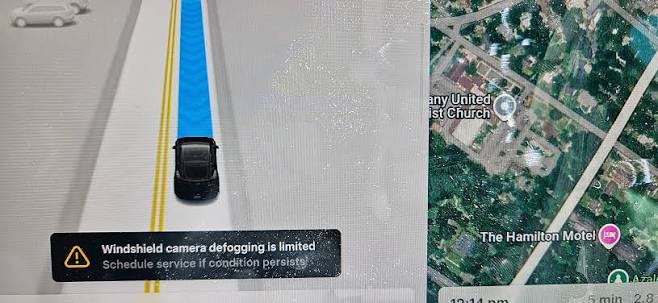
Tesla owners should also contact service when the vehicle displays climate-related warning messages or unusual HVAC behavior. Examples include unexpected temperature changes, abnormal sounds from the climate system, delayed heating performance, or Climate Control functions that do not respond normally through the touchscreen.
Before scheduling service, owners should document the conditions when the problem occurs. Important details include outside temperature, weather conditions, selected Climate Control settings, whether Recirculation was active, and whether the issue happens on specific Tesla models such as Model 3, Model Y, Model S, or Model X. This information helps technicians identify patterns and diagnose the system more efficiently.
Professional inspection is especially important because Tesla vehicles integrate climate control with multiple electronic systems. The HVAC system, sensors, software controls, and vehicle computers work together to maintain cabin comfort and windshield visibility. A technician can determine whether the problem requires a software update, component repair, or replacement.
A clear windshield is essential for safe driving because reduced visibility increases risk in rain, snow, and cold weather conditions. When basic troubleshooting does not restore normal defogging performance, contacting Tesla Service is the correct step to ensure the vehicle’s climate system operates safely and reliably.
How to Fix Tesla Not Defogging: Causes and Solutions
A Tesla windshield that does not defog properly is usually caused by climate settings, cabin moisture, airflow limitations, or HVAC-related problems rather than a single defrost failure. Most cases can be resolved by activating Front Defrost, adjusting temperature and airflow settings, reducing cabin humidity, and maintaining key components such as the cabin air filter.
The Tesla defogging system depends on multiple components working together, including the HVAC system, air conditioning function, airflow controls, and temperature sensors. Understanding how these systems interact helps owners identify whether the issue is caused by normal condensation or a deeper vehicle problem.
Preventing repeated windshield fogging requires consistent moisture control inside the cabin. Keeping the interior dry, using Climate Control correctly, cleaning the windshield, and maintaining HVAC performance all improve visibility and reduce the chance of recurring condensation.
If a Tesla continues fogging after proper troubleshooting, the problem may require professional diagnosis. Persistent issues involving airflow, temperature control, warning messages, or HVAC performance should be inspected by Tesla Service to ensure the vehicle maintains safe windshield visibility.