The L79 Engine Specs are still widely searched by car enthusiasts today. This engine represents a key moment in Chevrolet performance history. The Chevrolet 327 350HP small block V8 delivered strong power in a simple mechanical design. It became one of the most respected engines of the muscle car era.
Chevrolet built the L79 engine for drivers who wanted high performance without complexity. The engine focused on horsepower, torque, and reliability. It used a lightweight small block design that improved speed and handling. This made it popular in both street cars and performance models.
Many online sources confuse the L79 with other 327 engine versions. This creates unclear or incomplete information. This article explains the L79 Engine Specs in a clear and structured way. You will understand its design, performance, and real world capability.
We will break down each technical detail step by step. This includes horsepower, torque, compression ratio, and engine configuration. We will also explain how it performed in classic Chevrolet vehicles.
By the end, you will understand why the L79 engine remains important in automotive history. It continues to attract collectors, restorers, and muscle car enthusiasts around the world.
What Is the L79 Engine?
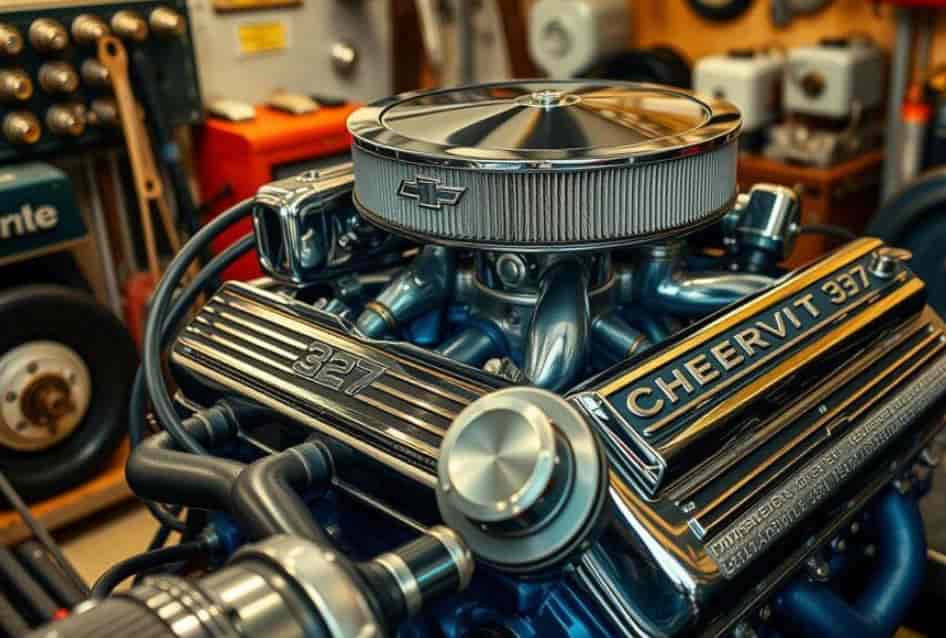
The L79 engine is a high performance version of Chevrolet’s 327 small block V8. Chevrolet designed it for drivers who wanted stronger power without moving to a big block engine. It sits in the middle of the 1960s performance lineup and focuses on balance between speed, weight, and reliability.
Chevrolet used the L79 as a factory performance upgrade. It delivered more horsepower than standard 327 engines. Engineers achieved this by improving airflow, compression, and fuel delivery. The result was a compact engine that produced strong acceleration and responsive throttle behavior.
The L79 belongs to the Chevrolet small block V8 family. This engine family became one of the most successful designs in automotive history. The small block architecture uses a lightweight iron block and a simple pushrod valvetrain. This design improves durability and makes the engine easier to maintain.
The L79 engine also played an important role in Chevrolet performance cars. It appeared in select Corvette and Camaro models during the muscle car era. These vehicles used the engine to deliver strong straight line performance while keeping the car relatively lightweight.
Enthusiasts value the L79 because it delivers factory rated high output without complex modifications. It represents a period when performance came directly from mechanical engineering rather than electronic systems.
The L79 Engine Specs therefore reflect a clear philosophy. Chevrolet focused on power, simplicity, and driving excitement in a compact V8 package.
L79 Engine Specs: Complete Technical Specifications
The L79 Engine Specs define one of the most powerful versions of the Chevrolet 327 small block V8. Chevrolet designed this engine to deliver high output while keeping a compact and lightweight structure. It combined strong internal components with efficient fuel and air delivery systems.
The engine has a displacement of 327 cubic inches. This equals about 5.4 liters in modern measurement. Chevrolet paired this displacement with a high compression ratio of 11.0 to 1. This high compression helped increase power output and throttle response.
The L79 uses a four barrel carburetor system. This setup improves air and fuel mixing at high engine speeds. It also supports stronger combustion during acceleration. The engine uses a hydraulic lifter valvetrain with a pushrod design. This keeps the structure simple and durable.
Chevrolet rated the L79 at 350 horsepower. This number was very high for a small block engine in the 1960s. The torque output reached around 360 lb ft. This gave the engine strong mid range acceleration and responsive power delivery.
The bore and stroke measure 4.00 inches by 3.25 inches. This oversquare design allows the engine to reach higher RPM levels more efficiently. It also improves breathing at high speeds.
The L79 uses a cast iron block and cylinder heads. This increases durability under high performance use. The ignition system relies on a mechanical distributor that controls spark timing.
The L79 Engine Specs show a clear focus on performance engineering. Chevrolet balanced high horsepower with lightweight construction and simple mechanical design. This combination made the engine one of the most respected small block V8 units of its time.
Power and Performance Characteristics
The L79 engine delivers strong performance for a small block V8. Chevrolet tuned this engine to produce high horsepower while maintaining fast throttle response. This combination made it one of the most exciting factory engines of its era.
The engine produces 350 horsepower at high RPM. This power output gives the L79 strong acceleration in both city and highway driving. The engine also delivers around 360 lb ft of torque. This torque curve supports quick mid range power, which improves real driving performance.
The L79 engine performs best at higher engine speeds. It feels most responsive when the RPM rises above the mid range. Drivers experience strong pulling power as the engine reaches its optimal operating range. This behavior makes it popular among performance enthusiasts.
Chevrolet designed the L79 to balance power and weight. The lightweight small block structure improves vehicle handling. Cars equipped with this engine feel more agile compared to heavier big block alternatives. This improves cornering and overall driving control.
The engine also benefits from efficient airflow design. The four barrel carburetor supports strong fuel delivery during acceleration. This helps maintain consistent power under load.
The L79 Engine Specs reflect a performance philosophy focused on real driving feel rather than only numbers. The engine delivers power in a linear and predictable way. This makes it easier for drivers to control the vehicle at high speed.
Many enthusiasts still value this engine because it combines mechanical simplicity with strong performance output. It represents a period when engineering focused directly on driving excitement.
Engineering Design of the Chevrolet Small Block V8
The L79 engine is part of Chevrolet’s small block V8 family. This engine design became one of the most influential architectures in automotive history. Chevrolet focused on creating a compact engine that delivers strong power and long term durability.
The small block V8 uses a cast iron engine block. This material improves strength and heat resistance. It also supports high performance operation under sustained load. The compact size reduces overall vehicle weight. This improves acceleration and handling in performance cars.
The engine uses a pushrod valvetrain system. This design keeps the engine mechanically simple. It reduces moving parts and improves reliability. It also makes maintenance easier compared to overhead cam systems.
Chevrolet designed the cylinder heads for efficient airflow. The intake and exhaust ports support better combustion at higher RPM. This improves both horsepower and throttle response. The design also helps the engine breathe more efficiently under load.
The lubrication system supports high performance driving. It maintains stable oil pressure during acceleration and cornering. This protects internal components from wear during extended use.
Chevrolet engineers also focused on cooling efficiency. The engine block includes cooling passages that help regulate temperature. This reduces the risk of overheating during aggressive driving.
The L79 Engine Specs reflect this engineering philosophy. Every component focuses on balancing power, durability, and simplicity. This is why the small block V8 became a foundation for many Chevrolet performance engines.
The design also allows flexibility for different vehicle applications. Manufacturers could install the engine in lightweight sports cars or larger performance models without major changes.
Applications in Classic Muscle Cars
The L79 engine saw limited but important use in Chevrolet performance cars. It was not a mass production engine. Chevrolet reserved it for specific high performance models. This strategy helped maintain its reputation as a powerful factory option.
One of the most notable applications was in the Chevrolet Corvette. The L79 engine appeared in the mid 1960s Corvette lineup. It gave the car strong acceleration and improved top end performance. Drivers experienced a lightweight sports car with serious V8 power. This combination made it highly desirable among performance buyers.
Chevrolet Corvette (C2) also benefited from the L79 setup. The second generation Corvette used the engine to enhance its racing inspired character. The engine improved straight line speed while keeping the car responsive in handling. This balance helped the Corvette maintain its status as a true American sports car.
The L79 engine also appeared in the first generation Camaro. Chevrolet used it in select high performance trims. The engine gave the Camaro stronger competition capability against other muscle cars of the era. It improved both street performance and drag racing potential.
Chevrolet Camaro (First Generation) used the L79 to create a more aggressive driving experience. The lightweight body combined with 350 horsepower created strong acceleration. This made the Camaro a serious performance option in the muscle car market.
The L79 Engine Specs made it suitable for both sports cars and muscle cars. Chevrolet used it to bridge the gap between lightweight agility and raw engine power. This flexibility increased its value in performance history.
Even today, enthusiasts study these applications to understand how Chevrolet optimized engine placement and tuning for different platforms. The L79 remains a strong example of factory performance engineering during the muscle car era.
L79 Engine vs Other 327 Variants
The L79 engine stands out among Chevrolet 327 variants because it focuses on higher performance output. Chevrolet produced several versions of the 327 small block V8, each with different power levels and tuning goals. The L79 represents one of the most powerful factory options in this family.
Standard 327 engines produced lower horsepower compared to the L79. These base versions focused more on reliability and everyday drivability. They used milder cam profiles and lower compression ratios. This reduced stress on engine components but also limited peak performance.
The L79 engine increased compression to 11.0 to 1. It also used a more aggressive camshaft profile. These changes improved airflow and combustion efficiency. As a result, the engine delivered 350 horsepower, which was significantly higher than most other 327 variants.
Compared to the L76 version, the L79 often feels more performance focused in its tuning approach. Both engines belong to the same performance category, but they differ in setup and factory application. The L79 prioritizes a stronger mid range and higher RPM power delivery.
Fuel delivery also differs between variants. The L79 uses a four barrel carburetor optimized for high flow conditions. Lower tier 327 engines often use simpler carb setups. This affects throttle response and overall acceleration performance.
The L79 Engine Specs show a clear upgrade path within the 327 lineup. Chevrolet designed it as a high output option for performance focused buyers. It bridges the gap between standard small block engines and more aggressive racing oriented configurations.
This comparison highlights why the L79 remains one of the most respected versions of the 327 engine family. It delivers a balance of power, responsiveness, and factory reliability that few other variants achieved.
Reliability and Common Issues
The L79 engine is known for strong mechanical durability when it is maintained properly. Chevrolet built it on the proven small block V8 architecture, which already had a reputation for reliability. However, the higher performance tuning of the L79 also places more stress on internal components compared to standard 327 engines.
The engine performs best when regular maintenance is followed. Oil changes, valve adjustments, and ignition timing checks play an important role in long term stability. Neglecting these basic tasks can reduce performance and increase wear over time.
One common issue involves valve train wear. The L79 uses a hydraulic lifter system that can wear out under high RPM usage. When this happens, the engine may produce ticking noise or reduced performance. Proper lubrication helps reduce this risk.
Another area to monitor is engine heat. The higher compression ratio increases thermal load during aggressive driving. If the cooling system is not in good condition, overheating can occur. A well maintained radiator and water pump are important for stable operation.
Fuel quality also affects reliability. The engine was designed for higher octane fuel. Using low quality fuel can cause knocking and reduce efficiency. This may also impact long term engine health.
Despite these concerns, the L79 Engine Specs reflect a well balanced performance design. When maintained correctly, the engine can last for many years. Many original units still operate today in restored classic cars.
Enthusiasts value the L79 because it combines strong performance with proven small block durability. It remains a reliable choice within the muscle car engine family when properly cared for.
Tuning Potential and Aftermarket Upgrades
The L79 engine offers strong tuning potential because Chevrolet built it on a simple and durable small block V8 platform. This design makes it easier for enthusiasts to modify performance without losing reliability when upgrades are done correctly.
One of the most common upgrades is improving the carburetor system. The original four barrel setup already supports strong airflow, but modern performance carburetors can improve fuel delivery and throttle response. This helps the engine perform more efficiently at higher RPM ranges.
Camshaft upgrades are another popular modification. A more aggressive cam profile increases valve lift and duration. This improves airflow into the combustion chamber and raises horsepower output. However, tuning must stay balanced to avoid reducing drivability.
Ignition system upgrades also improve performance. Modern electronic ignition systems replace the original mechanical distributor. This provides more stable spark timing and better combustion efficiency. It also improves starting reliability and overall engine smoothness.
Exhaust system upgrades help the engine breathe more freely. High flow headers and performance exhaust systems reduce back pressure. This increases horsepower and enhances engine sound, which many enthusiasts value in muscle cars.
The L79 Engine Specs support these modifications because the engine has strong internal structure. The cast iron block and forged components handle increased power levels when upgrades are properly matched.
Engine rebuilds also offer significant performance gains. Builders often increase compression or improve internal balancing during restoration. These changes can push performance beyond factory ratings while maintaining classic character.
The L79 remains popular in the aftermarket community because it responds well to upgrades. It combines classic engineering with flexibility for modern performance improvements.
Legacy of the L79 Engine in Muscle Car History
The L79 engine holds a strong place in American muscle car history. Chevrolet designed it during a time when performance engineering focused on mechanical power and driver experience. This engine represents that philosophy in a clear and effective way.
The L79 Engine Specs show how Chevrolet balanced power and simplicity. The engine delivered 350 horsepower from a compact small block design. This level of performance made it one of the most respected factory engines of its time. It also helped define what a high performance street engine could be in the 1960s.
The engine influenced how enthusiasts viewed the Chevrolet small block V8 family. It proved that a lightweight engine could still produce serious power. This changed expectations for performance cars and pushed competitors to improve their own designs.
Collectors and restorers still value the L79 today. It remains a desirable engine in classic Chevrolet builds. Original engines are rare, which increases their historical and financial value. Many restored vehicles highlight the L79 as a key performance feature.
The engine also plays an important role in automotive education. It helps explain how mechanical engineering evolved before electronic control systems became standard. This makes it a useful reference for understanding classic performance design.
The legacy of the L79 is not only about horsepower. It is about balance between engineering simplicity, reliability, and driving excitement. This combination is what keeps the engine relevant among enthusiasts today.
Conclusion
The L79 engine remains one of the most important versions of the Chevrolet 327 small block V8. It delivered strong performance, simple engineering, and reliable operation in a compact design. These qualities made it a standout option during the muscle car era.
The L79 Engine Specs highlight why this engine continues to attract attention. It offers a clear example of how Chevrolet achieved high horsepower without complex technology. The engine balanced power, durability, and driving enjoyment in a way that still feels relevant today.
Understanding this engine helps explain the evolution of American performance cars. It shows how engineering decisions shaped driving experiences in the past and influenced future designs.
The L79 continues to hold value among collectors, restorers, and enthusiasts. Its legacy remains strong because it represents a pure form of mechanical performance that is increasingly rare in modern automotive design.