The 6.0 Vortec Engine Problems concern many Chevrolet and GMC owners who depend on these engines for daily driving, towing, and long distance use. The 6.0 Vortec engine delivers strong power and solid durability. However, it still develops mechanical issues as mileage increases.
Most 6.0 Vortec Engine Problems do not appear suddenly. The engine usually shows early warning signs first. Drivers may notice rough idling, unusual noises, higher oil use, or rising engine temperatures. Many people ignore these signs, which leads to more serious damage later.
This guide explains the most common problems in a clear and practical way. It covers what fails, why it fails, and how to fix it effectively. The goal is not only to describe symptoms but also to help you understand the real causes inside the engine system.
You can use this information whether you already own a vehicle with this engine or plan to buy one. Early understanding helps you avoid expensive repairs and keeps the engine running longer with proper maintenance and timely action.
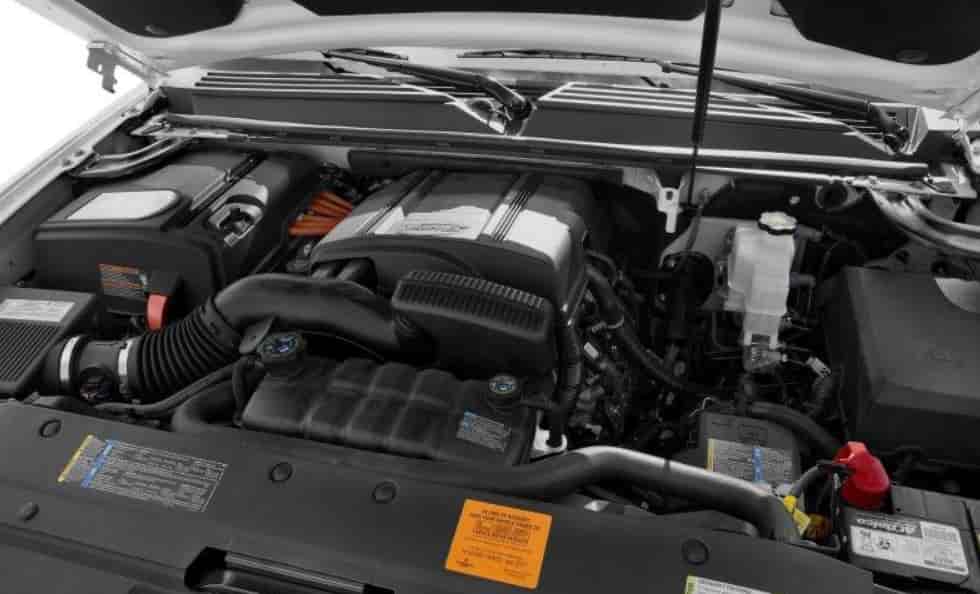
WHAT IS THE 6.0 VORTEC ENGINE?
The 6.0 Vortec engine is a V8 gasoline engine developed by General Motors. It belongs to the Vortec family and uses a pushrod OHV design. GM installed this engine in many Chevrolet and GMC trucks and SUVs, especially heavy duty models built for towing and hauling.
This engine appears in several variants, including the LQ4 and LQ9. Both versions share the same basic structure, but they differ in compression ratio and performance tuning. The LQ9 produces slightly more power and is often used in higher trim vehicles.
The 6.0 Vortec engine problems often relate to its age, mileage, and design limitations. The engine delivers strong torque and long service life, but it also relies on older technology compared to modern fuel efficient engines. This design creates some weaknesses in fuel efficiency, heat management, and internal wear over time.
Many drivers choose vehicles with this engine because it offers reliable towing performance and simple mechanical structure. Mechanics also value it because it is easier to repair compared to newer turbocharged engines. However, high mileage examples often show early signs of wear that lead to common performance issues.
Understanding the structure and purpose of this engine helps explain why certain problems appear more frequently as the engine ages.
COMMON 6.0 VORTEC ENGINE PROBLEMS
Engine Misfire Issues
Engine misfire is one of the most common 6.0 Vortec engine problems. It happens when one or more cylinders fail to ignite fuel properly. This issue often starts small but quickly affects overall engine performance.
Drivers usually notice rough idling, weak acceleration, or a shaking feeling when the engine runs. The check engine light also turns on in many cases. Misfires often come from worn spark plugs, failing ignition coils, or clogged fuel injectors. Low fuel quality can also make the problem worse.
If you ignore misfires, the engine can suffer long term damage. The catalytic converter may overheat, and fuel efficiency will drop. In some cases, continued misfiring leads to higher repair costs because multiple components fail at the same time.
Early diagnosis helps prevent serious damage. Mechanics usually start by checking spark plugs and ignition coils before moving to fuel system testing. Replacing faulty components early keeps the engine stable and reduces repair expenses.
Excessive Oil Consumption
Excessive oil consumption is another frequent 6.0 Vortec engine problem. The engine burns oil faster than normal due to internal wear. This issue develops slowly, so many drivers do not notice it until oil levels drop too low.
Common signs include frequent need to refill oil, blue smoke from the exhaust, and reduced engine performance. The main causes often include worn valve seals, piston ring wear, or long term engine aging.
Low oil levels increase friction inside the engine. This can lead to overheating and internal damage if the problem continues. In severe cases, the engine may suffer from reduced lifespan or require a rebuild.
Regular oil checks help detect this issue early. Using high quality oil and following proper maintenance schedules can slow down oil loss. However, heavily worn engines may still need mechanical repair to fully fix the problem.
ENGINE KNOCKING NOISE
Engine knocking is another serious 6.0 Vortec engine problem that often worries drivers. This issue creates a metallic knocking or pinging sound coming from the engine, especially during acceleration or under load.
Most cases of knocking come from abnormal combustion inside the cylinders. Low quality fuel, incorrect ignition timing, or carbon buildup can trigger this condition. In older engines, worn rod bearings can also produce a deeper and more dangerous knocking sound.
Drivers usually notice reduced performance along with the noise. The engine may feel less responsive and vibrate more than usual. If the knocking continues for a long time, it can cause severe internal damage, especially to the crankshaft and connecting rods.
Early inspection is very important. Mechanics often check fuel quality first, then move to ignition timing and internal engine condition. Fixing the issue early helps avoid complete engine failure and expensive rebuilds.
OVERHEATING PROBLEMS
Overheating is a critical 6.0 Vortec engine problem that can quickly lead to major engine damage. This issue occurs when the engine temperature rises beyond normal operating levels and stays high for too long.
Common causes include a failing thermostat, a weak water pump, or a clogged radiator. Coolant leaks can also reduce the cooling system’s ability to regulate temperature. In some cases, blocked coolant passages inside the engine create the same effect.
Drivers may notice the temperature gauge rising, steam coming from the hood, or a warning light on the dashboard. If the engine overheats repeatedly, it can damage the head gasket and warp internal components.
Quick action is necessary when overheating starts. Checking coolant levels, inspecting hoses, and testing the thermostat are usually the first steps. A properly maintained cooling system helps prevent long term engine damage and keeps performance stable.
FUEL INJECTOR PROBLEMS
Fuel injector issues are a common 6.0 Vortec engine problem that directly affects performance and fuel efficiency. The injectors control how fuel enters the combustion chamber, so any restriction or failure quickly impacts how the engine runs.
Over time, injectors can become dirty due to carbon buildup and low quality fuel. This leads to uneven fuel delivery. Drivers often notice rough idling, slow acceleration, and higher fuel consumption. In some cases, the engine may hesitate or misfire under load.
When injectors do not spray fuel properly, the air fuel mixture becomes unbalanced. This reduces combustion efficiency and increases emissions. If the problem continues, it can also damage spark plugs and other ignition components.
Cleaning the injectors can solve mild cases. Severe blockage or wear requires replacement. Regular maintenance and using good quality fuel help reduce the risk of injector problems and keep engine performance stable.
SENSOR AND ELECTRICAL FAILURES
Sensor and electrical issues are another group of 6.0 Vortec engine problems that often appear as the engine ages. The engine depends on sensors to control timing, fuel delivery, and overall performance.
Common failures involve the crankshaft position sensor and camshaft position sensor. When these sensors fail, the engine may stall, misfire, or refuse to start. The check engine light usually appears as an early warning sign.
Electrical wiring problems can also disrupt communication between sensors and the engine control unit. This leads to inconsistent performance and unpredictable engine behavior. Drivers may experience sudden power loss or poor throttle response.
Diagnosing these issues requires an OBD2 scanner to read error codes. Mechanics then test each sensor to find the faulty component. Replacing a damaged sensor usually restores normal operation quickly.
HEAD GASKET AND COOLANT LEAKS
Head gasket failure is one of the most serious 6.0 Vortec engine problems. This issue allows coolant and engine oil to mix or leak into the combustion chamber. It often starts after repeated overheating or long term engine stress.
Drivers may notice white smoke from the exhaust, coolant loss without visible leaks, or engine overheating that keeps returning. In some cases, the engine runs rough or loses power because combustion becomes unstable.
Coolant leaks can also come from hoses, intake gaskets, or radiator cracks. When coolant levels drop too low, the engine loses its ability to control temperature. This quickly increases the risk of internal damage.
Head gasket repair is expensive because it requires major engine disassembly. In severe cases, the engine may need a full rebuild. Early detection is critical to avoid total engine failure.
ROOT CAUSES OF 6.0 VORTEC ENGINE PROBLEMS
Most 6.0 Vortec engine problems do not come from a single failure point. They develop over time due to a combination of wear, maintenance habits, and design limitations.
High mileage is the most common factor. As the engine ages, internal components such as seals, rings, and bearings naturally wear down. This increases oil consumption, reduces compression, and affects performance.
Poor maintenance also plays a major role. Delayed oil changes, low quality oil, or neglected cooling system service can accelerate engine damage. Many problems start small but grow quickly when maintenance is ignored.
Fuel quality affects engine health as well. Low grade fuel leads to carbon buildup, misfires, and injector clogging. Heat stress from towing or heavy load driving also increases wear on internal components.
Understanding these root causes helps explain why the same problems appear in many high mileage 6.0 Vortec engines.
SYMPTOMS YOU SHOULD NEVER IGNORE
The 6.0 Vortec engine problems often start with small symptoms that many drivers overlook. These early signs are important because they usually indicate deeper mechanical issues developing inside the engine.
One of the most common warning signs is the check engine light. When this light appears, the engine control system has already detected abnormal performance. Ignoring it can allow small issues to grow into major failures.
Rough idling is another key symptom. The engine may shake or feel unstable when running at low speed. This often points to misfires, fuel delivery issues, or ignition problems.
Unusual engine noises also require attention. Knocking, ticking, or pinging sounds often indicate internal wear or combustion problems. These sounds rarely disappear on their own and usually get worse over time.
Drivers should also watch for oil loss, coolant reduction, and overheating. These symptoms often signal seal failure, gasket issues, or cooling system damage. Reduced power and poor acceleration also indicate that the engine is no longer operating efficiently.
Early recognition of these signs helps prevent serious damage and reduces long term repair costs.
HOW TO DIAGNOSE 6.0 VORTEC ENGINE ISSUES
Proper diagnosis is essential when dealing with 6.0 Vortec engine problems. A structured approach helps identify the root cause instead of guessing and replacing parts randomly.
The first step is using an OBD2 scanner. This tool reads error codes from the engine control unit. These codes point to specific systems such as ignition, fuel, or sensors.
Next, mechanics inspect the ignition system. Spark plugs and ignition coils are checked for wear or failure. These components are often responsible for misfires and rough engine behavior.
After that, the fuel system is tested. Fuel injectors are checked for clogging or uneven spray patterns. Proper fuel delivery is necessary for stable combustion and performance.
The cooling system is also inspected. Coolant levels, thermostat function, radiator condition, and water pump performance are evaluated to detect overheating risks.
Finally, a compression test may be performed. This test measures internal engine health and helps identify serious mechanical wear such as piston ring or valve problems.
A complete diagnosis ensures accurate repairs and prevents unnecessary replacement of working parts.
RELIABLE FIXES AND REPAIR SOLUTIONS
Fixing 6.0 Vortec engine problems depends on identifying the exact cause first. Each issue requires a different solution, and correct repair steps help prevent repeated failures.
For engine misfires, the most effective fix starts with replacing worn spark plugs and faulty ignition coils. Cleaning or replacing fuel injectors also restores proper combustion. These repairs usually improve engine smoothness and fuel efficiency immediately.
For excessive oil consumption, mechanics often inspect valve seals and piston rings. Minor cases improve with high quality oil and regular maintenance. Severe wear may require internal engine repair or a partial rebuild to restore compression.
For engine knocking, the solution depends on the cause. Low quality fuel issues resolve by switching fuel grade. Mechanical knocking requires deeper inspection of bearings and internal components. Early repair prevents major engine damage.
For overheating, the cooling system must be restored to full function. Replacing the thermostat, water pump, or radiator often solves the problem. Fixing coolant leaks is also critical to maintain stable engine temperature.
For injector and sensor issues, cleaning or replacing faulty parts restores proper engine control. These repairs are relatively fast but require accurate diagnosis to avoid unnecessary replacements.
PREVENTION AND MAINTENANCE TIPS
Preventing 6.0 Vortec engine problems is easier and cheaper than repairing them. Regular maintenance plays the most important role in extending engine life.
Frequent oil changes help reduce internal wear and prevent sludge buildup. Using high quality engine oil improves lubrication and protects critical components over time.
The cooling system should always be checked. Keeping coolant at proper levels and ensuring radiator and hoses are in good condition helps prevent overheating, which is one of the most damaging engine conditions.
Fuel quality also matters. Using clean, high grade fuel reduces carbon buildup and helps maintain injector performance. This improves combustion stability and reduces misfire risks.
Driving habits also affect engine lifespan. Avoiding excessive load, long periods of overheating, and aggressive acceleration helps reduce stress on internal parts.
Routine inspections allow early detection of small issues before they become expensive failures. This is the most effective way to keep the engine running reliably.
CONCLUSION
The 6.0 Vortec engine problems show that this engine is strong but not perfect. It delivers reliable power and long service life, but it also develops predictable issues as mileage increases.
Most problems such as misfires, oil consumption, overheating, and sensor failures come from wear, maintenance habits, and driving conditions. These issues do not appear overnight. They develop slowly and often show early warning signs.
Understanding these symptoms and causes helps drivers take action before serious damage occurs. Simple maintenance steps like oil changes, cooling system care, and fuel system cleaning can significantly extend engine life.
If you already own a vehicle with this engine, regular inspection is the best way to avoid costly repairs. If you plan to buy one, knowing these common problems helps you make a smarter decision and avoid hidden mechanical risks.
With proper care, the 6.0 Vortec engine can still deliver strong and reliable performance for many years.