You do not need to warm up most modern cars for several minutes before driving in winter. Modern gasoline engines use electronic fuel injection systems that automatically adjust fuel delivery during cold starts, allowing the engine to operate without prolonged idling. Once the engine starts and runs smoothly, you can begin driving gently while avoiding rapid acceleration and high engine RPM until it reaches its normal operating temperature.
Cold weather affects engine performance by increasing engine oil viscosity, reducing battery efficiency, and slowing the process of reaching normal operating temperatures. Although engine oil becomes thicker at lower temperatures, modern lubricants are designed to circulate during cold starts when they meet the manufacturer’s specifications. Driving at moderate speeds generally warms the engine faster than leaving the vehicle idling in a driveway. However, older carbureted vehicles and certain diesel engines may require different cold-start procedures.
The appropriate warm-up routine depends on your vehicle’s engine type, outside temperature, and manufacturer recommendations. You should also allow enough time to remove snow, ice, or fog from your windows before driving. Understanding how cold starts affect engine lubrication, fuel consumption, and mechanical wear helps you protect your vehicle without wasting fuel on unnecessary idling.
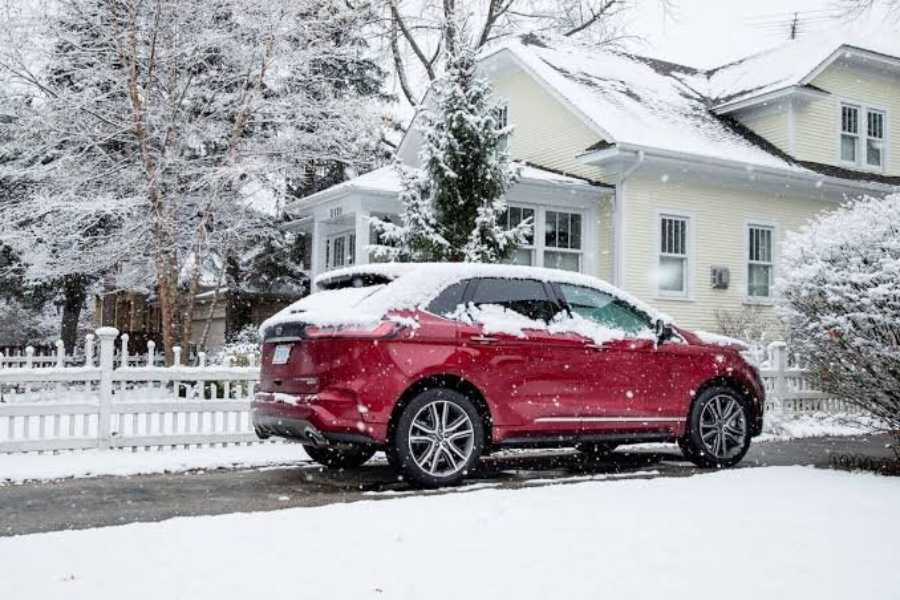
Do You Need to Warm Up Your Car Before Driving in Winter?
Most modern gasoline cars do not need prolonged engine warm-up before driving in winter. Vehicles equipped with electronic fuel injection systems automatically adjust the air-fuel mixture and engine idle speed to maintain stable combustion during cold starts. Once the engine runs smoothly, drivers can begin moving at a moderate pace without waiting for the coolant temperature gauge to reach its normal operating range.
Modern engines use an engine control unit (ECU) to monitor operating conditions through sensors that measure coolant temperature, intake air temperature, and engine speed. When temperatures are low, the ECU adjusts fuel delivery and idle speed to compensate for reduced fuel vaporization and increased mechanical resistance. These adjustments allow fuel-injected engines to operate in freezing weather without the extended stationary warm-up procedures associated with older carbureted vehicles.
Gentle driving is generally more effective than prolonged idling for warming up a modern engine. Driving places a moderate load on the engine, generating heat faster than stationary idling. It also begins warming drivetrain components, including the transmission and differential, which do not necessarily reach normal operating temperatures while the vehicle remains parked. However, drivers should avoid high engine RPM, full-throttle acceleration, and heavy loads until the engine and drivetrain have warmed sufficiently.
Engine warm-up requirements also depend on vehicle design and manufacturer instructions. Some older vehicles require additional idling to maintain stable combustion, while certain diesel engines have specific cold-start procedures. Regardless of engine type, drivers must ensure that windows are clear and visibility is adequate before entering traffic.
How Long Should You Warm Up Your Car in Winter?
Most modern gasoline cars need only a brief period of idling after a cold start, rather than several minutes of stationary warm-up. Around 30 seconds is a commonly cited guideline for allowing the engine to stabilize before gentle driving, but it is not a universal requirement. The appropriate duration depends on engine design, ambient temperature, oil specifications, and manufacturer recommendations.
During the first moments after startup, the engine oil pump circulates lubricant through critical components, including crankshaft bearings, camshafts, and valve-train mechanisms. Cold engine oil has greater viscosity than warm oil, which affects its flow characteristics and increases resistance within the engine. Modern multigrade oils, such as SAE 0W-20 and 5W-30, are formulated for specified low-temperature performance. Using the manufacturer-recommended oil helps ensure adequate lubrication during winter starts without requiring extended idling.
The following table summarizes practical warm-up guidance for modern gasoline cars under different winter conditions.
| Outside Temperature | General Warm-Up Guidance |
|---|---|
| 32°F (0°C) to 50°F (10°C) | Allow the engine to stabilize, then drive gently. |
| 0°F (-18°C) to 32°F (0°C) | A brief idle, often around 30 seconds, is generally sufficient before gentle driving. |
| Below 0°F (-18°C) | Follow manufacturer-specific cold-start instructions and allow additional time if the engine does not run smoothly. |
These temperature ranges are practical guidance, not universal manufacturer specifications. Actual warm-up requirements vary by vehicle.
Extremely cold weather does not automatically mean a modern engine needs five or ten minutes of idling. Temperatures below 0°F (-18°C) increase battery demands, reduce oil fluidity, and make cold starting more difficult. However, once the engine starts normally and maintains stable operation, gentle driving generally remains an effective way to raise its temperature. Drivers should consult their owner’s manual for extreme-cold recommendations, including engine block heater use and suitable winter engine oil.
A car also does not need to reach its normal coolant operating temperature before leaving the driveway. Engine coolant may take several minutes to warm up, especially in freezing conditions, and engine oil can take longer to reach its typical operating temperature. Waiting for the dashboard temperature gauge to reach its normal position while parked therefore wastes fuel in most modern gasoline vehicles without providing a corresponding need for engine protection.
How Should You Warm Up Your Car in Cold Weather?
The best way to warm up a modern car in cold weather is to start the engine, allow it to stabilize, and drive gently until it reaches its normal operating temperature. This approach raises engine temperature more efficiently than prolonged idling while reducing unnecessary fuel consumption. A proper winter warm-up routine includes starting the engine correctly, checking vehicle conditions, and avoiding excessive engine loads during the first several minutes of driving.
Start the engine without pressing the accelerator pedal, unless your vehicle manufacturer specifies a different procedure. Modern fuel-injected engines automatically control fuel delivery and idle speed during startup. The engine may initially run at a higher RPM because the engine control unit adjusts combustion conditions to maintain stable operation and warm the emissions control system. Allow the engine to settle into smooth operation before shifting into gear. You do not need to wait for the temperature gauge to reach its normal position.
Before driving, check the dashboard for warning lights and confirm that the engine is operating normally. An oil pressure warning, persistent engine malfunction warning, or unusual mechanical noise requires attention rather than additional warm-up time. Remove snow and ice from the windshield, mirrors, lights, and other surfaces necessary for safe driving. Use the vehicle’s defroster to eliminate condensation or frost that obstructs visibility.
Drive with moderate acceleration and avoid high engine RPM while the engine is cold. Cold engine oil, transmission fluid, and drivetrain components have not yet reached their normal operating temperatures. Heavy acceleration increases mechanical loads during this period, particularly on pistons, bearings, and other moving components. Maintain smooth throttle inputs, avoid unnecessary hard acceleration, and follow any cold-engine operating limits specified in the owner’s manual.
Engine warm-up continues after the coolant temperature gauge reaches its normal range. The gauge primarily reflects coolant temperature, while engine oil and transmission fluid can require additional driving time to warm fully. For example, a car driven in freezing temperatures may display normal coolant temperature before its engine oil reaches typical operating conditions. Gradually increasing driving loads as the vehicle warms helps maintain appropriate lubrication and mechanical performance.
Why Do Car Engines Take Longer to Warm Up in Winter?
Car engines take longer to warm up in winter because low ambient temperatures increase heat loss and reduce the starting temperatures of engine oil, coolant, and metal components. An engine must generate enough heat through combustion to overcome these conditions before reaching its normal operating temperature. Cold weather also changes lubricant viscosity and fuel vaporization, affecting engine efficiency during the initial minutes of operation.
An internal combustion engine generates heat by burning fuel inside its cylinders. Part of this heat warms the engine block, cylinder head, coolant, and lubricating oil, while the remainder leaves through the exhaust and surrounding air. When outside temperatures fall below freezing, these components begin at lower temperatures and require more energy to warm up. Cold airflow around the engine compartment and heat transferred to the cabin heating system can further slow the process.
How Does Cold Weather Affect Engine Oil Viscosity?
Cold weather increases engine oil viscosity, making the lubricant more resistant to flow than it is at higher temperatures. Engine oil forms protective films between moving components, including crankshaft bearings, camshafts, and piston-related surfaces. Its viscosity influences how easily the oil moves through lubrication passages and how effectively it maintains a protective film under different operating conditions.
During a cold start, the oil pump must circulate lubricant while the oil is relatively thick. This increases pumping resistance and can affect how quickly oil reaches different engine components. Modern engines and properly selected multigrade oils are designed to operate under these conditions. However, using oil with unsuitable cold-temperature properties can increase starting resistance and compromise lubrication performance, particularly during extreme winter weather.
Engine oil grades indicate specific viscosity characteristics under standardized testing conditions. For example, SAE 0W-20 and SAE 5W-30 are multigrade oils with different cold-temperature and operating-temperature specifications. The number before the letter W represents the oil’s winter viscosity classification, while the number after W identifies its high-temperature viscosity grade. A 0W oil meets colder cranking and pumping test requirements than a 5W oil, but the correct grade depends on the vehicle manufacturer’s specifications.
As the engine warms, oil viscosity decreases and lubricant flow characteristics change. This is one reason drivers should avoid heavy engine loads immediately after a cold start. Proper oil selection, regular maintenance, and gentle initial driving support engine protection more effectively than relying on prolonged idling alone.
How Does Engine Temperature Affect Fuel Injection During a Cold Start?
Low engine temperatures cause electronic fuel injection systems to adjust fuel delivery because gasoline vaporizes less readily in cold conditions. Gasoline engines require an appropriate mixture of fuel and air for stable combustion. During cold starts, reduced fuel vaporization and fuel condensation on cold engine surfaces can make combustion less consistent, requiring additional fuel and modified engine operating parameters.
The engine control unit uses information from sensors, including the engine coolant temperature sensor, intake air temperature sensor, and oxygen sensors when their readings are available and suitable for control. Based on these inputs, it adjusts fuel injection, ignition timing, and idle speed to maintain engine operation. Cold-start enrichment supplies additional fuel to compensate for reduced vaporization, while elevated idle speeds can help stabilize combustion and accelerate emissions-system warm-up.
Cold-start fuel enrichment contributes to higher fuel consumption during the initial operating period. The catalytic converter also requires sufficient temperature to achieve effective exhaust treatment, so emissions can be higher before the system warms. For example, a gasoline car started after an overnight freeze may initially idle faster and consume more fuel per unit of time than the same vehicle operating at normal temperature.
Gentle driving helps the engine reach efficient operating conditions faster than extended stationary idling in most modern gasoline vehicles. Moderate engine loads increase heat generation, allowing the coolant, oil, and exhaust treatment system to warm more quickly. Once the engine reaches appropriate operating temperatures, the fuel injection system can maintain more efficient combustion conditions, reducing the need for cold-start enrichment.
Can Driving Without Warming Up Your Car Damage the Engine?
Driving a modern car without prolonged warm-up does not normally damage the engine, provided you accelerate gently and avoid excessive engine loads during the cold-start period. Modern gasoline engines are designed to operate across a wide temperature range, including freezing conditions. However, aggressive driving immediately after startup increases mechanical stress because engine oil, internal components, and operating clearances have not yet reached their normal working conditions.
Cold starts contribute to engine wear because lubrication conditions differ from those of a fully warmed engine. When the engine has been sitting overnight, oil drains from certain surfaces into the oil pan, although protective oil films remain on many components. After startup, the oil pump restores pressurized circulation through the lubrication system. Low temperatures increase oil viscosity, which affects pumping resistance and lubricant distribution. Using the manufacturer-recommended engine oil helps maintain adequate lubrication during this process.
High RPM and heavy acceleration place greater mechanical loads on a cold engine than gentle driving. Rapid acceleration increases combustion pressure and forces acting on pistons, connecting rods, crankshaft bearings, and other moving components. Temperature-dependent expansion also affects clearances between engine parts. For example, pistons and cylinder walls expand at different rates as the engine warms, making proper lubrication and controlled engine loads particularly important during cold operation.
Prolonged stationary idling is not necessary to prevent these conditions in most modern gasoline engines. Driving at moderate speeds generates heat while allowing engine oil, coolant, and drivetrain components to warm progressively. However, drivers should stop and investigate persistent low oil pressure warnings, abnormal knocking sounds, or unstable engine operation rather than assuming additional idling will resolve a mechanical problem.
Regular maintenance provides additional protection against cold-start wear. Using the specified oil viscosity, maintaining the correct oil level, replacing oil according to the manufacturer’s service schedule, and keeping the battery in good condition all support reliable winter operation. These practices address the underlying factors affecting engine protection rather than depending on extended warm-up periods.
Is It Bad to Let Your Car Idle for Too Long in Winter?
Letting a modern gasoline car idle for extended periods in winter wastes fuel, increases exhaust emissions, and generally provides little additional engine-protection benefit. Although short idling periods allow the engine to stabilize after startup, leaving a vehicle running for five or ten minutes solely to warm the engine is usually unnecessary. Stationary idling produces heat more slowly than moderate driving because the engine operates under relatively light load.
The effects of prolonged idling depend on engine design, ambient temperature, fuel delivery, and the duration of operation. Cold engines operate less efficiently than fully warmed engines, and unnecessary idling extends the time spent consuming fuel without moving the vehicle. In addition, prolonged idling produces exhaust emissions that could be avoided by beginning a journey after the engine stabilizes and visibility is clear.
Does Warming Up Your Car Waste Gas?
Warming up a car through prolonged idling wastes gasoline because the engine consumes fuel while the vehicle travels no distance. Fuel is required to maintain combustion, operate accessories, and overcome internal friction even when the transmission is in Park or Neutral. During cold starts, fuel consumption can increase further because the engine management system adjusts fuel delivery and idle speed to maintain stable operation.
According to the U.S. Department of Energy, idling can consume approximately 0.25–0.5 gallons of fuel per hour, depending on engine size and air-conditioning use. These figures illustrate the fuel cost of stationary operation rather than a fixed consumption rate for every winter cold start. Actual consumption varies with engine displacement, idle speed, ambient temperature, and accessory loads.
For example, a vehicle consuming 0.5 gallons per hour while idling would use approximately 0.083 gallons during a ten-minute warm-up. Repeating that routine twice daily for 30 days would consume approximately 5 gallons of gasoline without adding any driving distance. The calculation demonstrates how small amounts of unnecessary idling accumulate over a winter season, although real-world cold-start fuel consumption will vary.
Gentle driving generally improves warm-up efficiency because the engine produces more useful heat under moderate load. As engine temperature increases, the fuel injection system reduces cold-start enrichment, and the engine approaches its normal operating efficiency. Eliminating unnecessary stationary warm-up time therefore reduces fuel consumption without requiring drivers to accelerate aggressively or operate the engine at high RPM.
Does Idling Your Car in Winter Cause Engine Wear?
Prolonged winter idling does not automatically damage an engine, but repeated unnecessary idling can contribute to unfavorable operating conditions, particularly when the engine remains cold for extended periods. Engine wear depends on lubrication quality, combustion conditions, operating temperature, maintenance, and engine design. A short idle after startup is normal, while prolonged low-temperature operation provides limited additional protection for most modern gasoline engines.
Cold combustion conditions can increase fuel condensation on cylinder surfaces and contribute to fuel dilution of engine oil in certain engines. Fuel dilution reduces lubricant viscosity and can affect its protective properties when sufficiently severe. Engines that repeatedly operate for short periods without reaching normal temperatures may also accumulate moisture and combustion byproducts in the oil. These issues depend on operating patterns and engine design rather than idling alone.
Extended idling also warms the engine more slowly than moderate driving. At low engine loads, less heat is generated, allowing cold operating conditions to persist longer. For example, a vehicle left idling outside in freezing temperatures may take longer to reach its normal coolant temperature than the same vehicle driven gently under comparable conditions. However, engine temperature behavior varies with heating demands, thermostat operation, and vehicle design.
The most effective way to reduce unnecessary cold-running time is to begin gentle driving once the engine operates normally and the vehicle is safe to move. Avoid high RPM and heavy acceleration until operating temperatures increase, and follow manufacturer instructions for extreme cold. Drivers should never idle a gasoline or diesel vehicle inside an enclosed garage, even with the garage door open, because exhaust gases contain carbon monoxide, which can cause fatal poisoning.
Do Older Cars Need to Warm Up Longer in Winter?
Older cars equipped with carbureted engines generally need more warm-up time in winter than modern fuel-injected vehicles. Carburetors rely on mechanical systems to mix gasoline and air, making cold-start fuel delivery less precise than electronic fuel injection. When temperatures drop, gasoline evaporates less readily, which can cause rough idling, hesitation, and stalling until the engine warms sufficiently.
Carbureted engines typically use a choke mechanism to enrich the air-fuel mixture during cold starts. The choke restricts incoming air, creating a richer mixture that supports combustion when fuel vaporization is poor. As engine temperature increases, the choke gradually opens to restore normal fuel delivery. Driving before the engine operates smoothly can cause hesitation or stalling, particularly in freezing weather.
The required warm-up time depends on the fuel delivery system rather than the vehicle’s age alone. For example, a 1970s gasoline car with a carburetor may require a manufacturer-specified warm-up procedure, while a 1990s vehicle equipped with electronic fuel injection generally needs only brief initial idling before gentle driving. Some carbureted vehicles can also be driven with the choke partially engaged once the engine runs reliably, depending on their design.
Owners of older vehicles should follow the manufacturer’s cold-start instructions, confirm stable engine operation, and avoid aggressive acceleration until the engine warms. Proper carburetor adjustment, choke operation, ignition maintenance, and suitable engine oil are essential for reliable winter starting. Extended idling should not replace maintenance when an older engine repeatedly stalls or struggles to operate in cold weather.
Do Diesel Cars Need to Warm Up Before Driving in Winter?
Modern diesel cars generally do not require prolonged idling before driving in winter, but they may need a preheating cycle before the engine starts. Unlike gasoline engines, diesel engines ignite fuel through compression-generated heat rather than spark plugs. Low ambient temperatures reduce the initial temperature of the combustion chamber, making ignition more difficult during cold starts.
Many diesel engines use glow plugs to improve cold-start combustion. These electrically heated components raise temperatures within or near the combustion chamber, helping diesel fuel ignite when the engine is cold. Drivers should follow the manufacturer’s starting procedure and wait for the glow plug indicator to turn off when instructed before starting the engine. Some modern diesel systems also continue glow plug operation after startup to improve combustion stability and reduce emissions.
Once a diesel engine starts and runs smoothly, gentle driving is generally more effective than extended stationary idling for reaching normal operating temperature. Diesel engines operate efficiently and generate relatively little waste heat at idle, particularly under light loads. As a result, prolonged idling in freezing weather may warm the engine slowly. Moderate driving increases engine load and heat production while allowing the coolant, engine oil, and drivetrain to warm progressively.
Extreme cold introduces additional considerations for diesel vehicles. Diesel fuel contains paraffin compounds that can crystallize at low temperatures, potentially restricting fuel flow through filters. Winter-grade diesel fuel, appropriate fuel additives when approved by the manufacturer, and functioning fuel heating systems help reduce cold-weather fuel problems. Engine block heaters can also assist starting by warming the engine before ignition, particularly in regions experiencing prolonged subzero temperatures.
Diesel drivers should also distinguish normal cold-start behavior from mechanical problems. Difficult starting, persistent white smoke, rough running, or repeated stalling may indicate issues involving glow plugs, fuel quality, battery performance, or the fuel injection system. These symptoms require diagnosis rather than simply extending the idling period. The vehicle owner’s manual remains the primary reference for cold-weather starting procedures, approved fuel specifications, and operating restrictions.
Read more: Mazda CX-5 Cabin Air Filter Replacement Guide
Do Hybrid and Electric Cars Need to Warm Up in Winter?
Hybrid and electric cars do not require the same winter warm-up procedures as conventional gasoline vehicles. Hybrid vehicles use electronic control systems to manage their internal combustion engines, while fully electric vehicles operate without gasoline or diesel engines. However, cold temperatures still affect battery performance, energy consumption, and cabin heating efficiency in both vehicle types.
Hybrid vehicles combine an internal combustion engine with an electric motor and a high-voltage battery. During cold weather, the vehicle’s control system determines when the gasoline engine needs to start based on battery charge, engine temperature, heating demands, and driving conditions. For example, a Toyota Prius may automatically start its gasoline engine after the vehicle enters READY mode, even when the driver has not pressed the accelerator. This behavior is part of the hybrid system’s normal operation and does not mean the driver must wait for the engine to reach full operating temperature before moving.
Most modern hybrid cars can be driven once the vehicle indicates that it is ready, without prolonged stationary warm-up. The hybrid control system manages engine operation and power distribution during cold starts. Drivers should accelerate gently, avoid unnecessary heavy loads, and follow manufacturer recommendations while the engine and drivetrain remain cold. Extended idling solely to warm the gasoline engine is generally unnecessary because the hybrid system controls engine operation automatically.
Fully electric vehicles do not need engine warm-up because they have no internal combustion engine, engine oil circulation system, or fuel injection process. However, lithium-ion batteries operate less efficiently at low temperatures because cold conditions increase internal resistance and slow electrochemical reactions. This can temporarily reduce available power, regenerative braking capability, charging speed, and driving range. These effects depend on battery chemistry, temperature, and the vehicle’s thermal management system.
Battery preconditioning is the preferred winter preparation method for electric vehicles equipped with this feature. Preconditioning uses the vehicle’s thermal management system to bring the battery toward a suitable operating temperature before driving or fast charging. For example, certain Tesla models automatically prepare the battery when a compatible fast-charging station is selected through the vehicle’s navigation system. Other electric vehicles offer scheduled departure settings that warm the cabin and, depending on the model, condition the battery before a journey.
Preheating an electric vehicle while it remains connected to a charger can also reduce the amount of stored battery energy used for cabin heating after departure. Drivers should use scheduled climate controls or manufacturer-supported preconditioning features when available. Unlike prolonged idling in a gasoline vehicle, electric vehicle preconditioning serves battery temperature management and passenger comfort rather than combustion-engine lubrication.
Should You Warm Up Your Car to Defrost the Windshield?
You should allow enough time to completely defrost and clear your windshield before driving in winter, even when the engine itself does not require prolonged warm-up. Ice, snow, and condensation reduce visibility and increase the risk of collisions. The need to clear windows is a separate safety requirement from warming an engine to its normal operating temperature.
Most gasoline and diesel vehicles use heat from engine coolant to warm the cabin and windshield. When the engine is cold, the coolant has not yet absorbed enough heat to provide maximum defroster performance. As engine temperature rises, warm coolant circulates through the heater core, allowing the ventilation system to direct heated air toward the windshield. This explains why conventional vehicles may initially blow cool air through their defroster vents during freezing weather.
Use the windshield defroster, remove exterior ice with an appropriate scraper, and clear accumulated snow before entering traffic. Select the windshield defrost setting and adjust the climate controls according to the vehicle manufacturer’s instructions. Air conditioning can help remove moisture from cabin air when the system permits its operation, while fresh-air mode can reduce interior condensation. Heated windshields, rear-window defrosters, and heated mirrors can also accelerate ice and fog removal when installed.
For example, a car parked overnight at 14°F (-10°C) may develop frost on its windshield and side windows. Although its modern gasoline engine may be ready for gentle driving shortly after startup, the driver must remain parked until visibility is adequate. Running the defroster while removing exterior ice allows both tasks to progress without requiring the engine to reach its full operating temperature before departure.
Hybrid and electric vehicles may use electric heaters, heat pumps, or other electrically powered climate control components to defrost windows without relying entirely on engine heat. Many models support remote climate activation or scheduled cabin preheating. These features can prepare the windshield and cabin before the driver enters the vehicle, although snow and ice may still require manual removal.
Never warm up a gasoline or diesel car inside an enclosed or attached garage, even with the garage door open. Vehicle exhaust contains carbon monoxide, an odorless and potentially fatal gas that can accumulate in enclosed spaces or enter nearby living areas. Move the vehicle outdoors before running the engine for defrosting, and keep the exhaust outlet clear of snow or other obstructions.
The safest winter departure procedure is to ensure that the engine operates normally, all necessary windows and mirrors provide clear visibility, and the vehicle is ready for controlled driving. These precautions allow drivers to meet winter safety requirements without confusing necessary windshield defrosting with unnecessary engine idling.