The Toyota Tacoma has earned a reputation as one of the most reliable and capable midsize pickup trucks in North America. Whether you are looking for a dependable daily driver, an off road adventure vehicle, or a hardworking truck for towing and hauling, the Tacoma consistently ranks among the top choices. However, many prospective buyers ask an important question before making a purchase: Where is the Toyota Tacoma manufactured?
The answer may surprise some shoppers. While Toyota is a Japanese automaker and the Tacoma has long been associated with the American truck market, most modern Tacoma models are manufactured in Mexico. This fact often raises additional questions about quality, reliability, and whether the manufacturing location affects the truck’s overall performance and value.
For some buyers, the country of assembly plays a significant role in their purchasing decision. Concerns about build quality, labor standards, and long term durability can influence whether a vehicle makes it onto the shortlist. Fortunately, Toyota operates under strict global manufacturing standards that are designed to ensure consistency regardless of where a vehicle is built.
In this complete factory guide, we will explore where the Toyota Tacoma is manufactured today, examine its production history, explain why Toyota shifted manufacturing operations, and determine whether the assembly location has any impact on the truck’s legendary reputation for reliability.
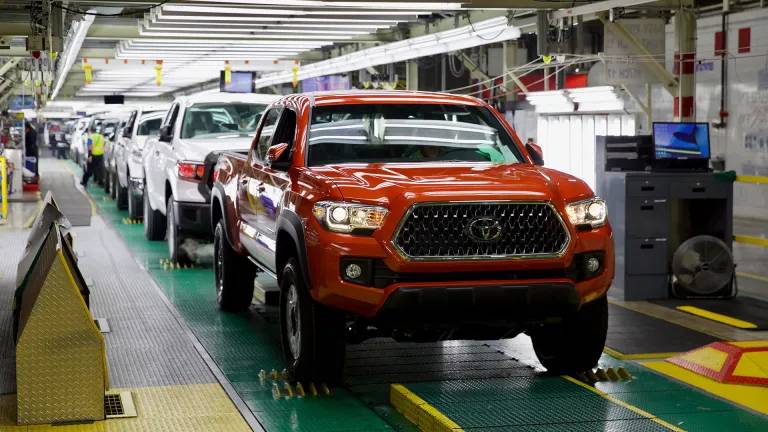
Quick Answer: Where Is the Toyota Tacoma Manufactured?
If you are looking for a straightforward answer, the Toyota Tacoma is currently manufactured in Mexico. Toyota assembles the Tacoma at two major production facilities: Toyota Motor Manufacturing Baja California (TMMBC) in Tijuana, Baja California, and Toyota Motor Manufacturing Guanajuato (TMMGT) in Apaseo El Grande, Guanajuato.
These facilities produce Tacoma trucks primarily for the North American market, including the United States, Canada, and Mexico. Toyota has invested heavily in both plants to ensure they meet the same rigorous quality standards used across its global manufacturing network.
Although many buyers assume the Tacoma is still built in the United States because of its popularity among American truck owners, Toyota gradually shifted production to Mexico as part of a broader strategy to improve manufacturing efficiency and increase production capacity. Despite this transition, the Tacoma continues to maintain its reputation for durability, reliability, and strong resale value.
The company follows the Toyota Production System, a globally recognized manufacturing approach focused on quality control, continuous improvement, and operational efficiency. As a result, Tacoma trucks built in Mexico undergo extensive inspections and testing before reaching dealerships across North America.
Current Toyota Tacoma Manufacturing Plants
Toyota Motor Manufacturing Baja California (TMMBC)
Located in Tijuana, Baja California, Toyota Motor Manufacturing Baja California has become one of the most important facilities in Tacoma production. The plant began operations in 2002 and initially focused on manufacturing pickup truck beds. Over time, Toyota expanded the facility’s capabilities to include full vehicle assembly, making it a critical part of the Tacoma supply chain.
The Baja California plant plays a significant role in meeting demand for the Tacoma throughout North America. Thousands of employees work at the facility, utilizing advanced manufacturing technologies and Toyota’s proven production processes to maintain consistent quality standards.
One of the advantages of the Tijuana location is its proximity to the United States border. This strategic position allows Toyota to efficiently transport completed vehicles to major distribution centers throughout North America. Reduced shipping distances help streamline logistics while supporting faster delivery times to dealerships.
The plant is also known for implementing Toyota’s strict quality assurance programs. Every Tacoma produced at the facility must meet the same engineering and performance requirements expected from any Toyota vehicle worldwide. This commitment to quality has helped reassure buyers who may be concerned about vehicles assembled outside the United States.
Toyota Motor Manufacturing Guanajuato (TMMGT)
Toyota expanded Tacoma production by opening its state of the art manufacturing facility in Apaseo El Grande, Guanajuato. This modern plant was developed to support increasing demand for the Tacoma while improving overall production flexibility.
The Guanajuato facility incorporates advanced robotics, automated assembly systems, and highly trained personnel who operate under Toyota’s global manufacturing standards. The investment reflects Toyota’s long term commitment to the North American truck market and its confidence in continued Tacoma demand.
One notable feature of the plant is its focus on efficiency and sustainability. Toyota designed the facility to reduce waste, conserve resources, and maximize production effectiveness. These practices align with the company’s broader environmental and operational goals.
Today, the Guanajuato plant works alongside the Baja California facility to ensure Toyota can meet growing consumer demand for Tacoma trucks. Together, these two Mexican factories form the backbone of Tacoma production for North America, helping Toyota maintain consistent inventory levels while preserving the quality and reliability that buyers expect.
Toyota Tacoma Manufacturing History
The history of Tacoma production is more complex than many people realize. Before production was concentrated in Mexico, the Tacoma was assembled at several locations within the United States.
When the Tacoma was first introduced in 1995 as the successor to the Toyota Pickup, production took place at the New United Motor Manufacturing, Inc. (NUMMI) plant in Fremont, California. This facility was a unique joint venture between Toyota and General Motors that allowed both companies to share manufacturing expertise and resources.
As the popularity of midsize pickup trucks increased, Toyota expanded production capabilities to support growing demand. The company later invested in its manufacturing operations in San Antonio, Texas, where Tacoma production became an important component of the plant’s output. For many years, Texas played a significant role in supplying Tacoma trucks to American consumers.
Eventually, Toyota reevaluated its manufacturing strategy. Rising demand, changing market conditions, and the need for greater production efficiency led the company to gradually shift Tacoma assembly to Mexico. The transition allowed Toyota to optimize logistics, increase capacity, and better allocate resources across its North American manufacturing network.
While some consumers initially questioned the move, the Tacoma’s reputation for quality remained strong throughout the transition. Today, many of the same engineering principles, production processes, and quality control measures used in U.S. facilities continue to be applied in Mexico, ensuring continuity across generations of the vehicle.
Toyota Tacoma vs Other Toyota Trucks: Where Are They Manufactured?
For buyers comparing different Toyota trucks and SUVs, understanding where each model is manufactured can provide additional insight into Toyota’s North American production network. While the Tacoma is now built exclusively in Mexico, several other popular Toyota vehicles are assembled in the United States or Japan.
Toyota Tacoma
The Toyota Tacoma is currently manufactured in two primary facilities located in Mexico. These plants serve as the exclusive production centers for Tacoma models sold throughout North America. Toyota’s investment in these facilities reflects the company’s commitment to meeting demand while maintaining the quality standards that have made the Tacoma one of the most popular midsize pickups on the market.
Toyota Tundra
Unlike the Tacoma, the Toyota Tundra is manufactured in San Antonio, Texas. The Tundra was specifically designed to compete in the highly competitive full size pickup segment and is assembled at Toyota Motor Manufacturing Texas.
The Texas facility represents one of Toyota’s largest manufacturing investments in the United States. It produces thousands of trucks annually and employs a significant workforce dedicated to building vehicles for the North American market.
For buyers who specifically prefer a truck assembled in the United States, the Tundra is often an attractive option.
Toyota Sequoia
The Toyota Sequoia is also assembled in San Antonio, Texas, alongside the Tundra. Because both vehicles share a similar platform and many components, producing them at the same facility helps Toyota streamline operations and improve efficiency.
The Sequoia benefits from the same manufacturing expertise and quality control processes used for the Tundra, making it one of Toyota’s flagship SUVs for families and adventure enthusiasts.
Toyota 4Runner
The Toyota 4Runner has traditionally been manufactured in Japan. Unlike the Tacoma and Tundra, which are heavily focused on the North American truck market, the 4Runner continues to maintain strong ties to Toyota’s Japanese production operations.
Many enthusiasts appreciate the 4Runner’s Japanese manufacturing heritage, although Toyota applies global quality standards across all facilities regardless of location.
Comparing these vehicles demonstrates how Toyota strategically distributes production among multiple countries while maintaining consistent engineering and manufacturing practices throughout its global operations.
Frequently Asked Questions
Is the Toyota Tacoma made in Mexico?
Yes. All current Toyota Tacoma models are manufactured in Mexico. Production takes place primarily at Toyota’s facilities in Baja California and Guanajuato, which supply vehicles to customers throughout North America.
Was the Toyota Tacoma ever built in the United States?
Yes. Earlier generations of the Tacoma were assembled in the United States, including production at the NUMMI plant in California and later at Toyota’s facility in San Antonio, Texas. Over time, Toyota shifted Tacoma manufacturing operations to Mexico as part of a broader production strategy.
Does the manufacturing location affect reliability?
In most cases, no. Reliability is determined by engineering, quality control, manufacturing processes, supplier quality, and maintenance practices. Toyota applies standardized production methods across its global facilities to ensure consistency regardless of assembly location.
Which Toyota truck is made in America?
The Toyota Tundra is manufactured in San Antonio, Texas. The Toyota Sequoia is also assembled at the same facility. These vehicles represent Toyota’s largest truck and SUV manufacturing operations in the United States.
Why did Toyota move Tacoma production to Mexico?
Toyota moved Tacoma production to Mexico to increase manufacturing efficiency, improve logistics, expand production capacity, and better serve North American demand. The transition allowed the company to optimize its manufacturing network while maintaining strict quality standards.
Is a Mexican built Tacoma worth buying?
Absolutely. The Tacoma continues to earn strong ratings for reliability, durability, resale value, and owner satisfaction. Most industry experts agree that Toyota’s manufacturing standards help ensure consistent quality regardless of where the truck is assembled.
Conclusion
The answer to the question “Where is the Toyota Tacoma manufactured?” is straightforward. Today’s Toyota Tacoma is built in Mexico at Toyota’s advanced manufacturing facilities in Baja California and Guanajuato. These plants serve as the primary production centers for Tacoma models sold throughout North America.
Although the Tacoma was once assembled in California and Texas, Toyota gradually shifted production to Mexico to improve efficiency, expand manufacturing capacity, and strengthen its regional supply chain. Despite this change, the truck has continued to uphold its long standing reputation for reliability, durability, and exceptional resale value.
For many buyers, concerns about manufacturing location are understandable. However, Toyota’s global quality standards, rigorous inspection procedures, and commitment to continuous improvement help ensure that every Tacoma meets the same high expectations regardless of where it is built.
Whether you are shopping for a brand new Tacoma or researching a used model, understanding its manufacturing background can help you make a more informed decision. Ultimately, factors such as vehicle condition, maintenance history, trim level, towing capability, and ownership costs are likely to have a much greater impact on your satisfaction than the country where the truck was assembled.
If the Toyota Tacoma is on your shortlist, its proven track record and strong reputation suggest that manufacturing location should be viewed as part of the story, not the deciding factor.