Chevy Equinox catalytic converter replacement involves removing a faulty catalytic converter and installing a compatible unit to restore proper exhaust flow and emissions control. Replacement costs vary depending on the vehicle’s model year, engine configuration, converter type, and labor rates. Original equipment manufacturer (OEM) converters generally cost more than aftermarket alternatives, while installation complexity affects the total repair expense.
A failing catalytic converter can trigger the check engine light, reduce engine performance, cause poor acceleration, or lead to a failed emissions test. However, these symptoms do not always indicate converter failure. For example, diagnostic trouble code P0420 indicates that catalyst efficiency has fallen below the required threshold, but exhaust leaks, faulty oxygen sensors, and engine combustion problems can produce similar diagnostic results. Identifying the underlying cause helps prevent unnecessary replacement expenses.
Replacing a Chevy Equinox catalytic converter requires selecting a component compatible with the vehicle’s engine and emissions specifications, safely removing the existing assembly, and checking the exhaust system after installation. This guide explains replacement costs, common failure symptoms, diagnostic procedures, installation steps, and replacement part options. It also covers converter lifespan, warranty eligibility, and maintenance practices that help prevent premature failure.
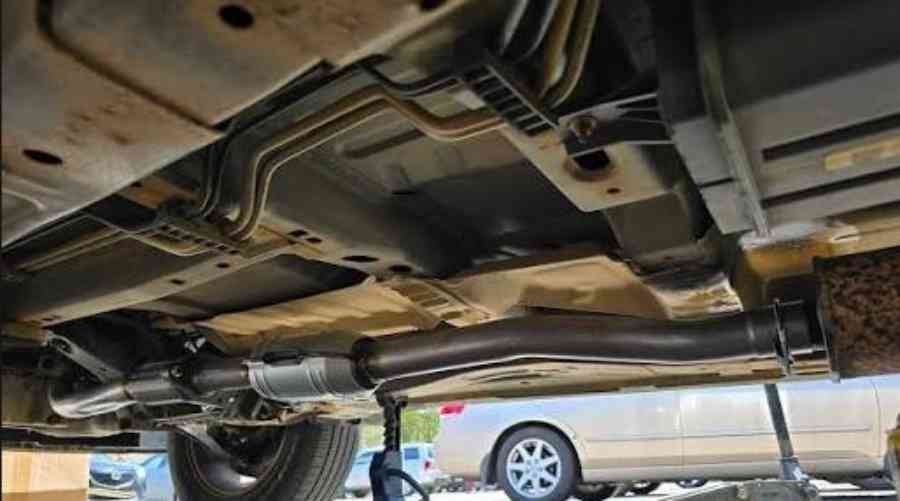
How Much Does It Cost to Replace a Catalytic Converter on a Chevy Equinox?
Chevy Equinox catalytic converter replacement typically costs between $500 and $2,500 or more, including parts and labor. The total expense depends on the model year, engine configuration, replacement converter type, and repair shop rates. Vehicles requiring an original equipment manufacturer (OEM) converter or a more complex exhaust assembly generally have higher replacement costs than those compatible with direct-fit aftermarket components.
The catalytic converter’s location also affects repair expenses. Some Chevy Equinox configurations use converters integrated with the exhaust manifold, while others have separate converter assemblies. Manifold-integrated designs may require additional disassembly, increasing labor time. Rusted exhaust bolts, damaged flanges, and worn gaskets can add to the final repair bill. The following figures are general planning estimates rather than verified quotes for a specific Equinox model year.
How Much Does a Chevy Equinox Catalytic Converter Cost?
A replacement catalytic converter for a Chevy Equinox can cost approximately $250 to $1,800 or more for the part alone. Aftermarket converters generally occupy the lower end of this range, while OEM assemblies and converters meeting stricter emissions requirements can cost substantially more. Direct-fit converters are designed for specific vehicle configurations, whereas universal converters require additional fabrication and installation work.
Part compatibility depends on the Equinox’s model year, engine, emissions certification, and converter location. For example, a converter designed for a 2015 Equinox with a 2.4L engine should not automatically be considered compatible with a 2020 Equinox equipped with a 1.5L turbocharged engine. Owners should verify fitment using the vehicle identification number (VIN) and confirm that the replacement meets applicable EPA or California Air Resources Board (CARB) requirements before purchasing.
How Much Is Labor for Chevy Equinox Catalytic Converter Replacement?
Labor for Chevy Equinox catalytic converter replacement can range from approximately $150 to $700 or more, depending on the repair shop’s hourly rate and the complexity of the installation. A readily accessible converter with removable exhaust connections generally requires less work than a manifold-integrated assembly surrounded by additional engine components.
Labor expenses increase when technicians must remove seized fasteners, disconnect oxygen sensors, repair damaged exhaust connections, or replace deteriorated mounting hardware. For example, a converter attached with heavily corroded bolts may require additional extraction work before the new assembly can be installed. Requesting an itemized estimate helps owners distinguish converter pricing from labor charges and identify additional repairs before authorizing replacement.
What Are the Symptoms of a Bad Catalytic Converter on a Chevy Equinox?
The most common symptoms of a bad Chevy Equinox catalytic converter include an illuminated check engine light, poor acceleration, reduced engine power, unusual exhaust odors, and failed emissions tests. These symptoms develop when the converter loses its ability to process exhaust pollutants or becomes physically restricted. However, similar problems can result from ignition faults, fuel system malfunctions, and exhaust leaks, making proper diagnosis necessary before replacement.
The check engine light is a common warning sign of catalytic converter problems. The engine control module (ECM) monitors catalytic converter performance using signals from upstream and downstream oxygen sensors. When the monitored catalyst efficiency falls below the calibrated threshold, the ECM may store diagnostic trouble code P0420. This code indicates insufficient catalyst efficiency on Bank 1 but does not independently confirm that the converter requires replacement.
Poor acceleration and reduced engine power can occur when a catalytic converter becomes clogged or internally damaged. A restricted converter increases exhaust backpressure, preventing combustion gases from leaving the engine efficiently. As engine speed and load increase, the restriction can limit power output and make the vehicle feel sluggish. Severe restrictions may also cause excessive exhaust heat and engine stalling.
A failing catalytic converter can also contribute to unusual exhaust odors or an unsuccessful emissions inspection. A sulfur-like smell may occur when exhaust gas composition and catalyst operation are abnormal, although the odor alone cannot identify the failed component. An emissions test may reveal excessive pollutants or an unresolved catalyst efficiency fault. These findings should be evaluated alongside diagnostic codes, engine operating conditions, and exhaust system inspection results.
How Do You Diagnose a Bad Catalytic Converter on a Chevy Equinox?
Diagnosing a bad Chevy Equinox catalytic converter requires scanning diagnostic trouble codes, evaluating oxygen sensor data, checking for exhaust leaks, and testing for exhaust restrictions when necessary. These procedures help distinguish an actual converter failure from engine problems that produce similar symptoms. Replacing the converter without identifying the underlying fault can result in unnecessary repair costs or premature failure of the new component.
An OBD-II scanner provides the starting point for diagnosis. Codes such as P0420 indicate that the ECM has detected catalyst efficiency below its calibrated threshold. Technicians should review stored and pending codes, freeze-frame data, fuel trims, and misfire information before condemning the converter. For example, an Equinox with P0420 and a persistent engine misfire requires investigation of the ignition or fuel system because unburned fuel can overheat and damage the catalytic converter.
Oxygen sensor data provides additional information about converter performance. The upstream sensor monitors exhaust oxygen content before the converter, while the downstream sensor helps the ECM evaluate catalyst operation. On applicable narrowband sensor systems, downstream readings that closely resemble upstream switching patterns can indicate reduced oxygen storage capacity. However, sensor behavior varies by engine design and operating conditions. Exhaust leaks, inaccurate sensor readings, and fuel control problems must be ruled out before interpreting these patterns as converter failure.
Exhaust backpressure testing helps identify a physically restricted catalytic converter when the Chevy Equinox experiences significant power loss or poor acceleration under load. A technician can measure exhaust pressure using an appropriate test port and compare the results with vehicle-specific service specifications. Excessive pressure upstream of the converter suggests an exhaust restriction, although further inspection may be necessary to identify its exact location. Combining backpressure measurements with OBD-II data and mechanical inspection provides a more reliable diagnosis than relying on a single warning code.
How Do You Replace a Catalytic Converter on a Chevy Equinox?
Replacing a catalytic converter on a Chevy Equinox involves identifying the correct converter assembly, disconnecting the exhaust components, removing the damaged unit, and installing a compatible replacement. The procedure varies by model year, engine configuration, and converter location. Some Equinox models have catalytic converters integrated into the exhaust manifold, while others use separate assemblies connected to the exhaust piping. Proper installation requires vehicle-specific service instructions, appropriate tools, and verification that the replacement meets applicable emissions regulations.
What Tools Do You Need to Replace a Chevy Equinox Catalytic Converter?
Replacing a Chevy Equinox catalytic converter requires a socket and wrench set, an oxygen sensor socket, a torque wrench, penetrating oil, and suitable vehicle lifting equipment. Replacement exhaust gaskets, mounting hardware, and fasteners may also be necessary, depending on the converter assembly and the condition of existing components.
A hydraulic floor jack and properly rated jack stands can provide access to underbody exhaust components when used at manufacturer-approved lifting points. However, a vehicle must never be supported by a hydraulic jack alone. Protective gloves and safety glasses help reduce exposure to sharp exhaust components, rust particles, and debris. The exhaust system must cool completely before work begins because catalytic converters can retain enough heat to cause severe burns after the engine stops.
How Do You Remove the Old Catalytic Converter From a Chevy Equinox?
To remove the old catalytic converter from a Chevy Equinox, secure the vehicle, locate the converter assembly, disconnect the necessary oxygen sensor connections, and remove the exhaust mounting hardware. The exact sequence depends on the converter’s position and the surrounding engine components. A manifold-mounted converter may require access from the engine compartment, while an underbody assembly may be accessible from beneath the vehicle.
Begin by confirming the replacement part matches the vehicle’s engine and emissions configuration. Inspect the exhaust connections for corrosion, damaged fasteners, and signs of leakage. Disconnect the applicable oxygen sensor electrical connectors and move their wiring away from the work area. Remove heat shields or surrounding components only as specified in the vehicle’s service procedure. Support the exhaust assembly before loosening its mounting connections to prevent unnecessary strain on adjacent pipes and hangers.
Remove the converter’s mounting bolts, flange fasteners, or manifold connections according to the applicable service instructions. Corroded hardware may require penetrating oil or specialized extraction tools. Avoid applying excessive force to oxygen sensors, exhaust studs, or adjoining pipes because damaged threads and mounting surfaces can increase repair costs. Once the converter is detached, inspect the exposed exhaust connections and gasket surfaces for cracks, corrosion, or other damage before installation.
How Do You Install a New Catalytic Converter on a Chevy Equinox?
To install a new catalytic converter on a Chevy Equinox, position the compatible replacement assembly, install the required gaskets and mounting hardware, reconnect the exhaust components, and tighten all fasteners to manufacturer specifications. The replacement must match the vehicle’s engine configuration, mounting arrangement, and applicable emissions certification. Incorrect fitment can create exhaust leaks, installation problems, or emissions compliance issues.
Clean the mating surfaces and replace damaged gaskets or fasteners before positioning the converter. Align the assembly with the exhaust manifold or adjoining pipes without forcing the connections into place. Install mounting hardware in the sequence specified by the service manual and tighten fasteners using the correct torque values for the vehicle. Reconnect the oxygen sensors and electrical connectors, ensuring their wiring remains clear of hot exhaust surfaces and moving components.
After installation, start the engine and inspect the exhaust connections for leaks using appropriate, safe testing methods. Check for abnormal exhaust noises, loose mounting hardware, and diagnostic trouble codes. Complete a road test after confirming the exhaust system is secure, then verify catalyst monitor readiness using an OBD-II scanner. Clearing diagnostic codes does not immediately complete emissions readiness monitors, and the required drive cycle varies by model year and engine calibration.
Which Catalytic Converter Fits a Chevy Equinox?
The correct catalytic converter for a Chevy Equinox depends on the vehicle’s model year, engine configuration, exhaust system design, and emissions certification. Chevrolet has equipped different Equinox generations with different engines and exhaust layouts, making catalytic converters incompatible across certain model years. Selecting the correct replacement requires checking the vehicle identification number (VIN), original equipment part number, and applicable emissions requirements.
Engine configuration is a major factor in catalytic converter compatibility. For example, a 2015 Chevy Equinox with a 2.4L four-cylinder engine uses a different exhaust configuration from a 2018 Equinox equipped with a 1.5L turbocharged engine. Converter mounting points, exhaust pipe connections, and oxygen sensor locations can differ between these vehicles. Even converters designed for the same engine displacement may have different part numbers because of production changes or emissions certification requirements.
Emissions regulations also determine which replacement catalytic converters are legally suitable. In the United States, aftermarket converters must satisfy applicable Environmental Protection Agency (EPA) requirements. California and states that apply California’s aftermarket catalytic converter rules impose additional approval requirements for affected vehicles. A converter that physically fits an Equinox may still be unsuitable if its emissions certification does not match the vehicle and the state where it is registered. Owners should verify the vehicle’s emissions label and the converter’s approved application before purchasing a replacement.
Should You Choose an OEM or Aftermarket Catalytic Converter for a Chevy Equinox?
An OEM catalytic converter is generally the more straightforward choice for factory-equivalent fitment, while a compliant aftermarket converter can reduce replacement costs. OEM converters are manufactured to Chevrolet’s original equipment specifications and are selected using vehicle-specific part numbers. Aftermarket converters are produced by independent manufacturers and vary in construction, warranty coverage, emissions certification, and installation requirements.
OEM catalytic converters are designed to match the vehicle’s original exhaust configuration, including mounting points, sensor positions, and emissions performance requirements. Their main disadvantage is their higher purchase price. Aftermarket direct-fit converters can provide a less expensive alternative when they are explicitly approved for the vehicle’s engine and emissions configuration. Universal converters may require cutting, welding, or additional exhaust modifications, increasing installation complexity and labor expenses.
The best replacement depends on the vehicle’s condition, repair budget, and applicable emissions requirements. For example, an owner planning to keep a Chevy Equinox for several more years may prioritize an OEM assembly or a high-quality direct-fit aftermarket converter with appropriate warranty coverage. Regardless of price, the replacement must meet the vehicle’s emissions requirements and fit the exhaust system correctly.
When Should You Replace a Chevy Equinox Catalytic Converter?
A Chevy Equinox catalytic converter should be replaced when diagnostic testing confirms that it has lost the required emissions-control efficiency, developed an internal exhaust restriction, or sustained physical damage that cannot be repaired. A check engine light or P0420 diagnostic trouble code alone does not establish the need for replacement. Technicians should first evaluate engine operation, oxygen sensor readings, fuel control, and exhaust system integrity to identify the actual cause.
Physical damage and severe exhaust restrictions provide stronger evidence of converter failure. A damaged internal catalyst substrate can obstruct exhaust flow, causing poor acceleration, reduced engine power, and excessive exhaust backpressure. An internally broken converter may also produce rattling noises as damaged material moves inside its housing. When testing confirms that the converter itself is restricted or structurally damaged, replacing the affected assembly is generally necessary to restore proper exhaust operation.
Catalytic converter replacement may also be required when the vehicle fails an emissions inspection because of confirmed catalyst deterioration. However, ignition misfires, excessive fuel delivery, oil consumption, and exhaust leaks should be corrected before installing a new converter. For example, an unresolved misfire can allow unburned fuel to enter the exhaust system, raising converter temperatures and damaging the replacement component. Addressing the underlying problem protects the new converter and reduces the risk of repeated repair expenses.
How Long Does a Catalytic Converter Last on a Chevy Equinox?
A Chevy Equinox catalytic converter can last 100,000 miles or longer when the engine operates correctly and the exhaust system remains in good condition. Catalytic converters do not have a fixed replacement interval because their service life depends on combustion efficiency, fuel quality, engine maintenance, and exposure to contaminants. A properly functioning converter can remain effective for much of the vehicle’s lifespan without requiring scheduled replacement.
Premature catalytic converter failure typically results from engine problems rather than normal wear alone. Ignition misfires allow unburned fuel to enter the exhaust system, where it can generate excessive heat inside the converter. Oil consumption and coolant leaks can introduce contaminants that damage the catalyst coating and reduce its ability to convert harmful exhaust gases. For example, an Equinox experiencing persistent oil consumption may develop converter efficiency problems if oil-derived contaminants accumulate on the catalyst surfaces.
Vehicle mileage alone cannot determine whether replacement is necessary. A Chevy Equinox with 150,000 miles may retain a functional catalytic converter, while a lower-mileage vehicle with unresolved engine misfires may experience premature converter damage. Diagnostic testing, emissions performance, and physical condition provide more reliable evidence of converter health than the odometer reading.
Can You Drive a Chevy Equinox With a Bad Catalytic Converter?
A Chevy Equinox may remain drivable with a deteriorating catalytic converter, but continued driving can create engine performance problems, increase emissions, and become unsafe if the exhaust system is severely restricted. The level of risk depends on whether the converter has lost emissions efficiency, developed internal damage, or become clogged. A converter that triggers an efficiency-related diagnostic code does not necessarily restrict exhaust flow, while a severely blocked converter can significantly affect engine operation.
A clogged catalytic converter increases exhaust backpressure, making it harder for the engine to expel combustion gases. This restriction can cause sluggish acceleration, reduced power, excessive exhaust temperatures, and engine stalling. For example, an Equinox that accelerates normally at low speeds but loses substantial power under heavy engine load may have an exhaust restriction requiring immediate diagnosis. Continuing to operate a vehicle with severe power loss or overheating can increase the risk of additional mechanical damage.
Driving with a malfunctioning catalytic converter can also create emissions compliance problems. A confirmed catalyst efficiency fault may prevent the vehicle from passing an OBD-based emissions inspection, depending on local requirements. Owners should arrange a professional inspection when the check engine light remains illuminated, and stop driving when severe power loss, overheating, or a flashing check engine light occurs. A flashing warning light can indicate an active misfire capable of rapidly damaging the catalytic converter.
Read more: Chevy Cruze Catalytic Converter Replacement Cost & Steps
Is Chevy Equinox Catalytic Converter Replacement Covered Under Warranty?
Chevy Equinox catalytic converter replacement may be covered under the federal emissions warranty for 8 years or 80,000 miles, whichever comes first. Under U.S. Environmental Protection Agency (EPA) regulations, catalytic converters are among the major emissions-control components covered by this warranty on qualifying vehicles. Coverage depends on the vehicle’s original in-service date, mileage, warranty eligibility, and the cause of the converter failure.
The federal emissions warranty generally covers defects in materials or workmanship affecting qualifying catalytic converters. For example, a Chevy Equinox with 65,000 miles and six years of service may qualify for a covered converter replacement if the component fails because of a warrantable defect. However, damage caused by accidents, improper modifications, or excluded maintenance-related conditions may not qualify. The manufacturer or authorized dealership must evaluate the failure against the applicable warranty terms.
Chevy Equinox owners should check their vehicle’s warranty documentation and contact an authorized Chevrolet dealership before paying for replacement. The dealership can review the vehicle identification number (VIN), original warranty start date, mileage, and service history to determine eligibility. Vehicles registered in states with additional emissions warranty requirements may qualify for different coverage periods, depending on their emissions certification and applicable state regulations.
How Can You Prevent Catalytic Converter Failure on a Chevy Equinox?
Preventing catalytic converter failure on a Chevy Equinox requires maintaining proper engine combustion, repairing ignition problems, correcting fuel system faults, and addressing exhaust leaks promptly. These maintenance practices reduce exposure to excessive heat and contaminants that damage the converter’s internal catalyst materials. Because catalytic converters depend on properly controlled exhaust conditions, engine problems can shorten their service life even when the converter itself has no manufacturing defect.
Ignition system maintenance is particularly important because engine misfires can send unburned fuel into the exhaust system. When this fuel burns inside the catalytic converter, internal temperatures can rise high enough to damage the ceramic substrate or catalyst coating. Replacing worn spark plugs according to Chevrolet’s maintenance schedule and diagnosing faulty ignition coils can help prevent these conditions. A flashing check engine light requires immediate attention because it can indicate a severe misfire that threatens catalytic converter integrity.
Fuel system problems and excessive oil consumption also contribute to premature converter failure. Faulty fuel injectors, inaccurate sensor readings, or fuel control malfunctions can create an excessively rich air-fuel mixture, increasing the amount of unburned fuel entering the exhaust. Engine oil or coolant entering the combustion chambers can contaminate catalyst surfaces and reduce conversion efficiency. Regularly checking fluid levels, investigating abnormal oil consumption, and repairing persistent diagnostic faults help protect the exhaust aftertreatment system.
Exhaust system inspections provide another preventive measure. Leaks near the catalytic converter or oxygen sensors can interfere with exhaust measurements and contribute to inaccurate fuel control or catalyst efficiency assessments. Owners should investigate unusual exhaust noises, damaged connections, and recurring emissions-related trouble codes instead of repeatedly clearing the check engine light. Maintaining the ignition, fuel, and exhaust systems helps extend catalytic converter service life and reduces the likelihood of repeated replacement expenses.