Honda Accord catalytic converter replacement involves removing a faulty catalytic converter and installing a compatible unit to restore proper exhaust emission control. Replacement costs depend on the model year, engine configuration, converter location, parts selection, and labor rates. Original equipment manufacturer (OEM) converters generally cost more than aftermarket alternatives, while labor expenses vary according to the converter’s accessibility and installation requirements.
A failing Honda Accord catalytic converter can trigger the Check Engine Light, reduce engine performance, produce rattling noises, or restrict exhaust flow. Diagnostic trouble code P0420 indicates that the engine control system has detected catalytic converter efficiency below the required threshold. However, this code does not automatically mean the converter needs replacement. Exhaust leaks, faulty oxygen sensors, engine misfires, and fuel mixture problems can produce similar diagnostic results.
Replacing a Honda Accord catalytic converter requires identifying the correct replacement part, inspecting related exhaust components, removing the damaged converter, and verifying the installation. The procedure differs between Accord generations because engine layouts, converter positions, and mounting configurations vary.
This guide explains Honda Accord catalytic converter replacement costs, failure symptoms, diagnostic methods, installation steps, and parts compatibility. It also covers when DIY replacement is practical and when professional repair is the safer option.
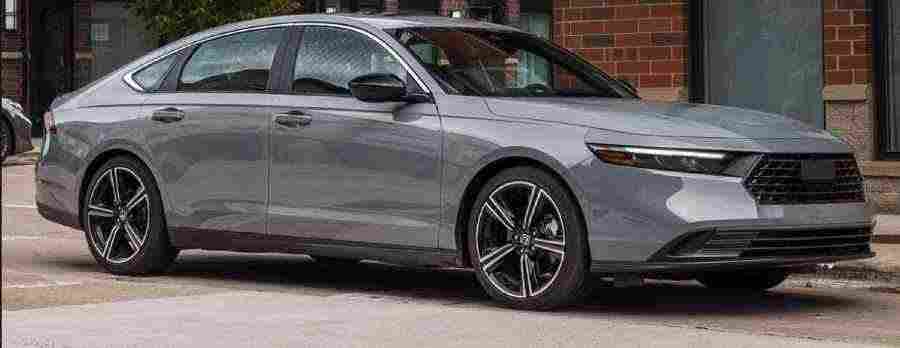
How Much Does Honda Accord Catalytic Converter Replacement Cost?
Honda Accord catalytic converter replacement typically costs $800 to $2,500 or more, including parts and labor, depending on the model year, engine configuration, converter location, and replacement part. Some repairs cost less when a compatible aftermarket converter is available, while OEM assemblies and complex installations can exceed this range. These figures are general planning estimates rather than verified quotes for a specific Accord.
The Honda Accord uses different catalytic converter configurations across its generations. Depending on the engine and model year, the converter may be integrated with the exhaust manifold or installed farther downstream in the exhaust system. Manifold-integrated converters generally require more expensive replacement assemblies, while accessible underbody converters may involve lower parts and labor costs.
The following table shows illustrative replacement cost ranges for budgeting purposes.
| Cost component | Estimated cost |
|---|---|
| Aftermarket catalytic converter | $200–$900 |
| OEM catalytic converter | $700–$2,000+ |
| Labor | $150–$500 |
| Total replacement | $800–$2,500+ |
Actual prices depend on vehicle specifications, local repair rates, emissions certification, and parts availability. The estimates should not be treated as fixed prices or added together without checking the selected repair configuration.
How Much Does a Honda Accord Catalytic Converter Cost?
A Honda Accord catalytic converter generally costs $200 to $2,000 or more for the part alone, with aftermarket converters occupying the lower end of the price range and OEM assemblies generally costing more. The correct replacement depends on the vehicle identification number (VIN), engine type, model year, converter position, and emissions certification.
OEM catalytic converters are designed to match the vehicle manufacturer’s specifications, including mounting points, exhaust connections, and emissions performance. Aftermarket converters offer alternative replacement options, but their compatibility must be verified before purchase. A converter designed for one Honda Accord engine or emissions configuration is not necessarily suitable for another, even when both vehicles share the same model year.
Direct-fit catalytic converters are manufactured for specific vehicle applications and typically use existing exhaust connections. Universal converters require additional fabrication, such as cutting and welding, which increases installation complexity. For vehicles registered in states with California-based emissions requirements, replacement converters must also meet the applicable emissions rules. An inexpensive converter that lacks the required certification is not a suitable replacement.
How Much Does Labor Cost to Replace a Honda Accord Catalytic Converter?
Labor to replace a Honda Accord catalytic converter is commonly estimated at $150 to $500, although difficult installations can cost more. The final labor charge depends on the shop’s hourly rate, converter accessibility, exhaust condition, and whether additional components require removal or repair.
An accessible bolt-on catalytic converter generally requires less labor than a manifold-integrated assembly. Corroded exhaust bolts, damaged mounting studs, seized oxygen sensors, and deteriorated exhaust connections can increase repair time. For example, a technician may need to extract a broken exhaust stud before installing the replacement converter, adding labor beyond the standard removal and installation procedure.
Independent repair shops and Honda dealerships may also charge different hourly rates. Dealerships typically use manufacturer-specific service procedures and OEM parts, while independent shops may offer additional aftermarket replacement options. A complete written estimate should identify the converter assembly, labor charge, gaskets, related hardware, diagnostic fees, and applicable taxes.
What Are the Signs of a Bad Honda Accord Catalytic Converter?
The main signs of a bad Honda Accord catalytic converter include an illuminated Check Engine Light, reduced acceleration, restricted exhaust flow, rattling noises, and unusual exhaust odors. These symptoms develop when the converter loses its ability to process exhaust pollutants, becomes physically damaged, or restricts the movement of exhaust gases. However, none of these symptoms independently confirms catalytic converter failure.
An illuminated Check Engine Light is one of the most recognizable warning signs. Diagnostic trouble code P0420 indicates that catalytic converter efficiency has fallen below the threshold monitored by the engine control system. The system evaluates signals from exhaust sensors to assess converter performance. However, exhaust leaks, incorrect fuel mixtures, sensor faults, and engine misfires can also contribute to a P0420 code. A diagnostic inspection is necessary before determining whether replacement is required.
Poor acceleration and reduced engine power can indicate a restricted catalytic converter. When the converter’s internal ceramic substrate melts, collapses, or becomes obstructed, exhaust gases cannot flow freely through the exhaust system. This restriction increases exhaust backpressure and interferes with the engine’s ability to expel combustion gases. A severely restricted converter may cause sluggish acceleration, difficulty maintaining speed under load, or engine stalling. Similar performance problems can also result from ignition, fuel delivery, or intake system faults.
A rattling noise beneath the vehicle or near the engine can indicate physical damage inside the catalytic converter. The converter contains a ceramic or metallic substrate coated with catalytic materials. If the substrate cracks or breaks apart, loose fragments may produce metallic rattling sounds during acceleration, idling, or changes in engine speed. Exhaust heat shields and loose mounting hardware can produce similar noises, so the sound’s source must be confirmed through inspection.
Unusual exhaust odors can also accompany catalytic converter problems. A sulfur-like or rotten-egg smell may occur when sulfur-containing exhaust compounds are not being processed effectively. However, an excessively rich fuel mixture or another combustion-related problem can produce the same odor. The smell alone cannot establish that the catalytic converter has failed.
Excessive heat around the converter may indicate a serious engine or exhaust problem. Engine misfires can send unburned fuel into the exhaust system, where it reacts inside the catalytic converter and generates abnormal heat. Prolonged overheating can damage the internal substrate and surrounding components. A flashing Check Engine Light, severe power loss, or signs of overheating require prompt attention because continued operation may cause additional damage.
Catalytic converter replacement should follow diagnostic confirmation rather than symptom recognition alone. Replacing the converter without correcting an underlying misfire, exhaust leak, or fuel mixture problem can leave the original fault unresolved and damage the new component.
How Do You Know if a Honda Accord Catalytic Converter Needs Replacement?
A Honda Accord catalytic converter needs replacement when diagnostic testing confirms that it has lost its emissions-control efficiency, developed internal structural damage, or become severely restricted. The most reliable diagnosis combines OBD-II trouble codes, oxygen sensor data, exhaust system inspection, and engine performance testing. A Check Engine Light or P0420 code alone does not establish that the catalytic converter is defective.
The first diagnostic step is retrieving stored trouble codes using an OBD-II scanner. Code P0420 indicates that the catalyst system efficiency is below the threshold expected by the engine control module (ECM). The ECM monitors exhaust sensor signals to evaluate how effectively the catalytic converter processes exhaust gases. A properly functioning converter stores and releases oxygen during catalytic reactions, producing a different downstream oxygen sensor response from the upstream sensor. When the monitored signals indicate insufficient oxygen-storage performance, the ECM may register P0420.
However, a P0420 code can also result from problems outside the catalytic converter. Exhaust leaks near the converter or oxygen sensors can introduce additional oxygen into the exhaust stream and distort sensor readings. Engine misfires, worn spark plugs, leaking fuel injectors, and incorrect air-fuel mixtures can also affect exhaust composition and catalyst efficiency. These faults must be investigated before replacing the converter because installing a new unit will not correct the underlying engine problem.
Oxygen sensor data provides additional diagnostic information. A technician can examine upstream and downstream sensor signals using a scan tool while the engine operates under the appropriate test conditions. On systems using conventional switching oxygen sensors, a healthy converter generally reduces fluctuations in the downstream sensor signal compared with the upstream signal. Similar switching patterns may indicate reduced catalyst oxygen-storage capacity, but sensor behavior varies by Honda Accord model year and engine management system. Some Accord engines use wideband air-fuel ratio sensors upstream, requiring different interpretation. Sensor readings should therefore be evaluated against the applicable Honda diagnostic procedure rather than a universal voltage pattern.
A physical inspection helps identify converter damage and exhaust restrictions. Technicians check the converter housing for impact damage, overheating, corrosion, and exhaust leaks. A rattling sound may indicate a fractured internal substrate, while severe exhaust restriction can cause poor acceleration and reduced engine power. Exhaust backpressure testing can help identify a blocked converter by measuring pressure upstream of the suspected restriction. Excessive pressure under the manufacturer’s specified test conditions supports a restriction diagnosis, although other exhaust components must also be considered.
Catalytic converter temperature measurements can provide supporting evidence, but they are not a definitive diagnostic test. Exhaust temperature depends on engine load, fuel mixture, operating conditions, and converter activity. Comparing inlet and outlet temperatures without controlling these variables can produce misleading conclusions. Temperature readings should be interpreted alongside scan data, exhaust flow measurements, and inspection results.
Replacement is justified when testing identifies a defective converter and other causes have been ruled out or corrected. For example, a Honda Accord with persistent P0420, no exhaust leaks, properly functioning sensors, normal fuel control, and confirmed catalyst efficiency failure may require a new converter. In contrast, an Accord displaying P0420 alongside active misfire codes should have the misfire diagnosed and repaired before the converter is condemned. Correcting the original failure helps prevent premature damage to the replacement component.
How Do You Replace a Honda Accord Catalytic Converter?
Replacing a Honda Accord catalytic converter involves six main steps: identifying the correct converter, preparing the vehicle, disconnecting related components, removing the old converter, installing the replacement, and checking the exhaust system for leaks and diagnostic faults. The exact procedure depends on the Accord’s model year, engine configuration, and catalytic converter location. Some models use a converter integrated with the exhaust manifold, while others have a separate converter mounted beneath the vehicle.
Before starting the replacement, confirm that the catalytic converter has failed and that the underlying cause has been corrected. Engine misfires, excessive fuel delivery, and oil contamination can damage a new converter shortly after installation. The replacement must also match the vehicle’s emissions certification and exhaust configuration. For example, a converter approved for a federal-emissions Honda Accord may not satisfy the requirements for an Accord registered in a state that requires California-approved replacement converters.
What Tools Do You Need to Replace a Honda Accord Catalytic Converter?
Replacing a Honda Accord catalytic converter generally requires a socket and wrench set, an oxygen sensor socket, a torque wrench, penetrating oil, appropriate lifting equipment, and replacement exhaust hardware. Additional tools may be necessary when mounting bolts are corroded or the replacement converter requires exhaust pipe modifications.
The essential tools and materials include the following.
| Tool or material | Purpose |
|---|---|
| Socket and ratchet set | Remove exhaust flange bolts and mounting hardware |
| Oxygen sensor socket | Remove oxygen sensors without damaging their wiring |
| Torque wrench | Tighten fasteners to specified torque values |
| Penetrating oil | Help loosen corroded exhaust fasteners |
| Floor jack and jack stands | Raise and securely support the vehicle when underbody access is required |
| Replacement exhaust gaskets | Seal connections between exhaust components |
| Replacement bolts and nuts | Secure the new catalytic converter |
| OBD-II scanner | Check diagnostic trouble codes and monitor system operation |
Vehicle support is a critical safety requirement. The Honda Accord must be parked on a stable, level surface, with the parking brake engaged and the wheels appropriately chocked. When underbody access is necessary, the vehicle must be supported at the manufacturer-designated lifting points using properly rated jack stands or a vehicle lift. Never work underneath a vehicle supported only by a hydraulic floor jack.
The exhaust system must also cool completely before work begins. Catalytic converters operate at extremely high temperatures during normal engine operation and can cause severe burns after the engine is switched off. Technicians should wear protective gloves and eye protection, especially when handling corroded exhaust components.
How Do You Remove and Install a Honda Accord Catalytic Converter?
The Honda Accord catalytic converter removal and installation process follows six general stages. These steps describe a typical bolt-on replacement and do not replace the model-specific Honda service manual. Manifold-integrated converters, welded exhaust assemblies, and configurations requiring removal of additional engine components need different procedures.
Step 1: Locate the catalytic converter and verify the replacement part.
Identify the converter that requires replacement before removing any exhaust components. Depending on the Accord generation and engine, the catalytic converter may be positioned close to the engine or farther downstream beneath the vehicle. Some configurations contain more than one emissions-control catalyst.
Confirm the replacement part using the vehicle identification number, engine specification, converter position, and emissions label. Compare the new assembly with the original component, including mounting flanges, sensor ports, exhaust pipe connections, and heat shield clearance. Installing an incompatible converter can create exhaust leaks, mounting problems, or emissions compliance issues.
Step 2: Disconnect the oxygen sensors and related components.
Locate the oxygen sensors or air-fuel ratio sensors attached to the converter or adjacent exhaust components. Disconnect their electrical connectors where necessary, keeping the wiring away from sharp edges and exhaust hardware. Use the appropriate sensor socket to remove sensors that must be transferred to the replacement assembly.
Avoid pulling or twisting sensor wires because damaged wiring can interfere with engine control and catalyst monitoring. Inspect the sensor threads, connectors, and harness condition before reinstallation. Sensors should be replaced only when testing or physical damage justifies replacement, rather than automatically whenever the catalytic converter is changed.
Step 3: Remove the old catalytic converter.
Apply penetrating oil to accessible exhaust flange bolts and allow sufficient time for it to work. Support the exhaust assembly where necessary before loosening mounting fasteners. Remove the bolts, brackets, and connections securing the converter to the exhaust manifold or adjoining exhaust pipes.
Corroded bolts and seized mounting studs can complicate removal, particularly on older Honda Accord models exposed to road salt and moisture. Excessive force may damage exhaust flanges or nearby components. If the converter is integrated with the exhaust manifold, additional access work may be required. Cutting or welding should be performed only by someone equipped and qualified to complete the repair safely.
Once the fasteners are removed, carefully separate the converter from the exhaust system. Inspect the surrounding pipes, mounting surfaces, and heat shields for cracks, corrosion, or other damage that could compromise the new installation.
Step 4: Install the replacement catalytic converter.
Position the new catalytic converter in the same orientation as the original assembly. Install the required new gaskets and align the mounting flanges before tightening the fasteners. Start the bolts by hand to reduce the risk of cross-threading and ensure that the exhaust connections seat correctly.
Tighten mounting hardware in the sequence and to the torque specifications provided for the specific Honda Accord model. Universal torque values should not be used because fastener sizes, materials, and mounting designs vary. Reinstall the oxygen sensors using the applicable service instructions and ensure their wiring is routed away from hot exhaust surfaces and moving components.
Check that the converter, exhaust pipes, brackets, and heat shields have adequate clearance from the vehicle body, wiring, fuel lines, and suspension components. Incorrect positioning can produce vibration, rattling, or heat-related damage.
Step 5: Inspect the exhaust system for leaks.
After the replacement is securely installed and all tools have been removed from the work area, start the engine and inspect the exhaust connections for leaks. Listen for unusual hissing or ticking noises near the mounting flanges and sensor ports. Exhaust leaks can affect oxygen sensor readings, increase noise, and interfere with catalytic converter efficiency monitoring.
A professional exhaust leak test is appropriate when a leak is suspected but cannot be located visually or audibly. Exhaust gases contain carbon monoxide, so the engine must not be operated in an enclosed garage or poorly ventilated workspace.
Step 6: Verify the repair using an OBD-II scanner.
Use an OBD-II scanner to check for remaining diagnostic trouble codes after installation. Clear codes only after the original diagnostic information has been recorded and the underlying faults have been addressed. Clearing codes also resets emissions readiness monitors on many vehicles, meaning the catalytic converter monitoring system may need additional driving before completing its self-tests.
Drive the Honda Accord under appropriate operating conditions and confirm that the Check Engine Light does not return. Review catalyst monitor readiness, fuel-trim readings, and relevant sensor data according to the vehicle’s diagnostic procedure. A successful replacement should restore proper exhaust operation without introducing leaks, abnormal noises, or new diagnostic faults.
The repair is complete only after the replacement converter is securely installed, the exhaust system is leak-free, and the relevant emissions diagnostics confirm normal operation. If P0420 returns after replacement, further investigation is necessary to identify unresolved engine, sensor, exhaust, or converter compatibility problems.
Which Catalytic Converter Fits Your Honda Accord?
The correct catalytic converter for a Honda Accord depends on five specifications: model year, engine configuration, converter location, emissions certification, and vehicle identification number (VIN). A replacement converter must match the vehicle’s exhaust system and applicable emissions requirements. Catalytic converters designed for different Accord generations or engine configurations are not automatically interchangeable, even when their mounting dimensions appear similar.
Honda Accord catalytic converter configurations have changed across model generations. Older models commonly use naturally aspirated four-cylinder or V6 engines, while newer generations include turbocharged engines and hybrid powertrains. These differences affect exhaust routing, converter placement, sensor connections, and replacement part compatibility. For example, a catalytic converter designed for a 2015 Honda Accord with a 2.4-liter engine should not be assumed to fit a 2018 Accord with a 1.5-liter turbocharged engine. The exhaust assemblies and emissions-control configurations differ between these applications.
The following table summarizes major Honda Accord engine configurations that affect catalytic converter selection.
| Honda Accord model years | Common engine configurations |
|---|---|
| 2003–2007 | 2.4L four-cylinder, 3.0L V6 |
| 2008–2012 | 2.4L four-cylinder, 3.5L V6 |
| 2013–2017 | 2.4L four-cylinder, 3.5L V6, hybrid variants |
| 2018–2022 | 1.5L turbo, 2.0L turbo, hybrid variants |
| 2023–2026 | 1.5L turbo, 2.0L hybrid system, depending on model year and market |
These engine configurations are general references for the U.S. market, not a complete catalytic converter fitment catalog. Exact compatibility must be checked against the vehicle’s VIN and emissions information.
Honda Accord owners can choose between OEM and compatible aftermarket catalytic converters. OEM catalytic converters are manufactured to meet Honda’s original vehicle specifications, while aftermarket converters are produced by independent manufacturers for designated vehicle applications. OEM assemblies generally provide factory-matched mounting points and exhaust connections, although their purchase prices are typically higher. Aftermarket direct-fit converters may reduce parts costs, provided they meet the required emissions standards and are approved for the specific vehicle.
Emissions certification is particularly important when selecting an aftermarket catalytic converter. The U.S. Environmental Protection Agency regulates replacement catalytic converters under federal emissions requirements, while California and certain other states apply additional rules based on California Air Resources Board (CARB) standards. Vehicles subject to California-based replacement converter requirements must use an approved converter for the specific application. A federal-compliant aftermarket converter is not automatically legal for installation on a vehicle subject to CARB replacement requirements.
The vehicle’s emissions label provides essential information about its original certification. This label is generally located in the engine compartment and identifies the applicable emissions standards. For CARB-regulated applications, buyers should verify the converter’s Executive Order approval, part number, vehicle application, and installation restrictions. The correct converter must satisfy both physical fitment and emissions compliance.
Before purchasing a replacement, compare the original and proposed converters using the VIN, OEM part number, engine code, converter position, and supplier fitment documentation. Also confirm the number and location of oxygen sensor ports, flange design, mounting brackets, and included hardware. Matching the VIN and emissions certification is more reliable than selecting a converter using the model year alone.
Can You Replace a Honda Accord Catalytic Converter Yourself?
You can replace a Honda Accord catalytic converter yourself if the vehicle uses an accessible bolt-on assembly and you have the necessary mechanical experience, tools, and safe lifting equipment. However, professional replacement is recommended when the converter is integrated with the exhaust manifold, requires welding, or involves heavily corroded mounting hardware. The difficulty depends primarily on the converter’s location and the vehicle’s exhaust system design.
A straightforward bolt-on replacement may take an experienced technician approximately 1–3 hours, while more complicated installations can require additional time. These are illustrative labor-time estimates rather than Honda-specific service allowances. Manifold-integrated converters may require removing heat shields, exhaust brackets, or nearby components to gain access. Seized fasteners, damaged studs, and deteriorated exhaust connections can further extend the repair.
DIY replacement can reduce labor expenses because the owner pays primarily for the converter, gaskets, hardware, and any necessary tools. For example, replacing an accessible direct-fit converter avoids the shop’s installation charge when the owner already has suitable equipment. However, purchasing specialized tools, repairing broken fasteners, or correcting installation mistakes can offset these savings. The financial benefit therefore depends on the owner’s existing equipment and ability to complete the repair correctly.
The main challenges of DIY catalytic converter replacement involve safe vehicle access, exhaust hardware removal, sensor handling, and correct installation. Exhaust components experience repeated heating and cooling cycles that promote corrosion and make bolts difficult to remove. Excessive force can damage exhaust flanges, oxygen sensors, or mounting studs. Improperly installed gaskets and loose connections can also create exhaust leaks that interfere with emissions monitoring.
Professional replacement is preferable when diagnostic results are inconclusive or the vehicle has recurring P0420 codes. A qualified technician can evaluate oxygen sensor operation, fuel control, exhaust leaks, and converter efficiency before replacing the component. This diagnostic process is important because a new catalytic converter will not correct an unresolved engine misfire or fuel mixture problem. Professional repair also provides access to vehicle-specific service information, specialized equipment, and applicable parts or workmanship warranties.
Emissions compliance applies to both DIY and professional installations. The replacement converter must be approved for the vehicle’s application, and removing or bypassing the emissions-control system is not a lawful alternative to proper repair for road-use vehicles under applicable U.S. emissions laws. Owners should also check whether their Honda Accord remains eligible for emissions warranty coverage before paying for replacement. Under federal rules, qualifying original catalytic converters generally have emissions warranty coverage of eight years or 80,000 miles, whichever occurs first, subject to warranty conditions.
DIY replacement is most practical for accessible bolt-on converters after the failure has been correctly diagnosed. Professional service is the better option for complex exhaust assemblies, welding requirements, difficult fastener removal, or unresolved engine performance problems. In either case, the installation must restore proper exhaust sealing, catalytic converter operation, and emissions compliance.
What Causes a Honda Accord Catalytic Converter to Fail?
Honda Accord catalytic converter failure has five main causes: engine misfires, incorrect air-fuel mixtures, oil contamination, coolant leaks, and physical damage. These problems can overheat the converter, contaminate its catalytic coating, or damage its internal substrate. Identifying the original cause is essential because replacing the converter without correcting the underlying engine problem can lead to repeated failure.
Engine misfires are a major cause of catalytic converter overheating. When a cylinder fails to burn its air-fuel mixture correctly, unburned fuel and oxygen can enter the exhaust system. The fuel may then oxidize inside the catalytic converter, generating excessive heat that damages or melts its ceramic substrate. Worn spark plugs, defective ignition coils, and fuel delivery problems can contribute to misfires. A flashing Check Engine Light may indicate a catalyst-damaging misfire and requires immediate attention.
Incorrect air-fuel mixtures can also shorten catalytic converter life. A rich mixture introduces excess fuel into the exhaust, increasing the converter’s thermal load, while a lean mixture can contribute to abnormal combustion temperatures and misfires. Faulty fuel injectors, inaccurate sensor readings, intake leaks, and fuel pressure problems can disrupt combustion control. For example, a leaking fuel injector may continuously deliver excess gasoline into one cylinder, exposing the converter to repeated overheating.
Oil and coolant contamination damage catalytic converters through a different mechanism. Worn piston rings, deteriorated valve stem seals, or positive crankcase ventilation problems can allow engine oil to enter the combustion chambers. Burning oil produces deposits that can accumulate on the converter’s catalytic surfaces and reduce their effectiveness. Internal coolant leaks, including those caused by a damaged cylinder head gasket, can introduce contaminants that interfere with catalytic reactions. These problems must be repaired before installing a replacement converter.
Physical damage is another cause of converter failure. Road debris, underbody impacts, severe corrosion, and damaged exhaust mounts can crack the converter housing or internal substrate. Repeated vibration may also damage an already weakened ceramic structure. A fractured substrate can produce rattling noises or obstruct exhaust flow, resulting in reduced engine performance.
Preventing repeated catalytic converter failure requires maintaining proper engine combustion and repairing faults promptly. Routine ignition system maintenance, timely diagnosis of misfire codes, correction of oil or coolant consumption, and inspection of exhaust leaks help protect the converter. When replacing a failed unit, the repair should address both the damaged component and the condition that caused its failure.
How Long Does a Honda Accord Catalytic Converter Last?
A Honda Accord catalytic converter is designed to operate for many years and can last 100,000 miles or longer when the engine and exhaust system remain in good condition. However, there is no fixed replacement interval that applies to every Honda Accord. Actual service life depends on engine maintenance, combustion efficiency, driving conditions, exhaust system condition, and exposure to contaminants.
Catalytic converters do not contain conventional moving parts that require scheduled replacement. Their internal structure consists of a ceramic or metallic substrate coated with catalytic materials that promote chemical reactions in the exhaust stream. Over time, thermal aging, contamination, and repeated exposure to high exhaust temperatures can reduce catalytic efficiency. A properly maintained engine limits these stresses and helps preserve converter performance.
Driving conditions also influence catalytic converter longevity. Frequent short trips may prevent the exhaust system from consistently reaching normal operating temperatures, while repeated engine misfires or prolonged operation with incorrect fuel mixtures can accelerate deterioration. Road salt, moisture, and underbody impacts can damage the converter housing and exhaust connections independently of the internal catalyst.
Honda Accord owners should distinguish expected service life from emissions warranty coverage. Under the federal emissions warranty, qualifying original catalytic converters are generally covered for eight years or 80,000 miles, whichever occurs first. This coverage establishes a warranty obligation, not an expected failure mileage or a scheduled replacement point. Additional warranty terms may apply depending on the vehicle, manufacturer coverage, and state regulations.
A catalytic converter should therefore be replaced based on confirmed failure rather than mileage alone. For example, a Honda Accord with 150,000 miles, normal engine performance, no relevant diagnostic faults, and compliant emissions performance does not require catalytic converter replacement solely because of its odometer reading. Conversely, a lower-mileage Accord with a severely overheated or physically damaged converter may require replacement much earlier.
The most effective way to extend Honda Accord catalytic converter life is to maintain proper engine operation and correct combustion-related faults before they damage the exhaust system. Prompt attention to misfires, excessive oil consumption, coolant leaks, and abnormal fuel mixtures helps prevent premature converter failure and unnecessary replacement expenses.
Read more: Ford F150 Catalytic Converter Replacement Cost & Steps
Can You Clean a Honda Accord Catalytic Converter Instead of Replacing It?
Cleaning a Honda Accord catalytic converter is not a reliable substitute for replacement when the converter has internal damage, severe blockage, or permanently degraded catalytic materials. Some converter-related symptoms can disappear after correcting engine problems, but chemical cleaners cannot restore a melted ceramic substrate, repair fractured internal components, or replace deteriorated catalytic coatings. The appropriate repair depends on the converter’s physical condition and the underlying cause of its reduced efficiency.
Catalytic converter cleaners are typically fuel additives marketed to remove deposits from the fuel and exhaust systems. Their effectiveness depends on the type of contamination and the converter’s condition, and there is insufficient reliable evidence that these products consistently restore a failed converter to its required emissions performance. For example, a Honda Accord displaying P0420 because of a cracked catalytic substrate will not regain proper converter efficiency through a fuel additive. Physical damage requires replacement of the affected component.
Some catalytic converter efficiency problems originate outside the converter itself. Engine misfires, exhaust leaks, faulty oxygen sensors, and incorrect fuel mixtures can trigger catalyst-related diagnostic codes without proving that the converter has permanently failed. Correcting these problems may restore normal catalyst monitoring results when the converter remains functional. For instance, repairing an exhaust leak near an oxygen sensor can eliminate misleading sensor readings that contributed to a P0420 code.
Cleaning also cannot reverse severe exhaust restrictions caused by melted or collapsed internal components. A blocked converter restricts exhaust flow, increases backpressure, and reduces engine performance. Continuing to operate the vehicle with significant exhaust restriction can create additional mechanical and thermal stress. When inspection and testing confirm internal blockage or structural failure, replacing the converter is the appropriate repair.
Honda Accord owners should diagnose the cause of catalytic converter problems before purchasing cleaning products or replacement parts. If the converter is structurally intact and the fault originates from an engine or sensor problem, repairing that fault may resolve the symptoms without replacing the converter. If testing confirms permanent catalyst deterioration, internal damage, or severe restriction, replacement is necessary to restore proper exhaust operation and emissions performance.
Can You Drive a Honda Accord With a Bad Catalytic Converter?
You may be able to drive a Honda Accord with a malfunctioning catalytic converter for a limited period if the engine operates normally and the converter is not severely restricted, but continued driving is not recommended without diagnosis. The risks depend on whether the problem involves reduced catalytic efficiency, physical damage, overheating, or exhaust blockage. A converter that no longer meets emissions requirements can produce different driving symptoms from one that physically restricts exhaust flow.
A Honda Accord with a steady Check Engine Light and a confirmed P0420 code may continue to accelerate and operate normally when the converter’s primary problem is reduced emissions-control efficiency. However, normal driving performance does not mean the vehicle meets emissions standards or that the underlying problem can be ignored. Exhaust leaks, fuel mixture faults, and engine misfires should be investigated because they can cause additional damage or create safety hazards.
Driving becomes more hazardous when the catalytic converter is severely clogged. A restricted converter prevents exhaust gases from leaving the engine efficiently, increasing exhaust backpressure and reducing engine power. The Honda Accord may struggle to accelerate, lose speed under load, or stall. For example, a converter with a collapsed internal substrate may allow the engine to idle but significantly restrict exhaust flow during acceleration. A vehicle experiencing severe power loss or stalling should not be driven until the problem has been evaluated.
Catalytic converter overheating presents another concern. Engine misfires can introduce unburned fuel into the exhaust system, where it reacts inside the converter and generates excessive heat. This condition can damage nearby exhaust components and increase fire risk. A flashing Check Engine Light, strong burning smell, visible smoke, or abnormal heat requires immediate attention. The driver should stop in a safe location, switch off the engine, and arrange professional assistance rather than continuing to drive.
A malfunctioning catalytic converter can also cause emissions inspection failure. In U.S. states that require periodic emissions testing, a Honda Accord may fail because of catalyst-related diagnostic codes, incomplete readiness monitors, or excessive exhaust emissions. Clearing a P0420 code without correcting the underlying fault does not constitute a repair and may leave the vehicle unable to complete the required inspection.
The safest decision depends on the vehicle’s symptoms and diagnostic findings. A Honda Accord with a steady Check Engine Light but otherwise normal operation should receive a prompt diagnostic inspection. A vehicle experiencing severe acceleration problems, repeated stalling, a flashing Check Engine Light, or signs of exhaust overheating should not continue operating until the cause has been identified.
Replacing a confirmed faulty catalytic converter restores the vehicle’s intended emissions-control function, provided the replacement is compatible and any underlying engine problems have been corrected. Proper diagnosis, compliant replacement parts, and post-installation testing are necessary to prevent recurring faults and ensure reliable Honda Accord operation.