Standing at the gas station may seem like a routine part of owning a car, but many Toyota Corolla drivers still find themselves wondering which fuel option is actually the right one. With regular, mid-grade, and premium gasoline available at most pumps, choosing the correct fuel can be confusing, especially for new owners or those upgrading to a newer Corolla model.
One of the most common questions drivers ask is: What type of gas does a Toyota Corolla take? The answer may appear simple, but there are several important factors worth understanding, including octane ratings, fuel recommendations by model year, and whether premium gasoline offers any real advantages. Making the wrong assumption could lead to unnecessary fuel expenses or misconceptions about vehicle performance.
The Toyota Corolla has built a reputation as one of the most reliable, fuel-efficient, and affordable compact cars on the market. To maintain that reputation and keep operating costs low, Toyota engineers designed most Corolla models to perform optimally using a specific type of gasoline. Understanding those requirements can help drivers maximize fuel economy, protect engine health, and avoid wasting money at the pump.
In this complete fuel guide, we’ll explain exactly what type of gas a Toyota Corolla takes, whether premium fuel is worth the extra cost, and how to choose the best fuel for your specific Corolla model.
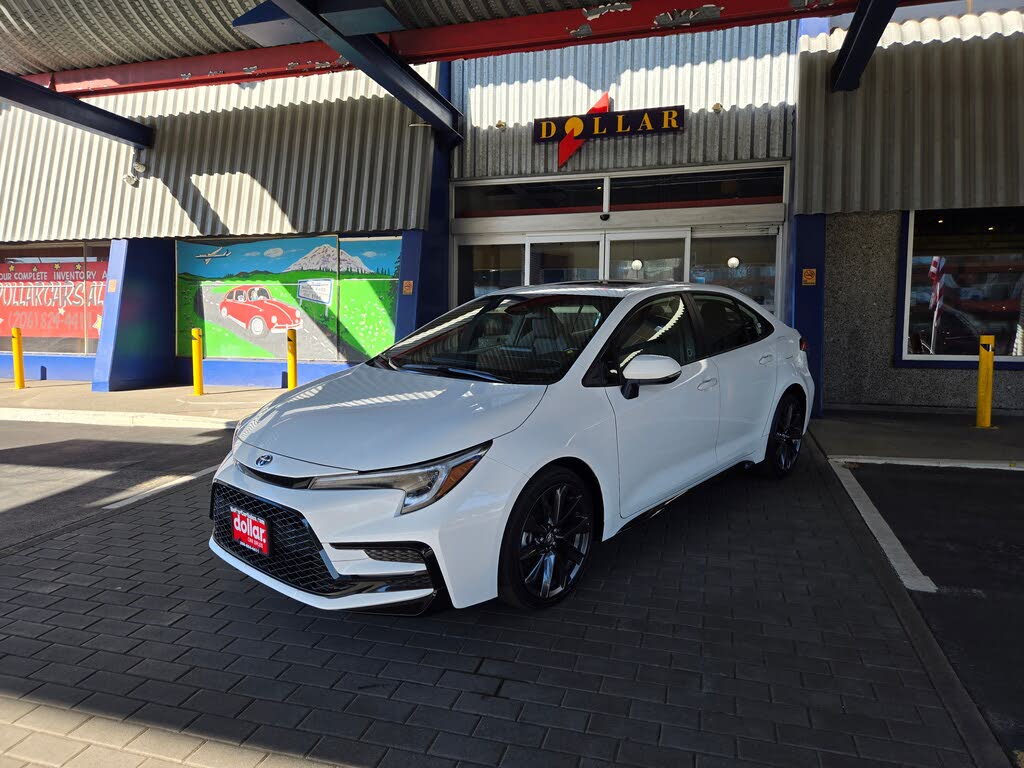
What Type of Gas Does a Toyota Corolla Take?
The short answer is simple: most Toyota Corolla models are designed to use regular unleaded gasoline with an octane rating of 87. This recommendation applies to the vast majority of Corolla vehicles sold over the past two decades, including both traditional gasoline models and newer hybrid variants.
Toyota engineers carefully design Corolla engines to deliver the best balance of performance, fuel economy, reliability, and affordability using regular fuel. Unlike some luxury vehicles or high performance sports cars that require premium gasoline, the Corolla does not need high octane fuel to operate as intended.
Using the manufacturer recommended fuel allows the engine to function efficiently while minimizing ownership costs. For most drivers, choosing regular unleaded gasoline is the most economical and practical option. It provides the performance Toyota intended without paying extra for fuel that the engine does not require.
If you are unsure about your specific vehicle, always check the owner’s manual or the fuel recommendation label located inside the fuel door. However, for most Corolla owners, regular 87 octane gasoline is the correct choice.
Understanding Octane Ratings
To understand why Toyota recommends regular gasoline, it helps to know what an octane rating actually means.
An octane rating measures a fuel’s ability to resist premature combustion inside the engine. When fuel ignites too early, it can create a condition known as engine knock or detonation. Modern engines are designed with specific compression ratios that determine the minimum octane level required for safe and efficient operation.
In the United States, gasoline is commonly available in three grades. Regular gasoline typically carries an octane rating of 87. Mid grade gasoline is usually rated at 89 octane. Premium gasoline generally ranges from 91 to 93 octane depending on the region and fuel supplier.
Many drivers mistakenly believe that higher octane fuel contains more energy or automatically improves vehicle performance. In reality, octane rating is not a measure of fuel quality or power. It simply indicates how resistant the fuel is to knocking under pressure.
Because Toyota Corolla engines are engineered to run efficiently on 87 octane fuel, using a higher octane gasoline usually provides little to no measurable benefit. The engine management system is already calibrated for regular fuel, meaning the vehicle can achieve its intended performance without the added cost of premium gasoline.
Does a Toyota Corolla Need Premium Gas?
No, a Toyota Corolla does not require premium gasoline under normal driving conditions.
This is one of the most common misconceptions among vehicle owners. Some drivers assume that spending more on premium fuel will automatically improve acceleration, increase fuel economy, or extend engine life. While that may be true for certain high compression or turbocharged engines specifically designed for premium fuel, it generally does not apply to the Toyota Corolla.
When premium gasoline is used in a Corolla that is designed for regular fuel, the engine typically experiences little to no increase in horsepower. Fuel economy improvements are usually so small that they fail to offset the higher price paid at the pump. As a result, many drivers end up spending more money without receiving meaningful benefits in return.
That does not mean premium gasoline is harmful. If premium fuel is the only option available during travel, or if it is accidentally selected at the pump, the vehicle will operate normally. The issue is simply one of value rather than safety.
Toyota’s recommendation remains clear. For most Corolla models, regular unleaded gasoline with an octane rating of 87 provides the ideal balance of performance, efficiency, and operating cost. Following the manufacturer’s guidance is typically the smartest and most cost effective decision for long term ownership.
Toyota Corolla Fuel Requirements by Model Year
One reason the Toyota Corolla remains one of the world’s best selling vehicles is its consistency. Over the years, Toyota has focused on reliability, efficiency, and affordability rather than requiring expensive fuel or complicated maintenance. As a result, fuel recommendations have remained largely unchanged across multiple generations of the Corolla.
Most Toyota Corolla models produced from the early 2000s through current model years are designed to run on regular unleaded gasoline with an octane rating of 87. Whether you own an older Corolla used for daily commuting or a newer model equipped with advanced safety and technology features, the recommended fuel is generally the same.
Drivers of Corolla models manufactured between 2000 and 2008 can confidently use regular 87 octane gasoline. The same recommendation applies to models built from 2009 through 2019. Even the latest Corolla generations introduced from 2020 onward continue to use regular unleaded fuel as the preferred option.
While fuel requirements are remarkably consistent, owners should always consult their specific owner’s manual. Vehicle specifications can vary slightly by market, trim level, and engine configuration. Checking the manufacturer’s documentation ensures that you are following the most accurate recommendation for your vehicle.
The good news for Corolla owners is that fuel costs remain predictable. There is no need to budget for premium gasoline as part of regular ownership expenses, which helps keep the Corolla among the most economical vehicles in its class.
What Type of Gas Does a Toyota Corolla Hybrid Take?
Many drivers assume that hybrid vehicles require special fuel because they combine gasoline engines with electric motors. Fortunately, Toyota Corolla Hybrid owners can enjoy the same simplicity as owners of standard Corolla models.
The Toyota Corolla Hybrid is designed to use regular unleaded gasoline with an octane rating of 87. Despite its advanced hybrid powertrain, there is no requirement for premium gasoline. Toyota engineered the system to maximize efficiency while keeping operating costs low, making regular fuel the most practical and cost effective choice.
The hybrid system works by seamlessly switching between electric power and gasoline power depending on driving conditions. Because the gasoline engine itself is designed for regular fuel, using premium gasoline does not unlock additional hybrid performance or significantly improve fuel economy.
One of the primary reasons consumers choose the Corolla Hybrid is its outstanding efficiency. Spending extra money on premium fuel often reduces the financial benefits gained from the vehicle’s excellent fuel economy. For most drivers, following Toyota’s recommendation allows them to enjoy the lowest possible fuel costs while maintaining optimal vehicle performance.
In addition to using the correct gasoline, Corolla Hybrid owners can further improve efficiency by maintaining proper tire pressure, driving smoothly, and keeping up with routine maintenance schedules. These habits typically have a greater impact on fuel savings than upgrading to a more expensive fuel grade.
Can You Put Premium Gas in a Toyota Corolla?
Yes, you can put premium gasoline in a Toyota Corolla without causing damage to the engine. The vehicle’s fuel system and engine management technology are capable of handling higher octane fuel safely.
However, the more important question is whether premium gasoline provides enough benefits to justify the additional cost. In most cases, the answer is no.
Premium gasoline is formulated for engines that require higher resistance to knocking due to increased compression ratios or performance focused tuning. Since the Toyota Corolla is designed to operate efficiently on 87 octane fuel, the higher octane rating typically offers little practical advantage.
Some drivers report smoother engine operation after switching to premium fuel, but these observations are often subjective and difficult to measure consistently. Independent testing has shown that vehicles designed for regular gasoline generally experience minimal changes in horsepower, acceleration, or fuel economy when premium fuel is used.
The financial impact can be significant over time. If premium gasoline costs substantially more per gallon than regular fuel, the additional annual expense may add up quickly without delivering meaningful improvements in vehicle performance or efficiency.
That said, occasional use of premium gasoline is perfectly safe. If premium fuel is the only option available or if you accidentally select it at the pump, there is no need for concern. Simply continue driving as normal and return to regular unleaded fuel during your next fill up.
For the vast majority of Corolla owners, regular 87 octane gasoline remains the best value and the fuel type recommended by Toyota.
What Happens If You Use the Wrong Fuel?
Using the wrong fuel is a concern for many drivers, especially when multiple fuel grades are available at the pump. Fortunately, in most situations involving a Toyota Corolla, the consequences are less severe than many people expect.
If you accidentally fill your Corolla with premium gasoline instead of regular gasoline, there is usually no cause for concern. Premium fuel has a higher octane rating, but it is still gasoline. The engine will continue to run normally, and there is no risk of damage. The primary downside is simply paying more for fuel without receiving significant benefits in return.
In rare cases, drivers worry about using a lower octane fuel than recommended. Since most Toyota Corolla models already recommend 87 octane gasoline, this situation is uncommon. If fuel with a significantly lower octane rating is unavailable in your region, following Toyota’s recommendation remains the safest approach for maintaining engine performance and efficiency.
The most serious fueling mistake occurs when diesel fuel is accidentally added to a gasoline powered Corolla. Diesel and gasoline engines operate very differently, and introducing diesel fuel into a gasoline vehicle can cause major problems. If this happens, do not start the engine. Starting the vehicle can circulate the contaminated fuel through the fuel system and increase repair costs. Instead, contact roadside assistance or a qualified mechanic immediately.
Another mistake involves mixing fuel with contaminants such as water or poor quality gasoline. While modern vehicles are designed to handle minor variations in fuel quality, consistently using unreliable fuel sources may negatively affect performance over time. Choosing reputable fuel stations helps minimize this risk and contributes to long term engine health.
Tips to Improve Toyota Corolla Fuel Economy
One of the biggest advantages of owning a Toyota Corolla is its excellent fuel efficiency. While the vehicle is already engineered to maximize miles per gallon, several driving and maintenance habits can help you achieve even better results.
Maintaining proper tire pressure is one of the simplest ways to improve fuel economy. Underinflated tires create additional rolling resistance, forcing the engine to work harder and consume more fuel. Checking tire pressure regularly can help improve efficiency while also extending tire life.
Driving habits play an equally important role. Rapid acceleration, hard braking, and aggressive driving can significantly reduce fuel economy. Smooth acceleration and maintaining a consistent speed allow the engine to operate more efficiently, especially during highway travel.
Reducing unnecessary weight inside the vehicle can also make a noticeable difference. Carrying heavy cargo that is not needed increases the workload on the engine. Removing excess items from the trunk and cabin can help improve overall efficiency.
Routine maintenance is another key factor. Regular oil changes, air filter replacements, and spark plug inspections ensure that the engine operates as efficiently as possible. Even small maintenance issues can gradually reduce fuel economy if left unaddressed.
Using high quality fuel from reputable stations may also support long term engine cleanliness. Many drivers choose fuels that meet Top Tier standards because they contain enhanced detergent additives designed to help reduce engine deposits. While this does not mean premium gasoline is necessary, it does highlight the importance of fuel quality.
By combining smart driving habits with consistent maintenance, Corolla owners can maximize fuel savings and enjoy lower operating costs throughout the life of the vehicle.
Common Fuel Myths About the Toyota Corolla
There are many misconceptions surrounding gasoline, octane ratings, and vehicle performance. Understanding the facts can help Toyota Corolla owners make informed decisions and avoid unnecessary expenses.
One of the most common myths is that premium gasoline automatically improves performance. While premium fuel is beneficial for vehicles specifically designed to use it, most Corolla engines are optimized for regular gasoline. As a result, switching to premium fuel typically produces little to no measurable increase in power.
Another popular myth suggests that premium gasoline dramatically cleans the engine better than regular fuel. In reality, many modern fuels contain detergent additives regardless of octane level. The cleanliness benefits often depend more on fuel quality standards and the supplier than on whether the fuel is regular or premium.
Some drivers believe that using regular gasoline will damage modern engines. This claim is inaccurate when the manufacturer recommends regular fuel. Toyota designed Corolla engines to perform efficiently on 87 octane gasoline, meaning regular fuel is exactly what the vehicle was built to use.
A related misconception is that higher octane fuel contains more energy and therefore delivers more power. Octane rating measures resistance to engine knock, not energy content. Unless an engine is specifically calibrated to take advantage of higher octane fuel, the additional cost usually does not translate into better performance.
Finally, some drivers assume that spending more on fuel is always better for the vehicle. In reality, following the manufacturer’s recommendations is almost always the best strategy. Toyota engineers invest significant resources into determining the ideal fuel requirements for each model. Choosing the recommended fuel helps ensure the optimal balance of performance, efficiency, reliability, and cost.
Frequently Asked Questions
Does a Toyota Corolla Need Premium Gas?
No. Most Toyota Corolla models are specifically designed to run on regular unleaded gasoline with an octane rating of 87. Premium gasoline is not required for normal operation and typically does not provide noticeable improvements in performance or fuel economy.
Is 87 Octane Fuel Safe for a Toyota Corolla?
Yes. An 87 octane rating is the fuel recommended by Toyota for the vast majority of Corolla models. Using the recommended fuel helps ensure proper engine performance, fuel efficiency, and long term reliability.
Can Premium Gas Improve Fuel Economy in a Toyota Corolla?
In most cases, no. Because Corolla engines are engineered to operate on regular gasoline, premium fuel usually does not produce enough improvement in fuel economy to justify its higher cost. Most drivers will see little to no difference in real world driving conditions.
What Type of Gas Does a Toyota Corolla Hybrid Take?
Toyota Corolla Hybrid models also use regular unleaded gasoline with an octane rating of 87. Despite their advanced hybrid technology, they do not require premium fuel.
Can I Mix Regular and Premium Gas?
Yes. Mixing regular and premium gasoline will not harm your Toyota Corolla. The resulting octane level will simply fall somewhere between the two grades. While there is generally no need to mix fuels intentionally, doing so occasionally is perfectly safe.
What Is Top Tier Gasoline?
Top Tier gasoline refers to fuel that meets enhanced detergent standards established by leading automotive manufacturers. These fuels are designed to help reduce engine deposits and maintain cleaner fuel system components. While Top Tier fuel can be beneficial, it is available in both regular and premium grades.
What Should I Do If I Accidentally Put Diesel Fuel in My Corolla?
If diesel fuel is mistakenly added to a gasoline powered Toyota Corolla, do not start the engine. Contact roadside assistance or a qualified repair facility immediately. Starting the vehicle can spread contaminated fuel throughout the system and increase repair costs.
Conclusion
So, what type of gas does a Toyota Corolla take? For the vast majority of models, the answer is straightforward: regular unleaded gasoline with an 87 octane rating. Toyota engineers designed the Corolla to deliver dependable performance, excellent fuel economy, and low ownership costs using regular fuel, making it one of the most economical vehicles to own and operate.
Many drivers assume that premium gasoline automatically provides better performance or efficiency, but this is generally not the case for the Toyota Corolla. Since the engine is optimized for regular fuel, spending extra money on premium gasoline often results in higher fuel expenses without meaningful benefits. Following Toyota’s fuel recommendation remains the most practical and cost effective approach.
Whether you drive a traditional gasoline powered Corolla or a Toyota Corolla Hybrid, using the correct fuel helps maximize efficiency, maintain engine health, and reduce unnecessary operating costs. Combined with proper maintenance and efficient driving habits, the recommended fuel can help your Corolla continue delivering reliable performance for many years.
Before filling up, it is always a good idea to consult your owner’s manual for model specific recommendations. However, for most Corolla owners, regular 87 octane gasoline is all that is needed to keep the vehicle running smoothly and efficiently.
If you have experience using different fuel grades in your Toyota Corolla, consider sharing your observations and fuel economy results. Real world experiences can help other drivers make informed decisions and get the most value from their vehicles.