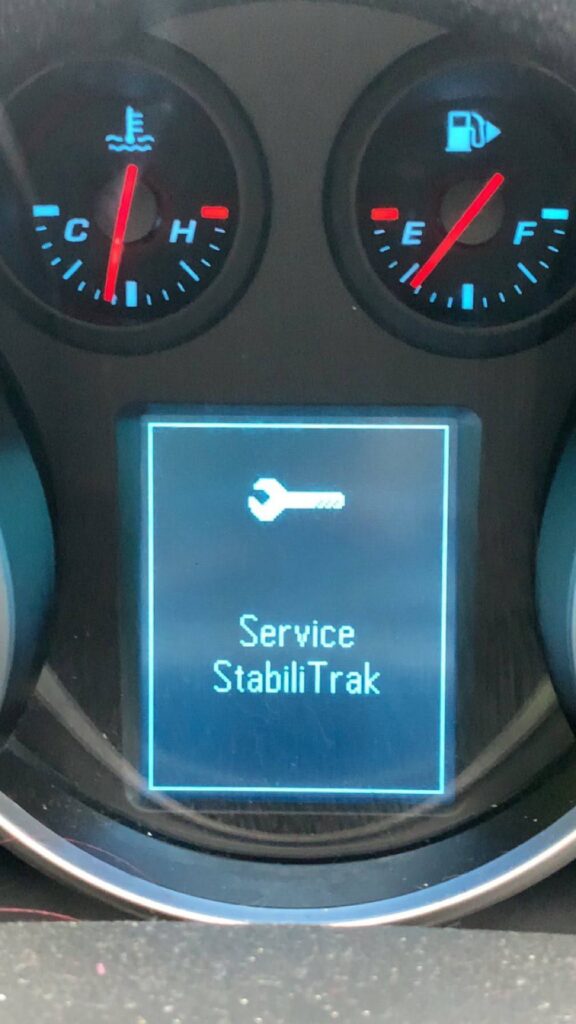
If you’ve been searching for how to turn off Stabilitrak permanently, you’re not alone. Many General Motors (GM) owners become frustrated when the Service Stabilitrak warning repeatedly appears, the system unexpectedly limits engine power, or traction control activates even under normal driving conditions. It’s understandable why some drivers begin looking for a way to disable the system for good.
Stabilitrak is GM’s electronic stability control system, designed to help maintain vehicle stability during sudden maneuvers or when driving on slippery roads. By monitoring wheel speed, steering angle, and vehicle direction, it can automatically reduce engine power or apply individual brakes to help prevent skidding and loss of control. While these interventions can be lifesaving in emergencies, they may feel intrusive when the system malfunctions or activates due to faulty sensors.
The good news is that there are ways to temporarily disable Stabilitrak on many GM vehicles. However, permanently turning off Stabilitrak is a different matter. Most modern GM models are intentionally designed to reactivate the system automatically because it is an integral safety feature. Attempting to permanently disable it may introduce additional warning lights, affect related systems such as ABS and traction control, or create safety and legal concerns depending on where the vehicle is operated.
In this guide, you’ll learn whether permanently disabling Stabilitrak is actually possible, why the system keeps turning itself back on, the risks involved, and the safer alternatives that can solve recurring Stabilitrak problems without compromising your vehicle’s safety and reliability.
What Is Stabilitrak?
Stabilitrak is General Motors’ proprietary Electronic Stability Control (ESC) system that helps drivers maintain control of their vehicles during challenging driving conditions. Introduced across many Chevrolet, GMC, Buick, and Cadillac models, the system continuously monitors the vehicle’s movement and automatically intervenes when it detects that the vehicle is no longer following the driver’s intended path.
To accomplish this, Stabilitrak relies on several sensors working together in real time. Wheel speed sensors monitor the rotation of each wheel, while the steering angle sensor measures the direction the driver intends to travel. A yaw rate sensor tracks the vehicle’s actual movement and rotation, allowing the system to compare the driver’s steering input with the vehicle’s behavior. If these values do not match, Stabilitrak reacts within milliseconds.
When instability is detected, the system may selectively apply braking force to one or more wheels and temporarily reduce engine power. These automatic corrections help minimize oversteer, understeer, and skidding, especially during sudden lane changes, emergency maneuvers, or when driving on wet, icy, or loose road surfaces.
Stabilitrak does not operate as a standalone feature. It works alongside the Anti-lock Braking System (ABS) and Traction Control System (TCS) to improve overall vehicle stability. Because these systems share sensors and electronic modules, a fault affecting one component can often trigger multiple warning lights, including the Service Stabilitrak, ABS, and Traction Control indicators.
Although some drivers find the system overly sensitive, especially during off-road driving or when performance modifications have been made, Stabilitrak remains one of the most important active safety technologies available in modern GM vehicles. Understanding how it works is essential before considering whether it should be disabled.
Why Do People Want to Turn Off Stabilitrak Permanently?
There are several reasons why vehicle owners search for how to turn off Stabilitrak permanently, but the motivation often depends on the condition of the vehicle and the driver’s intended use.
One of the most common reasons is a recurring Service Stabilitrak warning message. Instead of appearing only when a genuine loss of traction occurs, the warning may activate repeatedly because of a failing wheel speed sensor, damaged wiring, a faulty steering angle sensor, or an issue within the ABS control module. In some cases, the vehicle may also enter Reduced Engine Power mode, significantly affecting acceleration and overall drivability.
Another common scenario involves off-road enthusiasts. Driving through deep sand, mud, snow, or loose gravel can cause the stability control system to reduce engine output at the exact moment maximum wheel spin is needed. As a result, many drivers prefer to temporarily disable Stabilitrak during these situations to maintain better momentum and control.
Performance drivers and racing enthusiasts may also find the system restrictive. On a closed track, experienced drivers often want complete control over throttle response and vehicle dynamics without electronic intervention. However, this type of driving environment is very different from everyday public road conditions where stability control provides a significant safety advantage.
Some vehicle owners have also modified their suspension, tires, lift kits, or wheel sizes. These modifications can occasionally interfere with sensor calibration, causing Stabilitrak to activate unexpectedly. Rather than recalibrating the system or addressing the underlying issue, some drivers begin searching for a permanent way to disable it.
Despite these concerns, a constantly illuminated Stabilitrak warning light usually indicates that something is malfunctioning rather than suggesting the system itself should be removed. Diagnosing and repairing the root cause is generally more effective, safer, and less expensive in the long run than attempting to permanently bypass a critical safety system.
Can You Turn Off Stabilitrak Permanently?
The short answer is no for most production GM vehicles. Manufacturers intentionally design Stabilitrak as a permanent safety feature, and there is typically no factory setting or dashboard option that allows drivers to disable it indefinitely.
Many Chevrolet, GMC, Buick, and Cadillac models include a button that temporarily turns off traction control or reduces Stabilitrak intervention. However, this setting is not permanent. In most cases, the system automatically reactivates after the engine is restarted or when the vehicle reaches specific operating conditions. This automatic reactivation is built into the software to ensure the vehicle continues meeting its intended safety standards.
Some drivers believe that removing fuses, disconnecting sensors, or altering electronic control modules can permanently disable Stabilitrak. While these actions may interrupt the system’s operation, they frequently trigger additional warning lights, store diagnostic trouble codes, and may also affect related systems such as ABS and traction control. In some vehicles, these changes can even alter braking performance or disable other driver assistance features that rely on shared electronic components.
There are also legal and practical considerations. Electronic stability control has become a standard safety feature on modern passenger vehicles in many markets. Intentionally defeating the system may affect warranty coverage, insurance claims, resale value, or vehicle inspections depending on local regulations.
If your goal is to stop repeated Stabilitrak warnings, the most effective solution is usually to identify and repair the underlying fault rather than trying to permanently disable the system. Replacing a failed sensor, repairing damaged wiring, updating control module software, or recalibrating the steering angle sensor often restores normal operation while preserving the safety benefits that Stabilitrak was designed to provide.
Common Methods People Try to Disable Stabilitrak
Drivers searching for how to turn off Stabilitrak permanently often come across various methods shared in online forums and social media. While some of these approaches may appear to disable the system temporarily, none are officially recommended by General Motors, and each comes with important drawbacks that should be carefully considered.
The simplest method is using the Stabilitrak or traction control button found on many GM vehicles. Pressing this button can temporarily reduce or disable traction control, and on certain models, holding it for several seconds may also reduce the intervention of the stability control system. However, this setting is only temporary. Once the vehicle is restarted or certain driving conditions are met, Stabilitrak automatically turns back on.
Some vehicle owners consider removing specific fuses associated with the ABS or Stabilitrak system. Although this may interrupt communication with the control module, it can also disable other important safety features, including anti lock braking. In addition, the vehicle will likely display multiple warning lights, store diagnostic trouble codes, and may even enter a reduced functionality mode. This approach does not provide a clean or reliable solution.
Another method sometimes discussed is disconnecting wheel speed sensors or steering angle sensors. Because Stabilitrak depends on these components to monitor vehicle movement, disconnecting them can force the system to stop functioning correctly. However, doing so also prevents the vehicle from accurately detecting wheel speed and steering input, which may negatively affect braking performance and trigger additional electronic system failures.
Advanced users occasionally mention modifying the engine control module or body control module through specialized programming tools. While software modifications may alter how certain systems behave, they typically require professional equipment, extensive technical knowledge, and custom calibration files. Incorrect programming can introduce unexpected drivability problems or cause permanent damage to electronic modules.
Ultimately, there is no universally accepted or manufacturer approved method for permanently disabling Stabilitrak on modern GM vehicles. If the system repeatedly activates when it should not, diagnosing the underlying fault remains the safest and most reliable course of action.
Risks of Permanently Disabling Stabilitrak
Although disabling Stabilitrak may seem like an attractive solution when warning lights keep appearing, permanently removing this safety feature can expose both the driver and passengers to unnecessary risks. Understanding these consequences is essential before making any modifications.
The most obvious risk is reduced vehicle stability during emergency situations. Stabilitrak is specifically designed to help maintain control when the vehicle begins to slide, oversteer, or understeer. Without electronic intervention, recovering from a sudden loss of traction becomes entirely dependent on the driver’s skill, which can be challenging even for experienced motorists.
Driving in adverse weather conditions also becomes more difficult. Rain, snow, ice, gravel, and loose surfaces significantly reduce tire grip. Stabilitrak works by making rapid adjustments that are nearly impossible for a driver to replicate manually. Removing this assistance increases the likelihood of skidding or spinning during unexpected situations.
Disabling the system may also affect other integrated safety technologies. Because Stabilitrak shares sensors and communication networks with ABS and traction control, a malfunction or intentional modification can lead to multiple warning lights and reduced functionality across several electronic systems. Depending on the vehicle model, certain advanced driver assistance features may also rely on these shared components.
Warranty coverage is another consideration. Manufacturers generally expect factory installed safety systems to remain operational. Unauthorized modifications could complicate warranty claims involving electronic or braking components, particularly if the modification contributed to the failure.
Insurance companies may also review the condition of a vehicle following a collision. If an investigation determines that a critical safety system was intentionally disabled, it could potentially influence the outcome of certain claims depending on local regulations and policy terms.
For these reasons, permanently disabling Stabilitrak is rarely recommended for vehicles driven on public roads. Correcting the root cause of repeated warnings almost always provides a safer and more dependable long term solution.
Better Alternatives Than Turning Off Stabilitrak Permanently
Instead of focusing on how to turn off Stabilitrak permanently, vehicle owners should first determine why the system is behaving abnormally. In many cases, the issue is caused by a single faulty component that can be repaired without sacrificing the vehicle’s built in safety features.
One of the most common causes is a failing wheel speed sensor. These sensors operate in harsh environments where they are constantly exposed to dirt, moisture, road salt, and debris. A damaged sensor or contaminated sensor ring can send inaccurate information to the control module, causing unnecessary Stabilitrak activation.
The steering angle sensor is another frequent source of problems. If the sensor loses calibration after a wheel alignment, suspension repair, or battery replacement, the vehicle may incorrectly interpret steering input and activate the stability control system even when driving normally. Recalibrating the sensor often restores proper operation.
Electrical issues should not be overlooked either. Corroded connectors, damaged wiring harnesses, weak battery voltage, or poor grounding can interrupt communication between multiple control modules. Since Stabilitrak depends on continuous data exchange, even minor electrical faults may generate recurring warning messages.
Using an OBD II scan tool to retrieve diagnostic trouble codes is often the fastest way to identify the underlying issue. The stored codes provide valuable information that helps narrow down the affected sensor or module, reducing unnecessary parts replacement and lowering repair costs.
Keeping your vehicle’s software up to date is equally important. Manufacturers occasionally release control module updates that improve system performance or correct known software issues affecting stability control. If your vehicle has experienced repeated Stabilitrak warnings despite replacing faulty components, checking for available software updates may resolve the problem.
By repairing the underlying fault instead of attempting to bypass the system, drivers can restore normal vehicle performance while maintaining the safety benefits that Stabilitrak was designed to provide. In most situations, this approach delivers greater reliability, preserves resale value, and helps ensure the vehicle performs as intended in emergency driving conditions.
Frequently Asked Questions
Can Stabilitrak Be Permanently Disabled?
For most modern GM vehicles, the answer is no. Stabilitrak is integrated into the vehicle’s electronic safety architecture and is designed to reactivate automatically after the engine is restarted or under specific driving conditions. While temporary deactivation is available on many models, there is typically no factory supported option for permanently turning the system off.
Is It Safe to Drive With Stabilitrak Turned Off?
Driving with Stabilitrak temporarily disabled is generally manageable under normal road conditions if the vehicle is otherwise functioning correctly. However, doing so reduces the vehicle’s ability to assist the driver during sudden loss of traction, emergency lane changes, or slippery road conditions. The risk becomes significantly higher in rain, snow, ice, or loose gravel, where electronic stability control plays a crucial role in preventing skids.
Why Does Stabilitrak Keep Turning Back On?
This behavior is completely normal. GM engineers designed Stabilitrak to automatically reactivate after each ignition cycle to ensure the vehicle always starts with its primary safety systems enabled. Even if traction control is manually turned off, the system will typically restore its default settings the next time the vehicle is started.
Can a Bad Wheel Speed Sensor Cause a Stabilitrak Warning?
Yes. A faulty wheel speed sensor is one of the most common causes of a Service Stabilitrak warning. Since the stability control system relies on accurate wheel speed data, even a single defective sensor can cause incorrect system activation, illuminate warning lights, and sometimes trigger traction control or ABS faults.
Will Disconnecting the Battery Reset Stabilitrak?
Disconnecting the battery may temporarily clear certain stored electronic values on some vehicles, but it rarely fixes the underlying cause of a Stabilitrak warning. If a faulty sensor, damaged wiring, or failed control module is responsible, the warning light will usually return after the vehicle completes its self diagnostics.
Does Stabilitrak Reduce Engine Power?
Yes. One of Stabilitrak’s primary functions is reducing engine torque when excessive wheel slip or loss of vehicle stability is detected. This reduction helps the tires regain traction and allows the driver to maintain better control. If the system activates unexpectedly during normal driving, it often indicates that one of the supporting sensors is providing inaccurate information.
Can Low Battery Voltage Trigger a Service Stabilitrak Message?
Yes. A weak battery or unstable charging system can affect communication between multiple electronic control modules. Because Stabilitrak depends on reliable electrical signals, low voltage conditions may generate intermittent warning messages even when no major mechanical failure exists. Testing the battery and charging system should be part of the diagnostic process.
How Much Does It Cost to Fix Stabilitrak?
Repair costs vary depending on the failed component. Replacing a wheel speed sensor is generally one of the least expensive repairs, while replacing an ABS control module or repairing complex electrical wiring can be significantly more costly. Obtaining diagnostic trouble codes before replacing parts is the most effective way to avoid unnecessary expenses.
Conclusion
If you have been searching for how to turn off Stabilitrak permanently, the most important takeaway is that permanent deactivation is generally not supported on modern GM vehicles. Stabilitrak is a critical safety system designed to improve vehicle stability, reduce the risk of skidding, and help drivers maintain control during unexpected driving conditions. While temporary deactivation may be possible on many models, the system is intentionally programmed to reactivate automatically to ensure these safety features remain available whenever the vehicle is driven.
If your vehicle repeatedly displays a Service Stabilitrak warning or experiences unwanted system activation, the issue is usually caused by an underlying fault rather than the Stabilitrak system itself. Common causes include faulty wheel speed sensors, steering angle sensor calibration problems, damaged wiring, low battery voltage, or software related issues. Addressing these problems directly is almost always safer, more reliable, and more cost effective than attempting to bypass the system.
Rather than looking for ways to permanently disable Stabilitrak, focus on identifying the root cause of the warning and restoring the system to proper working condition. Doing so helps maintain your vehicle’s safety, protects its long term reliability, and ensures that important driver assistance features remain available when you need them most.
Have you experienced a recurring Service Stabilitrak warning on your Chevrolet, GMC, Buick, or Cadillac? Share your vehicle model, symptoms, and repair experience in the comments below. Your insights may help other drivers diagnose similar issues more quickly and confidently.