The Chevy 6.6 gas engine stands as one of the most discussed heavy duty engines in GM’s lineup. Many buyers compare it with diesel engines before they fully understand its real capability. This engine powers models like the Chevrolet Silverado 2500HD and focuses on durability, strength, and simple maintenance.
Many drivers assume diesel engines always outperform gasoline engines in towing and workload. However, the 6.6 liter gas V8 proves that assumption wrong in many real world situations. GM designed this engine to deliver strong performance while keeping ownership costs lower than diesel alternatives.
In this article, we break down the Chevy 6.6 gas specs in detail. We explain horsepower, torque, towing ability, fuel behavior, and real world driving performance. We also show how the engine performs under load and who should choose it. By the end, you will clearly understand its strengths and limits.
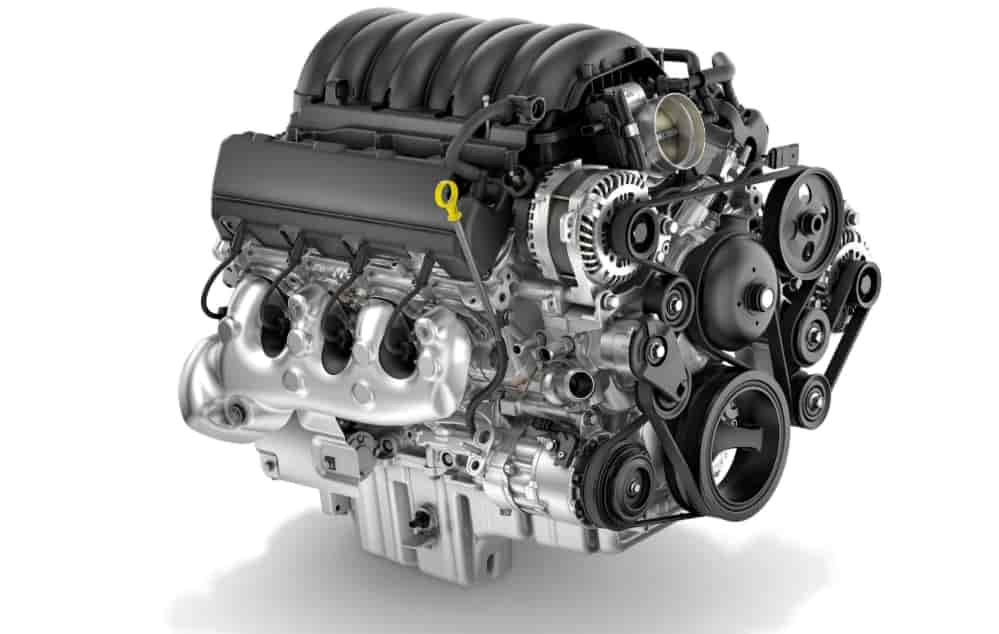
Engine Overview of the 6.6L V8
The Chevy 6.6 gas engine, also known as the GM L8T, is a naturally aspirated 6.6 liter V8 built specifically for heavy duty truck applications. GM designed this engine to prioritize durability, consistent power delivery, and long term reliability instead of focusing on high performance or turbocharged efficiency. It uses a traditional pushrod architecture, which helps keep the design simple and proven in demanding workloads.
GM equips the engine with a cast iron block to increase strength and resistance under heavy stress. Aluminum cylinder heads help manage heat more efficiently during long towing sessions. This combination allows the engine to handle continuous load conditions without sacrificing structural integrity. The design also reduces mechanical complexity, which improves long term maintenance reliability.
Unlike modern turbocharged engines, the 6.6 gas V8 relies on natural displacement to generate power. This approach delivers predictable performance and steady torque output across a wide range of driving conditions. The engine produces strong low RPM power, which is essential for towing, hauling, and commercial use. It works especially well when paired with GM’s heavy duty automatic transmission, which is tuned to handle sustained torque loads.
GM installs this engine in heavy duty trucks such as the Chevrolet Silverado 2500HD. The goal is to serve contractors, fleet operators, and RV users who need dependable towing capability without the added complexity of diesel systems. The L8T engine reflects a balance between power, simplicity, and long term cost efficiency, making it a practical choice in the heavy duty gasoline segment.
Horsepower and Torque Performance
The Chevy 6.6 gas engine delivers a solid balance of power and durability for heavy duty applications. GM rates this 6.6 liter V8 at approximately 401 horsepower and 464 pound feet of torque. These numbers place it among the strongest gasoline engines in the heavy duty pickup segment, especially for users who prioritize reliability and cost efficiency over maximum diesel level torque.
The engine produces its torque in a low and usable RPM range. This design helps the truck respond quickly when starting from a stop or pulling heavy loads at low speed. Drivers feel steady pulling power rather than sharp or aggressive surges. GM tuned this engine to maintain consistent output under load, which improves control during towing and hauling tasks.
In real world driving, the engine performs differently depending on load conditions. When the truck runs empty, it delivers smooth acceleration and predictable throttle response. When the truck carries weight or tows a trailer, the engine maintains stable power delivery without frequent gear hunting when paired with the correct transmission setup.
While diesel engines still produce higher peak torque, the Chevy 6.6 gas engine focuses on simplicity and usable performance. It avoids turbo lag and complex boost systems. This makes power delivery more linear and easier to manage for daily work use.
For featured snippet potential, the key specs can be summarized clearly as follows. The Chevy 6.6 gas engine produces about 401 horsepower and 464 pound feet of torque, designed for strong low end performance and consistent heavy duty capability.
Towing Capacity and Work Capability
The Chevy 6.6 gas engine is designed to handle demanding towing and hauling tasks in the heavy duty segment. GM engineers built this engine to support consistent workload performance rather than short bursts of power. When installed in trucks like the Chevrolet Silverado 2500HD, it delivers strong towing capability that fits most commercial and recreational needs.
The exact towing capacity depends on the truck configuration, including drivetrain, axle ratio, cab style, and payload setup. However, in properly equipped models, the 6.6 gas engine can support towing well into heavy duty ranges suitable for large trailers, construction equipment, and RVs. This makes it a practical choice for users who need dependable pulling power without stepping into diesel ownership.
One of the key strengths of this engine is its ability to maintain stable performance during long towing sessions. GM designed the cooling system to manage heat effectively under sustained load. This helps the engine avoid performance drops when driving uphill, towing on highways, or operating in hot conditions. As a result, drivers experience more consistent power delivery over long distances.
In real world use, the engine performs well in a wide range of work scenarios. Contractors rely on it for equipment transport. RV owners use it for long distance travel with heavy trailers. Fleet operators also choose it because it balances capability with lower maintenance complexity compared to diesel engines.
Although diesel engines still lead in maximum towing capacity and efficiency under extreme loads, the Chevy 6.6 gas engine offers a more accessible and cost effective solution. It fits users who tow regularly but do not constantly operate at the highest weight limits. This balance of performance and simplicity makes it one of the most practical gasoline options in the heavy duty truck market.
Real World Fuel Economy Behavior
The Chevy 6.6 gas engine shows a clear and predictable fuel consumption pattern in real world driving. GM designed this 6.6 liter V8 for heavy duty use, so fuel efficiency takes a secondary role compared to durability and towing strength.
In normal daily driving without load, the engine delivers moderate fuel economy for its class. City driving usually consumes more fuel because the engine must move a heavy full size truck with frequent stops and acceleration. Highway driving improves efficiency because the engine runs at a more stable RPM range.
When the truck carries a payload or tows a trailer, fuel consumption increases significantly. This behavior is expected for any large displacement gasoline engine in the heavy duty segment. The engine needs more fuel to maintain torque output under load, especially during uphill driving or sustained towing at highway speeds.
One advantage of the Chevy 6.6 gas engine is its predictable fuel behavior. Drivers can estimate fuel usage more easily compared to turbocharged engines, which often vary depending on boost pressure and driving style. This predictability helps fleet operators and owners plan operating costs more accurately.
Compared to diesel engines, the gas 6.6 engine uses more fuel overall. However, it compensates with a lower purchase price and simpler maintenance requirements. For many users who do not tow heavy loads every day, this trade off makes financial sense over the long term.
In practical use, the engine fits best for drivers who balance work and daily driving. It offers stable performance without complex fuel systems, making it a straightforward option in the heavy duty gasoline category.
Reliability and Long Term Durability
The Chevy 6.6 gas engine is engineered with a strong focus on long term reliability rather than peak performance. GM designed the L8T V8 using a proven pushrod layout that reduces mechanical complexity and improves durability under heavy duty conditions. This design choice helps the engine maintain stable operation even after years of continuous workload use.
GM builds the engine block from cast iron to increase strength and resistance to high stress. This material choice supports heavy towing, payload demands, and extended highway driving without structural fatigue. The aluminum cylinder heads help manage heat more efficiently, which protects internal components during long towing sessions or high temperature environments.
The engine avoids unnecessary advanced systems that could increase failure risk over time. It does not rely on turbochargers or complex emissions driven components found in diesel engines. This simpler structure reduces potential maintenance issues and lowers long term repair costs for owners.
Fleet operators often prefer this engine because it delivers predictable maintenance cycles and consistent uptime. Regular servicing focuses mainly on standard components such as oil changes, filters, and ignition parts. This makes it easier for businesses to manage operating costs and vehicle availability.
In real world usage, the Chevy 6.6 gas engine demonstrates strong longevity when properly maintained. Many owners report stable performance at high mileage levels, especially in commercial or work truck environments. The engine is not designed for extreme racing performance but for sustained, repeated heavy duty operation.
Overall, GM positions this engine as a durable and low risk option in the gasoline heavy duty segment, making it suitable for users who prioritize reliability and long term ownership value.
Gas vs Diesel Consideration
The Chevy 6.6 gas engine often gets compared with diesel alternatives in the heavy duty truck segment. Each option serves a different type of user, and the best choice depends on workload, towing frequency, and long term ownership goals.
Diesel engines generally deliver higher torque and better fuel efficiency under heavy load conditions. They perform well in long distance towing and commercial applications where trucks operate near maximum capacity for extended periods. However, diesel engines also come with higher purchase costs and more complex systems such as turbochargers and emissions controls.
The Chevy 6.6 gas engine takes a different approach. GM designed it to reduce complexity and lower upfront cost while still delivering strong towing capability. It produces sufficient torque for most heavy duty tasks without requiring advanced diesel technology. This makes it easier to maintain and more predictable in long term ownership.
In real world use, the gas engine fits drivers who tow regularly but not at extreme limits every day. It works well for RV owners, contractors, and fleet users who need dependable performance without the added maintenance burden of diesel systems. The engine also performs better in cold start conditions and short trip usage, where diesel engines can be less efficient.
While diesel remains the stronger option for maximum towing and fuel economy under stress, the Chevy 6.6 gas engine offers a more balanced ownership experience. It reduces complexity and cost while still delivering reliable heavy duty capability.
Real World Driving Experience
The Chevy 6.6 gas engine delivers a stable and predictable driving experience in both daily use and heavy duty conditions. GM tuned this engine to prioritize control and consistency rather than aggressive acceleration or sport oriented behavior. This makes it well suited for work trucks that operate across mixed driving environments.
In normal driving without load, the engine feels smooth and responsive. It handles city traffic with steady throttle response and does not require frequent gear changes when paired with GM’s heavy duty automatic transmission. Highway driving feels stable because the engine maintains consistent RPM levels without strain.
When the truck carries a load or tows a trailer, the engine behavior changes but remains controlled. It produces steady pulling power at low RPM, which helps maintain momentum on inclines and long distance routes. Drivers experience predictable performance instead of sudden power surges, which improves confidence during towing.
GM designed the transmission pairing to support the engine under stress. This combination helps reduce unnecessary gear hunting and keeps the engine operating within an efficient power band. As a result, the truck feels composed even under heavy load conditions.
The engine does not aim to deliver performance car characteristics. Instead, it focuses on reliability, ease of use, and consistent output. This makes it suitable for drivers who need a dependable workhorse for both personal and commercial use.
Overall, real world driving shows that the Chevy 6.6 gas engine performs best in practical work scenarios where stability and durability matter more than peak performance numbers.
Who Should Choose This Engine
The Chevy 6.6 gas engine is best suited for drivers who need strong heavy duty capability without the complexity and cost of diesel ownership. GM positions this engine for users who value reliability, simplicity, and predictable operating expenses in real world use.
This engine fits contractors who regularly transport tools, materials, and medium to heavy equipment. It delivers enough torque to handle daily workloads while keeping maintenance straightforward. It also works well for users who operate in mixed conditions, including city driving, highway travel, and occasional towing.
Recreational users also benefit from this engine, especially RV owners who tow travel trailers or campers. The engine provides stable highway performance and consistent pulling power, which makes long distance trips more manageable. It avoids the higher upfront cost of diesel while still delivering solid towing capability.
Fleet operators often choose this engine because it reduces downtime and simplifies maintenance planning. The absence of complex diesel systems helps keep service requirements predictable. This improves vehicle availability and reduces long term operational costs.
However, this engine is not ideal for users who consistently tow at maximum capacity over long distances. In those cases, diesel engines offer better fuel efficiency and higher torque output under sustained load.
Overall, the Chevy 6.6 gas engine works best for users who need a balanced heavy duty truck. It provides dependable performance, lower ownership complexity, and strong real world usability across a wide range of applications.
Conclusion
The Chevy 6.6 gas specs show a well balanced heavy duty engine designed for real world practicality. GM built this 6.6 liter V8 to deliver consistent horsepower and torque while keeping the overall system simple and durable. It produces about 401 horsepower and 464 pound feet of torque, which gives it strong capability for towing, hauling, and daily work use.
Across all driving conditions, the engine focuses on stability rather than peak performance extremes. It performs smoothly when unloaded and maintains steady power under heavy towing situations. This makes it a reliable choice for users who need predictable behavior in both work and personal driving environments.
The key advantage of this engine lies in its ownership balance. It offers lower upfront cost compared to diesel, simpler maintenance, and strong long term durability. While diesel engines still lead in maximum torque and fuel efficiency under extreme loads, the Chevy 6.6 gas engine provides a more accessible and cost efficient option for most heavy duty users.
In real world applications, this engine fits contractors, RV owners, and fleet operators who need dependable performance without added mechanical complexity. It handles a wide range of workloads effectively while keeping maintenance straightforward and predictable.
Overall, the Chevy 6.6 gas engine remains a practical and reliable solution in the heavy duty segment. It delivers the right mix of power, durability, and simplicity for drivers who prioritize real world usability over maximum theoretical performance.