Understanding a Chevrolet VIN Code Decoder is important for every Chevrolet owner and buyer. A Vehicle Identification Number is not a random string of characters. It is a structured code that contains key details about a vehicle’s identity, production, and specifications.
Many buyers ignore this information when they choose a used car. They often focus on appearance and price. This mistake can lead to serious problems later. A vehicle may look good but still hide accident history, mileage issues, or past damage.
A Chevrolet VIN Code Decoder helps solve this problem. It reveals important hidden data about the vehicle. This includes the model year, engine type, trim level, and manufacturing location. Each detail helps you understand the real condition of the car.
This tool is especially useful in the used car market. Sellers may not always provide complete or honest information. The VIN code gives you a way to verify facts directly from the vehicle identity system.
Chevrolet vehicles follow a global VIN structure set by the manufacturer. Each section of the VIN has a specific meaning. When you decode it correctly, you can confirm if the vehicle matches factory specifications.
In this guide, you will learn how the Chevrolet VIN Code Decoder works. You will also learn how to read each part of the VIN step by step. This will help you make safer and more informed decisions when buying or checking a Chevrolet vehicle.
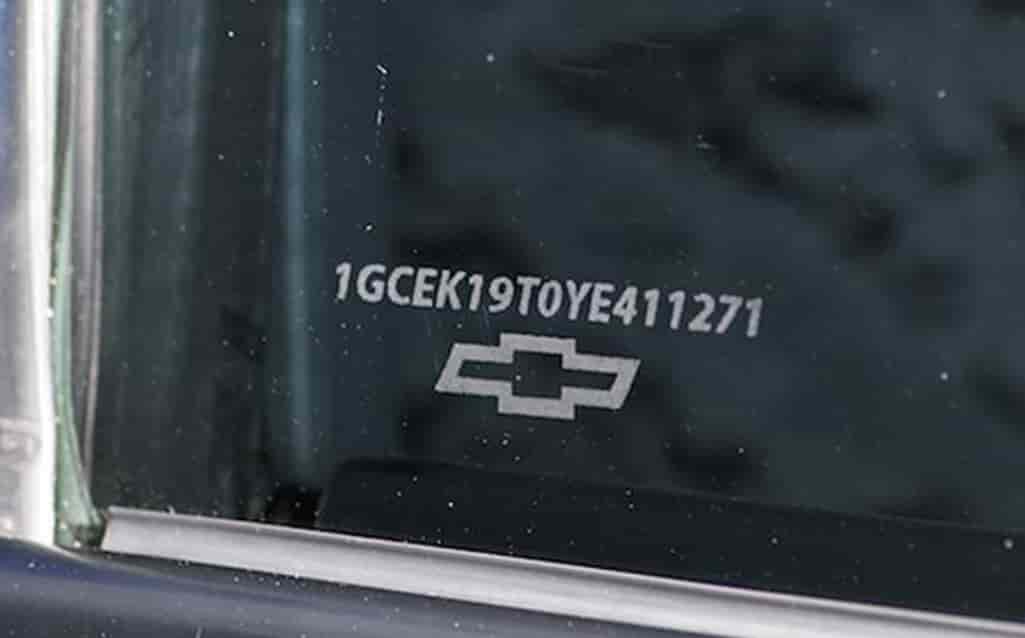
WHAT IS A CHEVROLET VIN CODE?
A Chevrolet VIN Code is a unique identification number for every Chevrolet vehicle. VIN stands for Vehicle Identification Number. In simple terms, it works like a fingerprint for a car because no two vehicles have the same VIN.
In addition, the VIN contains 17 characters. Each character has a specific role. For example, some characters show the manufacturer, while others describe the vehicle type and engine details. Therefore, the VIN becomes a complete identity system for the car.
Chevrolet applies a global VIN system. As a result, every Chevrolet vehicle follows international automotive standards. This system allows authorities and buyers to identify vehicles anywhere in the world.
The VIN is divided into three main sections. First, the World Manufacturer Identifier shows the brand and country of origin. For example, it confirms whether the vehicle is produced by Chevrolet under General Motors.
Next, the Vehicle Descriptor Section explains the vehicle configuration. In this part, you can find details about the model, body style, and engine type. Moreover, this section helps distinguish between different versions of the same model.
Finally, the Vehicle Identifier Section provides production details. It includes the model year, assembly plant, and serial number. Therefore, it helps track the exact production record of the vehicle.
Chevrolet designs the VIN system to prevent duplication and fraud. In fact, this system helps buyers verify vehicle identity with high accuracy. However, many users still ignore it when purchasing a used car, which increases risk.
Understanding the Chevrolet VIN Code is essential before using any decoder tool. Otherwise, the decoded information may be misunderstood. Therefore, learning the structure first will improve accuracy when checking vehicle data.
HOW CHEVROLET VIN CODE DECODER WORKS
A Chevrolet VIN Code Decoder works by converting the 17 character VIN into readable vehicle information. In other words, it translates coded data into clear specifications. Therefore, users can quickly understand key details about a vehicle.
First, you need to locate the VIN number on the vehicle. In most Chevrolet cars, you can find it on the dashboard near the windshield or inside the driver door frame. In addition, the VIN is also printed on registration documents and insurance papers.
Next, you enter the VIN into a decoder tool. Many online tools allow free VIN lookup. For example, you can use official manufacturer tools or third party automotive databases. As a result, the system starts analyzing each character of the VIN.
Then, the decoder processes the code step by step. It identifies the manufacturer, vehicle type, engine configuration, and production details. Moreover, it compares the VIN structure with global Chevrolet standards to ensure accuracy.
After that, the system generates a detailed report. This report includes model year, trim level, assembly plant, and sometimes service or accident history. Therefore, users get a complete overview of the vehicle identity.
However, not all decoder tools provide the same level of detail. Some tools only show basic information. In contrast, advanced tools may include ownership history, mileage records, and recall data. As a result, choosing a reliable decoder is important.
Finally, users can use this information to verify a vehicle before buying or servicing it. For example, they can confirm if the engine type matches the seller’s description. In addition, they can detect inconsistencies that may indicate fraud or incorrect listings.
Understanding how a Chevrolet VIN Code Decoder works helps users make safer decisions. Therefore, it is an essential step in any vehicle verification process.
CHEVROLET VIN STRUCTURE BREAKDOWN
The Chevrolet VIN Code follows a strict 17 character structure. Each section of the VIN carries specific information about the vehicle. Therefore, understanding the structure helps you decode the vehicle more accurately.
First, the VIN starts with the World Manufacturer Identifier. This section contains the first three characters. It identifies the manufacturer and the country of origin. For example, Chevrolet vehicles produced by General Motors will share similar starting codes. As a result, this section confirms the brand and production region.
Next, the fourth to ninth characters form the Vehicle Descriptor Section. This part describes the vehicle in detail. It includes the model type, body style, engine type, and safety system. Moreover, this section helps differentiate between various Chevrolet models that may look similar but have different specifications.
For instance, two Chevrolet vehicles may belong to the same model line. However, they can still have different engines or trims. Therefore, this section is very important when comparing vehicles.
After that, the tenth character represents the model year. This character uses a standardized code system. As a result, you can quickly identify the production year of the vehicle without additional documents.
In addition, the eleventh character shows the assembly plant. It tells you where the vehicle was manufactured. This information is useful for tracking production quality and origin.
Finally, the last six characters form the serial number. This number is unique to each vehicle. Therefore, it ensures that no two Chevrolet vehicles have the same identity.
The Chevrolet VIN structure is designed to avoid confusion and duplication. In fact, every section works together to create a complete vehicle identity system. Moreover, this structure allows users to verify technical details with high accuracy.
Understanding this breakdown is essential before using any Chevrolet VIN Code Decoder tool. Otherwise, users may misinterpret important vehicle data. Therefore, learning each section improves both accuracy and confidence when checking a vehicle.
HOW TO USE A CHEVROLET VIN CODE DECODER ONLINE
A Chevrolet VIN Code Decoder is easy to use when you follow the correct steps. In fact, most online tools are designed for quick and simple input. Therefore, anyone can decode a VIN without technical knowledge.
First, you need to find the VIN number on your Chevrolet vehicle. You can usually see it on the dashboard near the windshield. In addition, it may also appear on the driver door frame or vehicle registration documents.
Next, copy the full 17 character VIN carefully. It is important to avoid mistakes because even one wrong character can change the result. Therefore, always double check before entering the code.
Then, open a reliable Chevrolet VIN decoder tool online. Many websites offer free VIN lookup services. For example, some tools are provided by automotive databases, while others come from vehicle history platforms. As a result, you have multiple options to choose from.
After that, paste the VIN into the search field. Click the decode or search button to start the process. The system will immediately analyze the VIN structure. Moreover, it compares the code with official Chevrolet data systems.
Within a few seconds, the tool generates a detailed report. This report may include model year, engine type, trim level, and assembly plant. In some cases, it may also show accident history or mileage records. Therefore, the report helps you understand the full background of the vehicle.
However, not all tools provide the same level of accuracy. Some only display basic specifications. In contrast, premium tools may include full vehicle history reports. As a result, choosing a trusted decoder improves reliability.
Finally, you should review all the decoded information carefully. For example, you can check if the engine type matches the seller description. In addition, you can detect inconsistencies that may indicate potential issues.
Using a Chevrolet VIN Code Decoder online helps you verify vehicle details quickly. Therefore, it becomes an essential tool when buying or checking any Chevrolet car.
WHAT A CHEVROLET VIN REVEALS ABOUT A VEHICLE
A Chevrolet VIN Code reveals far more than just a vehicle’s identity. In fact, it provides a structured view of the car’s technical and historical data. Therefore, it plays a key role in vehicle verification.
First, the VIN reveals basic vehicle specifications. This includes the model, engine type, and body style. For example, two Chevrolet vehicles may look similar, but their VIN codes can show completely different engine configurations. As a result, buyers can avoid confusion between models.
In addition, the VIN provides manufacturing information. It shows the production year and assembly plant. Therefore, users can confirm where and when the vehicle was built. This information helps verify if the vehicle matches official factory records.
Moreover, a Chevrolet VIN Code Decoder can reveal important history data. This may include accident records, title status, and previous ownership. For example, a vehicle with a salvage title will often appear in decoded reports. As a result, buyers can avoid high risk purchases.
The VIN can also expose mileage inconsistencies. In some cases, odometer readings may be altered. However, historical VIN data can help detect such changes. Therefore, it becomes a powerful tool against fraud.
In addition, recall information may also appear in VIN reports. This helps owners identify safety issues that need repair. As a result, they can maintain the vehicle in better condition and reduce risk.
However, the level of detail depends on the decoder tool used. Some tools only provide basic specifications. In contrast, advanced systems offer full vehicle history reports. Therefore, selecting a reliable source is very important.
Finally, understanding what a Chevrolet VIN reveals helps users make informed decisions. It improves transparency in the used car market. Moreover, it increases trust between buyers and sellers.
COMMON MISTAKES WHEN READING CHEVROLET VIN CODES
Many users make mistakes when reading a Chevrolet VIN Code. In fact, these mistakes can lead to wrong conclusions about a vehicle. Therefore, understanding common errors is very important.
First, many people misread similar characters in the VIN. For example, the number zero and the letter O often look alike. In addition, the number one and the letter I can also cause confusion. As a result, users may enter incorrect VIN data into a decoder.
Next, some users only check part of the VIN. However, the VIN contains 17 characters, and each section has a specific meaning. Therefore, ignoring even one section can lead to incomplete or inaccurate results.
Moreover, many people rely on unverified VIN decoder tools. Some websites provide limited or outdated information. In contrast, official or trusted platforms offer more accurate data. As a result, using low quality tools can lead to misleading vehicle reports.
In addition, users often misunderstand model year codes. The tenth character of the VIN represents the production year. However, many people misinterpret this value. Therefore, they may think a vehicle is newer or older than it actually is.
Another common mistake is ignoring inconsistencies in vehicle data. For example, the VIN may show one engine type, but the seller may describe another. However, many buyers fail to cross check this information. As a result, they may purchase a vehicle with hidden issues.
Furthermore, some users do not verify the VIN physically on the car. They only rely on documents. In fact, VIN numbers can sometimes be altered on paperwork. Therefore, checking the physical VIN on the vehicle is essential.
Finally, many users assume all VIN decoders provide the same accuracy. This is not true. In reality, data quality varies across platforms. Therefore, choosing a reliable Chevrolet VIN Code Decoder is very important for accurate results.
BEST PRACTICES BEFORE BUYING A CHEVROLET USING VIN CHECK
Using a Chevrolet VIN Code Decoder before buying a vehicle is a smart decision. In fact, it helps reduce risk and improve purchase accuracy. Therefore, every buyer should follow a clear verification process.
First, always collect the full VIN from the vehicle itself. Do not rely only on photos or messages from the seller. In addition, check the VIN on the dashboard, door frame, and official documents. As a result, you can confirm that all records match.
Next, run the VIN through a reliable Chevrolet VIN Code Decoder. Choose a trusted platform that provides detailed vehicle data. For example, some tools offer specifications, while others include full history reports. Therefore, selecting the right tool improves accuracy.
Moreover, always compare decoded data with seller information. Check engine type, model year, and trim level carefully. In many cases, small differences can indicate hidden modifications or incorrect listings. As a result, you can detect potential issues early.
In addition, review accident and damage history if available. A clean appearance does not always mean a clean history. Therefore, VIN reports help uncover past problems that are not visible during inspection.
Furthermore, check mileage consistency across reports. If the mileage appears inconsistent, you should investigate further. In fact, mileage manipulation is a common issue in used car markets. Therefore, VIN data becomes a key verification tool.
Also, verify recall information before making a purchase. Some Chevrolet vehicles may have unresolved safety recalls. As a result, you can avoid future repair costs and safety risks.
Finally, never rush the buying decision. Take time to analyze all VIN data carefully. In addition, cross check with physical inspection and test drive results. Therefore, you can make a more confident and informed decision.
CONCLUSION
A Chevrolet VIN Code Decoder is an essential tool for anyone who wants to understand a vehicle in detail. In fact, it provides access to structured information that is not visible through appearance alone. Therefore, it plays a key role in vehicle verification and decision making.
Throughout this guide, you have learned how the Chevrolet VIN system works. First, you explored the structure of the VIN and how each section represents specific vehicle data. Next, you learned how a VIN decoder translates this information into readable results. In addition, you discovered what kind of data a VIN can reveal, including specifications, manufacturing details, and vehicle history.
Moreover, you now understand the most common mistakes users make when reading VIN codes. As a result, you can avoid errors that may lead to incorrect conclusions. You also learned best practices before buying a Chevrolet, which helps reduce risk and improve confidence during the purchasing process.
However, it is important to remember that not all VIN decoder tools provide the same level of accuracy. Therefore, choosing a reliable Chevrolet VIN Code Decoder is essential for getting correct and complete information. In contrast, using unverified tools may lead to missing or misleading data.
Understanding VIN data improves transparency in the automotive market. In addition, it helps buyers and owners make informed decisions based on real vehicle identity rather than assumptions. Therefore, it strengthens trust between buyers and sellers.
Finally, always use VIN decoding as part of a broader inspection process. Combine it with physical inspection and vehicle history checks. As a result, you will have a complete and accurate view of any Chevrolet vehicle before making a decision.