Owning a Honda Insight comes with many advantages, including excellent fuel efficiency, lower emissions, and a smooth hybrid driving experience. However, like every hybrid vehicle, the battery will eventually reach the end of its service life. When that happens, many owners begin searching for reliable information about Honda Insight hybrid battery replacement because they are unsure whether the battery truly needs to be replaced or if another issue is causing the warning signs. Questions about replacement costs, battery lifespan, and available replacement options often make the decision even more difficult.
Fortunately, a failing hybrid battery does not always mean your vehicle is no longer worth driving. In many cases, replacing the battery can restore fuel economy, improve acceleration, and extend the life of the vehicle for several more years. The key is understanding how the hybrid battery works, recognizing the early symptoms of battery degradation, and comparing the available replacement solutions before making a financial commitment.
This comprehensive guide explains everything you need to know about Honda Insight hybrid battery replacement. You will learn how long a hybrid battery typically lasts, what warning signs indicate potential failure, how much replacement usually costs, and whether an OEM, aftermarket, or reconditioned battery is the better choice for your situation. In addition, you will discover practical ways to reduce replacement expenses, extend battery life, and determine whether replacing the battery is a smarter investment than replacing the entire vehicle. By the end of this guide, you will have the knowledge needed to make an informed decision with confidence.
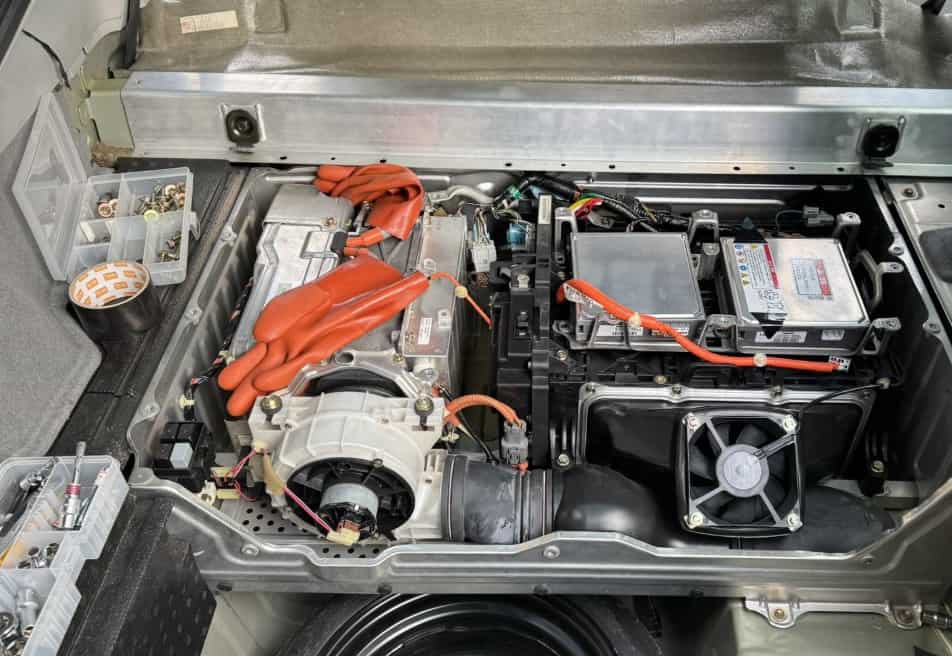
What Is a Honda Insight Hybrid Battery and How Does It Work?
The hybrid battery is one of the most important components of the Honda Insight because it works together with the gasoline engine to improve fuel efficiency and deliver smoother performance. Unlike a conventional vehicle that relies entirely on an internal combustion engine, the Honda Insight uses a high voltage battery pack to store electrical energy and provide additional power when the vehicle accelerates, climbs hills, or operates at low speeds. This collaboration reduces the workload on the engine, lowers fuel consumption, and helps decrease exhaust emissions without changing the familiar driving experience that many Honda owners appreciate.
Many drivers confuse the hybrid battery with the standard 12 volt battery, but these two components serve very different purposes. The 12 volt battery powers accessories, lighting, and electronic systems, while the hybrid battery supplies energy to the electric motor that supports the powertrain. As a result, problems with the hybrid battery can affect fuel economy, vehicle performance, and the operation of the entire hybrid system, whereas a weak 12 volt battery typically causes starting or electrical issues.
Honda has also refined its hybrid technology across different Insight generations. Earlier models used the Integrated Motor Assist system, while newer models adopted a more advanced two motor hybrid system that offers improved efficiency and smoother power delivery. Although these systems operate differently, they all depend on a healthy hybrid battery to perform as designed. Over time, repeated charging and discharging, aging battery cells, heat exposure, and daily driving gradually reduce battery capacity. Once the battery can no longer store or deliver energy efficiently, the vehicle may display warning lights, consume more fuel, and provide less electric assistance. Understanding how the hybrid battery functions makes it easier to recognize these changes and determine when professional inspection or replacement becomes the most practical solution.
How Long Does a Honda Insight Hybrid Battery Last?
Many Honda Insight owners wonder how long the hybrid battery will last before it needs replacement. The answer depends on several factors. There is no fixed lifespan because every vehicle is driven under different conditions. Some batteries remain reliable for many years. Others lose capacity much sooner because of heat, age, or heavy daily use.
Regular driving helps keep the battery healthy. It allows the charging system to balance the battery cells more effectively. In contrast, a vehicle that sits unused for long periods may experience faster battery degradation. Extreme temperatures can also shorten battery life. High heat accelerates chemical aging, while poor cooling reduces the battery’s ability to operate efficiently.
Driving habits have a direct impact as well. Frequent hard acceleration and heavy traffic force the battery to provide electric assistance more often. As a result, the charging and discharging cycles become more demanding. Gentle acceleration and smooth driving place less stress on the hybrid system. Routine maintenance also makes a difference. Keeping the battery cooling vents clean and addressing warning lights early can help prevent unnecessary wear.
Battery aging is a normal part of hybrid ownership. However, a small loss of capacity does not always mean immediate replacement is necessary. Many Honda Insight vehicles continue to perform well despite gradual battery wear. A professional inspection is the best way to evaluate battery health. It also helps determine whether replacement is truly required or if another component is causing the problem. Understanding these factors allows owners to plan maintenance with confidence and avoid unexpected repair costs.
Signs Your Honda Insight Hybrid Battery Needs Replacement
A failing hybrid battery rarely stops working without warning. Instead, it usually shows several symptoms before complete failure occurs. Recognizing these early signs can help you avoid unexpected breakdowns and expensive repairs. More importantly, early diagnosis allows technicians to determine whether the battery needs replacement or if another component is responsible for the problem.
One of the most common warning signs is the appearance of the IMA or hybrid system warning light. This indicator means the vehicle has detected an issue within the hybrid system. However, the warning light alone does not always confirm battery failure. A faulty sensor, damaged wiring, or a weak 12 volt battery may trigger a similar alert. Professional diagnostic testing is essential before replacing the battery pack.
Changes in driving performance are another clear indicator. The vehicle may accelerate more slowly than usual or feel less responsive during uphill driving. Fuel economy often declines because the gasoline engine must work harder when the hybrid battery cannot provide enough electric assistance. You may also notice that the battery charge level rises and falls quickly on the dashboard. This behavior often suggests the battery can no longer store energy efficiently.
Another symptom is a battery cooling fan that runs more often or becomes noticeably louder. The cooling system works harder when the battery generates excessive heat. Ignoring this sign may allow battery degradation to progress more quickly. In some cases, the vehicle may also switch to reduced power mode to protect the hybrid system from further damage.
These symptoms do not always mean a new battery is required immediately. Some problems can be repaired without replacing the entire battery pack. A complete diagnostic inspection provides the most accurate answer. It identifies the root cause of the issue and helps you choose the most cost effective solution.
Honda Insight Hybrid Battery Replacement Cost
The cost of a Honda Insight hybrid battery replacement varies depending on several important factors. Vehicle model, battery type, labor charges, and geographic location all influence the final price. Because of these differences, two owners with similar vehicles may receive very different repair estimates. Understanding what affects the total cost helps you compare quotes and avoid paying for unnecessary services.
The battery itself is usually the largest expense. An OEM battery offers factory specifications and reliable performance. It is often the most expensive option. An aftermarket battery typically costs less and may still provide dependable results when purchased from a reputable manufacturer. A reconditioned battery is usually the most affordable choice. However, its lifespan and long term reliability can vary based on the quality of the rebuilding process.
Labor costs should also be considered. Replacing a hybrid battery requires specialized tools and technicians who understand high voltage systems. Repair shops with extensive hybrid experience may charge higher labor rates. However, their expertise can reduce the risk of installation errors and future problems. Some service centers also include diagnostic testing, software updates, or warranty coverage in the total price, which can increase the overall value of the service.
The age of the vehicle should influence your decision as well. Investing in a premium battery may be worthwhile if the Honda Insight is in excellent mechanical condition and expected to remain on the road for many years. On the other hand, owners of older vehicles may prefer a lower cost solution that balances reliability with affordability. Comparing battery options, warranty terms, and installation costs allows you to choose the replacement that best fits both your budget and your long term ownership plans.
Should You Choose OEM, Aftermarket, or Reconditioned Batteries?
Choosing the right replacement battery is just as important as deciding when to replace it. Each battery type offers different advantages, and the best option depends on your budget, driving habits, and long term ownership plans. Understanding these differences helps you avoid unnecessary expenses while maintaining reliable vehicle performance.
An OEM battery is manufactured to meet Honda’s original specifications. It delivers consistent performance and excellent compatibility with the vehicle’s hybrid system. Most OEM batteries also include strong warranty coverage, giving owners greater peace of mind. The higher purchase price is often justified for drivers who plan to keep their Honda Insight for many years and want the closest match to the original factory performance.
An aftermarket battery is produced by an independent manufacturer. Many high quality aftermarket options provide reliable performance at a lower price than OEM products. However, quality can vary between brands. Some manufacturers use premium battery cells and advanced testing procedures, while others focus mainly on reducing production costs. For this reason, researching the manufacturer’s reputation and warranty policy is essential before making a purchase.
A reconditioned battery is created by replacing weak or damaged battery modules inside a used battery pack. This option usually has the lowest initial cost, making it attractive for owners with older vehicles or limited budgets. However, reconditioned batteries may not last as long as new batteries because some original components remain in service. Warranty coverage is also often shorter, although this depends on the rebuilding company.
There is no single battery that fits every Honda Insight owner. An OEM battery is often the best choice for maximum reliability. A high quality aftermarket battery can provide excellent value for everyday driving. A reconditioned battery may be a practical solution when keeping repair costs as low as possible is the highest priority. Comparing price, expected lifespan, warranty, and installer experience will help you make a confident and informed decision.
Can You Replace a Honda Insight Hybrid Battery Yourself?
Some Honda Insight owners consider replacing the hybrid battery themselves to reduce repair costs. While this may seem like an effective way to save money, the job is far more complex than replacing a standard 12 volt battery. The hybrid battery operates at high voltage and requires careful handling throughout the entire installation process. Without proper knowledge and equipment, the risk of injury or vehicle damage increases significantly.
The replacement process involves more than simply removing the old battery and installing a new one. Interior trim panels must be removed to access the battery pack. The high voltage system must then be disconnected using the correct safety procedures. After the battery is installed, every electrical connection should be inspected to ensure proper operation. Some vehicles may also require diagnostic testing to confirm that the hybrid system is functioning correctly and that no fault codes remain.
Experienced mechanics and automotive enthusiasts may have the skills needed to complete this repair. Even so, they should follow the manufacturer’s safety procedures and use insulated tools designed for high voltage systems. Protective gloves and other safety equipment are equally important because accidental contact with high voltage components can cause serious injury.
For most owners, professional installation is the safer and more practical choice. Certified hybrid technicians have the training, diagnostic equipment, and experience to complete the replacement correctly. They can also identify other issues that may affect battery performance, such as cooling system problems or damaged electrical connections. Although professional installation increases the total repair cost, it often reduces the risk of future problems and provides greater confidence that the new battery will perform as expected.
Is Replacing a Honda Insight Hybrid Battery Worth It?
Replacing a hybrid battery is a significant investment. Many owners wonder if the expense is justified, especially when the vehicle has already accumulated high mileage. The answer depends on the overall condition of the Honda Insight rather than the battery alone. Evaluating the entire vehicle helps determine whether replacement offers good long term value.
A well maintained Honda Insight can continue operating reliably for many years after receiving a new hybrid battery. If the engine, transmission, suspension, and braking system remain in good condition, replacing the battery may cost far less than purchasing another vehicle. A new battery can also restore fuel efficiency, improve acceleration, and provide a smoother driving experience. These benefits often make replacement a practical financial decision.
The situation may be different for vehicles with multiple mechanical problems. If the car requires major engine repairs, transmission work, or extensive body repairs, investing in a new hybrid battery may not provide the best return. In these cases, owners should compare the total repair costs with the current market value of the vehicle. This comparison helps determine whether continued ownership remains financially reasonable.
Future ownership plans also influence the decision. Drivers who intend to keep their Honda Insight for several more years may benefit from installing a high quality replacement battery with a strong warranty. Owners planning to sell the vehicle soon may prefer a more affordable solution that restores normal operation without a large financial commitment. Every situation is different, so there is no universal answer.
The best decision comes from balancing repair costs, vehicle condition, and future transportation needs. A professional inspection provides valuable information before making a final choice. It confirms the health of the hybrid system and identifies any additional repairs that could affect the overall value of replacing the battery.
How to Extend the Life of a Honda Insight Hybrid Battery
Although every hybrid battery will eventually wear out, proper care can slow the aging process and improve long term performance. Small maintenance habits often make a noticeable difference over time. They also reduce stress on the hybrid system and help maintain consistent fuel efficiency. Taking preventive action is usually much less expensive than replacing the battery prematurely.
Driving the Honda Insight regularly is one of the simplest ways to keep the battery in good condition. Frequent use allows the battery management system to maintain balanced charging and discharging cycles. In contrast, leaving the vehicle parked for several weeks can accelerate battery degradation. If long term storage is unavoidable, starting and driving the vehicle periodically can help maintain battery health.
Temperature control is another important factor. Excessive heat is one of the leading causes of battery aging. Parking in a garage or shaded area can reduce heat exposure during the summer months. Owners should also make sure the battery cooling vents remain clean and unobstructed. Dust, pet hair, and other debris can restrict airflow, causing the battery to operate at higher temperatures.
Smooth driving habits also contribute to longer battery life. Gentle acceleration and gradual braking reduce the workload placed on both the electric motor and the battery pack. Rapid acceleration and aggressive driving increase heat generation and require more frequent charging cycles. Over time, this additional stress can shorten battery lifespan.
Routine inspections should never be overlooked. Warning lights, unusual cooling fan noise, or sudden changes in fuel economy deserve immediate attention. Addressing minor problems early may prevent more serious damage later. Regular maintenance by a qualified hybrid technician also helps identify hidden issues before they develop into expensive repairs.
No maintenance routine can stop battery aging completely. However, consistent care can delay battery replacement and improve overall vehicle reliability. By combining good driving habits with regular inspections, Honda Insight owners can maximize battery performance and enjoy dependable hybrid operation for many years.
Frequently Asked Questions
How much does a Honda Insight hybrid battery replacement cost?
The total cost depends on the vehicle model, battery type, labor rates, and warranty coverage. OEM batteries are usually the most expensive, while aftermarket and reconditioned batteries often provide more affordable alternatives.
How long does a Honda Insight hybrid battery last?
A Honda Insight hybrid battery typically lasts for many years under normal driving conditions. Its lifespan depends on driving habits, climate, maintenance, and the overall health of the hybrid system.
Can I drive with a failing hybrid battery?
The vehicle may continue to operate for a limited time, but performance and fuel economy often decline. Driving with a failing battery for too long can place additional stress on other hybrid system components.
Can a hybrid battery be repaired instead of replaced?
Some battery packs can be repaired if only a small number of modules have failed. However, a complete replacement is often the more reliable solution when the battery has experienced significant wear or multiple failing cells.
Is an aftermarket hybrid battery reliable?
A high quality aftermarket battery can provide dependable performance and good value. Choosing a reputable manufacturer with a strong warranty is essential for long term reliability.
Is replacing the hybrid battery worth the investment?
Replacing the battery is often worthwhile if the Honda Insight is otherwise in good mechanical condition. A new battery can restore performance, improve fuel economy, and extend the useful life of the vehicle.
How can I extend the life of my Honda Insight hybrid battery?
Drive the vehicle regularly, keep the battery cooling system clean, avoid excessive heat, and address warning lights as soon as they appear. Routine maintenance also helps maximize battery performance and longevity.
Conclusion
A Honda Insight hybrid battery replacement is one of the most significant maintenance decisions an owner will face. Fortunately, battery failure does not automatically mean the end of the vehicle’s useful life. Understanding how the hybrid battery works, recognizing the early warning signs, and comparing the available replacement options can help you make a confident and cost effective decision.
The right replacement depends on your budget, driving habits, and future ownership plans. An OEM battery offers factory level reliability, while a high quality aftermarket battery can deliver excellent value. A reconditioned battery may also be a practical option for older vehicles with lower market value. Regardless of the battery you choose, professional diagnostics should always come before replacement to confirm the true source of the problem.
Proper maintenance remains the best way to maximize battery life. Regular driving, routine inspections, and a clean battery cooling system can slow battery degradation and improve long term performance. By understanding your options and taking preventive care seriously, you can reduce unexpected repair costs and continue enjoying the fuel efficiency and dependable performance that make the Honda Insight a popular hybrid vehicle.