Modern Hyundai vehicles use advanced safety technology to help drivers avoid accidents and stay alert on the road. One important feature is the Forward Safety System. This system monitors traffic ahead and warns drivers about possible collision risks. In some situations, it can even apply emergency braking automatically.
Many drivers feel confused when the dashboard suddenly shows the “Check Forward Safety System” warning. The message may appear during normal driving, after heavy rain, or following a car wash. Some owners also notice the warning after a small front bumper impact or windshield replacement.
This alert usually means the system cannot detect road conditions correctly. Dirt on the radar sensor, camera calibration problems, or software issues often trigger the warning. In some cases, weather conditions can also interfere with sensor performance. Although the vehicle may still drive normally, the warning can disable important safety features such as Forward Collision Avoidance Assist and Adaptive Cruise Control.
Many Hyundai owners worry about expensive repairs when this message appears. Fortunately, some problems have simple solutions. Cleaning the sensors or restarting the system may solve the issue quickly. However, certain cases require professional diagnostics and recalibration.
This guide explains what the Hyundai Check Forward Safety System warning means and why it appears. You will also learn how the system works, the most common causes behind the warning, and the best ways to fix the problem safely.
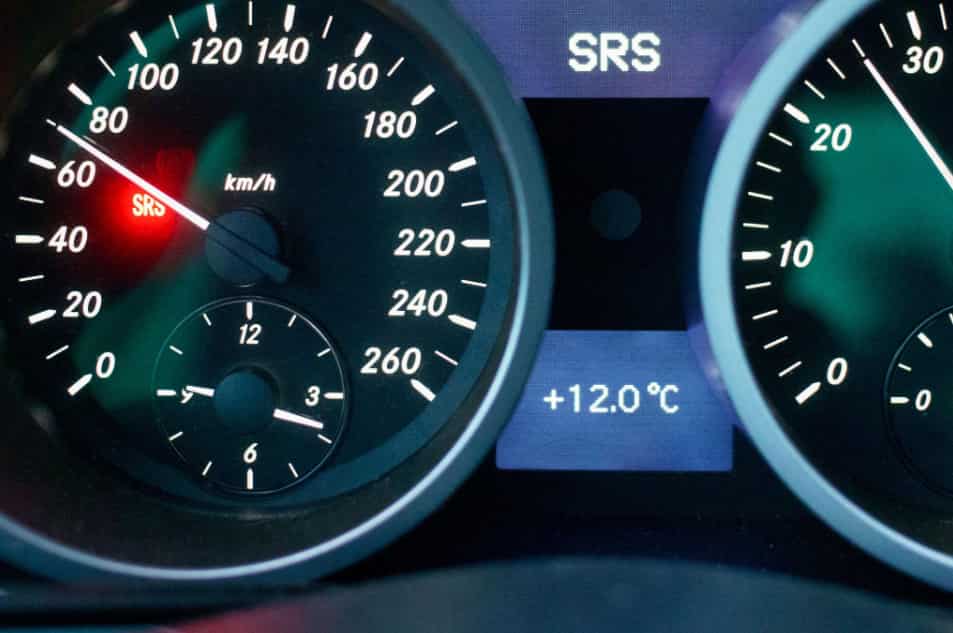
What Does Hyundai Check Forward Safety System Mean?
The Hyundai Check Forward Safety System warning appears when the vehicle detects a problem inside its forward collision technology. This system helps drivers avoid accidents by monitoring the road ahead in real time. When the warning activates, some safety features may stop working until the system detects normal conditions again.
Hyundai includes this technology in its SmartSense safety package. The system uses front radar sensors and a windshield mounted camera to track nearby vehicles, pedestrians, and road obstacles. It constantly measures distance, speed, and traffic movement to reduce collision risks.
When the system notices a fault, it sends a warning message to the dashboard. The vehicle may also disable features such as Forward Collision Avoidance Assist, Adaptive Cruise Control, or Lane Keeping Assist. In some Hyundai models, additional warning lights may appear at the same time.
Several issues can trigger this alert. Dirt or snow covering the radar sensor is one of the most common causes. Heavy rain, fog, or poor visibility can also interrupt the system temporarily. In other cases, software glitches, damaged wiring, or camera calibration problems may cause the warning to stay active.
Many drivers ignore the message because the car still operates normally. However, driving without active forward safety features increases accident risks, especially in traffic or highway conditions. The system cannot provide accurate collision warnings if sensors fail to detect vehicles correctly.
This warning affects many Hyundai models, including the Tucson, Santa Fe, Sonata, Elantra, Kona, and Palisade. While some problems are minor, persistent warnings often require inspection to prevent larger safety issues later.
How the Hyundai Forward Safety System Works
The Hyundai Forward Safety System helps drivers react faster to dangerous situations on the road. The system watches traffic conditions ahead and detects possible collision risks before the driver notices them. Hyundai designed this technology to improve safety during daily driving and highway travel.
The system relies on two main components. A front radar sensor measures the speed and distance of nearby objects. A front facing camera near the windshield analyzes vehicles, pedestrians, lane markings, and road movement. Together, these components send real time data to the vehicle’s Electronic Control Unit.
The control unit processes information within milliseconds. If the vehicle approaches another object too quickly, the system alerts the driver immediately. Drivers may hear warning sounds or see visual alerts on the dashboard. If the driver fails to react in time, the system can activate emergency braking assistance automatically.
Hyundai uses this technology in its Forward Collision Avoidance Assist feature. The system works continuously while driving and adjusts to changing traffic conditions. It helps reduce front end collision risks and supports safer driving behavior.
Accurate sensor readings are critical for proper system performance. Even small obstructions can affect the system. Dirt, mud, ice, or water on the radar sensor may block detection. A cracked windshield or camera misalignment can also trigger warning messages.
Weather conditions sometimes reduce system accuracy. Heavy rain, fog, snow, or direct sunlight may prevent the camera and radar from detecting objects clearly. In these situations, the vehicle may display the Check Forward Safety System warning until visibility improves.
Understanding how the system works helps drivers identify potential problems early. Regular cleaning and maintenance can prevent many common forward safety system errors.
Common Causes of Hyundai Check Forward Safety System Warning
Several issues can trigger the Hyundai Check Forward Safety System warning, and many drivers notice the alert without understanding what caused it. In most cases, the problem starts with blocked sensors or temporary communication errors inside the vehicle’s safety system. Hyundai uses radar sensors and a front windshield camera to monitor traffic conditions ahead. These components must stay clean and properly aligned to work accurately. Dirt, mud, snow, road salt, and water spots can easily block the radar sensor and reduce detection accuracy. Drivers often see the warning after driving in bad weather or using an automatic car wash. Even a small layer of debris may prevent the system from reading nearby vehicles correctly.
Camera calibration problems also cause this warning frequently. The front camera helps the system detect lane markings, pedestrians, and moving vehicles. After windshield replacement or a minor front end impact, the camera may lose alignment. When this happens, the forward safety system may disable important features such as Forward Collision Avoidance Assist or Adaptive Cruise Control. Some drivers also experience the warning because of software glitches or low battery voltage. Modern Hyundai vehicles depend heavily on electronic communication between sensors and control modules, so even temporary interruptions can activate dashboard alerts.
Weather conditions create another common problem. Heavy rain, fog, snow, and direct sunlight may interfere with radar and camera performance. In some situations, the warning disappears automatically once visibility improves. However, damaged wiring, faulty sensors, or electrical corrosion can keep the alert active for longer periods. Ignoring the warning may increase repair costs and reduce driving safety over time.
Can You Drive With the Hyundai Check Forward Safety System Warning On?
Many drivers continue driving after the Hyundai Check Forward Safety System warning appears because the vehicle often feels normal at first. The engine, steering, and braking system may still operate without obvious problems. However, the warning means the vehicle can no longer rely fully on its advanced safety technology. Features such as Forward Collision Avoidance Assist, Adaptive Cruise Control, and automatic emergency braking may stop working until the issue is fixed.
Driving with the warning active increases safety risks, especially in heavy traffic or at high speeds. The forward safety system helps drivers react faster to sudden obstacles and unexpected braking situations. Without accurate sensor data, the vehicle cannot provide reliable collision warnings or emergency assistance. This becomes more dangerous during highway driving, poor weather conditions, or crowded urban traffic where reaction time matters most.
Some situations create only temporary interruptions. Heavy rain, snow, fog, or dirt covering the radar sensor may trigger the warning for a short time. In these cases, the system often returns to normal once visibility improves or the sensors become clean again. However, drivers should pay attention if the warning remains active in clear weather or appears repeatedly during normal driving conditions.
Persistent warnings may indicate deeper problems involving damaged sensors, camera calibration errors, or electronic communication failures. Ignoring these issues for long periods can affect multiple driver assistance systems and increase repair costs later. Drivers should also avoid relying completely on manual driving habits if they regularly use Hyundai safety features for highway travel.
If the warning appears together with braking problems, steering issues, or several dashboard alerts, drivers should stop using the vehicle and schedule a professional inspection immediately. Early diagnosis often prevents larger and more expensive repairs.
How to Fix Hyundai Check Forward Safety System Errors
Fixing the Hyundai Check Forward Safety System warning often starts with simple inspections that drivers can perform at home. In many cases, the problem comes from blocked sensors or temporary software interruptions rather than serious mechanical damage. The first step is checking the front radar sensor and windshield camera for dirt, mud, water spots, or snow buildup. Hyundai usually places the radar sensor behind the front grille or lower bumper area. Cleaning the sensor gently with a soft microfiber cloth can restore proper detection quickly. Drivers should also inspect the windshield near the front camera because dirt, cracks, or stickers may interfere with visibility.
Restarting the vehicle may also clear temporary software glitches. Some Hyundai models trigger random safety warnings after battery voltage drops or electronic communication interruptions. Turning the vehicle off for several minutes and restarting the system can reset certain warning messages automatically. If the issue continues, drivers should check whether the vehicle requires a software update. Hyundai dealerships often release system updates that improve sensor communication and fix known electronic errors.
Camera recalibration becomes necessary after windshield replacement, front bumper repairs, or minor collisions. Even small alignment changes can reduce the accuracy of the forward safety system. Professional recalibration ensures the camera and radar sensor communicate correctly with the vehicle’s Electronic Control Unit. Drivers should avoid delaying recalibration because inaccurate readings may disable important safety functions.
If cleaning and restarting the system do not solve the problem, professional diagnostics become necessary. Technicians can scan the vehicle for sensor failures, wiring damage, or calibration errors. Early inspection often prevents larger repair costs and helps restore full safety performance faster.
How to Reset Hyundai Check Forward Safety System
Many Hyundai drivers try resetting the forward safety system before visiting a repair shop. In some situations, a simple reset clears temporary errors and restores normal system operation. This method works best when the warning appears because of weather conditions, blocked sensors, or minor software interruptions.
The first step is turning the vehicle off completely for several minutes. After restarting the engine, drivers should check whether the warning message disappears from the dashboard. Hyundai safety systems sometimes reset automatically after the Electronic Control Unit restarts. If the warning remains active, drivers should inspect the front radar sensor and windshield camera carefully. Cleaning dirt, moisture, or snow from these areas may help the system return to normal operation immediately.
Some Hyundai models also allow drivers to reset safety settings through the infotainment menu. Drivers can open the vehicle settings, locate Driver Assistance features, and disable the Forward Safety System temporarily before turning it back on again. This process may restart communication between sensors and the control module.
Another common reset method involves disconnecting the vehicle battery for several minutes. This approach forces the system to reboot completely and may clear temporary electronic faults. However, drivers should use caution because disconnecting the battery can reset other vehicle settings as well.
If the warning returns shortly after resetting the system, the problem likely involves calibration errors, damaged sensors, or electrical failures. Repeated resets will not solve hardware related issues. In these situations, professional diagnostics become necessary to identify the exact cause of the malfunction.
Drivers should also remember that resetting the warning does not always fix the underlying problem. The safest approach involves inspecting the system properly before relying on advanced driver assistance features again.
Hyundai Models Equipped With Forward Safety Technology
Hyundai includes Forward Safety Technology in many of its modern vehicles to improve driver awareness and reduce collision risks. The company introduced these systems as part of the Hyundai SmartSense package, which combines several advanced driver assistance features into one integrated safety platform. Drivers can now find Forward Collision Avoidance Assist, Lane Keeping Assist, Adaptive Cruise Control, and Blind Spot Monitoring in a wide range of Hyundai models.
The Hyundai Tucson remains one of the most popular models equipped with forward safety technology. Many drivers choose the Tucson because it combines family friendly practicality with advanced safety systems. The Hyundai Santa Fe and Palisade also include strong safety packages designed for larger families and long distance travel. These SUVs use radar sensors and front cameras to monitor traffic conditions continuously and provide additional protection during highway driving.
Sedan models such as the Hyundai Sonata and Elantra also feature forward safety systems in many trim levels. Hyundai designed these vehicles to deliver a safer driving experience in urban traffic and crowded road conditions. Smaller crossover models like the Hyundai Kona include similar technology as well, especially in higher trims and newer model years.
Although Hyundai equips many vehicles with these systems, feature availability may vary depending on the trim level and production year. Some entry level models include only basic collision warning functions, while premium trims offer full driver assistance packages with automatic emergency braking and adaptive cruise control.
Drivers should review vehicle specifications carefully before purchasing a Hyundai model. Understanding which safety technologies come standard can help buyers choose a vehicle that matches their driving needs and long term safety expectations.
Final Thoughts
The Hyundai Check Forward Safety System plays an important role in modern driving safety. It helps detect potential collisions, monitors traffic conditions, and supports drivers with automatic warnings and braking assistance when needed. When the system works properly, it reduces accident risks and improves overall driving confidence in both city and highway conditions.
However, the warning message should never be ignored for long periods. In many cases, the issue comes from simple causes such as dirty sensors, bad weather, or temporary software errors. These problems are often easy to fix with basic cleaning or a system restart. At the same time, repeated warnings may point to deeper issues involving camera calibration, damaged sensors, or electrical faults that require professional inspection.
Drivers should treat the forward safety system as a key safety layer rather than an optional feature. Even though the vehicle can still be driven when the warning appears, important functions like collision avoidance and emergency braking may no longer operate correctly. This reduces the vehicle’s ability to react in critical situations.
Regular maintenance, careful sensor cleaning, and timely software updates help prevent most common issues. When problems continue, visiting a Hyundai service center ensures proper diagnosis and restores full system performance.
Understanding how the Hyundai Check Forward Safety System works allows drivers to respond correctly when the warning appears. With the right approach, most issues can be resolved quickly, helping maintain both safety and long term reliability of the vehicle.