A Hyundai door lock problem can become frustrating very quickly. One day, the doors unlock normally with the key fob. The next day, the lock refuses to respond, makes a clicking sound, or stops working completely. In some cases, drivers cannot unlock the vehicle from the outside. Others struggle to lock the doors securely before leaving the car.
Modern Hyundai vehicles use advanced electronic locking systems. These systems rely on several components working together. The smart key, door lock actuator, central locking system, fuse box, and Body Control Module all play an important role. If one part fails, the entire system may stop functioning properly.
Many owners assume the repair will be expensive. Fortunately, that is not always true. Some Hyundai door lock issues come from simple causes such as a weak key fob battery or a blown fuse. Other problems involve worn actuators, damaged wiring, or electrical faults inside the door panel.
Recognizing the early warning signs can save both time and money. Slow lock response, intermittent unlocking, and unusual clicking noises often appear before complete failure happens. Ignoring these symptoms may lead to bigger repair costs later.
This guide explains the most common causes of Hyundai door lock problems, the best DIY fixes, and the average repair costs you should expect.
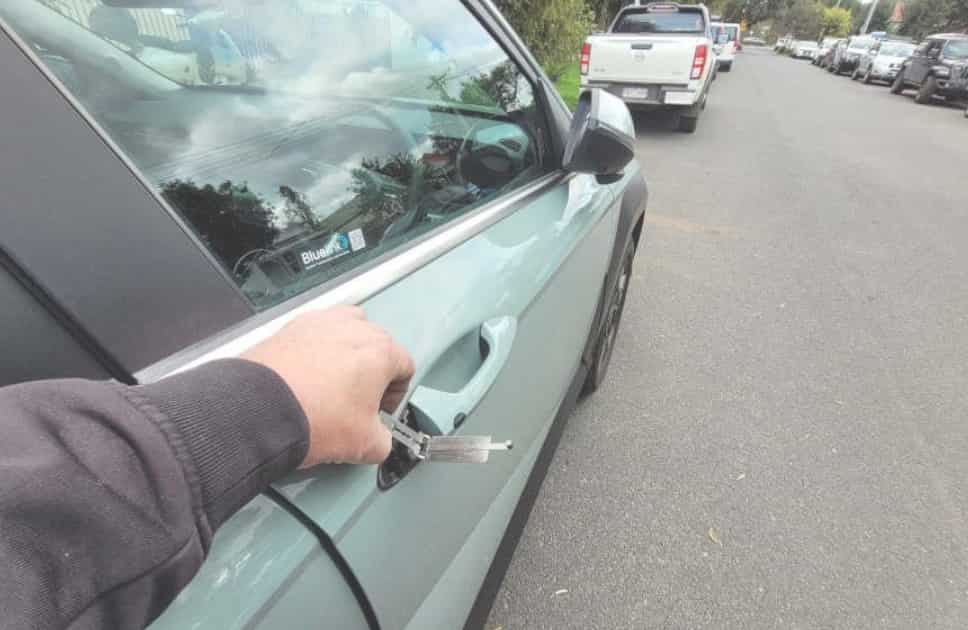
Why Is Your Hyundai Door Lock Not Working?
A Hyundai door lock can stop working for several different reasons. Some problems are mechanical, while others involve the vehicle’s electrical system. In many cases, the symptoms look similar even though the causes are completely different. That is why proper diagnosis is important before replacing parts.
Modern Hyundai vehicles use an electronic central locking system. This system connects the smart key, door lock actuator, fuse box, wiring harness, and Body Control Module. When one component fails, the entire locking system may become unreliable. Drivers often notice the problem starting with one door before it spreads to the others.
One of the most common causes is a faulty door lock actuator. The actuator is a small electric motor inside the door. It controls the locking and unlocking mechanism every time you press the key fob or interior lock button. Over time, the motor wears out from repeated use. The lock may respond slowly, make clicking noises, or stop moving completely.
A weak key fob battery can also create lock problems. The remote may work only at short distances or fail intermittently. Many owners think the actuator is broken when the real issue is simply low battery power inside the smart key.
Electrical problems are another common reason for Hyundai door lock failure. A blown fuse can disable the entire central locking system. Damaged wiring inside the door panel may interrupt communication between components. Moisture and corrosion can also affect electrical connections, especially in older vehicles or humid environments.
Cold weather may create temporary lock problems as well. Frozen door latches and dirt buildup can prevent the mechanism from moving correctly. In some situations, the door may unlock partially but fail to open fully.
Drivers should pay attention to early warning signs. Delayed response, weak actuator sounds, and inconsistent locking often indicate that one component is beginning to fail. Fixing the issue early can help prevent more serious and expensive repairs later.
Why Is Your Hyundai Door Lock Not Working?
A Hyundai door lock can stop working for several different reasons. Some problems are mechanical, while others involve the vehicle’s electrical system. In many cases, the symptoms look similar even though the causes are completely different. That is why proper diagnosis is important before replacing parts.
Modern Hyundai vehicles use an electronic central locking system. This system connects the smart key, door lock actuator, fuse box, wiring harness, and Body Control Module. When one component fails, the entire locking system may become unreliable. Drivers often notice the problem starting with one door before it spreads to the others.
One of the most common causes is a faulty door lock actuator. The actuator is a small electric motor inside the door. It controls the locking and unlocking mechanism every time you press the key fob or interior lock button. Over time, the motor wears out from repeated use. The lock may respond slowly, make clicking noises, or stop moving completely.
A weak key fob battery can also create lock problems. The remote may work only at short distances or fail intermittently. Many owners think the actuator is broken when the real issue is simply low battery power inside the smart key.
Electrical problems are another common reason for Hyundai door lock failure. A blown fuse can disable the entire central locking system. Damaged wiring inside the door panel may interrupt communication between components. Moisture and corrosion can also affect electrical connections, especially in older vehicles or humid environments.
Cold weather may create temporary lock problems as well. Frozen door latches and dirt buildup can prevent the mechanism from moving correctly. In some situations, the door may unlock partially but fail to open fully.
Drivers should pay attention to early warning signs. Delayed response, weak actuator sounds, and inconsistent locking often indicate that one component is beginning to fail. Fixing the issue early can help prevent more serious and expensive repairs later.
Common Symptoms of Hyundai Door Lock Problems
A Hyundai door lock problem usually does not appear suddenly. It often starts with small warning signs that become worse over time. Recognizing these symptoms early can help you identify the root cause before the system completely fails.
One of the most common symptoms is when the door does not lock or unlock consistently. Sometimes the system works normally, but other times it does not respond at all. This can happen with both the key fob and the interior lock button. When only one door is affected, the issue is often related to that specific door actuator rather than the entire system.
Another frequent sign is when the key fob works only intermittently. You may need to press the button multiple times or move closer to the vehicle for it to respond. In many cases, this is caused by a weak battery inside the remote. However, it can also indicate signal interference or a communication issue with the central locking system.
A clicking noise without actual movement of the lock is another clear warning sign. This usually points to a failing door lock actuator. The motor inside the actuator tries to operate but does not have enough strength to move the mechanism. Over time, this condition becomes worse until the lock stops working completely.
Some Hyundai owners also experience a complete failure of the automatic locking system. The doors no longer lock when driving or when using the remote. This often suggests a deeper electrical problem, such as a blown fuse or a malfunction in the Body Control Module.
In certain cases, the driver may notice that only the driver door is affected first. This is common because the driver side actuator is used more frequently than other doors. Once it begins to fail, the other doors may still work normally for a period of time.
Understanding these symptoms helps narrow down the problem. It also prevents unnecessary part replacements and reduces repair costs.
Most Common Causes of Hyundai Door Lock Failure
Hyundai door lock problems usually come from a few core issues. Most of them are related to wear, electrical faults, or simple component failure. Identifying the correct cause helps avoid unnecessary repairs and saves money.
One of the most frequent causes is a faulty door lock actuator. This part is responsible for physically moving the lock inside the door. Over time, the internal motor becomes weak. Gears inside the actuator can also wear out. When this happens, the lock may click but not move. In some cases, it only works intermittently before failing completely.
A dead key fob battery is another simple but common reason. When the battery inside the smart key is weak, the signal becomes unstable. The car may not respond unless you are very close to it. Sometimes it only works after multiple presses. This issue is often mistaken for a bigger electrical problem.
A blown fuse can also stop the entire locking system. The fuse protects the central locking circuit from electrical damage. If it burns out, none of the doors may respond to the key fob or interior switch. This is one of the easiest problems to fix, but it is often overlooked.
Wiring issues inside the door are another possible cause. The wiring harness connects the actuator to the main electrical system. If wires become damaged, loose, or corroded, the signal may not reach the actuator. Moisture entering the door panel can make this problem worse over time.
The Body Control Module, also known as BCM, can also cause door lock failure. This module controls many electrical systems in the vehicle, including central locking. When it malfunctions, the locks may behave unpredictably or stop working entirely.
In colder climates, frozen or jammed door latches are also common. Dirt, ice, or lack of lubrication can block the mechanical movement of the lock. This usually happens during winter and may resolve once the vehicle warms up.
Understanding these causes helps narrow down the issue quickly. It also guides you toward the correct repair instead of guessing or replacing the wrong parts.
How to Fix a Hyundai Door Lock That Is Not Working
When a Hyundai door lock stops working, the fix depends on the root cause. Some issues are simple and can be solved at home. Others require professional tools and diagnostic equipment. Starting with basic checks can often save time and money.
One of the first steps is to replace the key fob battery. A weak battery is one of the easiest problems to fix. If the remote only works sometimes or needs to be very close to the car, this is usually the cause. After replacing the battery, test the lock system again to see if it responds normally.
Next, check the fuse related to the central locking system. The fuse box is usually located under the dashboard or in the engine compartment. If the fuse is blown, replacing it may restore full function immediately. Always use the correct fuse rating to avoid further electrical issues.
If the lock is still not working, try lubricating the door latch. Dirt and debris can cause the mechanism to stick. A light automotive lubricant can help loosen the movement. This is especially useful in older vehicles or cars exposed to harsh weather conditions.
Another useful step is resetting the vehicle’s electrical system. Disconnecting the car battery for a few minutes can sometimes reset the Body Control Module. This may restore communication between the central locking components. However, this should be done carefully to avoid losing other electronic settings.
In cases where only one door is affected, the problem is often the door lock actuator. This part usually needs replacement rather than repair. If you hear clicking sounds but the lock does not move, the actuator is likely failing.
If none of these steps work, the issue may involve wiring or the Body Control Module. These problems require proper diagnostic tools and should be handled by a qualified mechanic.
Simple fixes can solve many Hyundai door lock problems. However, persistent issues should always be diagnosed professionally to avoid further damage.
Hyundai Door Lock Repair Costs
The cost of fixing a Hyundai door lock depends on the exact cause of the problem. Some repairs are very affordable and can be done in minutes. Others involve labor and parts that increase the total expense. Understanding the price range helps you decide whether to repair or replace components.
A key fob battery replacement is the cheapest solution. In most cases, it costs only a few dollars if you do it yourself. Even at a workshop, the price remains low. This is often the first repair recommended when the remote becomes weak or unresponsive.
If the problem is a blown fuse, the cost is also minimal. A replacement fuse is inexpensive and usually costs less than a few dollars. The main advantage is that it is quick to fix and restores the system immediately if the fuse was the only issue.
A door lock actuator replacement is more expensive. This is one of the most common repairs for Hyundai door lock failure. The cost depends on the model and labor rates. In general, the price can range from moderate to high because the door panel must be removed and the actuator replaced inside the door.
Electrical wiring repairs vary in cost. Simple wiring fixes may be affordable, but if the damage is hidden inside the door or dashboard, labor time increases. Moisture damage or corrosion can also make the repair more complex and expensive.
The most costly repair involves the Body Control Module. When the BCM fails, replacement and programming are required. This is a specialized job and usually done at a dealership or professional workshop. The cost is significantly higher compared to other repairs.
Overall, minor issues like batteries and fuses are cheap to fix. Mechanical and electronic component failures such as actuators or BCM problems require higher investment. Early diagnosis helps reduce repair costs and prevents further damage to the system.
DIY Repair vs Professional Mechanic
When dealing with a Hyundai door lock not working, choosing between DIY repair and professional service depends on the severity of the issue. Some problems are simple enough for car owners to handle at home, while others require specialized tools and technical knowledge.
Basic issues such as a weak key fob battery, blown fuse, or minor latch sticking can usually be fixed without professional help. These tasks are quick, low cost, and do not require advanced experience. Many owners successfully restore full lock function by replacing a battery or checking the fuse box.
However, more complex problems should be handled by a professional mechanic. A faulty door lock actuator requires door panel removal and careful reinstallation. Improper handling can damage internal clips or wiring. Similarly, electrical issues inside the wiring harness need proper diagnostic tools to locate the fault accurately.
Problems involving the Body Control Module are strictly professional repairs. This system controls multiple electronic functions in the vehicle. Incorrect handling can cause additional system failures or communication errors across the car’s electronics.
Choosing professional repair is also recommended when the issue is unclear or intermittent. Random locking behavior or inconsistent actuator response often indicates deeper electrical problems that are difficult to diagnose without scanning tools.
How to Prevent Hyundai Door Lock Problems
Preventing door lock issues is easier and cheaper than repairing them. Regular maintenance helps extend the life of the locking system and reduces unexpected failures.
Keeping the door lock mechanism clean and lubricated is important. Dirt and debris can build up over time and cause stiffness in the latch. A light application of automotive lubricant helps maintain smooth operation.
Protecting the electrical system is also essential. Avoid exposing door panels to water leaks or moisture. Water damage can corrode wiring and connectors, leading to intermittent lock failures.
Replacing the key fob battery early can prevent signal issues. A weak battery may cause delayed or inconsistent locking performance, which can be mistaken for a mechanical fault.
Frequently Asked Questions
Why is my Hyundai door lock not responding to the key fob
This is often caused by a weak key fob battery, signal interference, or a faulty actuator inside the door.
Can a dead car battery affect door locks
Yes, a weak or dead car battery can prevent the central locking system from working properly.
How much does it cost to replace a Hyundai door lock actuator
The cost varies by model, but it is usually a mid to high range repair due to labor and part replacement.
Why does my Hyundai door lock click but not open
This usually indicates a failing door lock actuator that is no longer strong enough to move the mechanism.
Can I fix Hyundai door lock problems myself
Yes, simple issues like batteries, fuses, and minor lubrication can be fixed at home. Complex electrical or actuator issues require professional repair.
Conclusion
Hyundai door lock problems are more common than many drivers expect. They can appear suddenly or develop slowly over time. In most cases, the issue comes from a few key components such as the door lock actuator, key fob battery, fuse, wiring system, or the Body Control Module. Each of these parts plays an important role in how the central locking system works.
The most important thing is to pay attention to early warning signs. Symptoms like delayed locking response, clicking sounds, or inconsistent operation are often the first signs of failure. When these signals appear, it is better to diagnose the problem early instead of waiting for a complete breakdown. Early action can help reduce repair costs and prevent inconvenience.
Some Hyundai door lock issues are simple and inexpensive to fix. Replacing a key fob battery or checking a fuse can often restore full function within minutes. However, more serious problems such as a faulty actuator or electrical wiring failure require professional repair and proper diagnostic tools.
Understanding the difference between minor and major issues helps you choose the right solution. It also prevents unnecessary part replacement and saves both time and money. Regular maintenance and careful inspection of the locking system can also help extend its lifespan.
If your Hyundai door lock is not working, the key is to identify the symptom clearly and take action as soon as possible.