Picture this. You start your Chevy Silverado in the morning, ready for work, but suddenly the dashboard goes completely dark. No speedometer, no fuel gauge, no warning lights. That moment of confusion quickly turns into concern because driving without a working instrument cluster is not just inconvenient, it can also be unsafe.
Many Silverado owners immediately assume the worst. They think the entire instrument cluster has failed or that there is a serious electrical issue that could cost hundreds of dollars to fix. But here is the truth that most people overlook. In many cases, the problem is much simpler. A blown fuse is often the hidden cause behind a non working dashboard.
Understanding the Silverado Instrument Cluster Fuse Location can save you time, stress, and unnecessary repair costs. Instead of rushing to a mechanic, you can diagnose and potentially fix the issue yourself in just a few minutes. This is especially important if you rely on your truck daily and cannot afford downtime.
In this guide, you will learn exactly where to find the instrument cluster fuse on different Silverado models, how to identify if it is blown, and how to replace it safely. By the end, you will have the confidence to handle this common issue on your own and avoid one of the most frustrating electrical problems Silverado drivers face.
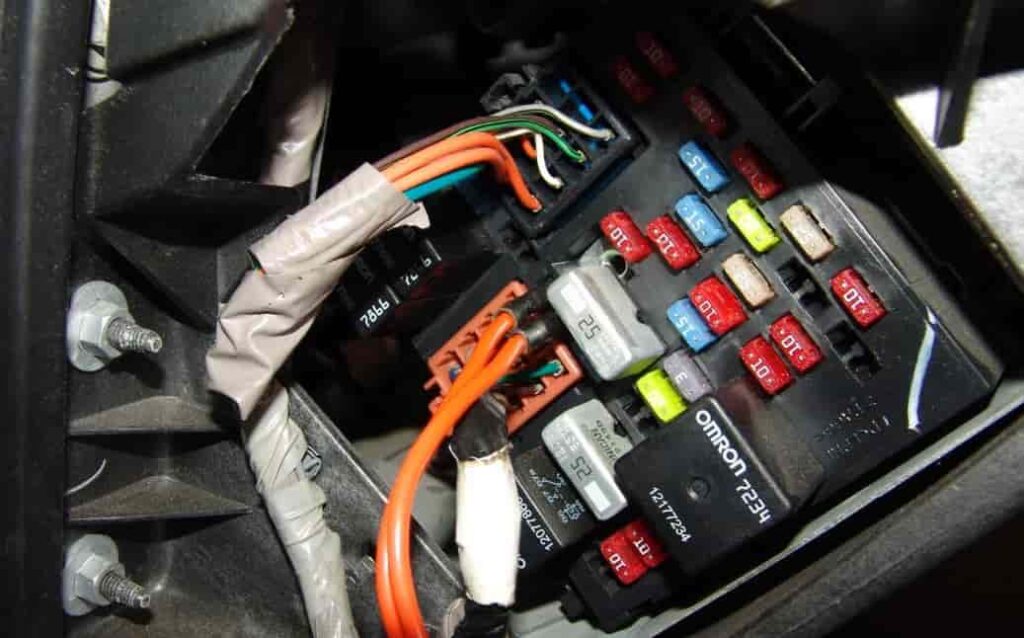
Where Is the Instrument Cluster Fuse on a Silverado?
To find the Silverado Instrument Cluster Fuse Location, you need to know one key detail. Chevy Silverado does not always label a fuse as “instrument cluster.” This often confuses many owners and leads them to check the wrong components.
In most models, the instrument cluster shares circuits with other systems. You should look for fuse labels such as IPC, DIC, GAUGE, or PANEL. These names vary by model year, so always double check before removing any fuse.
You will usually find the correct fuse in the interior fuse box. This box sits on the driver side of the dashboard. Open the driver door and remove the side panel to access it. This area contains most interior electronic fuses, including those linked to the dashboard.
If you do not find it there, check the fuse box under the hood. Some Silverado versions route dashboard functions through this box, although it mainly supports engine systems.
Always use the owner manual as your reference. It shows the exact fuse layout and helps you avoid mistakes. Newer Silverado models may also rely on control modules, but checking the fuse remains the fastest and easiest first step.
Silverado Instrument Cluster Fuse Location by Model Year
Finding the correct Silverado Instrument Cluster Fuse Location becomes much easier when you break it down by model year. Chevy Silverado has gone through several electrical design changes, so fuse placement and naming can differ.
For models from 1999 to 2006, you can find the fuse in the interior fuse box on the driver side dashboard. Look for labels such as GAUGE or IPC. These trucks use simpler electrical systems, so identifying the fuse is usually straightforward.
For the 2007 to 2013 Silverado, the fuse remains in the interior panel. However, labels like IPC or CLUSTER appear more often. Some trims may also link the instrument cluster to additional circuits, so checking the diagram is important.
For 2014 to 2018 models, the system becomes more advanced. The fuse still sits inside the cabin fuse box, but it often connects with electronic modules. You should check both the fuse and related systems if the dashboard stops working.
For 2019 and newer Silverado models, the instrument cluster relies heavily on control modules. You can still locate the fuse in the interior fuse box, but the issue may involve the Body Control Module if the fuse is intact. Always start with the fuse before moving to deeper diagnostics.
By understanding these differences, you can quickly narrow down the exact fuse location and avoid unnecessary troubleshooting.
Symptoms of a Blown Instrument Cluster Fuse
Recognizing the signs of a blown fuse helps you confirm the Silverado Instrument Cluster Fuse Location issue before taking further steps. Most symptoms appear suddenly and affect multiple dashboard functions at the same time.
The most common sign is a completely dead instrument cluster. The speedometer, tachometer, and fuel gauge stop working without warning. In many cases, the dashboard lights also turn off, making it difficult to read any information while driving.
You may also notice that the digital display goes blank. Odometer readings, warning messages, and trip information disappear instantly. This usually points to a power supply issue rather than a mechanical failure.
Another clear symptom is that all gauges fail at once. When a fuse blows, it cuts power to the entire circuit. This differs from a failing instrument cluster, where problems often start gradually, such as flickering lights or inaccurate readings.
Pay attention to how the issue appears. If everything stops working suddenly, a blown fuse is the most likely cause. If the problem develops over time, the cluster itself or another electronic component may be failing.
Identifying these symptoms early allows you to act quickly. You can check the fuse first and potentially fix the problem within minutes instead of facing a costly repair.
How to Check the Instrument Cluster Fuse
Once you understand the symptoms, the next step is to verify the Silverado Instrument Cluster Fuse Location and check if the fuse is still working. This process is simple and does not require advanced tools.
Start by turning off the engine and removing the key. This step protects both you and the vehicle’s electrical system. Next, locate the correct fuse box based on your Silverado model. In most cases, you will access the interior fuse panel on the driver side dashboard.
Open the fuse box cover and use the diagram inside to identify the correct fuse. Look for labels such as IPC, GAUGE, or PANEL. After you find it, use a fuse puller or a small plastic tool to remove the fuse carefully.
Inspect the metal strip inside the fuse. If the strip is broken or burned, the fuse has blown and needs replacement. If it looks intact, you can use a test light or multimeter to confirm that power flows through it properly.
Avoid using metal tools or forcing the fuse out, as this can damage the fuse box. Always handle components gently and keep track of the original position.
By following these steps, you can quickly confirm whether the fuse causes the dashboard issue and move one step closer to fixing it.
How to Replace a Blown Fuse
After you confirm the issue, you can fix the Silverado Instrument Cluster Fuse Location problem in just a few minutes. Replacing a blown fuse is simple, but you need to follow the correct steps to avoid further damage.
First, make sure the engine is off and the key is removed. Locate the blown fuse you checked earlier. Take a new fuse with the exact same amperage rating. This detail is critical because using the wrong fuse can damage the electrical system.
Insert the new fuse into the same slot. Press it firmly until it sits securely in place. Do not force it, as this can bend the connectors inside the fuse box.
Once installed, turn the ignition on and check the dashboard. If the instrument cluster lights up and works normally, the problem is solved. This quick fix often saves you from an expensive repair.
Never use a fuse with a higher rating as a shortcut. While it may seem like a quick solution, it can lead to overheating or serious electrical damage. Keeping a small fuse kit in your truck is a smart move, especially if you drive long distances.
This simple replacement process gives you full control over a common issue and helps you get back on the road without delay.
What If the Fuse Keeps Blowing?
If you replace the fuse and the dashboard fails again, the Silverado Instrument Cluster Fuse Location is no longer the main problem. A fuse usually blows for a reason, and repeated failure points to a deeper electrical issue.
The most common cause is a short circuit. Damaged or exposed wiring can create an unstable connection and overload the fuse. When this happens, the fuse will keep blowing to protect the system.
Another possible cause is a faulty component connected to the same circuit. This could include sensors, wiring harnesses, or even parts of the dashboard system itself. In newer Silverado models, the Body Control Module can also trigger electrical faults if it malfunctions.
You should not keep replacing the fuse without investigating further. This only treats the symptom and may lead to bigger problems over time. Instead, inspect visible wiring for damage or loose connections. If you cannot find the issue, a professional diagnostic check is the safest option.
Ignoring this situation can result in more serious electrical damage and higher repair costs. Addressing the root cause early helps you protect your vehicle and avoid unexpected breakdowns.
Fuse vs Instrument Cluster Failure
Before spending money on repairs, you need to understand the difference between a fuse issue and a real instrument cluster failure. Many Silverado owners misdiagnose this problem and replace the entire cluster when a simple fuse causes the issue.
A blown fuse is the simplest case. The dashboard stops working suddenly and completely. All gauges and lights go off at the same time. After you replace the fuse, everything returns to normal. The cost is minimal and the fix takes only a few minutes.
An instrument cluster failure shows different signs. The problem often develops over time. You may see flickering lights, inaccurate readings, or gauges that stop working one by one. In this case, replacing the fuse will not solve the issue.
Another key difference is cost and complexity. A fuse costs very little and you can replace it yourself. A faulty instrument cluster may require repair or replacement, which can be expensive and time consuming.
Always check the fuse first before assuming the worst. This simple step can save you from unnecessary expenses and help you identify the real cause quickly.
Conclusion
Understanding the Silverado Instrument Cluster Fuse Location gives you a clear advantage when dealing with dashboard issues. What seems like a serious electrical failure often turns out to be a small and easy fix.
By checking the fuse first, you can quickly identify the cause, restore your dashboard, and avoid costly repairs. This simple habit helps you stay in control of your vehicle and reduces downtime.
If your dashboard stops working, do not panic or assume the worst. Start with the fuse, follow the steps in this guide, and move to deeper diagnostics only if needed. In many cases, this approach saves both time and money.
Now that you know where to find and how to fix the problem, you can handle one of the most common Silverado issues with confidence. Before heading to a repair shop, always take a few minutes to check the fuse. It might be the quickest solution you need.