Hyundai ISG, known as Intelligent Stop and Go, is a start stop engine system designed to improve fuel efficiency in modern vehicles. It automatically turns off the engine when the car stops and restarts it when the driver continues moving. While this system helps reduce fuel consumption and emissions, many drivers feel it does not always match real world driving conditions.
In daily traffic, especially in crowded cities, the ISG system activates very frequently. This can create a driving experience that feels less smooth. Some drivers notice vibration when the engine restarts. Others feel a slight delay when accelerating from a complete stop. In hot weather, some also report temporary changes in air conditioning performance during stop phases. These issues make the system less comfortable for certain driving styles.
Because of these concerns, many owners start searching for how to turn off Hyundai ISG permanently instead of disabling it manually every time they start the vehicle. The goal is not to remove fuel efficiency benefits completely but to improve driving comfort and reduce repetitive system activation.
However, Hyundai does not provide a factory option to permanently disable ISG in most models. The system resets automatically at every ignition cycle due to emissions and fuel economy regulations. This limitation forces drivers to look at alternative solutions, ranging from simple settings to advanced modifications.
This article explains all practical methods, their risks, and the best long term solutions so you can choose the most suitable option for your driving needs.
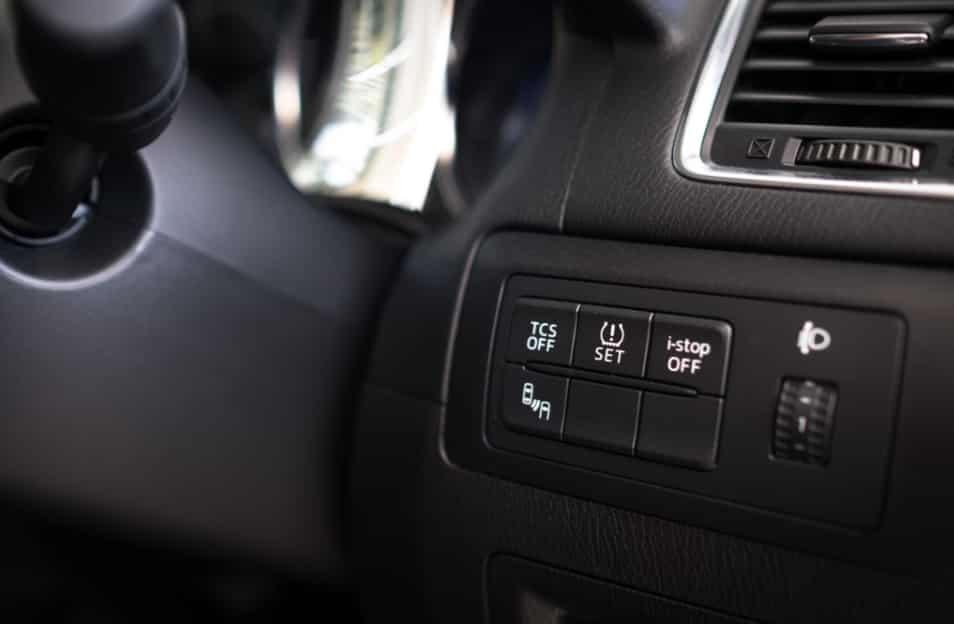
What Is Hyundai ISG and How It Works
Hyundai ISG, also known as Intelligent Stop and Go, is a start stop system in modern Hyundai vehicles. It helps reduce fuel use and emissions in city driving. The system shuts off the engine when the car stops and restarts it when the driver moves again. The vehicle ECU controls this process together with the battery management system and engine control unit.
The system only works when several conditions are met. The car must be fully stopped. The driver must press the brake pedal. The engine must reach normal operating temperature. The battery must also show enough charge to support another restart. If any condition fails, the system keeps the engine running. This protects the starter motor and electrical components from extra load.
When ISG turns off the engine, the system continues to monitor driver input. It stays in standby mode during the stop phase. Once the driver releases the brake pedal or presses the clutch in manual models, the engine restarts quickly. Hyundai uses a reinforced starter motor and AGM battery to support this repeated cycle. These parts handle frequent engine starts without major performance loss.
In real driving situations, especially in heavy traffic, the system activates many times in a short period. This can create a noticeable change in driving smoothness for some users. The engine stop and start cycle may feel repetitive in stop and go traffic. Although the system improves fuel efficiency, it does not always match driver comfort expectations. This gap between system design and real driving experience leads many owners to search for how to turn off Hyundai ISG permanently.
Why Drivers Want to Disable Hyundai ISG
Many drivers look for how to turn off Hyundai ISG permanently because the system does not always match real driving expectations. Hyundai designed ISG to reduce fuel consumption in city traffic, but many users value comfort and responsiveness more than small efficiency gains. This difference creates frustration in daily use, especially in congested urban environments.
One common issue is the repeated engine restart during stop and go traffic. When the engine shuts off and restarts many times, some drivers feel a slight vibration inside the cabin. This can reduce driving comfort, especially during long commutes. The transition between engine off and engine on also feels noticeable in certain Hyundai models, even though the system operates within milliseconds.
Another concern relates to acceleration response. Some drivers feel a small delay when they release the brake pedal and try to move forward. In busy intersections, even a small delay can affect driving confidence. This makes the system feel intrusive in situations that require quick reaction.
Climate control also plays a role in driver dissatisfaction. In hot weather, the air conditioning may reduce performance when the engine shuts off at a stop. This creates discomfort for passengers, especially in regions with high temperatures and heavy traffic conditions.
Some owners also worry about long term wear on components such as the starter motor and battery. Although Hyundai reinforces these parts, frequent engine cycling still raises concerns for drivers who plan to keep their vehicles for many years. These concerns are not always technical problems but rather perceived risks that affect user confidence.
Because of these combined factors, many drivers start searching for a permanent solution instead of relying on manual ISG deactivation every time they start the vehicle. This search intent is driven mainly by comfort, predictability, and long term ownership satisfaction rather than fuel efficiency considerations.
Can Hyundai ISG Be Permanently Turned Off
Many drivers assume they can fully disable Hyundai ISG through vehicle settings, but most Hyundai models do not support permanent deactivation from the factory. The system resets every time the engine restarts, so the ISG function becomes active again at the next ignition cycle. This behavior often creates frustration for drivers who prefer a consistent driving setup without having to adjust settings on every trip.
Hyundai designs the ISG system to meet fuel efficiency standards and emissions regulations. These regulations require manufacturers to keep start stop systems active under normal driving conditions. Because of this requirement, the vehicle ECU controls ISG behavior in a way that prioritizes environmental performance over driver preference. The system also integrates with battery management and engine control logic, which makes it a core part of the vehicle software rather than a simple optional feature.
In most models, the driver can only turn off ISG temporarily using a dedicated button inside the cabin. However, this setting does not persist after the engine is turned off. When the vehicle restarts, the system returns to its default active state. This limitation leads many users to search for how to turn off Hyundai ISG permanently, especially those who drive in heavy traffic or hot climates.
Because the system is deeply connected to ECU logic and emissions control, permanent deactivation is not available through official settings. Any long term solution usually requires external methods such as memory modules, sensor adjustments, or software coding. Each method affects the system differently and comes with its own level of risk and complexity.
This limitation explains why ISG remains active by default and why drivers must rely on alternative solutions if they want a permanent change in system behavior.
Methods to Turn Off Hyundai ISG Permanently
Drivers who search for how to turn off Hyundai ISG permanently usually want a solution that does not require repeated manual deactivation. Since Hyundai does not offer a factory permanent off option, owners rely on several alternative methods. Each method provides a different level of convenience, risk, and system impact, so choosing the right approach depends on driving needs and long term ownership expectations.
One of the simplest approaches is using the ISG OFF button every time the vehicle starts. This method keeps the system under driver control without modifying any vehicle components. It is safe and does not affect warranty, but it requires repetition on every drive. Many drivers find this inconvenient in daily traffic.
A more advanced option is the ISG memory module. This small device connects to the vehicle system and remembers the last ISG setting. If the driver turns ISG off once, the module keeps it off during future engine starts. This method offers a more permanent experience without changing ECU programming. It is popular because it balances convenience and low system risk.
Some drivers explore battery sensor adjustments as another method. This approach influences how the system reads battery condition data. If the system detects unsuitable conditions, it may prevent ISG activation. However, this method can affect electrical behavior and may trigger warning signals in some vehicles.
Another method involves fuse removal linked to the ISG system. This can disable the function, but it may also cause diagnostic errors or affect other electronic systems. It carries a higher level of technical risk and is not recommended for most users.
The most advanced method is ECU coding or software tuning. This approach modifies system behavior at the software level and can fully deactivate ISG. However, it may impact warranty coverage and emissions compliance depending on local regulations.
Each method offers a different balance between safety and permanence. Understanding these differences helps drivers choose the most suitable solution for their vehicle and driving style.
Risks of Disabling Hyundai ISG
Disabling Hyundai ISG permanently may improve driving comfort, but it also introduces several risks that drivers need to understand before making any modification. Since the ISG system connects directly to the vehicle ECU, battery management system, and emissions control logic, any change can affect multiple components at the same time.
One of the main risks is warranty impact. Hyundai designs the ISG system as part of its factory emissions and fuel efficiency setup. If a driver modifies the system using external tools such as memory modules, fuse removal, or ECU coding, the manufacturer may reject warranty claims related to electrical or engine systems. This risk depends on the type of modification and local dealer policies.
Another important risk involves electrical system stability. The ISG system relies on precise communication between the battery sensor, alternator, and starter motor. When this communication is interrupted or altered, the vehicle may show warning messages or unexpected behavior. Some drivers report temporary error codes after installing aftermarket solutions, especially if the installation quality is poor.
Battery performance can also be affected in certain cases. The ISG system helps manage charging cycles in modern Hyundai vehicles. When the system is disabled incorrectly, the battery may not charge or discharge in an optimal pattern. Over time, this can reduce battery lifespan or create inconsistent electrical performance.
Emissions compliance is another factor to consider. The ISG system plays a role in reducing idle fuel consumption. In some regions, modifying or disabling emissions related systems may create legal or inspection issues. This depends on local regulations and vehicle inspection requirements.
Because of these risks, drivers should carefully evaluate whether they prioritize comfort or system integrity. A safer approach is to choose low risk solutions that do not interfere deeply with ECU or core electrical systems.
Best Long-Term Solution for Hyundai ISG Deactivation
Choosing the best long term solution for how to turn off Hyundai ISG permanently depends on balancing safety, convenience, and system impact. Each method offers different benefits, but not all of them are suitable for daily driving or long term ownership. Drivers need to consider how often they drive in traffic, how long they plan to keep the vehicle, and how much risk they are willing to accept.
The factory ISG OFF button is the safest option. It does not change any system settings and keeps the vehicle fully within manufacturer design. However, it requires manual activation every time the engine starts. This makes it less practical for drivers who want a consistent experience without repeated actions.
The ISG memory module is the most balanced solution for most users. It remembers the last ISG setting and automatically keeps the system off during future drives. It does not require ECU changes and usually works as a plug and play device. This method offers a strong combination of convenience and low technical risk, which is why many Hyundai owners prefer it for daily use.
More advanced methods such as fuse removal or ECU coding provide a more permanent effect, but they also introduce higher risks. These methods can affect warranty coverage, electrical stability, and emissions compliance. They are better suited for experienced users who fully understand vehicle systems and accept possible long term consequences.
When comparing all options, the ISG memory module stands out as the most practical long term solution for most drivers. It reduces daily inconvenience while maintaining system stability. It also avoids deep modifications that could affect other vehicle functions.
In conclusion, the best approach is not only about disabling ISG permanently but also about choosing a method that keeps the vehicle reliable and safe for everyday driving.
Legal Considerations and FAQs About Hyundai ISG Deactivation
Understanding the legal and compliance side of Hyundai ISG deactivation is important before making any permanent changes. The ISG system is part of the vehicle emissions and fuel efficiency design. In many countries, manufacturers must include start stop systems to meet regulatory standards. This means the system supports official fuel economy and emissions targets set by transportation authorities.
In most regions, using the ISG OFF button does not create any legal issues because it is an approved factory feature. However, permanent modifications such as ECU coding, fuse removal, or sensor manipulation may affect compliance with emissions regulations depending on local laws. Some vehicle inspection programs may also check for proper operation of emissions related systems. Because of this, drivers should always consider local regulations before applying permanent changes.
From a warranty perspective, Hyundai may reject claims if a modification directly affects electrical systems or engine control behavior. This does not apply to normal usage of the ISG OFF button, but it may apply to aftermarket devices or software changes. Understanding these boundaries helps drivers avoid unexpected repair costs in the future.
Frequently Asked Questions
Can I permanently turn off Hyundai ISG without modifying the car
Most Hyundai models do not support permanent ISG deactivation through factory settings. The system resets every time the engine starts. Permanent solutions usually require external methods.
What is the safest way to disable Hyundai ISG
The safest method is using the built in ISG OFF button. It does not affect warranty or vehicle systems. It only requires manual activation each time you drive.
Does disabling ISG damage the car
Properly disabling ISG using safe methods like memory modules does not damage the car. However, incorrect modifications may affect electrical systems or trigger warning messages.
Why does ISG turn back on every time I start the engine
The system resets by design to meet emissions and fuel efficiency regulations. This behavior is controlled by the ECU and cannot be changed in most factory settings.
Is ISG useful or should I disable it
ISG improves fuel efficiency in city driving. However, some drivers prefer to disable it for comfort and smoother driving experience.
Conclusion
Hyundai ISG is a useful technology that helps improve fuel efficiency and reduce emissions in modern driving conditions. However, it does not always match the expectations of every driver, especially in heavy traffic or hot climates where comfort and smooth acceleration matter more. This is why many owners search for how to turn off Hyundai ISG permanently and look for more stable driving behavior in daily use.
While several methods exist to disable or reduce ISG activity, each option comes with different levels of safety, convenience, and system impact. The factory ISG OFF button remains the safest approach, but it requires manual activation every time the vehicle starts. The ISG memory module offers a more practical long term solution by maintaining the last user setting without changing core vehicle systems. More advanced methods may provide stronger control, but they also introduce higher risks related to warranty, electrical stability, and compliance.
Choosing the right solution depends on your driving habits and priorities. If you value safety and reliability, low risk options are always the better choice. If you prioritize convenience in daily traffic, a balanced solution like a memory module can improve your driving experience without heavily modifying the vehicle.
Ultimately, understanding how the ISG system works helps you make a more informed decision. Instead of focusing only on disabling the system, it is more important to choose an approach that keeps your Hyundai reliable, comfortable, and suitable for long term ownership.