Where Is the Genesis Car Manufactured? Complete Guide to Production Locations and Factories answers one of the most common questions among luxury car buyers. Many people want to know where a vehicle comes from before they spend money on a premium brand.
Some buyers think luxury cars come from factories across the United States or Europe. However, Genesis Motor follows a different strategy. The brand concentrates most production activities in South Korea instead of spreading operations worldwide. This approach helps Genesis control quality and maintain brand consistency.
Hyundai Motor Group owns Genesis and manages its manufacturing network. The company uses advanced factories, modern robotics, and strict inspection systems to produce Genesis vehicles. Because of this structure, many customers often confuse export locations with actual manufacturing sites.
This guide explains where Genesis cars are manufactured and how the company handles global production. You will also learn why Genesis relies heavily on Korean factories and how this strategy supports luxury quality standards.
By the end of this article, you will understand the real origin of Genesis vehicles, the factories behind each model, and the production philosophy that shapes the brand’s global reputation.
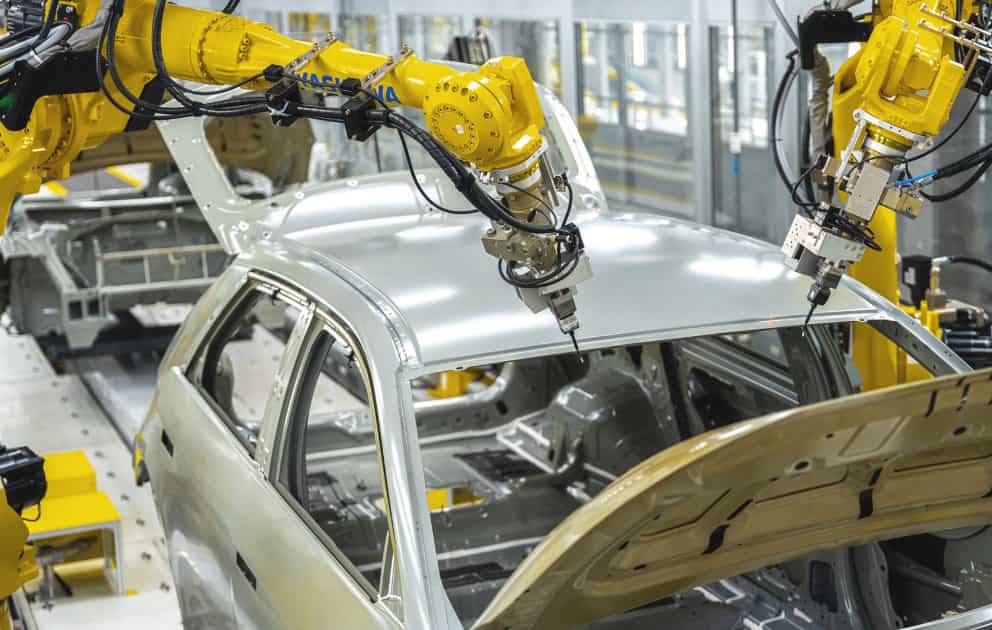
Overview of the Genesis Manufacturing System
Genesis Motor does not operate as a completely independent car manufacturer. Instead, the brand works within the larger production network of Hyundai Motor Group. This structure allows Genesis to access advanced technology, large scale research facilities, and highly efficient manufacturing plants without sacrificing its luxury identity.
Genesis focuses heavily on precision, consistency, and quality control. Unlike many global automakers that spread production across multiple countries, Genesis keeps most manufacturing operations close to its core engineering centers in South Korea. This strategy gives the company tighter control over vehicle standards and production accuracy.
Hyundai Motor Group designs many Genesis models on shared platforms. However, Genesis engineers adjust suspension systems, cabin materials, sound insulation, and driving dynamics to create a more premium experience. As a result, Genesis vehicles feel very different from standard Hyundai models despite sharing some technical foundations.
The company also limits production volume compared to mass market brands. Lower production numbers help Genesis maintain stronger quality inspections during each manufacturing stage. Factory teams check paint quality, panel alignment, interior materials, and electronic systems before vehicles leave the assembly line.
This manufacturing philosophy plays a major role in Genesis brand positioning. Instead of chasing maximum production numbers, the company prioritizes refinement, luxury comfort, and long term reliability. That approach helps Genesis compete with established luxury brands in global markets.
Primary Manufacturing Location of Genesis Cars
South Korea serves as the main manufacturing hub for nearly all Genesis Motor vehicles. The company produces most Genesis sedans and SUVs inside advanced facilities operated by Hyundai Motor Group. These factories handle everything from body construction to final quality inspection.
The country plays an important role in Genesis brand identity. Hyundai Motor Group built its luxury manufacturing strategy around Korean engineering, centralized production, and strict quality management. Because of this approach, many Genesis buyers associate the brand with high precision and consistent craftsmanship.
One of the biggest advantages of centralized production involves tighter quality control. Engineers and factory managers can monitor every stage of vehicle assembly more closely when operations remain concentrated in one region. This system reduces production variation and helps Genesis maintain luxury standards across different models.
South Korean plants also use advanced robotics and automated manufacturing systems. Automated welding machines improve structural accuracy, while precision paint facilities create cleaner finishes and stronger durability. Skilled technicians then complete detailed interior work, including leather installation and trim alignment.
Genesis benefits from South Korea’s strong automotive supply chain as well. Many suppliers operate close to Hyundai production centers, which improves efficiency and reduces logistics delays. Faster coordination between factories and suppliers allows Genesis to maintain stable production schedules and higher component quality.
This manufacturing structure explains why most Genesis vehicles sold around the world still originate from South Korea, even when customers purchase them in North America, Europe, or the Middle East.
Are Genesis Cars Manufactured in the United States?
Many buyers in North America ask whether Genesis Motor manufactures cars inside the United States. The confusion usually comes from dealership locations, import distribution centers, and regional assembly operations. However, most Genesis vehicles still come directly from South Korean factories.
At the moment, Genesis does not operate a large independent manufacturing plant in the United States. Instead, Hyundai Motor Group handles most Genesis production through its established facilities in South Korea. The company then exports vehicles to global markets, including the United States and Canada.
Some people assume Genesis builds cars locally because Hyundai already operates manufacturing facilities in America. Hyundai Motor Group does maintain production plants in states like Alabama and Georgia for selected Hyundai and Kia models. However, Genesis production remains far more centralized than many competing luxury brands.
This strategy gives Genesis stronger control over quality standards and production consistency. The company can supervise engineering processes more effectively when factories stay close to core development centers. Luxury brands often face quality differences when they spread manufacturing across too many regions, and Genesis tries to avoid that problem.
Importing vehicles from South Korea also supports brand positioning. Genesis promotes itself as a premium Korean luxury brand with advanced engineering and refined craftsmanship. Keeping production close to headquarters strengthens that identity in international markets.
For American buyers, this means most Genesis vehicles on local dealership lots originally came from South Korean production facilities rather than domestic assembly plants.
Global Distribution Strategy Behind Genesis Vehicles
Genesis Motor sells vehicles in many international markets, but the company does not rely on widespread global manufacturing. Instead, Genesis focuses on centralized production in South Korea and exports vehicles worldwide through a controlled distribution network.
This strategy differs from many large automotive brands. Some manufacturers build vehicles in multiple countries to reduce shipping costs and increase regional production capacity. Genesis takes a more focused approach. The company prioritizes manufacturing consistency over rapid factory expansion.
South Korean factories ship Genesis vehicles to North America, Europe, Australia, and the Middle East. Centralized production allows the brand to maintain uniform engineering standards across global markets. Customers receive nearly identical build quality regardless of where they purchase the vehicle.
This system also helps Genesis protect its luxury image. Premium brands must maintain consistency in paint quality, cabin materials, driving comfort, and assembly precision. Large production differences between factories can damage customer trust. Genesis reduces that risk by limiting the number of manufacturing locations.
The export model also supports supply chain efficiency. Hyundai Motor Group coordinates suppliers, engineering teams, and production facilities from a centralized network in South Korea. Faster communication between departments improves manufacturing accuracy and reduces delays during vehicle production.
Some buyers view global manufacturing as a sign of size and prestige. However, Genesis uses centralized production as a competitive advantage. The company focuses on quality control, engineering precision, and brand consistency instead of maximizing factory numbers across different countries.
This approach has helped Genesis strengthen its reputation in the global luxury automotive market while maintaining tighter control over production standards.
Major Genesis Production Facilities in South Korea
Several advanced facilities in South Korea produce vehicles for Genesis Motor. These factories belong to Hyundai Motor Group and support the company’s luxury manufacturing strategy through advanced automation and strict quality management.
The Ulsan manufacturing complex stands out as one of the most important production centers for Genesis vehicles. Many industry experts recognize this facility as one of the largest automotive manufacturing complexes in the world. The plant handles multiple stages of vehicle production, including stamping, welding, painting, and final assembly.
Engineers at the Ulsan facility use advanced robotic systems to improve precision and efficiency. Automated welding equipment creates stronger structural alignment, while modern paint systems deliver cleaner and more durable finishes. Skilled technicians then inspect every vehicle before shipment.
The Asan plant also plays a major role in Genesis sedan production. This facility focuses heavily on premium vehicle assembly and high quality manufacturing standards. Workers at the plant pay close attention to cabin materials, panel fitment, and electronic system performance.
Genesis production facilities combine automation with human craftsmanship. Robots manage repetitive manufacturing tasks with high accuracy, but trained specialists still complete many luxury focused interior details by hand. This balance helps Genesis maintain both efficiency and refinement.
South Korea’s strong automotive infrastructure gives Genesis another advantage. Suppliers, engineering centers, and logistics hubs operate close to major factories. Faster coordination between these systems improves production stability and supports consistent vehicle quality.
These facilities form the foundation of Genesis manufacturing operations and help the brand compete with established luxury automakers around the world.
Which Genesis Models Are Manufactured at Each Factory?
Different Genesis Motor models come from different production lines in South Korea. Hyundai Motor Group assigns specific factories to certain vehicle categories based on production capacity, engineering requirements, and manufacturing specialization.
The Genesis G70 often comes from facilities that focus on sport oriented sedan production. Engineers design these production lines to support precise handling characteristics, performance tuning, and detailed chassis calibration. The company places strong attention on driving dynamics because the G70 competes directly with premium sport sedans from Europe.
The Genesis G80 usually comes from plants that specialize in luxury sedan manufacturing. Production teams focus heavily on cabin refinement, ride comfort, and premium interior craftsmanship during assembly. Workers inspect leather surfaces, dashboard alignment, and sound insulation materials carefully before vehicles leave the factory.
SUV models like the Genesis GV70 and GV80 require different production systems because of their larger dimensions and structural design. These manufacturing lines support advanced safety technologies, larger body structures, and complex drivetrain configurations. Genesis also applies strict quality checks to suspension systems and interior finishing on these vehicles.
Production allocation may change over time as demand increases in different regions. Hyundai Motor Group occasionally adjusts factory operations to improve efficiency and reduce supply chain pressure. However, South Korea remains the primary production center for nearly every Genesis model sold worldwide.
Many buyers search for factory information because they want reassurance about quality and authenticity. Understanding where each Genesis model comes from helps customers feel more confident about the brand’s engineering standards and manufacturing consistency.
How Genesis Maintains Luxury Quality Standards
Luxury buyers expect more than strong performance and modern technology. They also expect consistent craftsmanship, smooth driving comfort, and long term reliability. Genesis Motor maintains these standards through strict manufacturing control and detailed inspection systems across every production stage.
Hyundai Motor Group invests heavily in advanced manufacturing technology for Genesis production facilities. Automated systems improve accuracy during welding, painting, and structural assembly. These technologies help reduce production errors and improve overall build consistency.
Quality inspection teams examine vehicles throughout the manufacturing process instead of waiting until final assembly. Workers check body panel alignment, paint finish quality, electronic systems, and interior materials multiple times before shipment. This process helps Genesis reduce defects and maintain premium standards across global markets.
The company also focuses strongly on cabin refinement. Technicians inspect leather stitching, dashboard fitment, ambient lighting, and sound insulation materials carefully. Luxury buyers often notice small imperfections immediately, so Genesis prioritizes detailed finishing work during production.
Road testing also plays an important role in quality control. Engineers evaluate noise levels, steering response, braking performance, and ride comfort before vehicles reach dealerships. These tests help Genesis deliver a more refined driving experience that can compete with established luxury brands.
Genesis benefits from centralized manufacturing because engineering teams remain close to production facilities. Faster communication between departments allows the company to solve technical issues more efficiently and maintain stronger quality consistency.
This manufacturing philosophy explains why Genesis continues gaining recognition in the luxury automotive market despite competing against brands with much longer histories.
Conclusion
Where Is the Genesis Car Manufactured? Complete Guide to Production Locations and Factories shows that most Genesis vehicles come directly from South Korea. Although the brand sells cars in many global markets, Genesis Motor still relies heavily on centralized production through the manufacturing network of Hyundai Motor Group.
This strategy helps Genesis maintain stronger quality control, consistent engineering standards, and a more refined luxury experience. Instead of expanding production across many countries, the company focuses on precision manufacturing and close coordination between factories, suppliers, and engineering teams. That approach allows Genesis to protect its premium image while competing with established luxury brands.
South Korean facilities play a major role in the brand’s reputation for reliability, comfort, and craftsmanship. Advanced robotics, skilled technicians, and detailed inspection systems help Genesis deliver vehicles with consistent build quality across global markets.
Many buyers initially assume Genesis vehicles come from factories in the United States or Europe. However, the company uses a different philosophy. Genesis prioritizes centralized production because it supports tighter quality management and stronger manufacturing consistency.
Understanding where Genesis cars are manufactured can help buyers make more informed purchasing decisions. It also gives customers a clearer view of the engineering philosophy behind the brand’s growing success in the global luxury automotive industry.