The Genesis Auto Start Stop Disable topic attracts a lot of attention from drivers. Many Genesis owners search for it because the engine often shuts off at traffic lights or in slow traffic. This behavior comes from the Auto Start Stop system, which is designed to save fuel and reduce emissions.
In real driving conditions, the system can feel annoying. The engine stops when the vehicle fully halts, then restarts when the driver releases the brake. This cycle repeats many times in city traffic. Some drivers feel it reduces comfort. Others worry about long term impact on the starter motor and battery.
Genesis builds this system to improve fuel efficiency and meet emission standards. However, driving habits and road conditions do not always match its design goals. That is why many drivers look for ways to disable it.
This guide explains how the Genesis Auto Start Stop system works. It also shows how to turn it off correctly. You will learn both temporary and advanced disable methods. The article also explains the risks before you make any permanent changes.
By the end, you will understand when it makes sense to disable the system and how to do it safely based on your driving needs.
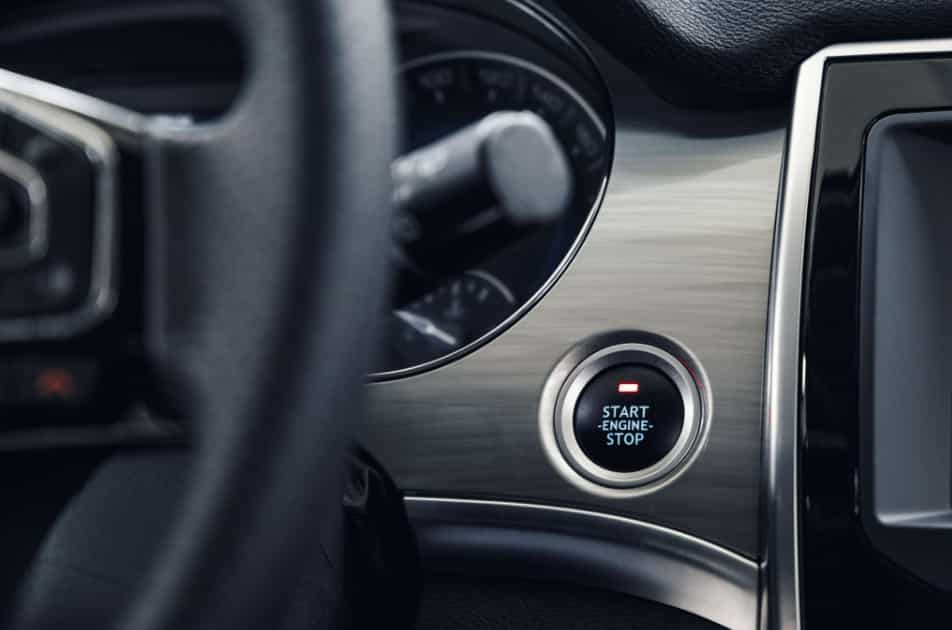
How the Genesis Auto Start Stop System Works
Genesis uses the Auto Start Stop system to reduce fuel consumption during idle conditions. The system shuts the engine off when the vehicle stops and starts it again when the driver wants to move forward. This process happens automatically and usually takes only a few seconds.
The system relies on several components working together. The Engine Control Unit monitors vehicle conditions in real time. Brake sensors detect when the driver fully presses the brake pedal. The battery management system checks whether the battery has enough power for another restart cycle. Temperature sensors also monitor engine and cabin conditions before the system activates.
The Auto Start Stop feature does not work every time the vehicle stops. The system only activates under specific conditions. The engine usually shuts off when the vehicle reaches a complete stop and the battery level remains healthy. The system may stay inactive if the engine is still cold or if the air conditioning system needs extra power.
When the driver releases the brake pedal, the engine restarts almost immediately. In some situations, steering movement or climate control demand can also trigger a restart. Genesis designs this process to feel smooth, but many drivers still notice a slight delay during heavy traffic conditions.
Automakers use systems like this to meet modern fuel economy and emissions regulations. In city driving, the technology can reduce unnecessary fuel use while the vehicle waits at intersections. However, not every driver enjoys the constant stop and restart cycle. This discomfort explains why the Genesis Auto Start Stop Disable topic continues to grow in popularity among luxury vehicle owners.
How to Turn Off Genesis Auto Start Stop System
Most Genesis models include a simple way to disable the Auto Start Stop feature. Drivers can usually turn the system off by pressing the dedicated Auto Start Stop button inside the cabin. In many vehicles, this button sits near the center console or dashboard controls.
After pressing the button, an indicator light appears on the instrument cluster or button itself. This light confirms that the system is disabled for the current drive. Once disabled, the engine will continue running while the vehicle waits at traffic lights or in slow traffic.
Many drivers prefer this method because it requires no modification or special tools. The process only takes a few seconds and does not affect the vehicle warranty. However, Genesis programs the system to reset after the engine turns off. This means drivers must press the button again every time they restart the vehicle.
Some newer Genesis models also provide additional settings through the infotainment system. Drivers may find Auto Start Stop controls under vehicle settings or driver assistance menus. The exact layout depends on the model and software version. Vehicles such as the G70, G80, GV70, and GV80 may offer slightly different menu structures.
Disabling the system changes how the vehicle behaves in traffic. The engine stays active during idle conditions, which creates a smoother driving experience for many owners. Drivers often notice quicker throttle response because the engine no longer needs to restart before acceleration. However, fuel consumption may increase slightly, especially during heavy city driving.
For most owners, the temporary disable method offers the safest and easiest solution. It avoids technical risks while giving drivers more control over daily driving comfort.
Can You Permanently Disable Genesis Auto Start Stop?
Many Genesis owners want a permanent solution instead of pressing the disable button every time they start the vehicle. However, Genesis designs the Auto Start Stop system to reactivate automatically after each ignition cycle. The factory software controls this behavior through the Engine Control Unit.
Some drivers use aftermarket solutions to bypass the automatic reset. One popular option involves installing a start stop memory module. This device remembers the last setting and keeps the system disabled after the vehicle restarts. Other drivers choose ECU coding tools to change the factory configuration directly.
Although these methods can work, they also introduce several risks. ECU modifications may affect warranty coverage because dealerships can detect software changes during diagnostics. Incorrect coding can also create electrical problems or trigger warning lights on the dashboard. In some cases, the vehicle may experience unstable system behavior if the modification conflicts with other driver assistance technologies.
Aftermarket memory modules usually involve lower risk than direct ECU programming. Even so, installation quality remains important. Poor wiring or incompatible modules can interfere with vehicle electronics. Luxury vehicles such as Genesis models rely heavily on connected systems, so even a small modification can create unexpected issues.
Drivers should also consider local emissions regulations before making permanent changes. Some regions require factory emission related systems to remain operational. Disabling the Auto Start Stop feature permanently could create compliance concerns during inspections or future vehicle resale.
For most drivers, the temporary disable method remains the safest approach. Permanent modification may improve convenience, but it also increases technical and legal risks. Drivers should balance comfort, reliability, and warranty protection before choosing a long term solution.
Pros and Cons of Disabling Auto Start Stop
Many drivers disable the Auto Start Stop system because they want a smoother driving experience. In heavy traffic, constant engine shutdowns and restarts can become frustrating. Some drivers also notice a slight delay when accelerating from a complete stop. Keeping the engine running removes this interruption and creates more consistent vehicle response.
Another advantage involves driving comfort. The cabin often feels more stable when the engine stays active, especially during hot or cold weather. Air conditioning and heating systems can operate more consistently without repeated engine interruptions. Drivers who spend long hours in urban traffic usually appreciate this difference the most.
Some owners also believe disabling the system may reduce wear on the starter motor and battery. Modern Genesis vehicles use reinforced components designed for frequent restart cycles, but many drivers still prefer to minimize unnecessary mechanical activity whenever possible.
Despite these benefits, disabling the system also creates disadvantages. The most obvious drawback involves fuel consumption. Auto Start Stop technology reduces fuel use during idle conditions, particularly in city traffic. Keeping the engine running continuously may increase fuel costs over time.
The vehicle may also produce more emissions while idling. Automakers introduced these systems mainly to meet strict environmental regulations and improve efficiency ratings. Drivers who disable the feature lose part of those environmental benefits.
Driving conditions play an important role in this decision. Highway drivers may notice little difference because the vehicle rarely stops long enough for the system to activate. Urban commuters, however, may experience a greater impact on both comfort and fuel economy.
The right choice depends on personal preference, traffic conditions, and driving habits. Some drivers value comfort above fuel savings, while others prefer maximum efficiency during daily commuting.
Common Issues With Genesis Auto Start Stop
Some Genesis owners notice that the Auto Start Stop system does not always operate consistently. In many cases, the system behavior depends on vehicle conditions rather than an actual malfunction. Understanding these situations helps drivers avoid unnecessary concern.
One common issue appears when the system stops working completely. A weak battery often causes this problem. The battery management system prevents Auto Start Stop activation if battery power drops below the required level. This protection helps maintain reliable engine restarts and supports other electronic systems inside the vehicle.
Cold weather can also affect system performance. The engine may stay running until it reaches the proper operating temperature. At the same time, the climate control system may prevent shutdown if the cabin requires strong heating or cooling. Drivers often mistake this behavior for a technical fault even though the system functions normally.
Some owners experience unexpected activation patterns. The engine may restart suddenly before the driver releases the brake pedal. This usually happens when the vehicle detects increased electrical demand. Air conditioning, steering input, or windshield defrosters can trigger an automatic restart to maintain stable system performance.
Dashboard warning lights may also appear in certain situations. Battery related alerts often signal charging problems or reduced battery health. Sensor failures can create additional warnings and may disable the Auto Start Stop feature completely until repairs are completed.
In some cases, software updates from Genesis dealerships resolve inconsistent system behavior. Modern vehicles rely heavily on electronic communication between control modules, so outdated software can occasionally affect system operation.
Drivers should pay attention to repeated warning lights or unusual restart behavior. Temporary irregularities may occur under extreme conditions, but persistent issues usually require professional inspection. Early diagnosis can prevent larger electrical or battery related problems later.
Should You Disable Genesis Auto Start Stop?
The decision to disable the Genesis Auto Start Stop system depends mostly on driving habits and personal preference. Some drivers enjoy the fuel saving benefits, while others prioritize comfort and smoother vehicle response during daily driving.
Drivers who spend most of their time in crowded urban areas often feel the strongest frustration with the system. Frequent stops force the engine to shut down and restart repeatedly throughout the trip. Over time, this cycle can make traffic feel even more stressful. Many city drivers disable the feature because they want immediate acceleration and a more natural driving experience.
Highway drivers usually experience the system less often. Long distance travel involves fewer complete stops, so the engine remains active most of the time anyway. In these situations, disabling the feature may provide little noticeable benefit.
Fuel economy also plays an important role in the decision. Auto Start Stop technology can reduce fuel consumption during long idle periods. Drivers who commute daily through heavy traffic may save more fuel by keeping the system active. However, some owners consider the savings too small to outweigh the comfort trade off.
Climate conditions can influence the experience as well. In very hot or cold weather, drivers often prefer continuous climate control performance without engine interruptions. Keeping the engine running can help maintain more stable cabin temperatures during slow traffic conditions.
Most experts recommend using the temporary disable option first before considering permanent modifications. This approach allows drivers to test the difference without affecting warranty coverage or vehicle electronics. Permanent changes may create unnecessary risks if the driver later decides to restore factory settings.
There is no universal answer for every Genesis owner. The best choice depends on traffic conditions, driving style, fuel economy priorities, and overall comfort expectations. Drivers should evaluate how the system affects their daily experience before deciding whether disabling it truly makes sense.
Conclusion
The Genesis Auto Start Stop system plays an important role in modern fuel saving technology. It helps reduce fuel consumption and lowers emissions during idle conditions. Genesis designed the feature to support efficiency goals and improve compliance with environmental regulations. However, many drivers still find the repeated engine shutdown and restart cycle uncomfortable during daily driving.
Understanding how the system works makes it easier to decide whether disabling it is the right choice. Most Genesis models allow drivers to turn the feature off temporarily with a simple button press. This method provides a smoother driving experience without changing factory software or affecting warranty protection.
Some owners look for permanent Genesis Auto Start Stop Disable solutions through ECU coding or aftermarket modules. While these methods may offer greater convenience, they also introduce technical and legal risks that drivers should carefully consider before making modifications.
The ideal solution depends on your driving habits and personal expectations. Drivers who spend hours in stop and go traffic may value comfort and quicker response more than small fuel savings. Others may prefer to keep the system active to maximize efficiency during daily commuting.
Before making any permanent decision, it is important to evaluate how the system affects your real driving experience. A temporary disable method often provides the safest balance between comfort, convenience, and vehicle reliability. By understanding both the advantages and drawbacks, Genesis owners can make a more confident and informed decision that fits their driving needs.