An oil leak in the Hyundai Sonata often starts as a small issue. Many drivers only notice a few drops of oil under the car. Some also smell burning oil after driving. These signs may look minor, but they often point to a deeper engine problem.
The engine in the Hyundai Sonata depends on a sealed oil system. This system keeps all moving parts lubricated. When oil leaks out, the engine loses protection. Friction increases inside the engine. Heat also builds up faster. These changes can damage engine parts over time.
Oil leaks usually come from worn or damaged components. Common sources include the valve cover gasket, oil pan gasket, and crankshaft seals. Heat and pressure slowly wear these parts down. High mileage also increases the risk. Once a seal fails, oil starts to escape and the leak can grow quickly.
Regular maintenance plays an important role in preventing this issue. When drivers ignore early warning signs, the problem often becomes worse. A small leak can turn into serious engine damage. Repair costs also increase significantly at that stage.
This guide explains everything you need to know about Hyundai Sonata oil leak issues. You will learn the main causes, key symptoms, diagnosis methods, repair solutions, and expected costs. The goal is to help you identify the problem early and take the right action before it becomes serious.
What Is an Engine Oil Leak in Hyundai Sonata?
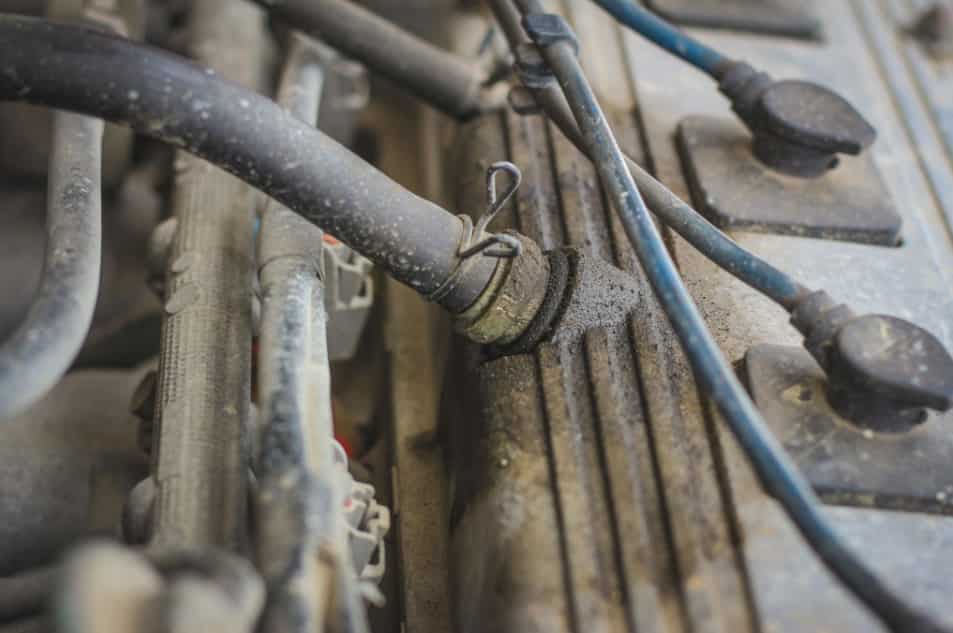
An engine oil leak happens when engine oil escapes from the sealed lubrication system. In the Hyundai Sonata, this problem can develop in several areas of the engine. The leak may start small, but it can become serious if drivers ignore it for too long.
Engine oil has an important job inside the vehicle. It lubricates moving engine parts and reduces friction. It also helps control heat and prevents premature wear. When oil leaks out, the engine loses part of this protection. Low oil levels force engine components to work under higher stress.
Several parts help keep engine oil contained. These include gaskets, seals, oil lines, and the oil pan. Over time, heat and pressure weaken these components. Rubber seals can crack. Gaskets can shrink or lose flexibility. Once this happens, oil starts leaking through small openings.
Some Hyundai Sonata models develop minor oil seepage as they age. Minor seepage creates light oil residue around engine parts. Serious oil leaks are different because they produce visible oil drops, smoke, or strong burning smells. Larger leaks can also trigger low oil pressure warnings on the dashboard.
Drivers should understand the difference between an oil leak and normal oil consumption. Engines naturally burn a small amount of oil during operation. An oil leak allows oil to escape externally. This usually leaves visible signs under the car or around the engine bay.
Oil leaks rarely fix themselves. In most cases, the leak slowly becomes worse. Early diagnosis helps reduce repair costs and prevents long-term engine damage. Understanding how the oil system works makes it easier to identify the source of the problem before it becomes severe.
Hyundai Sonata Oil Leak Causes
Oil leaks in the Hyundai Sonata usually develop when engine seals or gaskets begin to wear out. Heat, pressure, and long-term engine operation slowly weaken these components over time. Once the sealing material loses flexibility, engine oil starts escaping through small openings. Many Hyundai Sonata owners first notice this problem after seeing oil spots under the vehicle or smelling burning oil during driving.
One of the most common causes is a failing valve cover gasket. The valve cover sits on top of the engine and helps keep engine oil contained inside the cylinder head area. Continuous exposure to high engine temperatures causes the rubber gasket to become brittle and cracked. When this happens, oil leaks down the side of the engine and may reach hot engine parts. Drivers often notice smoke or a strong burning smell at this stage.
The oil pan gasket is another frequent source of leakage. The oil pan stores engine oil at the bottom of the engine, and the gasket seals the connection between the oil pan and engine block. Road debris, vibration, and age can damage this seal. Once the gasket weakens, oil begins leaking from the lower section of the engine. Many drivers discover this issue after parking because fresh oil spots appear under the front of the car.
Crankshaft seals and camshaft seals can also fail as mileage increases. These seals operate under constant movement and pressure, which causes gradual wear. A damaged seal may leak a large amount of oil and spread residue across nearby engine components. In some cases, the leak can even damage belts and surrounding parts.
Oil leaks sometimes appear after an oil change. Loose oil filters, damaged drain plugs, or worn sealing washers often create sudden leaks. A failing PCV valve may also increase internal engine pressure and force oil past seals and gaskets. Older Hyundai Sonata models face a higher risk because aging engine components naturally lose durability over time.
Hyundai Sonata Oil Leak Symptoms
A Hyundai Sonata oil leak often produces several warning signs before the problem becomes severe. Many drivers ignore these early symptoms because the vehicle may still appear to run normally. However, small leaks can quickly grow into major engine problems if they are not repaired in time. Recognizing the symptoms early helps reduce repair costs and prevents long term engine damage.
One of the most common signs is the appearance of oil spots under the vehicle. Fresh engine oil usually looks light brown or amber, while older oil appears dark and thick. Drivers often notice these spots after the vehicle has been parked for several hours. The location of the oil stain may also help identify the source of the leak. Oil near the front of the vehicle often points to gasket or seal problems around the engine.
A burning oil smell is another common symptom. Leaking oil may drip onto hot engine components such as the exhaust manifold. As the oil burns, it creates a strong odor that becomes more noticeable during driving or after the engine reaches operating temperature. Some drivers also notice light smoke coming from the engine bay when the leak becomes more serious.
Low engine oil levels can also signal a hidden leak. Modern Hyundai Sonata models may display a low oil warning light on the dashboard when oil levels drop too far. Drivers who frequently add engine oil between oil changes should inspect the engine for leaks as soon as possible.
In more advanced cases, oil leaks may affect engine performance. Low oil levels reduce lubrication inside the engine and increase internal friction. This can lead to overheating, unusual engine noise, reduced efficiency, and accelerated wear on critical engine components.
How to Diagnose Hyundai Sonata Oil Leak Properly
Diagnosing a Hyundai Sonata oil leak correctly is important because different leaks can produce similar symptoms. Many drivers replace the wrong component and continue dealing with the same problem. A proper inspection helps identify the exact source of the leak and prevents unnecessary repair costs.
The first step is a basic visual inspection. Drivers should park the vehicle on a flat surface and allow the engine to cool completely. After opening the hood, inspect the valve cover area, oil pan, and surrounding engine components for fresh oil residue. Wet or shiny areas often indicate active leakage. Dirt buildup mixed with oil can also reveal older leaks that have been present for a long time.
Checking underneath the vehicle is equally important. Oil leaks from the oil pan gasket or drain plug usually leave visible residue around the bottom section of the engine. Drivers may also notice oil drops hanging from metal surfaces or fresh stains on the ground after parking overnight.
In some cases, the leak source becomes difficult to identify because engine oil spreads across multiple parts while driving. Professional mechanics often use a UV dye test to solve this problem. A special dye is added to the engine oil, and technicians inspect the engine with ultraviolet light. This method clearly reveals the exact path of the leak and helps locate damaged seals or gaskets more accurately.
Monitoring engine oil levels also helps during diagnosis. Drivers should check the dipstick regularly and watch for sudden oil loss. Rapid drops in oil level usually indicate a larger leak or excessive oil consumption problem. Dashboard warning lights may also appear if oil pressure becomes too low.
Some oil leaks only occur while the engine is running because heat and pressure increase during operation. For this reason, mechanics sometimes inspect the engine both before and after driving. Early diagnosis is critical because even a small oil leak can eventually damage engine components and increase repair expenses.
Hyundai Sonata Oil Leak Repair Solutions
Repairing a Hyundai Sonata oil leak depends on the exact source of the problem. Some leaks require simple maintenance, while others involve major engine repairs. Identifying the damaged component early can help reduce labor costs and prevent additional engine damage.
Valve cover gasket replacement is one of the most common repair procedures. Mechanics remove the valve cover, clean the sealing surface, and install a new gasket to restore a proper seal. This repair usually solves leaks that appear around the upper section of the engine. Drivers often notice immediate improvement because the burning oil smell and smoke disappear after the repair.
Oil pan gasket repairs are more labor intensive because the oil pan sits underneath the engine. Technicians must drain the engine oil and remove the oil pan before replacing the damaged gasket. Some Hyundai Sonata models require extra disassembly to access the area properly. Once the new gasket is installed, the mechanic seals the system and refills the engine with fresh oil.
Crankshaft seal and camshaft seal replacement can become more expensive because these components sit deeper inside the engine assembly. Mechanics may need to remove belts, pulleys, or timing components to reach the damaged seals. Oil leaks from these areas often become severe if drivers delay repairs for too long.
Leaks caused by loose oil filters or damaged drain plugs are usually easier to fix. Mechanics simply replace the faulty filter, install a new sealing washer, or repair damaged threads around the drain plug area. These repairs are relatively inexpensive compared to major gasket or seal replacements.
A failing PCV valve may also contribute to oil leaks by increasing internal engine pressure. Replacing the PCV valve helps restore proper ventilation inside the engine and prevents excess pressure from forcing oil past seals and gaskets.
After completing repairs, technicians normally clean the engine and inspect the system again for additional leaks. Routine maintenance and regular oil changes help prevent future leakage problems and improve long term engine reliability.
Hyundai Sonata Oil Leak Repair Cost
The repair cost for a Hyundai Sonata oil leak can vary widely depending on the source of the problem, labor rates, and the condition of the engine. Minor leaks usually cost much less to repair, while major seal failures can become expensive because they require additional labor and engine disassembly.
Simple repairs such as replacing an oil filter, drain plug washer, or PCV valve are usually affordable. In most cases, these repairs range from $50 to $200 depending on parts and labor costs. Drivers often face these issues after routine oil changes or basic maintenance services.
Valve cover gasket replacement is one of the most common oil leak repairs in the Hyundai Sonata. This service typically costs between $150 and $400. The final price depends on engine type, local labor rates, and whether the mechanic discovers additional damage during inspection. Luxury repair shops and dealerships often charge more for labor than independent mechanics.
Oil pan gasket replacement usually costs more because the repair requires extra labor. Mechanics must remove the oil pan, clean the sealing surfaces, and reinstall the system correctly. Most Hyundai Sonata owners can expect repair costs between $300 and $700 for this service.
Crankshaft seal or camshaft seal replacement can become significantly more expensive. These repairs often require partial engine disassembly and additional component removal. Depending on the severity of the leak and engine configuration, repair costs may range from $600 to over $1,200.
Drivers should also consider the long term cost of ignoring an oil leak. Continued oil loss can damage internal engine components, increase overheating risk, and reduce overall engine lifespan. Severe engine damage may eventually require complete engine repair or replacement, which costs far more than fixing the original leak early.
Choosing between a dealership and an independent repair shop also affects pricing. Dealerships usually use original equipment parts and factory repair procedures, while independent mechanics may offer lower labor costs and aftermarket part options. Comparing estimates from multiple repair shops can help drivers find the best balance between quality and price.
Can You Drive a Hyundai Sonata With an Oil Leak?
Many drivers continue using their Hyundai Sonata even after noticing an oil leak. While the vehicle may still operate normally at first, driving with an active oil leak always carries some level of risk. The severity of the danger depends on how quickly the engine loses oil and which component is leaking.
Small leaks may not cause immediate engine failure, but they can still create long term problems. Engine oil plays a critical role in lubrication, cooling, and reducing friction between moving parts. When oil levels drop too low, internal engine components begin to wear faster. Heat also increases inside the engine, which places additional stress on critical parts.
Larger oil leaks can become dangerous very quickly. Oil leaking onto hot exhaust components may create smoke or a strong burning smell during driving. In severe situations, excessive oil exposure near high temperature surfaces can even increase fire risk. Drivers should never ignore smoke coming from the engine bay because it may indicate a rapidly worsening leak.
Low oil pressure creates another serious concern. Modern Hyundai Sonata models rely on proper oil circulation to protect engine components. If the engine loses too much oil, metal parts may begin grinding against each other without enough lubrication. This can lead to knocking noises, overheating, and catastrophic engine damage.
Drivers who notice frequent oil loss should avoid long distance driving until the leak is repaired. Continuously adding oil may temporarily keep the vehicle running, but it does not solve the underlying problem. The leak often becomes larger over time, especially if damaged seals or gaskets continue deteriorating under heat and pressure.
In some situations, drivers can safely move the vehicle short distances while monitoring oil levels closely. However, any significant leak should receive immediate inspection from a qualified mechanic. Early repair helps prevent expensive engine damage and keeps the Hyundai Sonata operating safely and efficiently.
How to Prevent Oil Leaks in Hyundai Sonata
Preventing oil leaks in the Hyundai Sonata starts with consistent engine maintenance and early inspection of critical components. Many oil leaks develop slowly over time, which means drivers can often prevent serious problems before major damage occurs.
Regular oil changes play an important role in engine health. Clean engine oil helps reduce heat and friction inside the engine, which lowers stress on seals and gaskets. Drivers should always follow the recommended oil change interval for their Hyundai Sonata model and use the correct oil viscosity specified by the manufacturer.
Routine inspection of engine seals and gaskets also helps prevent future leaks. Mechanics can often identify early signs of wear before oil begins leaking heavily. Small oil residue around the valve cover, oil pan, or timing area may indicate that a gasket is starting to fail. Replacing worn components early usually costs much less than repairing a major leak later.
Maintaining the PCV system is another important step. A clogged or failing PCV valve can increase internal engine pressure and force oil past seals and gaskets. Replacing the PCV valve at recommended service intervals helps maintain proper engine ventilation and reduces stress on sealing components.
Drivers should also avoid overfilling the engine with oil. Excess oil creates additional pressure inside the engine and may worsen existing seal problems. After every oil change, checking the oil level carefully helps prevent this issue.
Using high quality replacement parts also improves long term reliability. Cheap gaskets and seals often wear out faster under heat and pressure. Many professional mechanics recommend using OEM or premium aftermarket components for better durability.
Paying attention to early warning signs remains one of the best prevention methods. Burning oil smells, fresh oil spots, or low oil warnings should never be ignored. Addressing small leaks early helps protect the engine, reduce repair costs, and extend the lifespan of the Hyundai Sonata.
Conclusion
A Hyundai Sonata oil leak may begin as a small inconvenience, but it can quickly develop into a serious engine problem if drivers ignore the warning signs. Common causes such as valve cover gasket failure, oil pan gasket damage, worn crankshaft seals, and PCV system issues often lead to gradual oil loss and reduced engine protection over time.
Recognizing the symptoms early is critical for preventing expensive repairs. Oil spots under the vehicle, burning oil smells, smoke from the engine bay, and low oil warning lights usually indicate that the engine lubrication system needs immediate attention. Proper diagnosis helps identify the exact source of the leak and ensures that repairs address the real problem instead of temporary symptoms.
Repair costs for Hyundai Sonata oil leaks vary depending on the severity of the issue and the damaged component. While some repairs remain relatively affordable, delaying maintenance can result in severe engine wear, overheating, and major internal damage. Early repairs almost always cost less than replacing damaged engine components later.
Preventive maintenance remains the most effective way to reduce the risk of future oil leaks. Regular oil changes, routine inspections, proper oil levels, and high quality replacement parts all help extend engine life and improve long term reliability.
Understanding the causes, symptoms, repair methods, and prevention strategies allows Hyundai Sonata owners to protect their vehicles and avoid unnecessary repair expenses. Addressing oil leaks early not only improves engine performance but also helps maintain the safety, efficiency, and durability of the vehicle for years to come.